Step 1: Collate all necessary information and data
Step 2: Verify all necessary data. Discard data that does not align with other correlating data
Step 3: Create a decision workflow on when and how discarded data will be the current narrative. These become “risk factors”
Step 4: Create a decision workflow on how to qualify/disqualify information that aligns or deviates from said data, and engage when info is qualified, making sure to create clear protocols of risk engagement
Step 5: If current information does not align with data; walk away. If current information aligns and is qualified, pull the trigger without overthinking. If current information deviates from data, let the risk protocols do its job.
Step 6: Collate all necessary information points and compare with data, what decision-making protocols would’ve yielded a more positive performance?
Data analytics tells you what is broken.
Automation is how you fix it at scale.
You can analyze missed calls, slow follow ups and dropped leads all day.
But if the process stays manual, nothing actually changes.
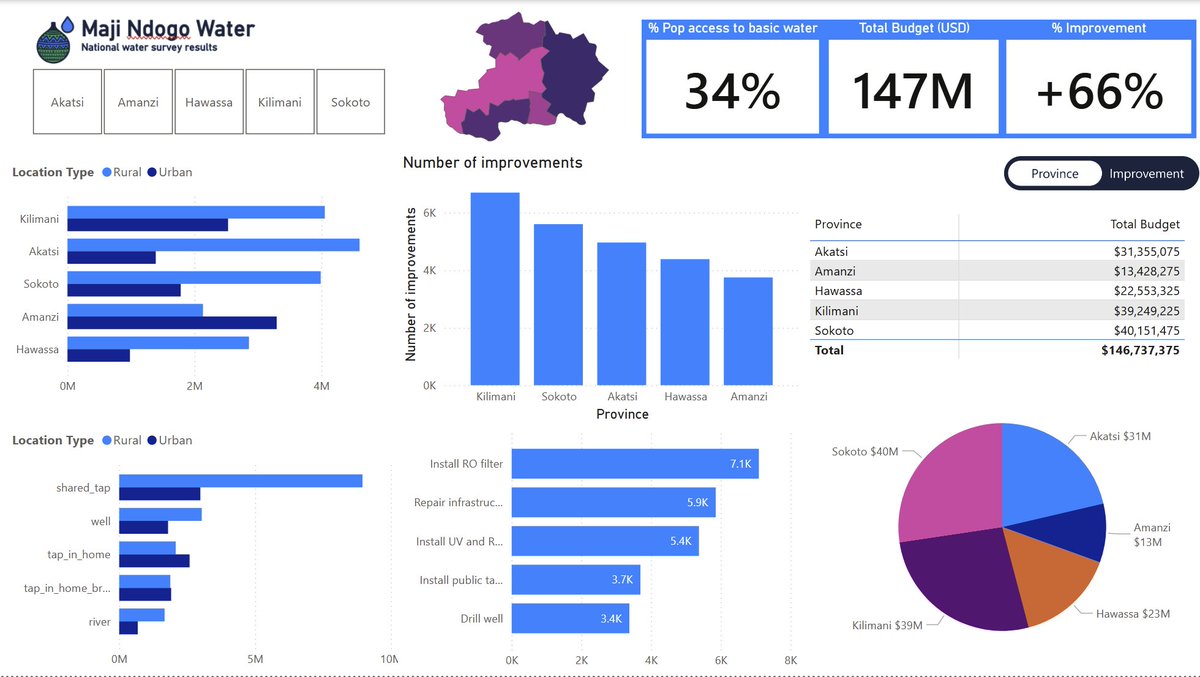
I just published a real data analytics case study.
Maji Ndogo Water Access Initiative:
• Defining “basic water access”
• Budget vs cost over time
• How bad filters mislead decisions
Full breakdown: https://t.co/Pfye9vednD
accountability is so important to me. nobody is perfect, but don’t try to flip the script & make my reaction the issue when your action lit the match.