I built Snitt — a Mac app that learns how you edit from your published videos, then rough-cuts your raw footage the same way.
Your pause lengths. The fillers you keep. Your pacing. Then it hands you a real Final Cut timeline, every cut restorable.
Free beta — 10 hours of processing included. Link below 👇
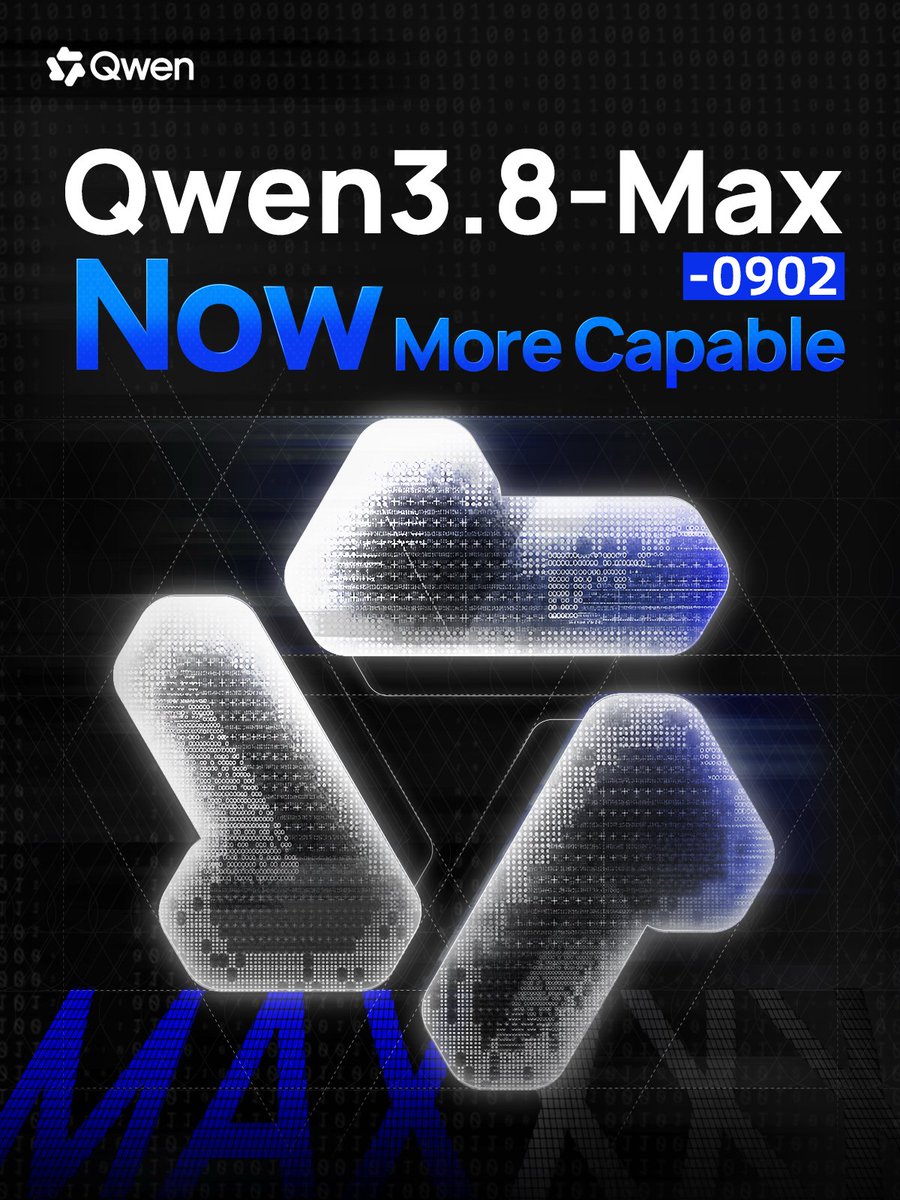
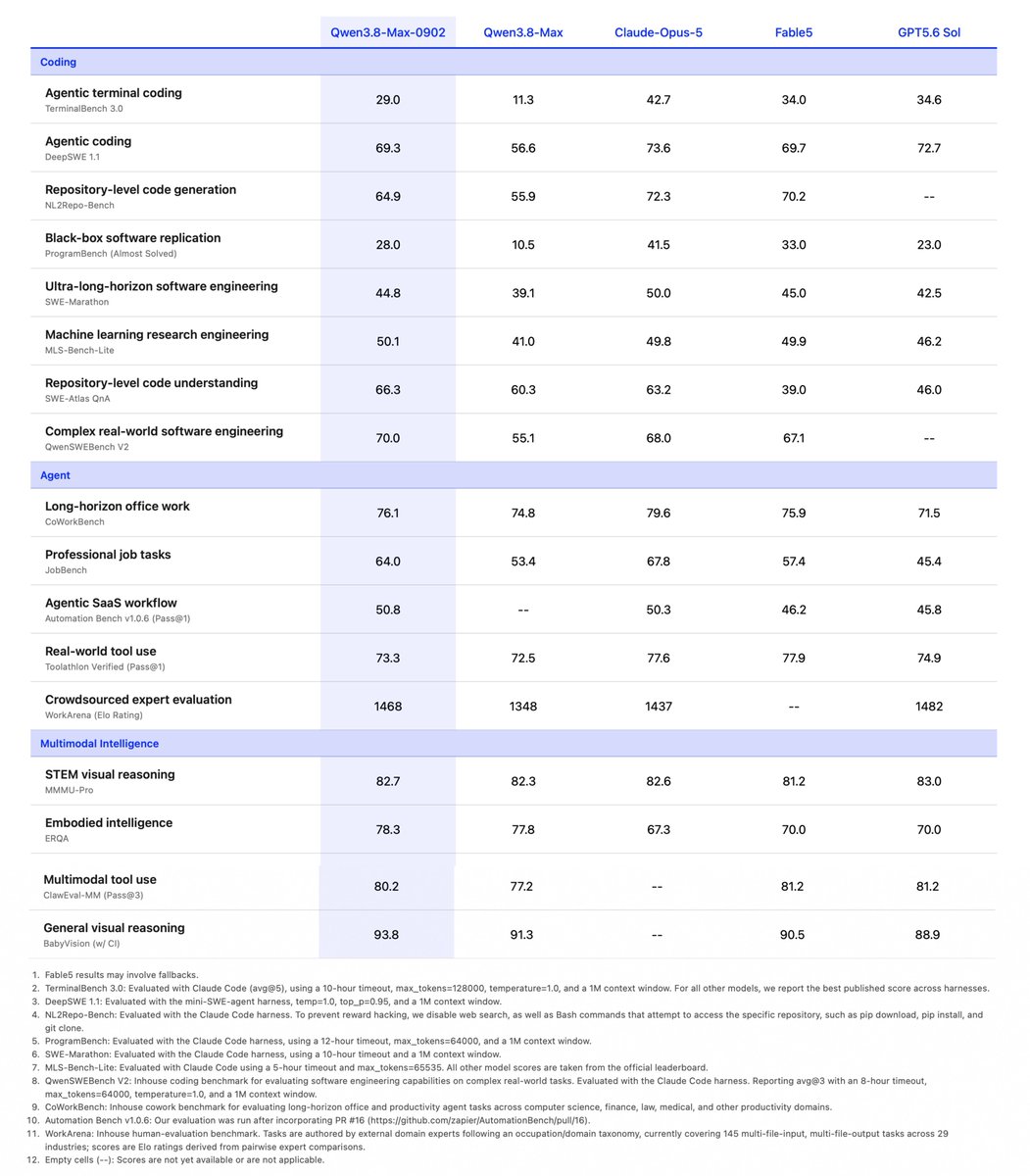
🚀Qwen3.8-Max just got upgraded. Meet Qwen3.8-Max-0902!
2.4T parameters. 1M context tokens. Built for real world complexity.
Further post trained on Coding & Cowork, Qwen3.8-Max-0902 now delivers stronger performance across complex enterprise tasks, scientific research, and long horizon workflows.
💰Pricing per 1M tokens:
$2 input, $6 output.
$0.17 explicit cache hit, $0.25 implicit cache hit.
Now live via API on QwenCloud. Come try it! 🙌
API: https://t.co/dq3WgMk980
hey builders 👋
looking to connect with people building in:
🚀 saas
🧠 ai agents
🎥 video editing
🎨 design tools
🌐 web apps
📊 analytics
🔌 apis
drop yours below and let's connect 👇
everyone is saying Fable 5.1 is the best coding model ever released
but what are you actually using it for that GLM 5.3 / Kimi K3 / Codex can't do?
genuine question
@bijanbowen 30 seconds is enough to notice the jump, not enough to know whether it survives a real codebase.
I care more about: does it keep context across a 45-minute agent run, make fewer regressions, and cost less to repair when it goes wrong?
As someone who actually deploys these: clickbait titles cost real time. I stopped trusting release notes and just benchmark on my own hardware (MLX, M5 Max) before believing any architecture claim. An honest report would save everyone that step — and it'd get cited more, not less.