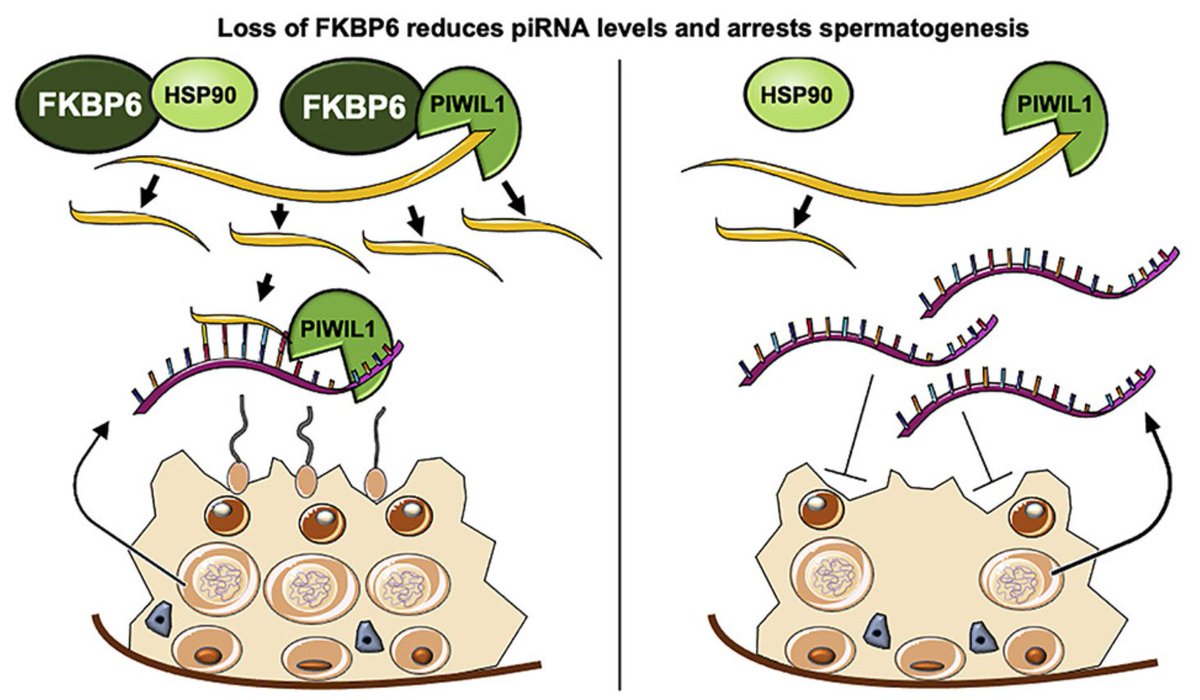
Absence of the piRNA factor FKBP6
leads to a reduction of pachytene
piRNAs, causing male infertility due to round spermatid arrest. Find out more in our new manuscript out now in @AJHGNews : https://t.co/vdKpr5tAMm
Don’t forget to submit your work! 🗓📣The NYRA Board really looks forward to meeting your latest scientific advances in Norwich 👩🏻🔬👨🏻��🔬 don’t miss the opportunity to apply for travel grants!
Last days to submit your work! 🗓📣The NYRA Board really looks forward to meeting your latest scientific advances in Norwich 👩🏻🔬👨🏻🔬 don’t miss the opportunity to apply for travel grants!
🚨Last call for #14NYRA meeting🚨 We’ve extended the deadline for the abstract submission until August 1st 📅 . Join us in sunny Norwich 🇬🇧 ☕️🧁
✔️Exceptional plenary speakers
✔️Talented young researchers
✔️Fun social programme
So excited to introduce our first invited speaker for the 14th NYRA meeting: dr. Raheleh Rahbari @R_Rahbari
👉 https://t.co/0B06Q5OX6s…
Don’t forget to register and submit an abstract before July 25th!
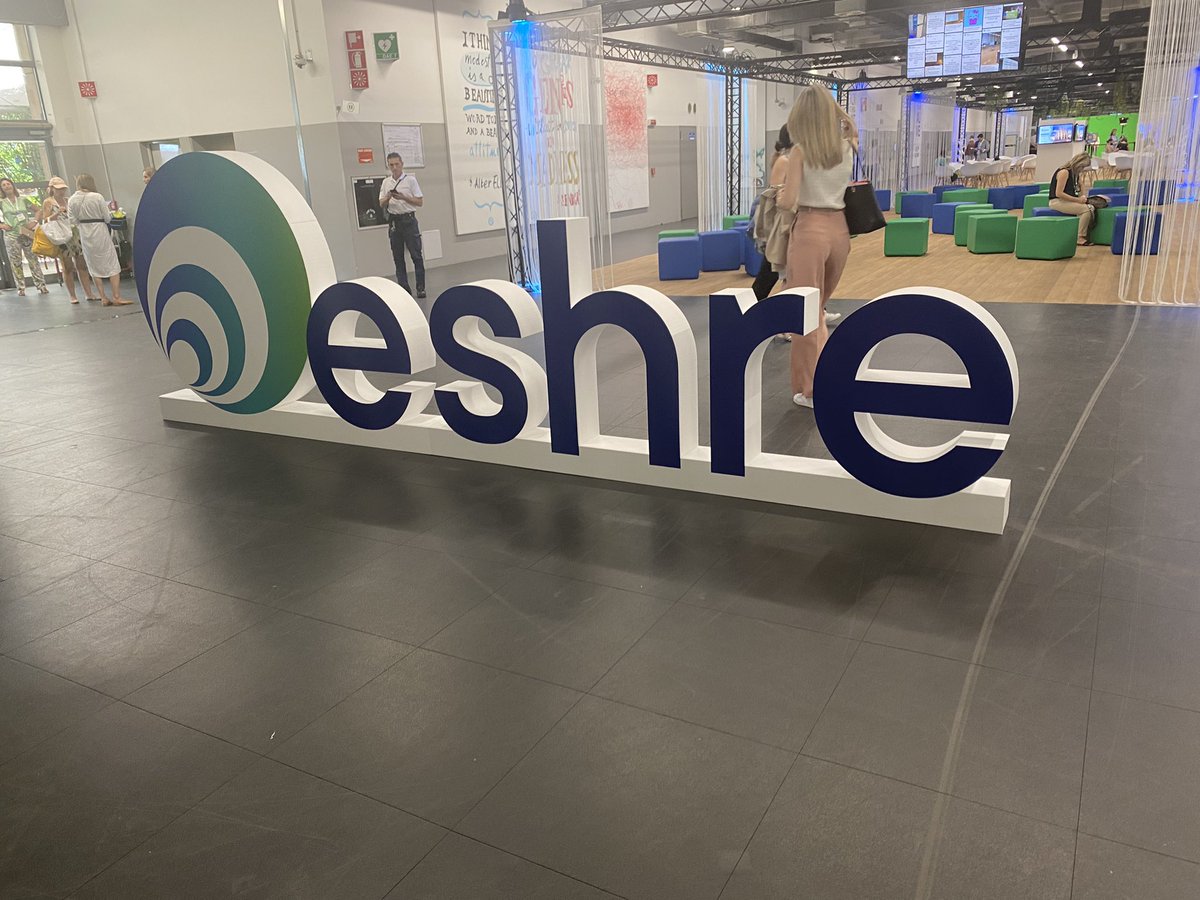
Arrived in Milan for the #ESHRE2022 meeting, starting off with the precongress course on Controversies in Reproductive Genetics. Very first time at an @ESHRE conference, so extra excited!
Congratulations on this impressive study👏 Important message that I completely agree with: time to advance the standard of care! Karyotyping and AZF testing alone are not enough to diagnose male infertility, recommended to perform exome-based analysis of a virtual gene panel👍
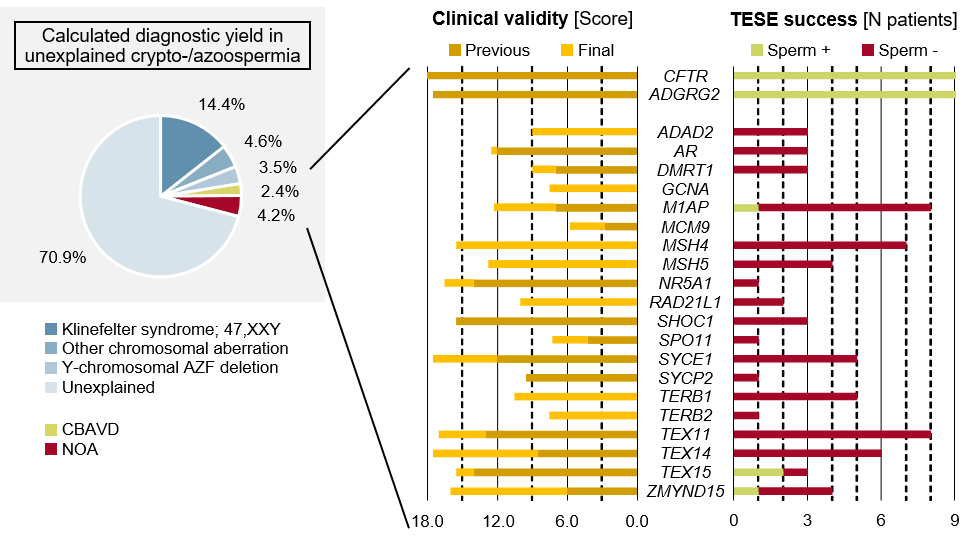
Four years of #exome sequencing in #infertile azoospermic men identified the 21 diagnostically most relevant #genes. Analysing these will allow for individualised counselling and informed treatment decisions. Check out our recent paper @EUplatinum: https://t.co/QwFNJQRDXQ
Woohoo the registration of the 14th NYRA meeting is now open! 🥳🎉
What: 14th NYRA Meeting (back to onsite!)
Where: University of East Anglia, Norwich (UK)
When: 19-21 September 2022
Who: You!
Register&more 👇
https://t.co/GJMpJGbZ9e
@pjie2 @HGLeitch@DevoEvoMed Gene discovery for infertility is finally speeding up, 1-2 new genes per month. But I agree still our state of knowledge is pretty poor, exome provides only a modest diagnostic yield for NOA compared to other conditions in outbred populations. But I feel this is changing!
@pjie2 @HGLeitch@DevoEvoMed We and other groups are definitely working on a better standard genetic test! Ours is based on the gene list that came from a large systematic literature review @HGLeitch already provided, @DevoEvoMed I can provide you with a more updated human gene list if you are interested!
A 🧵on our paper just out online https://t.co/DPeZd41eyw, in which we try to understand the selective forces operating on human genes under high selective constraint by studying the fantastic genetic resource that is @uk_biobank.
A nice surpsise on a stormy Monday morning. For me, this paper was a crucial first step towards the development of a better genetic test for male infertility. Curious to hear more about the future of MI diagnostics through genetics? Register for @ESHRE annual meeting this year!
Vandaag mochten Liliana Ramos en ik iets meer vertellen bij @BNR over ons onderzoek naar de novo mutaties bij mannelijke infertiliteit @radboudumc@radboudumc_weet Voor ons beiden spannend maar leuk! Bedankt @KarlijnMeinders voor het fijne gesprek en het heldere item!
Onderzoekers van het @radboudumc hebben ontdekt dat onvruchtbaarheid bij sommige mannen al voor hun eigen geboorte in het DNA kan zijn ontstaan #wetenschapvandaag https://t.co/w46fk5Ofqw
Onvruchtbaarheid bij een man is soms al voor zijn geboorte ontstaan in het dna. Als de man toch een kind krijgt dankzij ivf of icsi, heeft dat mogelijk gevolgen voor de vruchtbaarheid van zijn kinderen. Dat tonen o.a. @OudManon en Liliana Ramos @radboudumc
https://t.co/KpShujJMbi