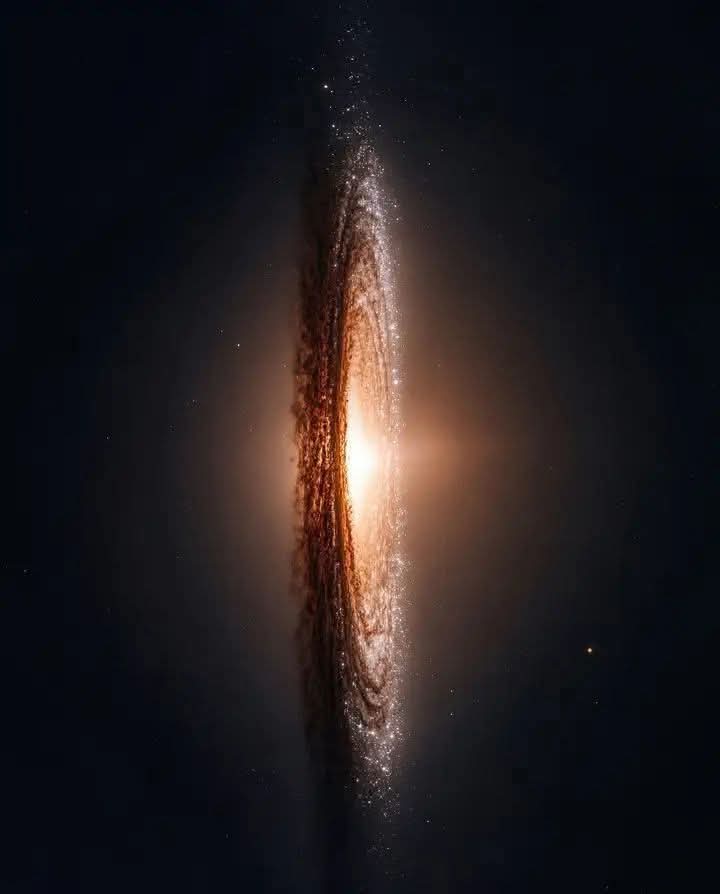
This is what the night sky on Mars truly looks like…No cities. No streetlights. No light pollution whatsoever.Standing on the rusty surface of the Red Planet, you'd gaze up into one of the darkest, clearest skies in the solar system. With an atmosphere over 100 times thinner than Earth's, there's almost no scattering of light — so the stars shine steady and brilliant, without the familiar twinkling we see from home.The Milky Way would stretch dramatically overhead in breathtaking detail, its dense star clouds and dark dust lanes on full display. From Mars' position (about 140–240 million miles away depending on orbital alignment), you'd be looking toward richer parts of our galaxy, making the galactic core region appear even more spectacular.Phobos and Deimos — Mars' two tiny, potato-shaped moons — would race across the sky at different speeds, while Earth would glow as a striking blue "evening star," sometimes with the Moon visible right beside it.A silent, ancient landscape beneath an ocean of stars… the ultimate reminder of how vast and unspoiled the cosmos can be
Right in the middle of a rainy moment, a tiny bird becomes the star of something truly magical—a perfect water droplet lands on its head, forming a crown-like splash that feels almost unreal. The timing is flawless, capturing a split second where nature turns playful.
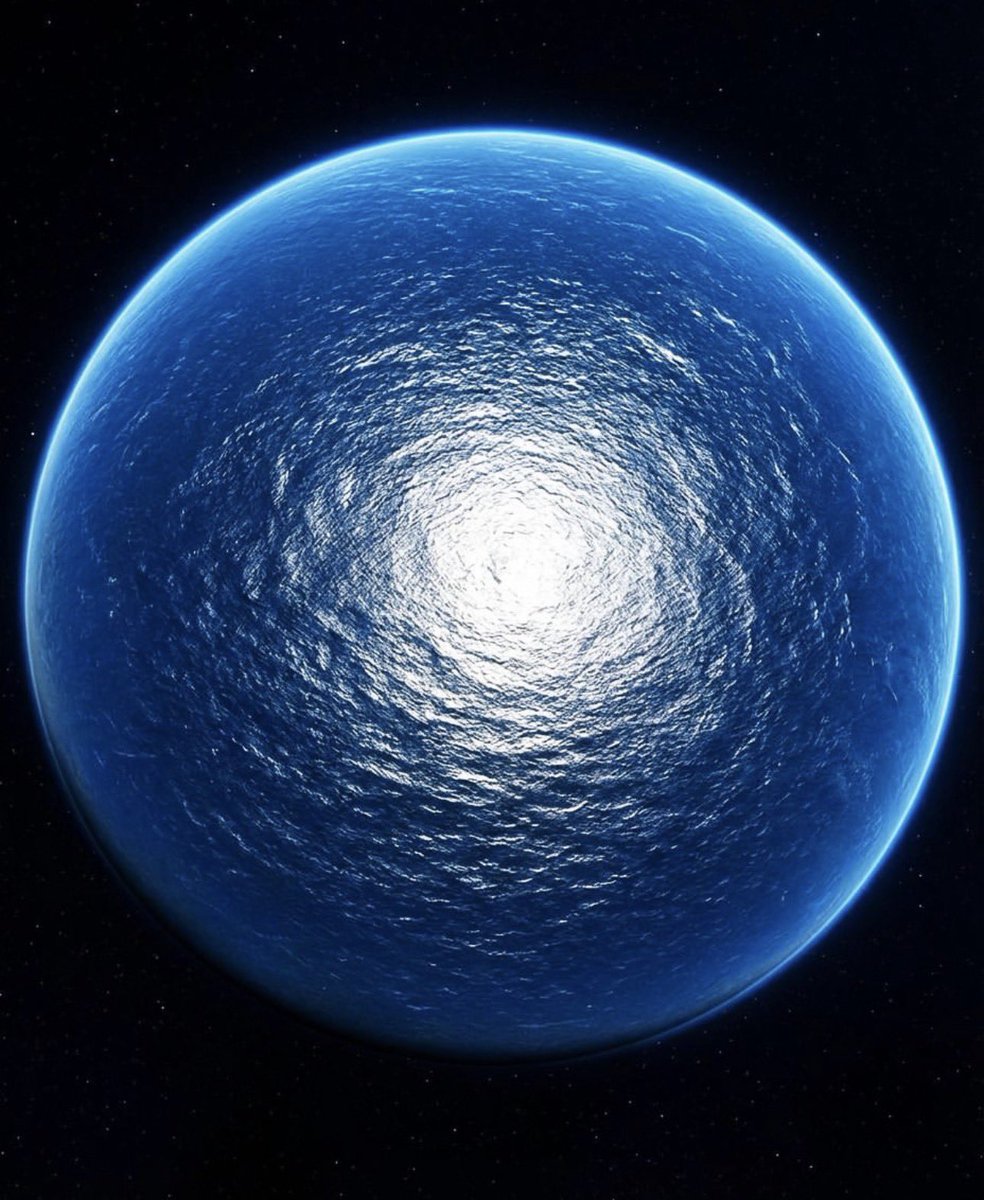
Quebec researchers have discovered an exoplanet entirely covered in water.
Located 100 light-years away, TOI-1452 b is estimated to be about 70% larger than Earth and likely has much deeper oceans.