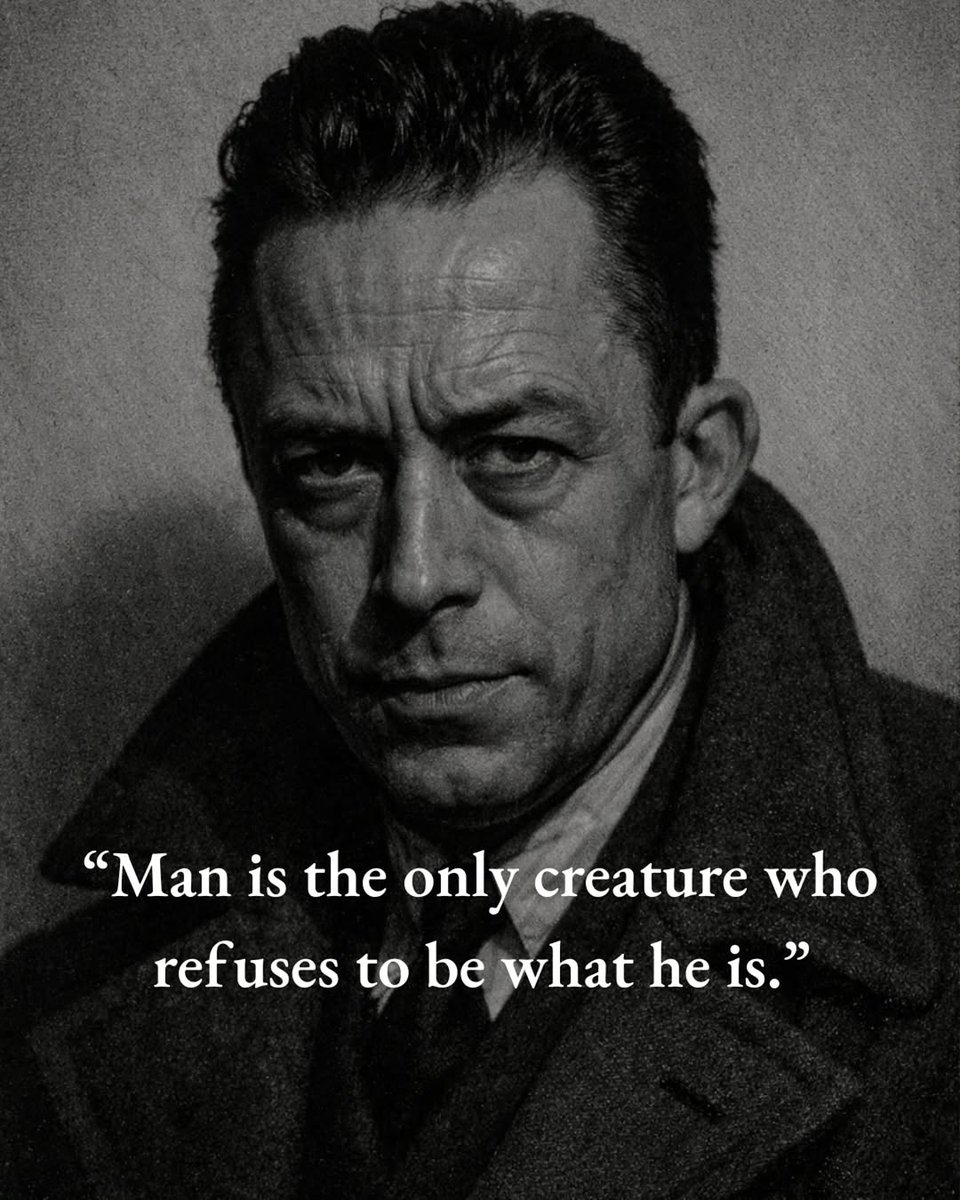
As Dostoevsky did, Camus saw how readily we attempt to escape ourselves. We hand over control to others who shape and define us, even choosing for us. Sometimes our sexuality is sacrificed not out of desire but from the need to be loved or feel secur...
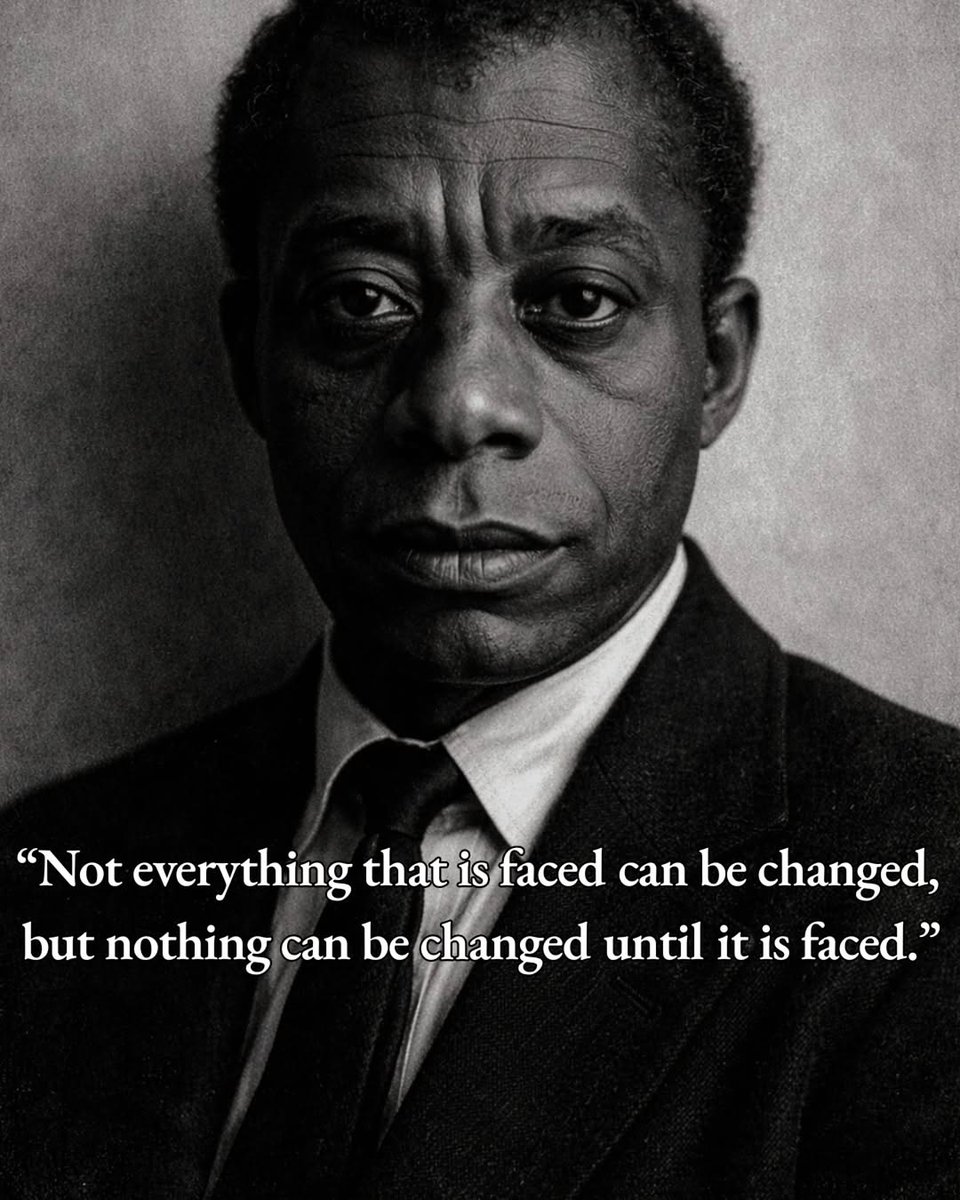
James Baldwin was more than a writer—he was a moral witness.
Born in Harlem in 1924, he grew up impoverished under racism and religious constraints. As a teenager, he preached, then left the church, turning his prophetic fervor into literature. His s...
Every meeting awakens a different side of us. Love doesn't repeat because we never meet from the same place twice. What feels like connection is often just something inside us being uncovered. The other becomes a mirror for parts we haven’t experienc...
Refusing to face what’s difficult doesn’t make it disappear; it moves below the surface and starts shaping us internally. In Jungian terms, the unconscious takes over what the ego avoids, turning it into what we call fate.
We assume we are choosing, ...
Love isn't something we truly understand. It’s what interrupts our understanding.
We tend to believe love reveals truth, offers clarity, and brings fulfillment. But it does the opposite. It unsettles. It chooses without reason, connects without logic...
Alcohol gives people a chance to step outside themselves for a moment, to loosen control and speak what they usually keep inside, yet that release often reveals what was already there beneath the surface. Creativity isn't born from comfort, but from ...
We all sense it already— that quiet resistance under our actions. We wake up, follow routines, and call it living. The discomfort doesn’t fade; it just becomes part of the familiar. So we wait, saying “not yet,” while something within us resists. The...
Time is required for thinking, but people often avoid it.
It’s about sitting with uncertainty temporarily.
Judging is swift and brings satisfaction.
You manage to feel correct without much work.
And that explains its popularity.
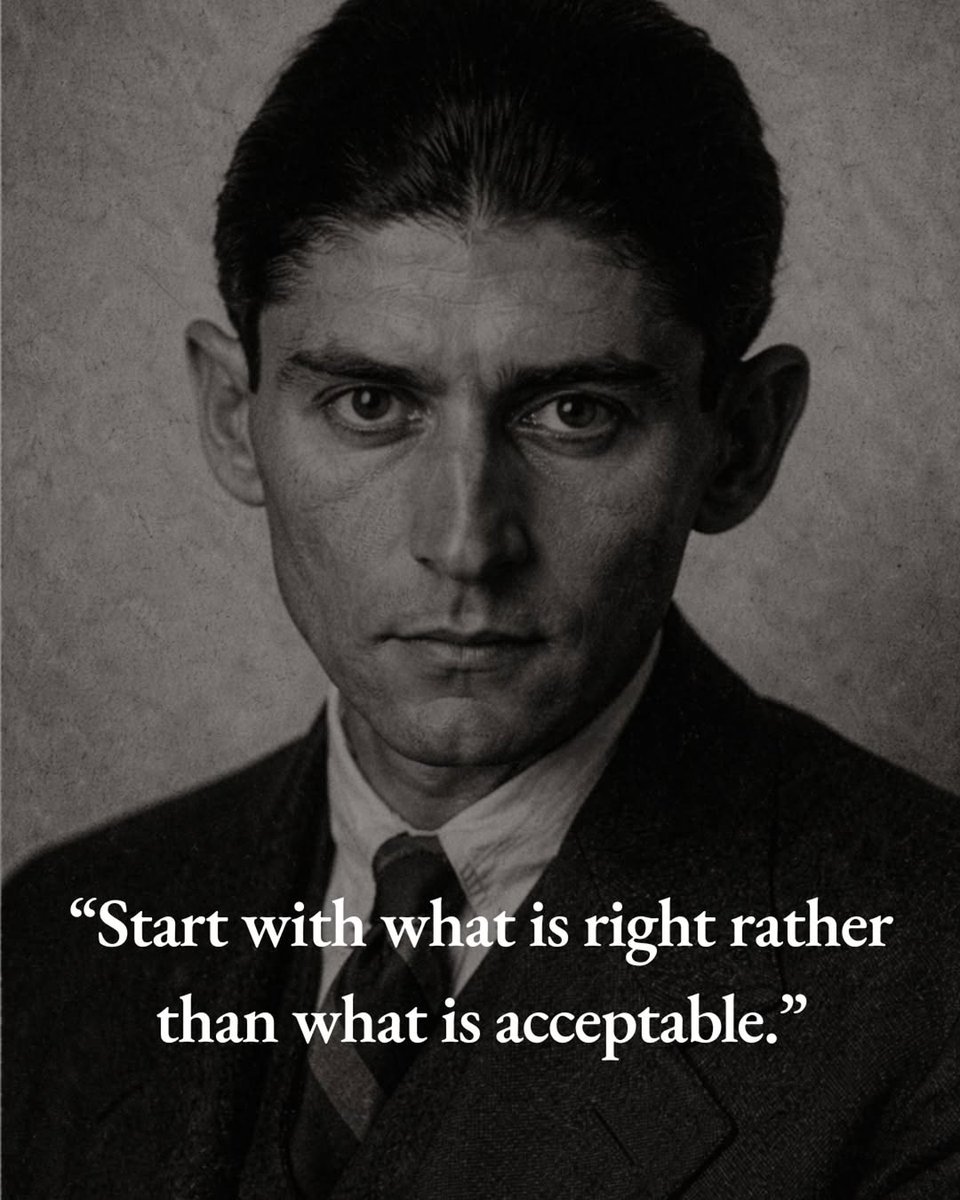
Franz Kafka intended to highlight an uncomfortable truth about human behavior. Most people don't start with what they believe to be right. Instead, they begin with what others will accept, what maintains harmony, and what avoids rejection. Gradually,...
The most hazardous point for your thinking occurs when everyone nearby agrees with you. Mark Twain suggested that the issue isn't the majority itself, but rather the strange intoxication that accompanies belonging to it. When our beliefs, philosophy,...
Much of Charles Bukowski's life was spent watching people from outside the mainstream, rather than from esteemed or dominant roles. Through his work in mundane professions, time spent in saloons, and writing about life's grittier aspects, he cultivat...
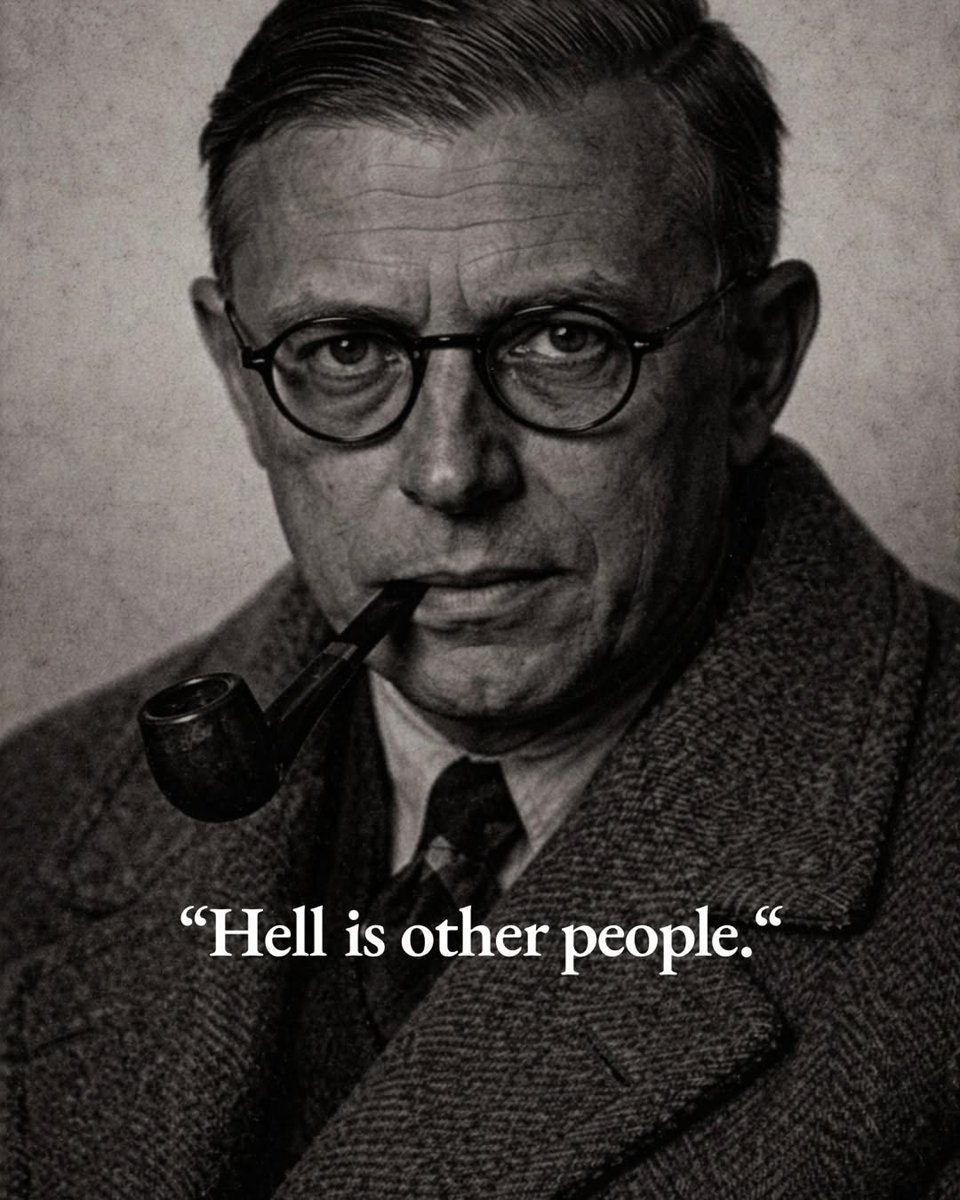
You might think Sartre’s “Hell is other people” refers to a lousy dinner with annoying friends or loud neighbors. But the true message is much darker. He was pointing to the psychological trap that emerges once someone looks at us. Suddenly, we’re no...
People ask, “How are you?” but everyone knows the answer that is socially acceptable. It should be short and pleasant: “I’m good. And you?” The question is not generally an invitation to speak about reality. It is a ritual that confirms the smooth fu...
We like to believe that we are responding to reality. In relationships, we often assume we are simply responding to who the other person truly is. But therapy gradually reveals something disturbing: we rarely encounter another person without the filt...