A new randomized Tourette syndrome medication study just dropped on Ecopipam. Spoiler alert: It targeted D1 dopamine receptors and not D2 receptors and weight gain, sedation and movements were all less. Randomized means participants were assigned by chance. Dopamine D1 receptor antagonist means the medication blocks a specific dopamine signaling pathway that may contribute to tics. Gilbert and colleagues describe in a new paper in JAMA Neurology how Ecopipam, a selective dopamine D1 receptor antagonist, performed in a phase 3 randomized clinical trial for Tourette syndrome.
Key points:
– Ecopipam reduced the risk of tic relapse by about 50% compared to placebo in children and adolescents w/ Tourette syndrome.
– Benefits in tic severity were maintained for up to 24 weeks in many participants who initially responded to treatment.
– The medication did not show clinically meaningful weight gain, metabolic complications or drug induced movement disorders which are frequent concerns w/ many currently used tic medications.
My take: Tourette syndrome treatment needs more options. Many currently available medications can help tics, however side effects including weight gain, sedation and movement complications and these frequently limit long term use. This study is important because it targets dopamine differently through the D1 receptor rather than the more traditional D2 pathway. The results are encouraging though we still need longer term real world data and additional adult studies.
Here are 5 points that resonated w/ me:
1- This is one of the more promising Tourette syndrome medication studies we have seen in years.
2- Targeting dopamine D1 receptors may offer a new therapeutic strategy beyond traditional antipsychotic medications.
3- The absence of major metabolic and movement related side effects could become a major advantage if findings hold up over time.
4- Tic disorders are frequently accompanied by anxiety, OCD and ADHD, so tolerability matters for families and health care providers.
5- The future of Tourette syndrome care will likely include more personalized approaches matched to the biology and symptom profile of each individual.
https://t.co/XVftgmwd2v @JAMANeuro@TouretteAssn
@FndIreland on screen with its sister organisations at #mdscongress in Honolulu during Mark Edward’s Stanley Fahn Award Lecture. Brilliant insights into a career investigating the mechanisms of FND. He advises clinicians to develop a “rehabilitative attitude” and reminds us “you can’t do rehabilitation to someone.”
The condemnation of Charcot for one aspect of his multifaceted work that posterity disapproves of needs to stop. The critics behave as if medical practice, culture and ethics, do not evolve. They lack sensitivity anf choose to ignore context
#CharcotBicentenaireParis
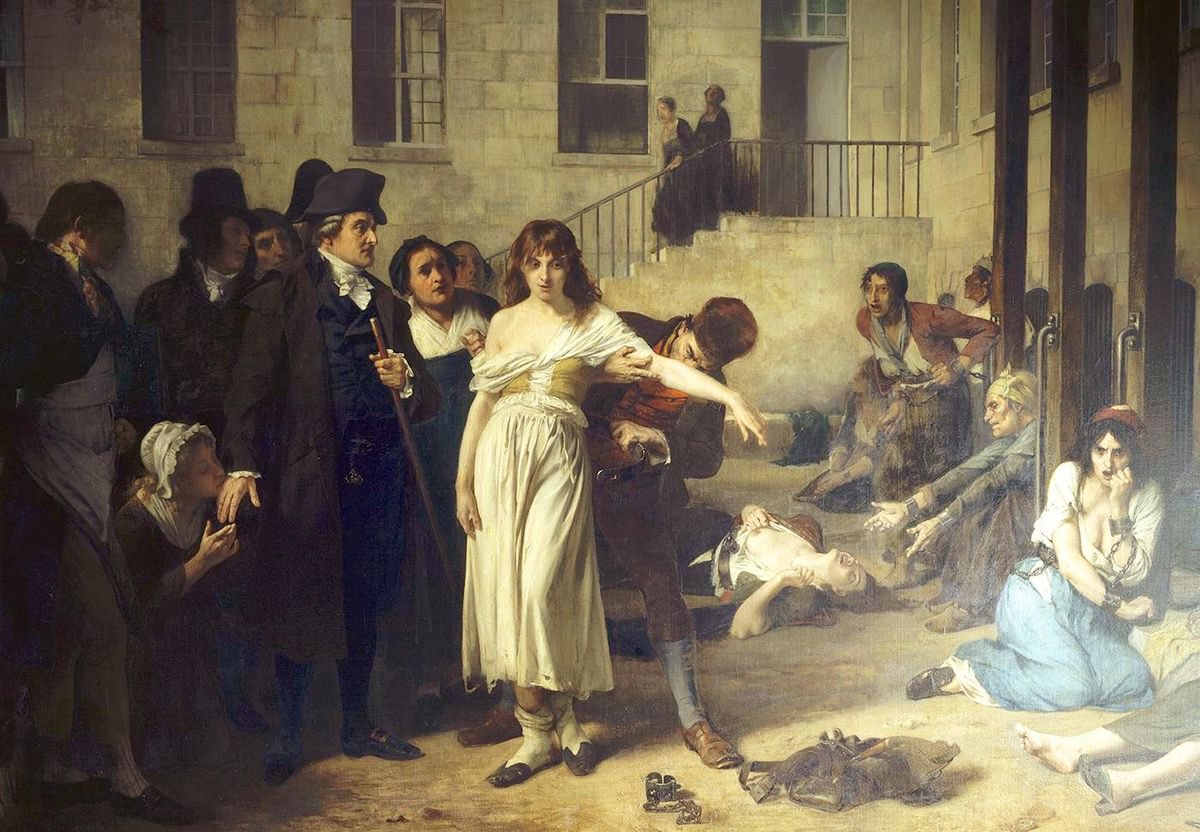
Good conversations were had today at #CharcotBicentenaireParis about agency, lost voices and the need to treat with respect the stories and depictions of historical patients. But Charcot and Pinel before him were humanists who liberated the neurologically disabled and alienated from the chains of prejudice and fear. He gave patients a voice and a space to express themselves. His successor’s amplified that voice. We must learn, not forget. Ars longa vita brevis.
The clinical signs uncovered in the quest to localise hysteria (Babinski, l’arc de cercle, ‘other Babinski’ in hemifacial spasm etc.) and associated photography, early video and documentation are the font of modern neurology and enjoy continued use. A lovely table of this is in Mark Edward’s paper here.
https://t.co/UkZJsaiqV7
Gowers first mentioned use of a percussion hammer (alongside the side of the hand and a stethoscope head - the horror!) in 1881. Charcot some time after. All within 60 years of Piorry’s development of pleximetry for chest percussion (an early model in the photo here was next to Meige’s hammer.) Weir Mitchell swung a Taylor in at least 1902. Then as now everyone has their favourite!
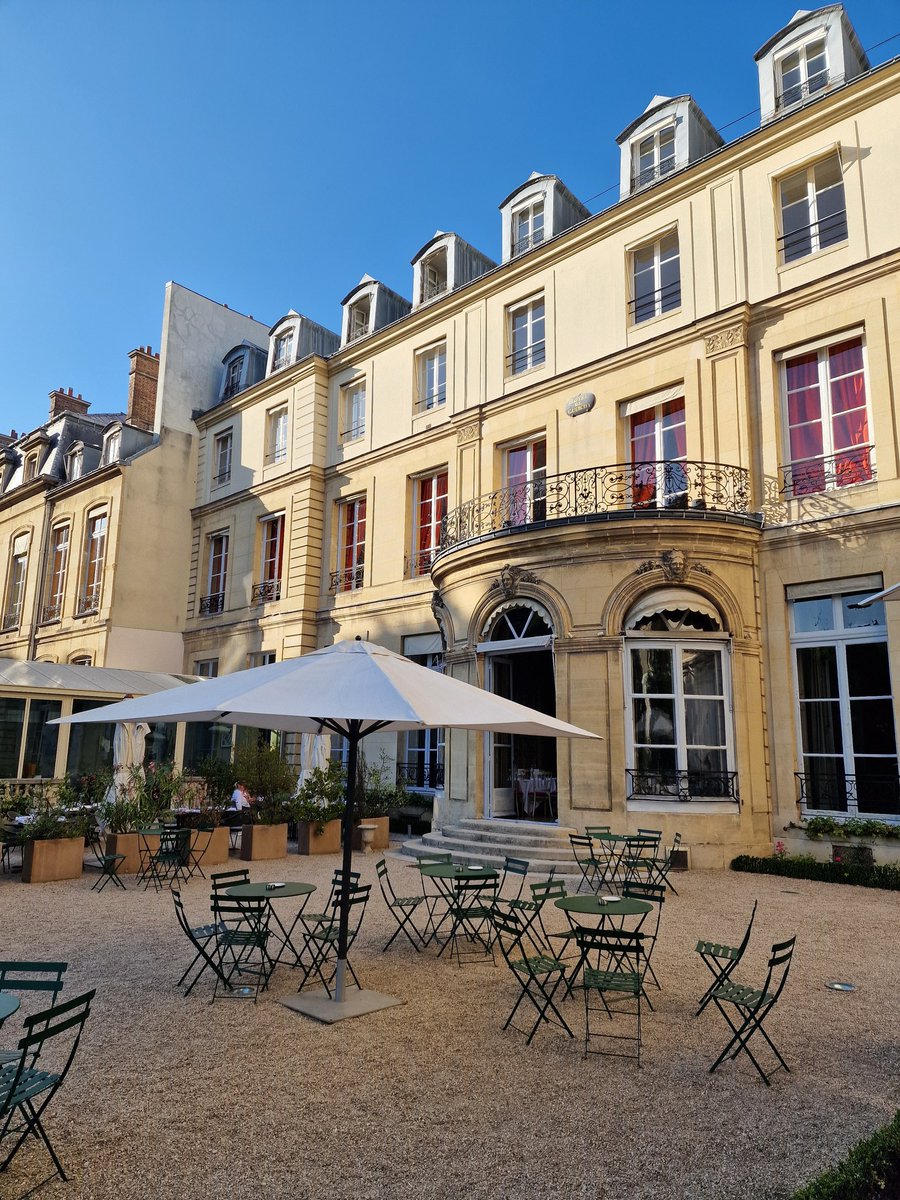
Ending the day with the traditional @IshnOrg gala dinner, this time in the Hôtel de Varengeville/Hôtel de Guerchy, that was #Charcot's home until his death. #ISHN2025
Neurological pedant here but you’re probably trained to see an annulus fibrosus which is the circumferential component of the disk wrapping the pulp in a ring (hence annulus) and fibrous in nature due to the layers of dense collagen fibrils. An “annulous fibrosis” would probably be a ring of scar tissue - thankfully not present. Great picture though - neuroanatomy is the key to the mysteries of being!
@ajlees@ProfRobHoward And your take on cats and top hats? Nervous disease sounds altogether more rounded than any of the -ologies. Would probably do away with any lingering dualism too. Would we all become nerve specialists? I’m not sure Bertie’s epithet would look good on a letterhead…
“And you sip your Napoleon Brandy/but you never get your lips wet…” one of the greats and a song of the summer. All those voices obliterated by tau: Ronstadt’s Desperado and Dudley Moore’s piano skits and ditties. “…I know the thoughts that surround you/ cause I can look inside your head.”
Indeed a particularly illiterate choice of eponym. Beyond the associations with intelligence and a professional career, there is the syllogomania. That word seems more apt. Apparently the hoarding has also been dubbed Plyushkin’s syndrome from a Gogol character. Are there better literary models? Miss Havisham? Krook in Bleak House?
REMINDER! We need and appreciate your generosity to support our patient advocacy familial support and research and clinic support Thank you @VhiWMM#VhiWMM#Dystonia
Hope you enjoyed. Always best on period strings as it was at the first performance in Neale’s Musick Hall, Fishamble Street (Fish Shambles - a wet market) Dublin 1742. Neale’s was essentially a charity for Dublin hospitals - after concerts they would sit around drinking (stout and hot toddies) & singing catches (close harmony madrigals) late into the night.
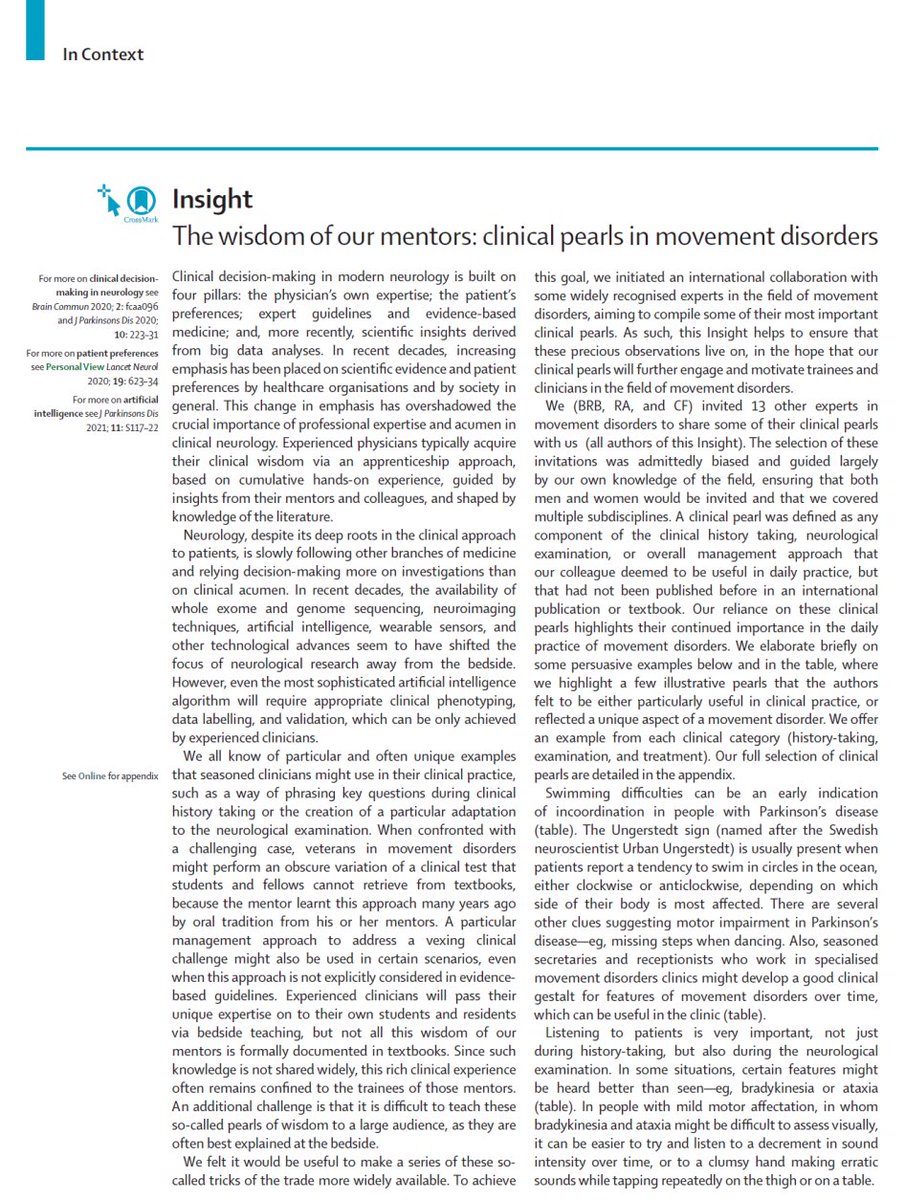
Published wonderful paper in @TheLancetNeuro about clinical pearls in movement disorders. We asked experienced clinicians about specific clinical tests or therapies which they learned from their mentors, now use in their clinical center & which they pass on to their own students.
@MichaelOkun I’d recognise that clinic room anywhere! Another valuable clinical pearl from Prof Tim Lynch & @dni_neurology at the Mater Hospital Dublin.
@ajlees A notebook I (and I’m sure many other trainees) would love to read. I too jot down the wisdom of my seniors but modern schemes make it all the harder to take the time, watch a master examine & learn. Therein too lies the value of videos and grand rounds with patients attending.