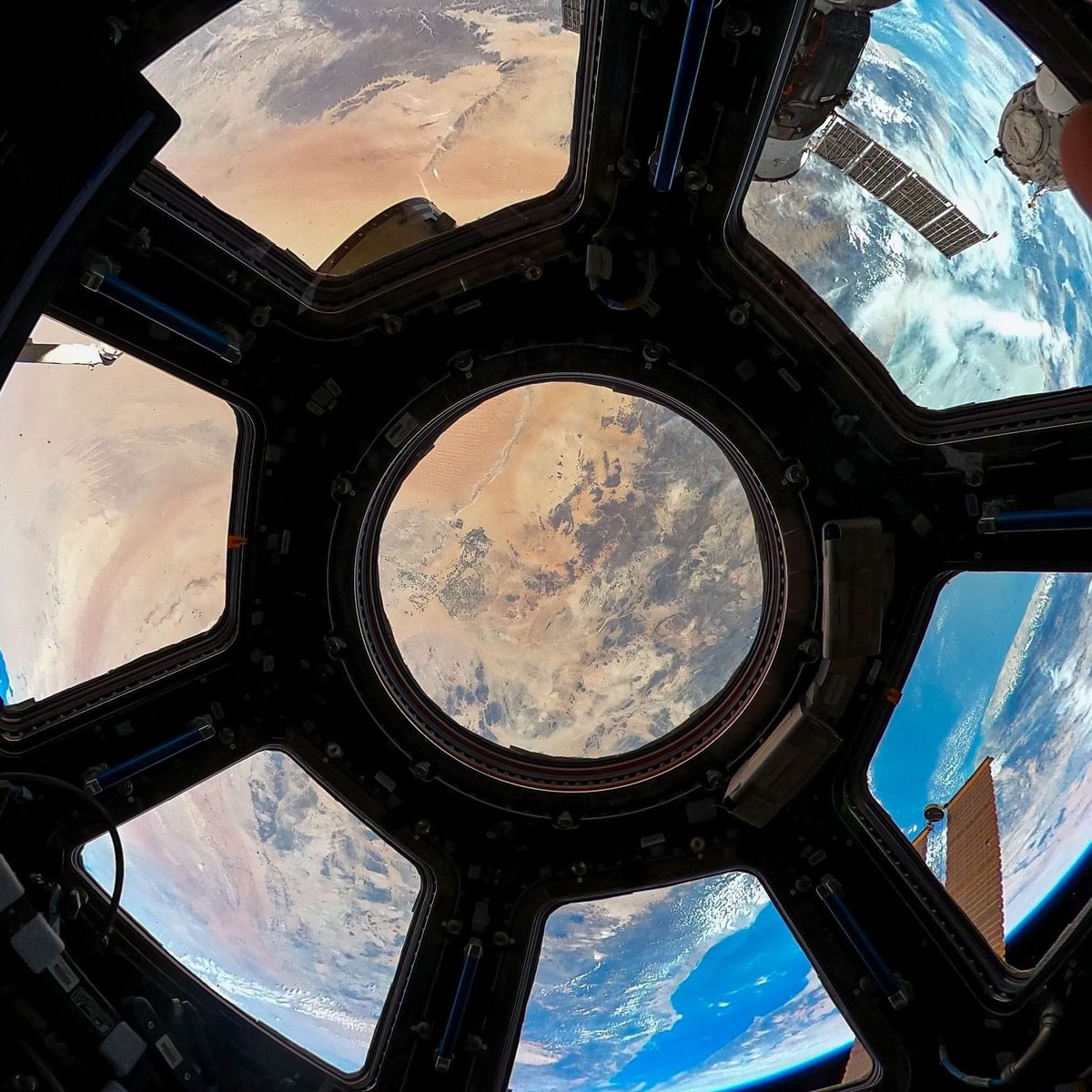
#Uluru in the morning. This sacred site is understandably revered when you see it like this from space. Awe-inspiring! https://t.co/pggoU9S6ij #MissionAlpha
These were the words of ESA project astronaut Marcus Wandt as he arrived aboard the International Space Station in January 2024, marking the start of his Muninn mission:
"It is breathtaking to look down on Earth," says ESA project astronaut Marcus Wandt.
"I have heard about the overview effect before. I must confess that I get a bit overwhelmed seeing so much at once, and realising how fast we travel around the world, and how small everything seems from here. The world is incredibly beautiful and something we need to take care of and look after.
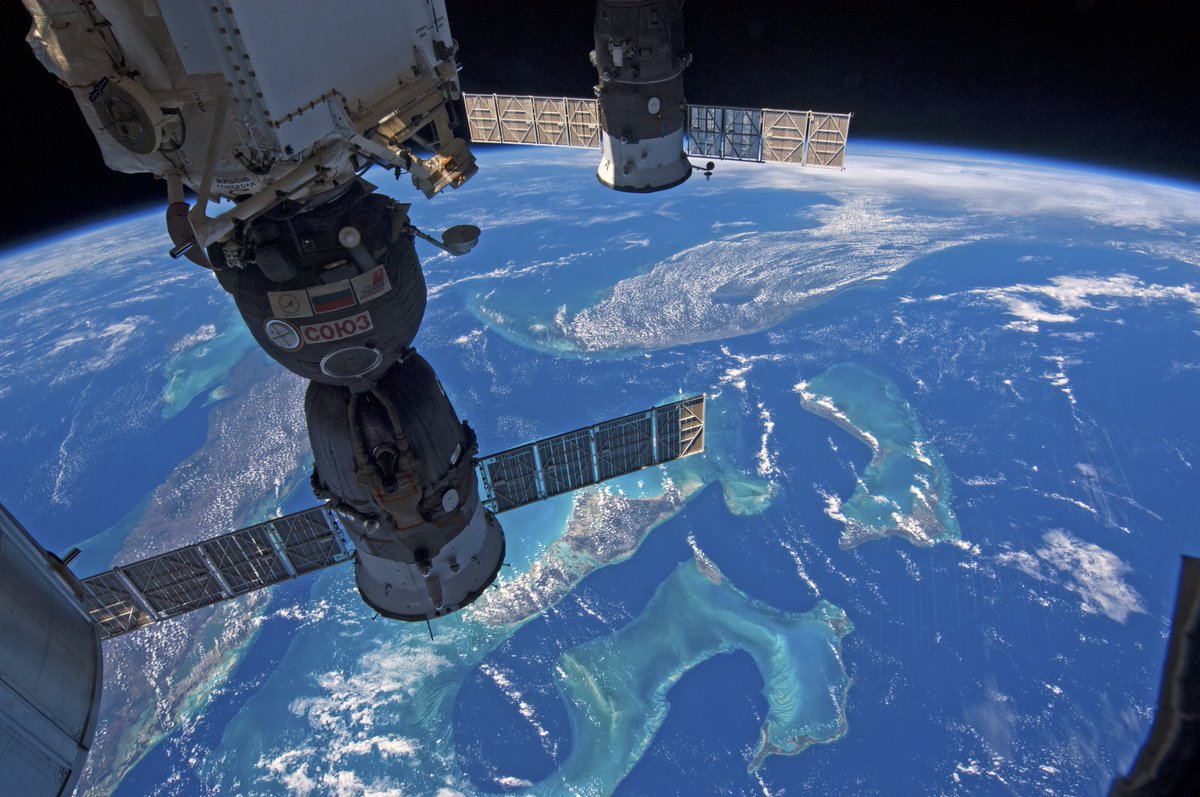
"It is also interesting seeing the world without borders and multiple continents at once. The question arises in me: why can’t we cooperate more and live better side by side?
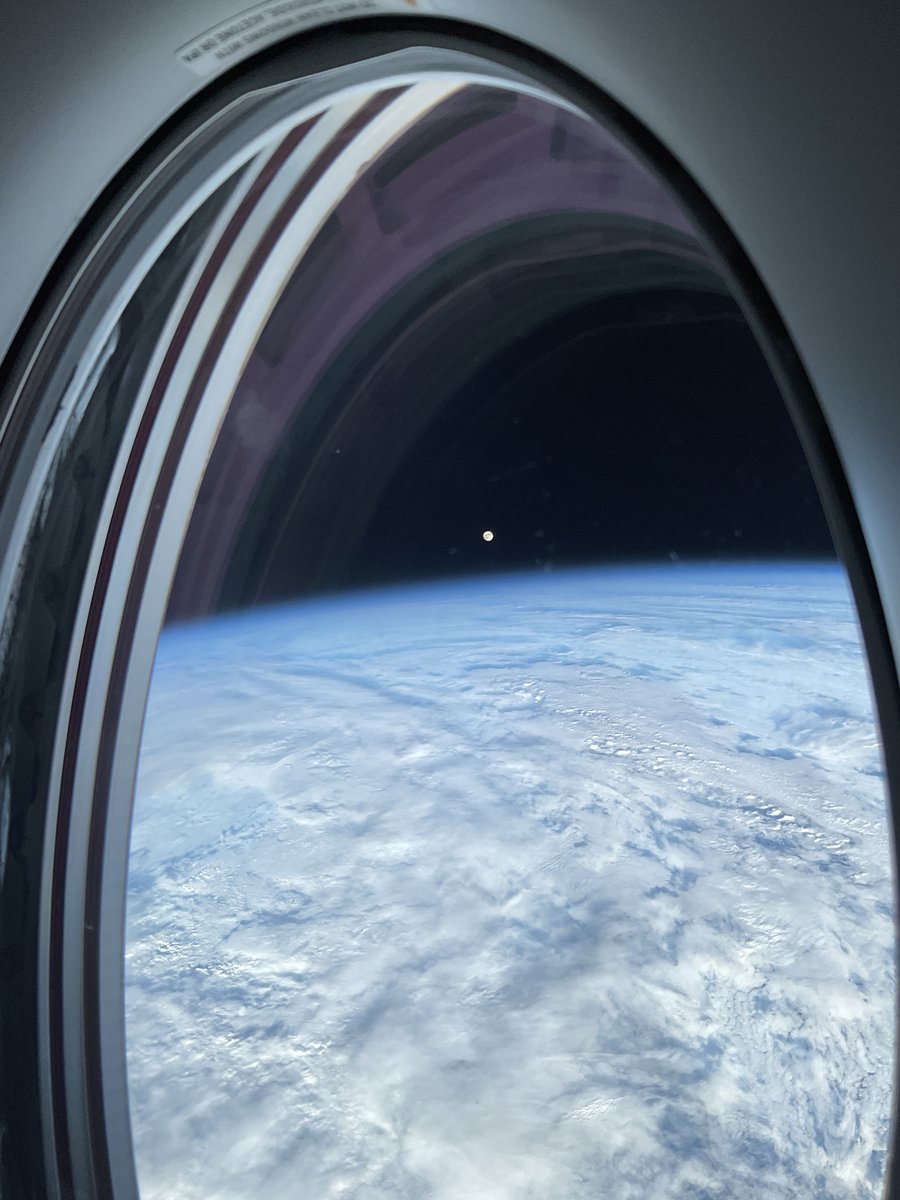
"If I just look up all I see is the vast emptiness of space. And then you realise that we are quite small in the Universe."
I finally have all 1.2 million raw image files from my latest mission to ISS! Here is a sample of one of my favorite Milky Way photos, taken from the Cupola with Nikon Z9, Arri Zeiss 15mm lens, T1.8 with custom sidereal drive that cancelled out star motion relative to our orbit.
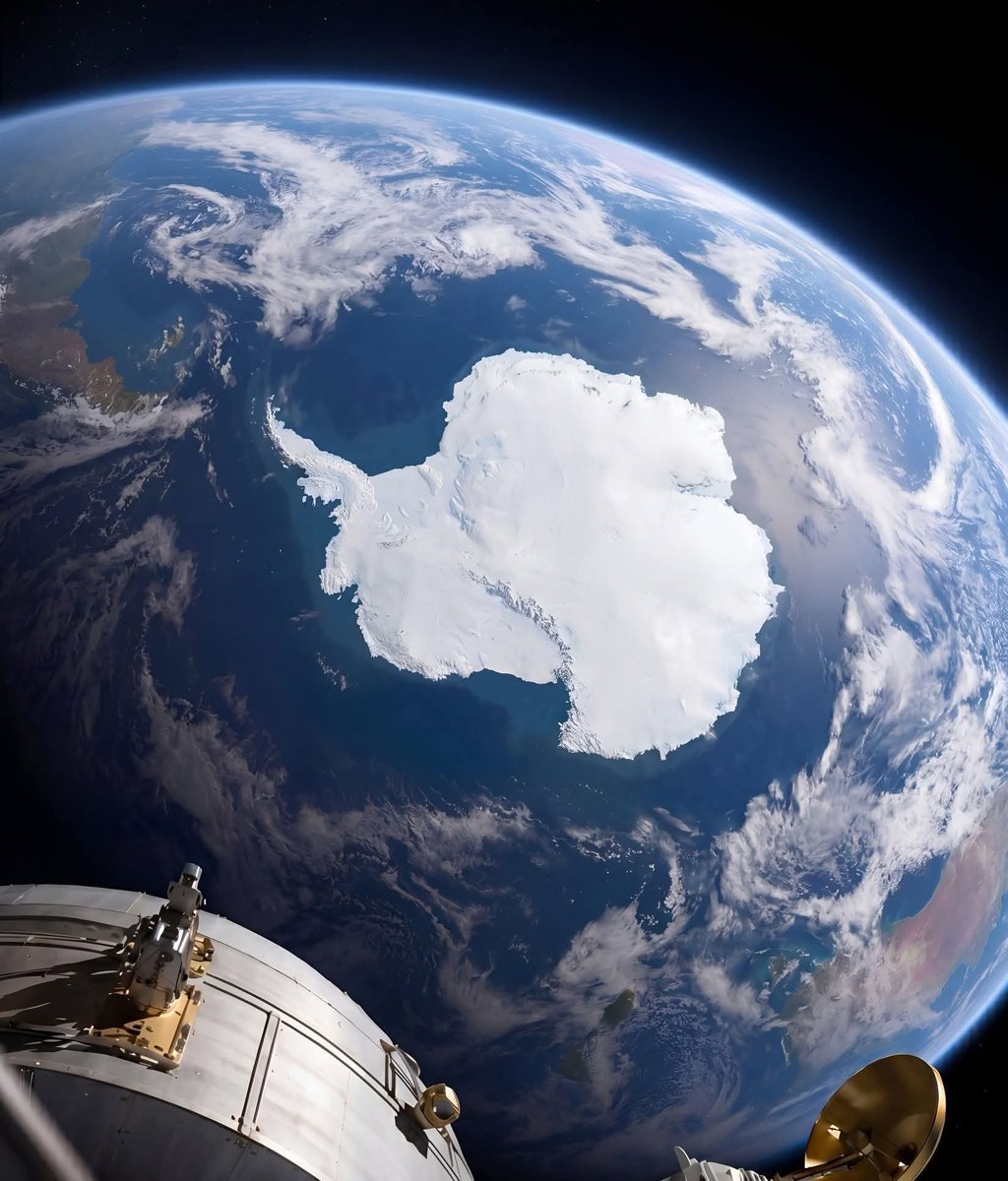
NASA just released a breathtaking view of Antarctica, captured by the Artemis II crew as they journeyed toward the Moon.
This stunning perspective from deep space offers undeniable proof of Earth’s curvature—another powerful moment where science and reality speak louder than conspiracy theories.
Image Credit: NASA
#ArtemisII #NASA #antarctica #EarthFromSpace #spaceexploration #MoonMission #sciencefacts #spacescope
Fury.
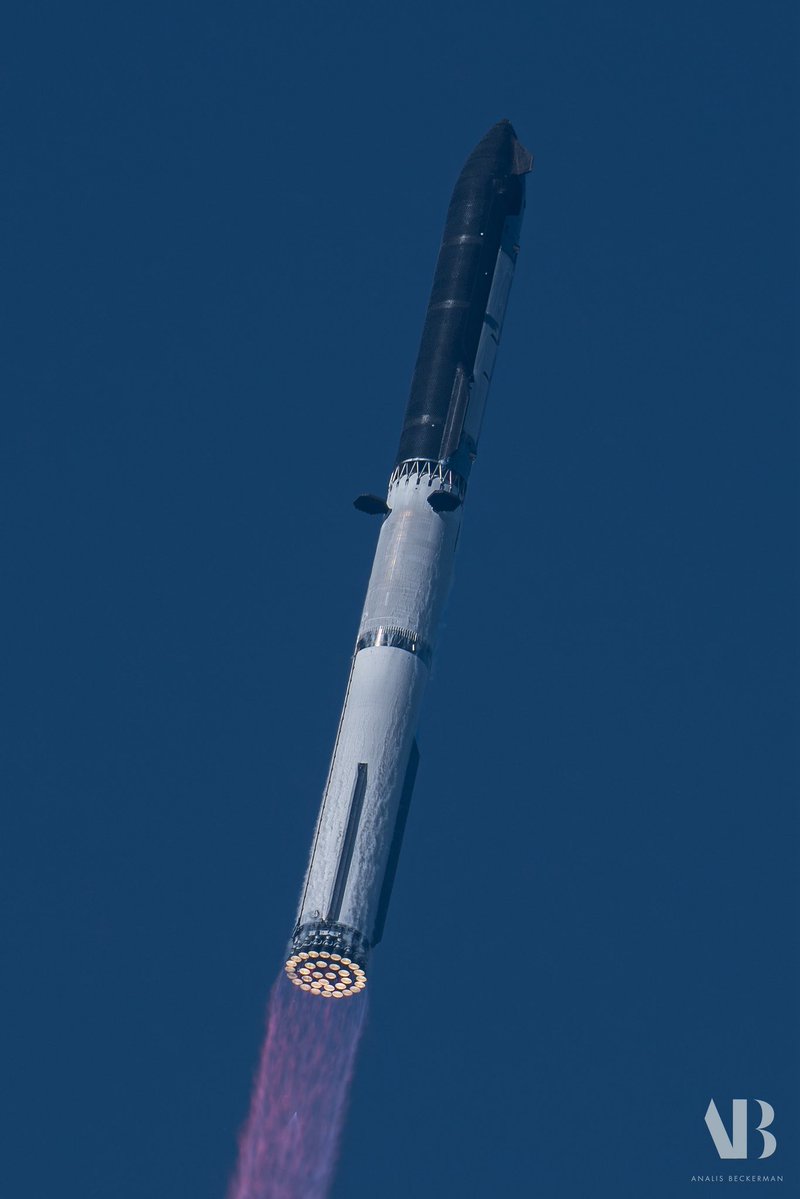
My highest-resolution image yet taken of Super Heavy's 33 Raptor 3 engines singing in unison during today's flight test of Booster 20 and Ship 40 from Pad 2 in Starbase, Texas.
📸 - @NASASpaceflight
Prints (this will be up soon): https://t.co/9KPqMTd9A7
This is what one of the wheels of the Curiosity rover looks like at the moment after 13 years, 11 months, and 20 days. Zero tire changes.
That's how long Curiosity has been grinding across Mars on the same six wheels it landed with back in August 2012.
And they look exactly like you'd expect.
Gaping holes. Torn treads. Chunks of aluminium just gone, ripped away by rock after rock after rock. This isn't neglect, by the way. There's no garage on Mars. Whatever hardware you launch with is the hardware you die with.
Here's the part that gets me: engineers knew the wheels were shredding as early as 2013, barely a year in. So they started driving the rover backwards over rough patches, mapping gentler routes, rationing every metre of terrain. A billion-dollar robot, babied across a planet like a car limping to the mechanic that doesn't exist.
Nearly 14 years later, it's still moving. Still drilling. Still sending photos home, including this one of its own battered wheel.
Your car needs new tyres every few years on paved roads. This thing has been off-roading on another planet since before most phones had fingerprint sensors.
The wheel in this photo is broken. The rover isn't.
Amazing to see how well this spaceship survived.
First-ever soft splashdown that left Starship intact & floating, allowing close-up inspection of the heat shield tiles after the wicked heat of reentry.
Onwards to catch it next time - congrats to the whole team @SpaceX !
I left a video camera WAY too close to the launchpad.
My first time capturing a launch in high resolution video. Definitely exceeded my expectations! This was captured at 120fps, interpolated 2x, stabilized, and played back at 30fps.
BREAKING 🚨: The Pentagon has released a photo taken by astronauts aboard Space Shuttle Columbia showing an unidentified object in low-Earth orbit
Captured during the 1996 STS-80 mission