@oomahq@7d5x9@MrHodl The share validation and defending against hostile chain attacks is described here
https://t.co/2iDCH0iGmB
and
https://t.co/h7DuUVHkpW
One of the most bullish things in Bitcoin right now is @p2poolv2.
I was bearish on P2Pool for years. 2023.. "There's a reason why p2pool doesn't really work bros." 2024: "P2pool doesn't scale because of payouts."
Payouts were always the problem. Building your own templates is cool, but if a pool is paying out the block reward, it's mostly a larp.
@p2poolv2 fixes that. And now with these new LLMs it might actually become reality.
This is gentlemen.
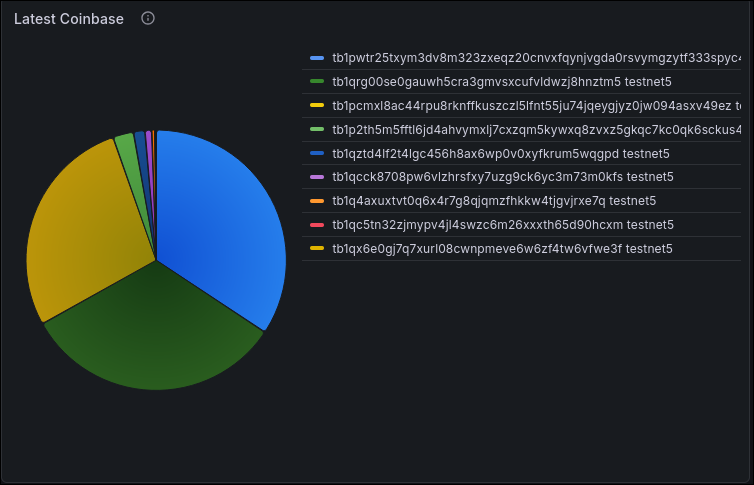
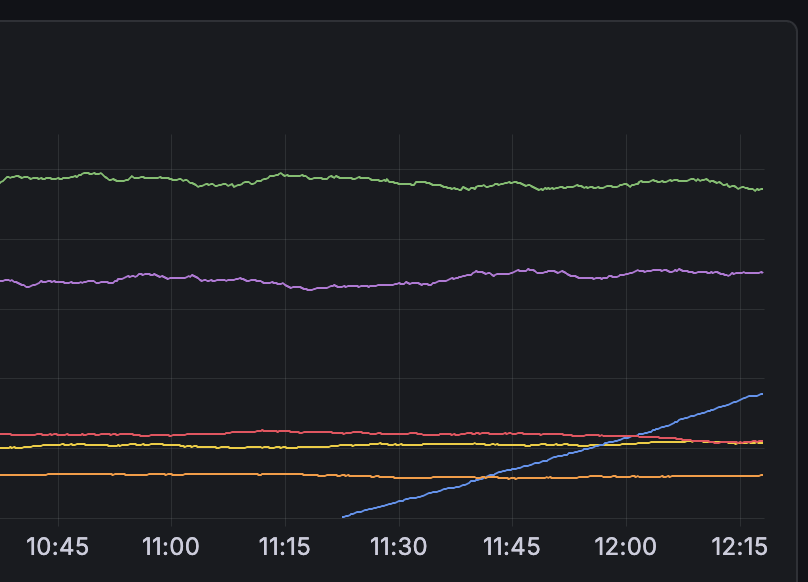
After the recent launch of testnet5, P2PoolV2 (@p2poolv2) was able to finally start mining consistently.
What is P2PoolV2, though? In this deep dive we analyze the mining pool and we explore how it aims to decentralize mining payouts.
v0.16.2 ships with DNS seed support. No more manual peer discovery — new nodes bootstrap automatically. One less friction point between miners and self-sovereignty.
Share maturity now enforced before payouts. 6048 confirmation requirement prevents paying miners for shares that could reorg out. Similar to Bitcoin's 100-block coinbase maturity, but tuned for p2poolv2's faster share chain.
Unlike centralized pools where the operator controls PPLNS parameters and can change them arbitrarily, p2poolv2's PPLNS window is consensus-enforced by all nodes. No trust required—miners verify the math themselves.
Share commitment moved to the header in PR #691. This prevents share block hash malleability and strengthens DoS resistance. Decentralized mining pools need attack-resistant fundamentals.
6 PRs merged this week: improved header sync logic, validation on resume, pinned Rust 1.99.0 for reproducible builds, plus routine dependency updates. The codebase is tightening up.
Weekly State of p2poolv2: BIP323 version rolling is now live. Miners can now use nVersion bits for hashrate optimization without breaking share chain validation — a small detail with real efficiency gains.