Nothing reminds you of the vanity of acquiring things more than having to move.
Let's leave all the clutter and clothes aside.
Even the books I love and have acquired over decades.
You really must never let your heart lie in things. Even "worthy" things like knowledge.
Peller has finally opened up about what they experienced during their UK trip and advised his colleagues not to rush into travelling to the UK. He claims they are being used to promote events and businesses without receiving proper payment, just like DJ Chicken, who allegedly ended up receiving only £500. He also warned Matta Zelle to be very careful. 😭💔
Aside from personal savings, selling property, or taking out a loan, some of us travelled when the government subsidised access to dollars through Form A. There was even the option of accessing up to $4,000 in travel allowance. Life was genuinely easier back then.
People that JAPA through self sponsorship without scholarship aid, how did you guys raise the cash at hand required for the relocation process 🙏
Self sponsorship in this sense is that you raised the funds without the support of anyone
@TeeMento The question is, will the wife hold the same position if the sick person is her brother, and will the man be willing for his wife to drop their house deposit for the in-law’s treatment? This is a test of their kindness.
President Trump has suggested the US may have gone too far in targeting Iran’s leadership, saying Washington is struggling to identify officials with whom it can negotiate.
🔴 LIVE updates: https://t.co/zjeCMhpJCd
Imagine a Nigerian construction industry expert making these same comments. They’d probably call him a bad belle or call him broke that he’s not the target audience.
Most of the people who are always quick to justify the ridiculously high house prices in Lagos are now clapping for this feedback because na white man dey talk. 😂
I think he's targeting the wrong market. The elite will buy high-end cars regardless of tariffs. The real opportunity for the local auto industry is the huge number of people buying foreign used cars, and winning them over means offering competitive prices and features that make locally made cars a serious option.
A smarter approach is to lower tariffs on new imported cars and raise tariffs on any imported used cars. Within five years, today's new imports become the country's own used-car supply, and buyers who relied on foreign used cars will find locally produced ones the more affordable choice to buy.
Any government that introduces this policy would likely lose votes.
@ayinkeoba You won’t get any value for the money they are asking you to pay. Take your time to do your own research. this account @yinkarianstocks is also popular on this app for all stocks related content.
Not all luxury is disposable.
Where you spend your time and where you choose to spend your money are reflections of who you are and who you want to become. Your choices tell a story about your priorities, values, and the life you’re intentionally building.
Subsidy Removal
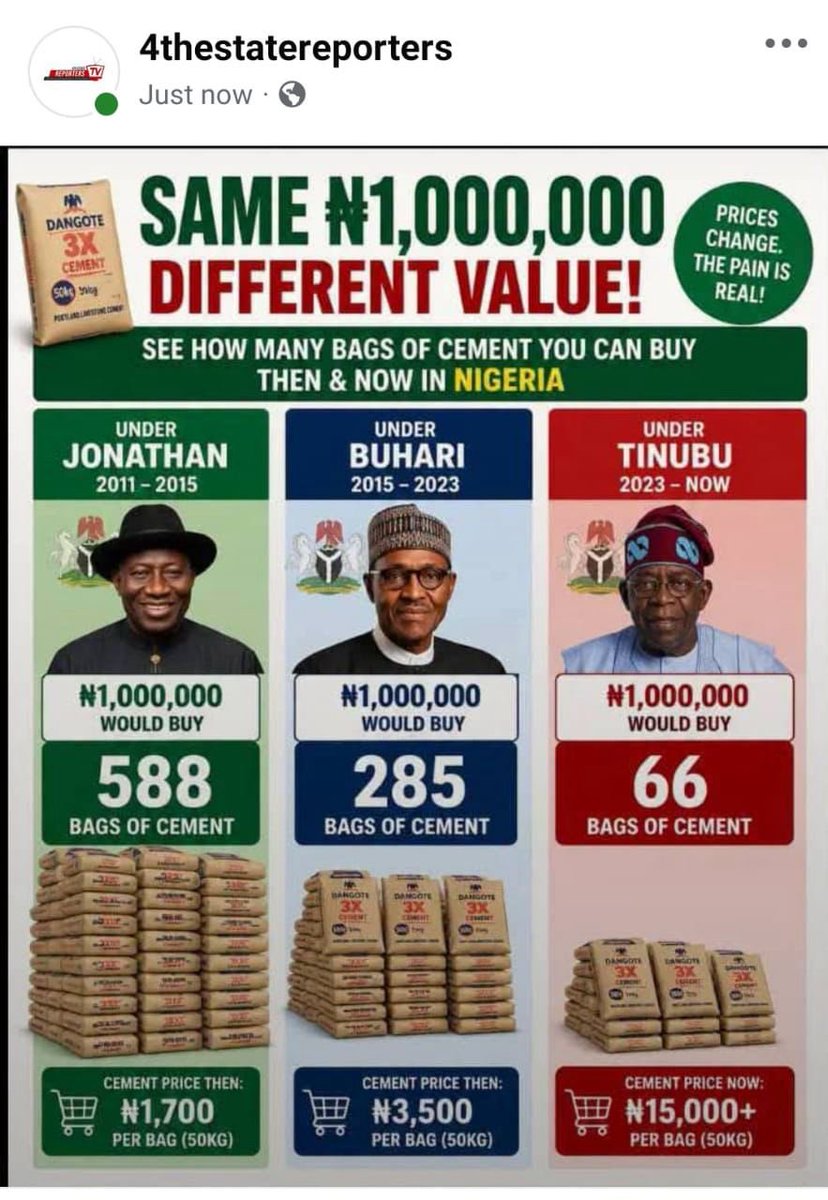
No matter who you are or which camp you belong to, I think we can agree on one thing: the subsidy system, as it existed, did not benefit the average Nigerian as much as it should have.
The government can make an economic argument for removing the subsidy. It can point to the amount of money being spent, the alleged leakages, fuel being smuggled across neighbouring countries, the difficulty of properly auditing the system, and the fact that the subsidy was not adequately provided for in the previous administration’s budget. Those are legitimate issues that needed to be addressed.
But if the subsidy had to go, the bigger question should have been: what was going to cushion the shock for ordinary Nigerians?
That part was poorly handled.
The removal of the subsidy took away a benefit people had become accustomed to, but the savings have largely gone through government structures, including allocations to states and local governments, while Nigerians are being asked to endure the rising cost of living.
Why couldn’t more of the savings be channelled into things that directly reduce the cost of living? Why not invest heavily in electricity, transport infrastructure, healthcare or other areas that would give people tangible relief?
Take electricity, for example. Instead of simply asking Nigerians to pay more, why not use some of the savings to build infrastructure that makes reliable electricity affordable for everyone, rather than creating a system where you pay more to enjoy relatively consistent power because you’re in Band A?
The fundamental issue is what happened to the money saved from subsidy removal?
If Nigerians are being asked to make sacrifices, they need to see a clear and measurable return on those sacrifices.
And this is where politics becomes interesting. If Atiku or any opposition candidate can communicate this issue in a way that an ordinary Nigerian can understand, not with complicated economic terminology, but by clearly answering “What did I lose, what did the government save, and what did I get in return?” it could resonate strongly with voters.
Because ultimately, all the economic explanations and big grammar in the world won’t mean much to someone on the street who simply wants to know why life has become more expensive and what they are getting in return for the sacrifice.