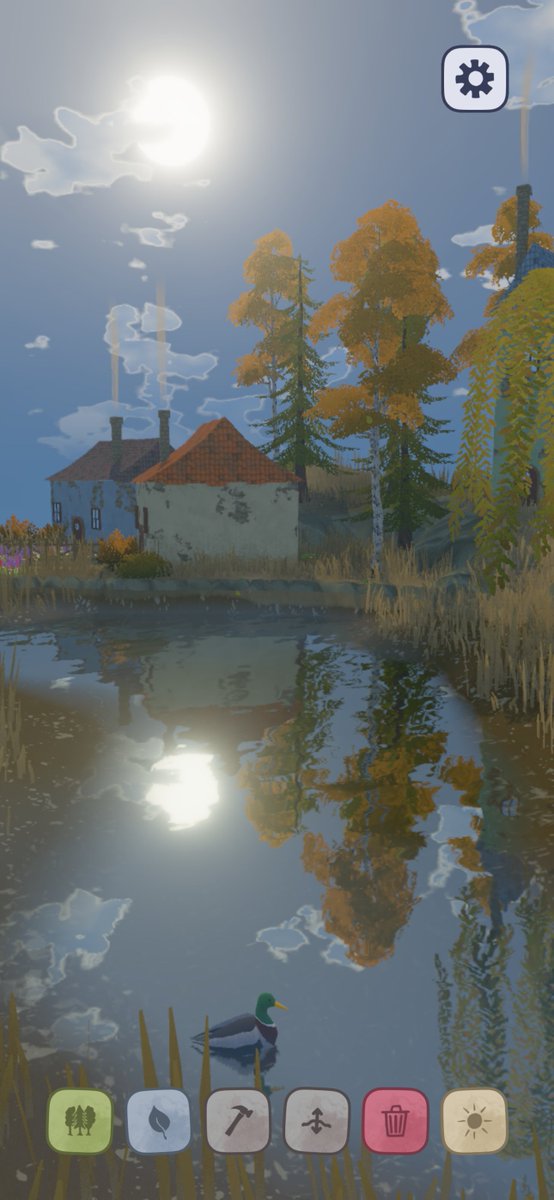
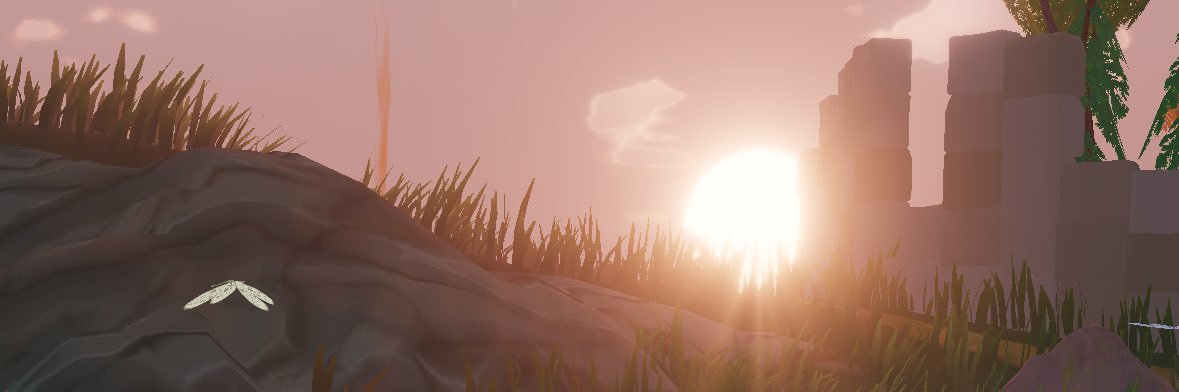
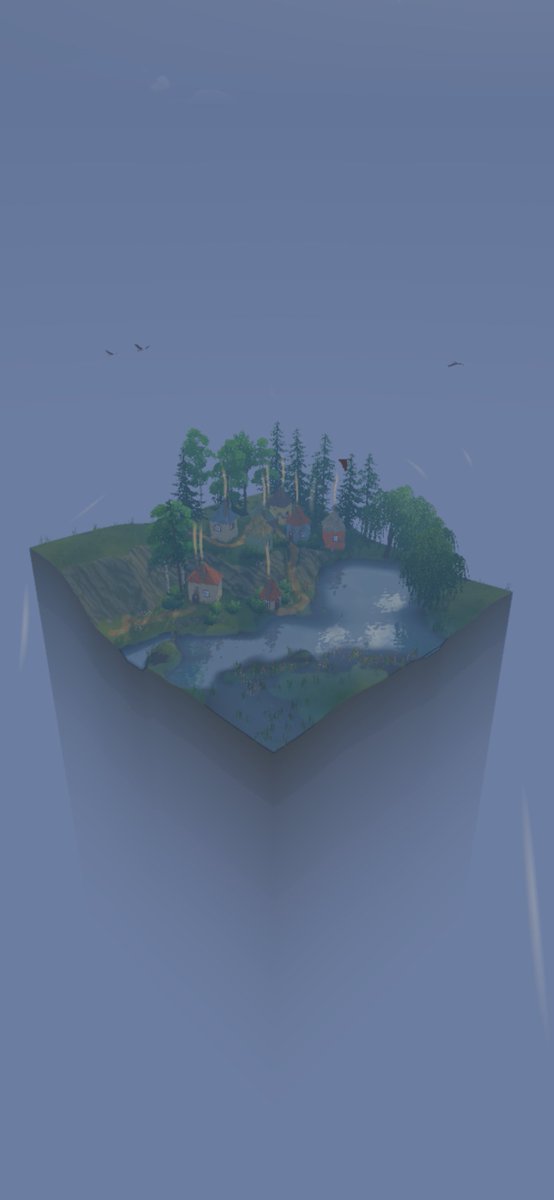
After more than a year, I finally found some time to sit down and work on an update to my tiny iOS game. I have to say, it went smoother than I expected, so you should probably see some more updates in the near future, or at least sooner than a year from now, I guess.
#indiegame#indiedev#gamedev
Summary of the First Month
As it’s been a month since the release of my first tiny game, it’s time for a little summary. The game is written from scratch, in my own custom “engine,” using Swift/Metal, and is available on iPhone/iPad. All (almost all—one rock model was acquired from an external source) models, most of the sounds, textures, etc., were created by me. “An exercise in futility,” one might say.
A Brief Historical Outline
The main development of the game took place over the last three months, due to the fact that the company I was working for reduced itself practically to zero. I decided to use this opportunity to switch to full-time work on my own game. The “engine” itself, along with the game, began to be developed much earlier; the first code was written almost exactly two years ago. However, I can’t say that over those two years the project was developed very intensively, mainly due to a lack of time after my “real” job.
How Did It Go?
Since its release—in the last month—the game has earned $102 (around 30 copies). From this amount, you need to subtract Apple’s cut (15%—Small Business Program), 12% tax, and mandatory social insurance, which you have to pay monthly as an entrepreneur (about $500). It’s also worth remembering that I owe most of the first month’s sales, after all, to family and friends, so the next month will most likely be significantly worse in that regard. In the end, I earned about -$450.
And How Would I Have Liked It to Go?
The absolute minimum plan that would allow me to continue working full-time—and for my family not to starve—on this and subsequent games involves (involved?) selling 7,500 copies at $3 each over the course of a year, which gives $22.5k before taxes and other costs, finally yielding about $11k net per year. That’s about 6 times less than I would earn simply inserting color-filled rectangles in #SwiftUI for some company, and probably about 15 times less if I were inserting those rectangles for a U.S. company.
And What About Marketing?
Over the past year and a half, I’ve posted about 100 times on Twitter, mainly showcasing progress in the development of the engine and the game. These posts averaged about 100 views, but that’s how it goes when you have 30 followers, most of whom are OF bots. So one could say that marketing didn’t exist at all, and unfortunately, this is a problem that affects probably most indie developers. Right after releasing the game, I launched an advertising campaign using the startup funds offered by Apple Search Ads. To date, I’ve spent $42 of the $100 offered by Apple, which generated 3k impressions, 46 taps, and 1 installation.
What’s Next?
Most likely, I’ll be looking for a full-time job inserting rectangles and nicely displaying values from JSON, and in the meantime, I plan to release a few patches for Treenervate (1.1.3—work in progress), continue developing my little engine, and after the new year, start working on another game. “Never kill yourself,” or something like that.
Fun Fact
After I sold 8(!) copies in Poland, Treenervate reached second(!) place in the App Store in the Casual category in Poland, which translated into 0 additional copies sold.
I just released Meadowfell, a relaxing open world exploration game on iOS. No quests or combat. Just a peaceful, procedurally generated world.
Download on the App Store: https://t.co/wNPcTAUt6i
If you enjoy it, please share to support a solo dev❤️
#screenshotSaturday#procgen
Wilderless : Relax in a vast, natural open world. No enemies. No quests. Just miles of beautiful untamed wilderness to explore. Retweets appreciated❤️
iOS: https://t.co/uQiVN9osC4
Android: https://t.co/3EWdxVUTVM
Steam: https://t.co/PUP03sB7r6
#Wilderless#openworld#indiegame