Aging is inevitable—growth is a choice. X = time (age), Y = knowledge (learning). The more you learn, the wider your vision—revealing more opportunities, shown as triangles. Stop learning, and you won’t even know what you’re missing. #Foodforthought
Natal menjadi salah satu momen yang ditunggu-tunggu oleh umat kristiani di seluruh dunia. Mari menyambut momen yang penuh kasih dan suka cita ini dengan Spirit of Unity.
*Elektabilitas PSI menurut Litbang Kompas*
Agustus: 0,8%
Desember: 2,6%
Belum sampai 4%, namun terjadi trend kenaikan melebihi 3x lipat. Musim politik belum selesai, garis finish sudah semakin dekat, hilal ke Senayan sudah makin nampak. Mari lari lebih kencang, @psi_id!
Salah satu Caleg DPR RI yang sangat pantas masuk ke Senayan untuk kembali "mengacak2 anggaran" di DPR RI neh setelah DPRD DKI
Buat yang domisili KTP Jakbar Jakut dan kep Seribu pastikan coblos @p_winza kalo mau DPR RI nanti kelahi terus yah 🤣
Hi Bro dan Sis, setelah melewati proses doa, dan kontemplasi yg cukup panjang.
Dengan ini saya mengumumkan bahwa kali ini saya maju sebagai Caleg DPR RI untuk seluruh wilayah Jakarta Utara, Jakarta Barat dan Kep. 1000.
Saya mohon dukungannya dgn mendonasikan 1detik waktu dgn me RT, donasi waktu 1detik anda merupakan bentuk partisipasi kita semua utk Indonesia yg lebih baik.
Semoga sekembalinya saya dari Harvard, saya bs kembali mengabdi utk mewakili cakupan masyarakat yg lebih luas lagi di DPR RI dibandingkan dengan ketika saya menjabat di DPRD DKI.
Hi Bro dan Sis, setelah melewati proses doa, dan kontemplasi yg cukup panjang.
Dengan ini saya mengumumkan bahwa kali ini saya maju sebagai Caleg DPR RI untuk seluruh wilayah Jakarta Utara, Jakarta Barat dan Kep. 1000.
Saya mohon dukungannya dgn mendonasikan 1detik waktu dgn me RT, donasi waktu 1detik anda merupakan bentuk partisipasi kita semua utk Indonesia yg lebih baik.
Semoga sekembalinya saya dari Harvard, saya bs kembali mengabdi utk mewakili cakupan masyarakat yg lebih luas lagi di DPR RI dibandingkan dengan ketika saya menjabat di DPRD DKI.
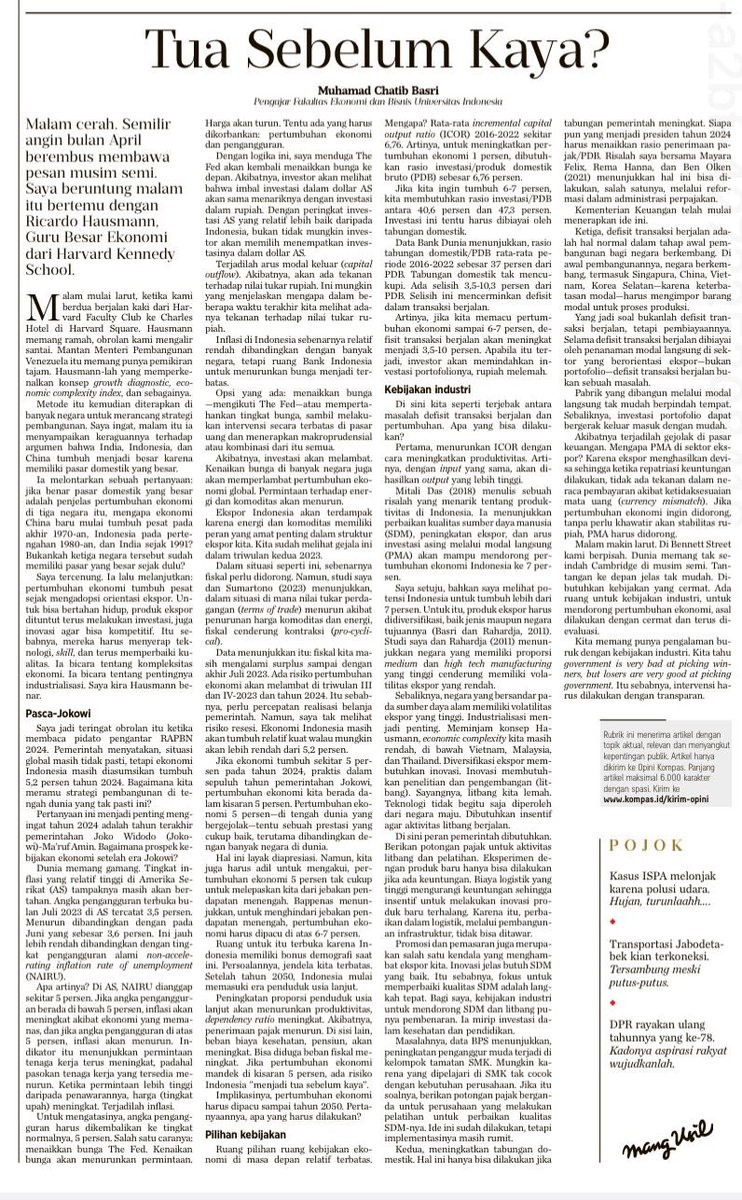
Karena banyak yang menayakan ke saya apa yang dibutuhkan untuk tumbuh 6-7% seperti janji para kontestan pemilu. Saya posting ulang artikel saya di Kompas 30/8/23 “Tua Sebelum Kaya”
https://t.co/yEn3pPHOCY
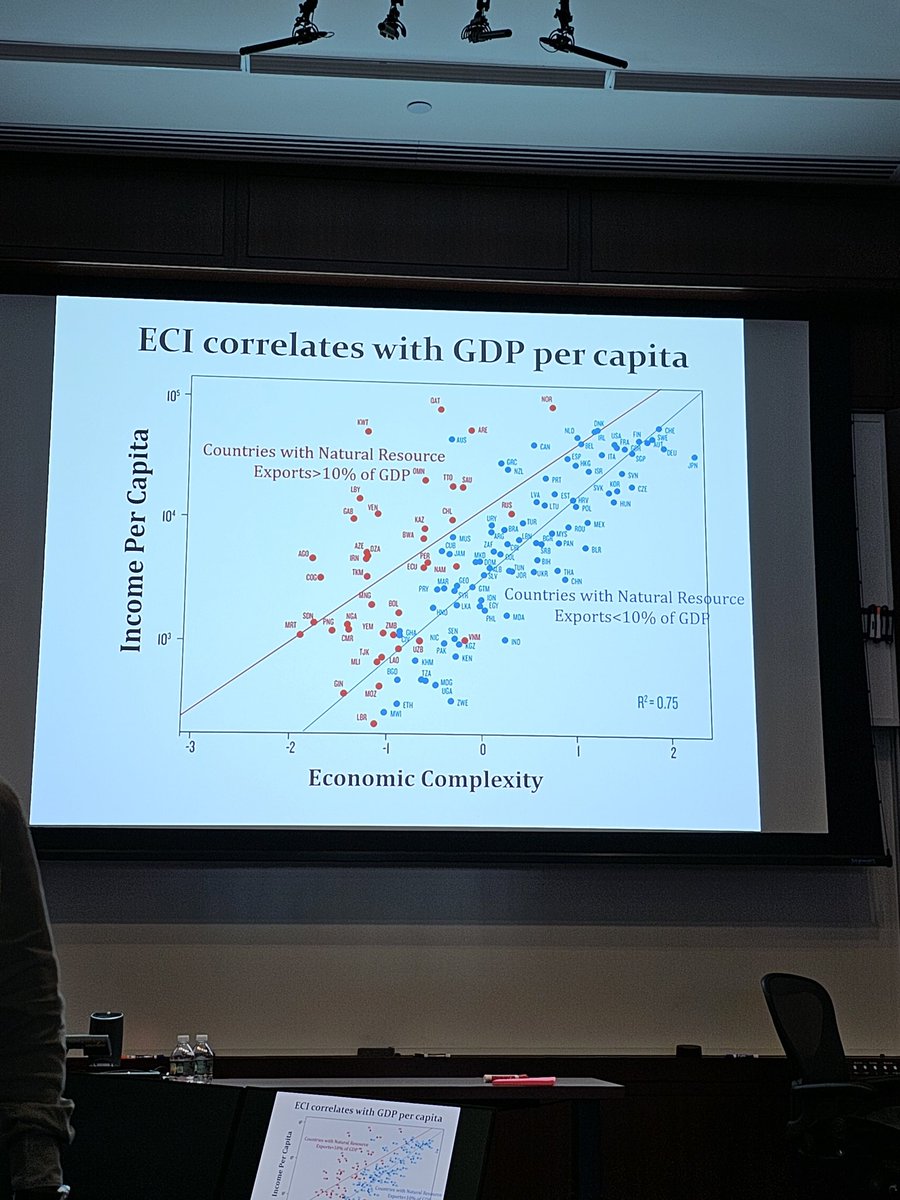
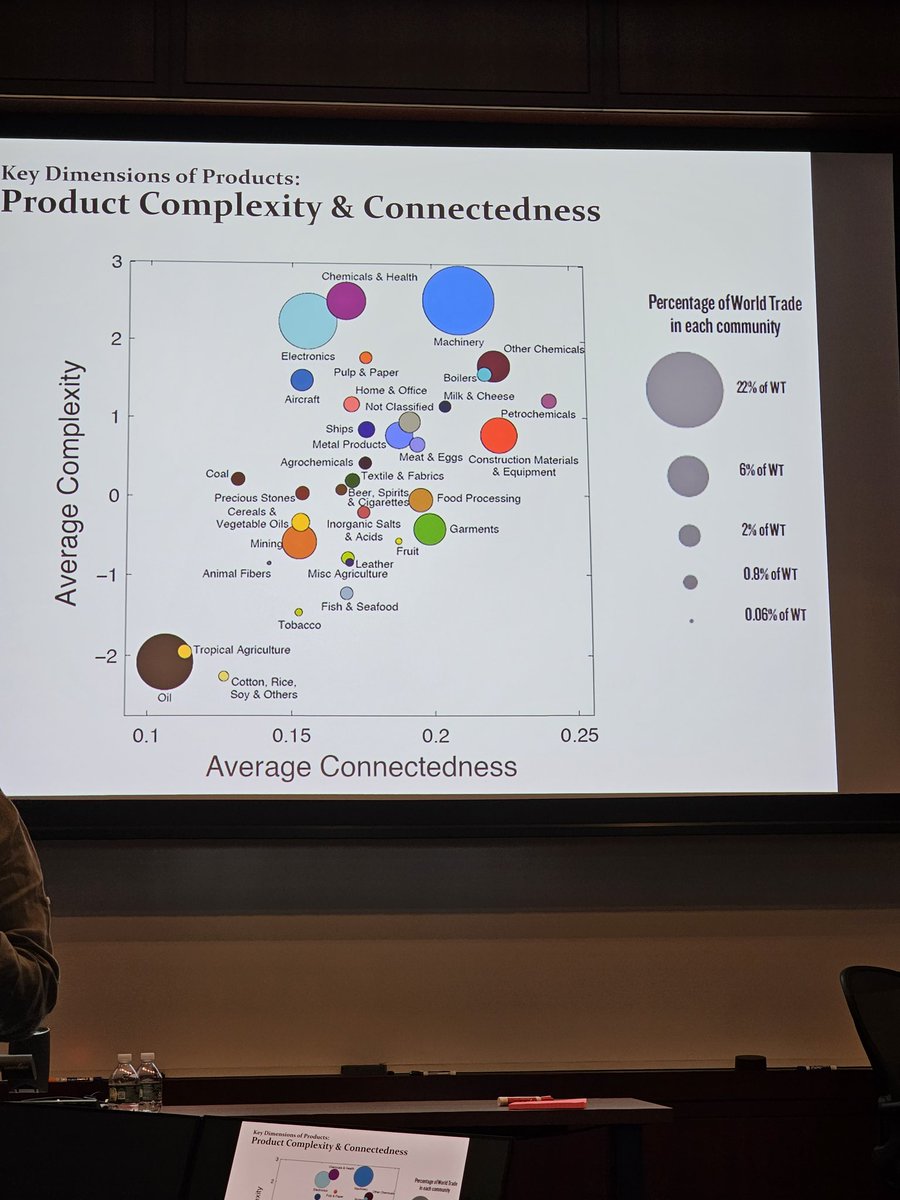
Ibarat Scrabble board game, semakin byk alphabet yg dimiliki suatu negara, semakin byk jenis brg yg bs diproduksi, dan semakin kompleks juga ekonominya, ada korelasi kuat antara Economic Complexity dgn Income per Capita (materi kelas Prof. Hausman di Harvard) #foodforthought 🤔
Bagaimana @psi_id bertransformasi menjadi partai yang lebih menyenangkan bahkan emak2 pendukung Capres Amin saja sampai memuji kiprah mereka.
Respon yang berkelas mengikuti arahan Jokowi : demokratis hargai perbedaan pilihan.
2024 ke Senayan ini sih
What is Causal Inference?
Causal Inference is a new science of causation. This field is nothing less than a revolution in how scientists understand data. Read on to learn more.
This is the first post in a series based on the Book of Why by Judea Pearl. I will be reading the book and sharing the big insights with my followers.
When I first started learning causal inference, I didn't have a clear idea of the problems that casual inference was trying to solve. My misconceptions made it harder to understand the material than it would have been otherwise.
So, before we get into the ideas of the book, I want to help you avoid these common misconceptions.
1. Causal Inference is NOT just regular science
All sciences strive to infer causes within their domain of expertise. Therefore, it might not be obvious to you what makes casual inference any different. This is the reason why I sometimes call this new field mathematical causal inference. This term emphasizes that what sets causal inference apart is the mathematical framework it uses to describe causation.
2. Causal Inference is NOT directly about inferring causes
Based on the name, new learners often think causal inference is solving the following problem:
Given a list of candidate variables, how can we select the ones that have a real causal effect on our outcome of interest?
This is not what causal inference does. Causal inference is solving a different problem:
Assuming our beliefs about the causal relationships between all the variables is accurate, what is the best estimate of the causal relationship between a particular candidate variable and the outcome of interest?
Very roughly speaking, causal inference tells us whether based on our causal beliefs, the association between two variables is bigger or smaller than their true casual relationship.
3. The Example of Alice and Bob
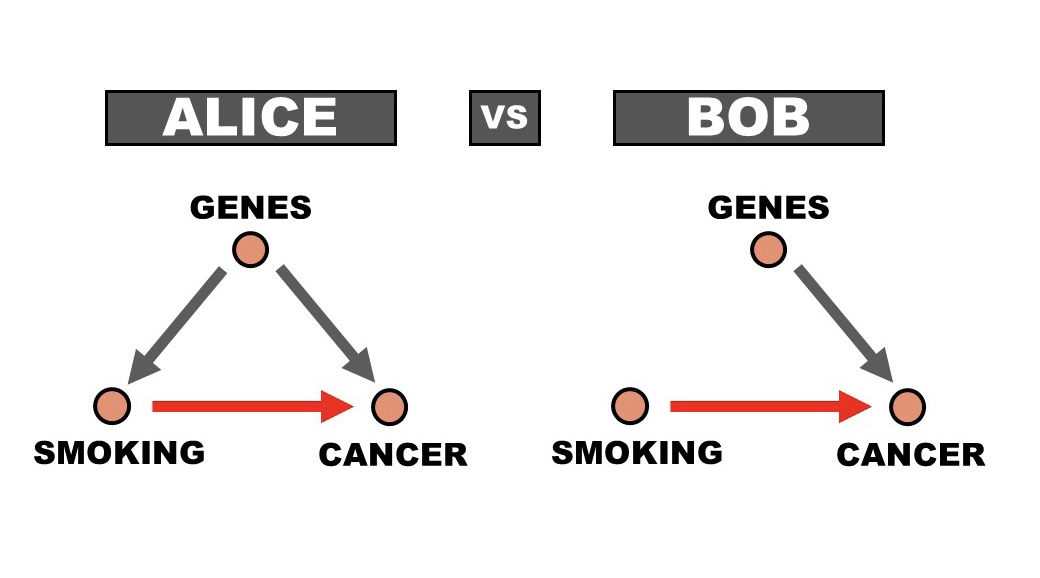
Alice thinks genes strongly affect addictive behaviors like smoking. She also thinks genes have an effect on who gets cancer. Bob agrees that genes very likely have an effect on cancer, but Bob thinks complicated social behaviors like addiction are completely due to social factors, not genes.
Causal inference allows us to evaluate the same data according to both Alice's and Bob's beliefs about the underlying causal relationships. This allows for various outcomes:
1. Avoiding unnecessary arguments. If Alice and Bob get very similar estimates for the causal relationship between genes and cancer, this implies that the disagreement about the relationship between genes and behavior is not that important. This allows scientists to move forward by focusing on the factors that really matter.
2. Agreeing to disagree. If the difference in estimates of the casual relationship between genes and cancer is large, causal inference allows both Alice and Bob to continue to explore the same data according to their very different assumptions about the causal relationships. This gives scientists and policy makers autonomy to pursue different interpretations of the same data.
4. Casual Inference builds doesn't replace statistics. It makes it more powerful.
Causal inference allows us to adjust our statistical estimates of the strength of particular casual relationships based on our beliefs about the casual relationships between the variables. This is why some experts in causal inference (like the epidemiologist @epiellie) prefer to use the term causal effect estimation to refer to the field causal inference.
That's it for now. My next post (coming soon!) will explore how causal inference creates a mathematical model of causation and what makes this approach so special. (You can find these posts using the hashtag #KareemReads)
Follow me (@kareem_carr) for more content like this. If you want to show support, like and retweet the thread.
Artikel saya di Kompas 30 Agustus 2023, “Tua Sebelum Kaya?, Kedepan ekonomi Indonesia harus tumbuh 6-7% untuk menghindari middle income trap, bila mandek di 5%, ada resiko kita menjadi tua sebelum kaya https://t.co/oGesNyC4SS