Assoc. Professor, Institute for Archivistics, Library and Information Science, OsloMet + Postdoc, Nord University. + Chair, Norwegian Sociological Association.
Jury's out on whether US will be a coherent oligarchy, a chaotic plutocracy, or the monarchy of Donald Trump's dreams. But it is amazing how establishment Democrats are panicked by @SenSanders yet offer no serious response to the crisis of democracy.
We Shouldn’t Be Afraid to Call the US What It Really Is: an Oligarchy https://t.co/UFX1S4K62Z
No, the meeting did not go badly for Ukraine. It exposed in the most undeniable, unequivocal way possible the pro-Putin commitments of the president and vice president. That was information Americans and allies needed to have clear before them.
There has never been anything like this. Trump and Vance look like children talking about accommodating Putin. Zelensky holds his ground and defends his nation… and the free world.
Det nye masterprogrammet i arkiv-, bibliotek- og informasjonsvitenskap lanseres studieåret 2025-2026 og tilbyr fordypning i dokumentasjonsforvaltning og arkivvitenskap. Det er også mulig å ta enkeltemner. https://t.co/CbuaAz8rHb
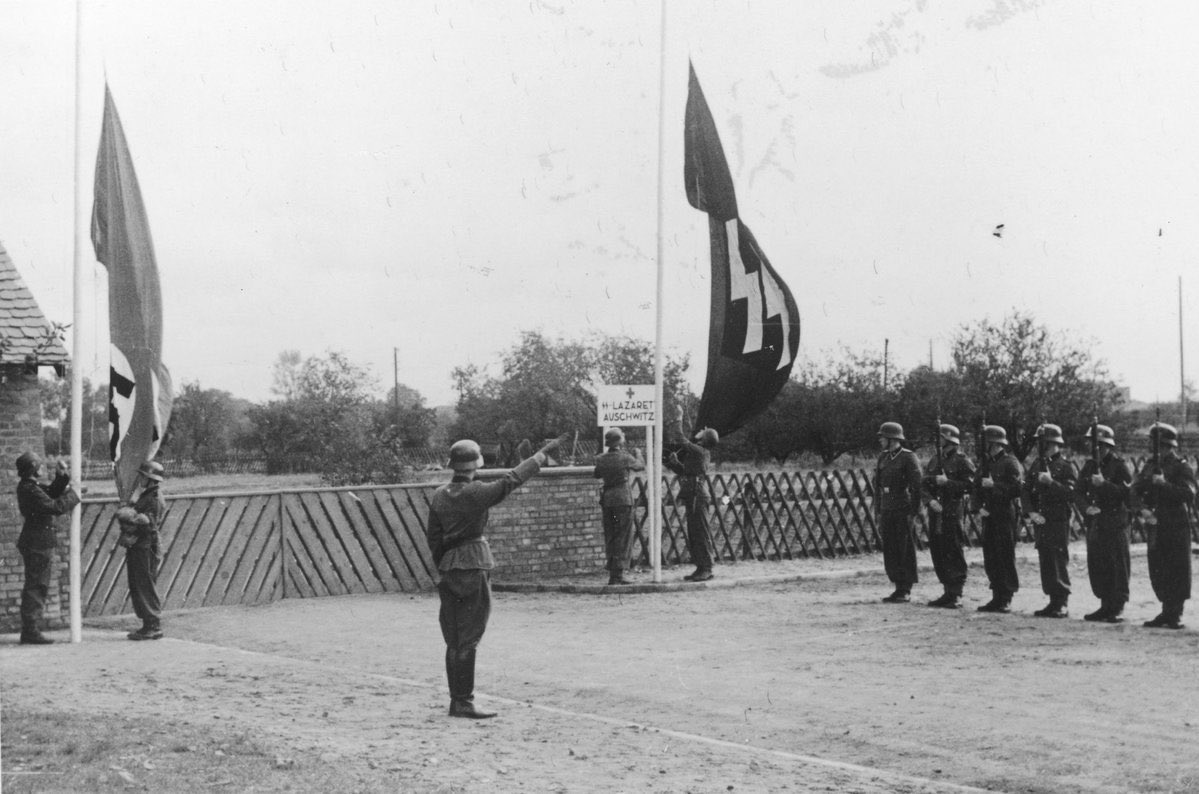
The infamous Hitler salute was one of the key visual symbols of Nazism.
This salute, ingrained in history as a representation of oppression, dehumanization, violence, and unimaginable suffering and murder, is far more than a physical gesture; it’s a reminder of a dark era of humanity, defined by antisemitism and other ideologies of hatred.
It is an emblem of the Holocaust and other horrifying crimes perpetrated by Nazi Germany, along with such symbols as a swastika, a Totenkopf (death's head) or runes that shape the name of the SS.
Sensitivity to these historical contexts is essential, as such gestures and symbols, even used unintended, resonate and evoke distress, particularly for those who bear the scars of that tragic history.
In the picture: Inauguration of the SS hospital at Auschwitz II-Birkenau.
Our online lesson presents basic information about the Nazi ideology: https://t.co/1Y4QIvblBF
✊🇪🇺 “Enough of Fico,” “We are Europe.”
🇸🇰🪧 Around 60,000 turned up in Bratislava’s Freedom Square (4x more than two weeks ago) to protest Slovak PM Robert Fico’s pro-Kremlin government.
This sight of tens of thousands of phone lights is just amazing.
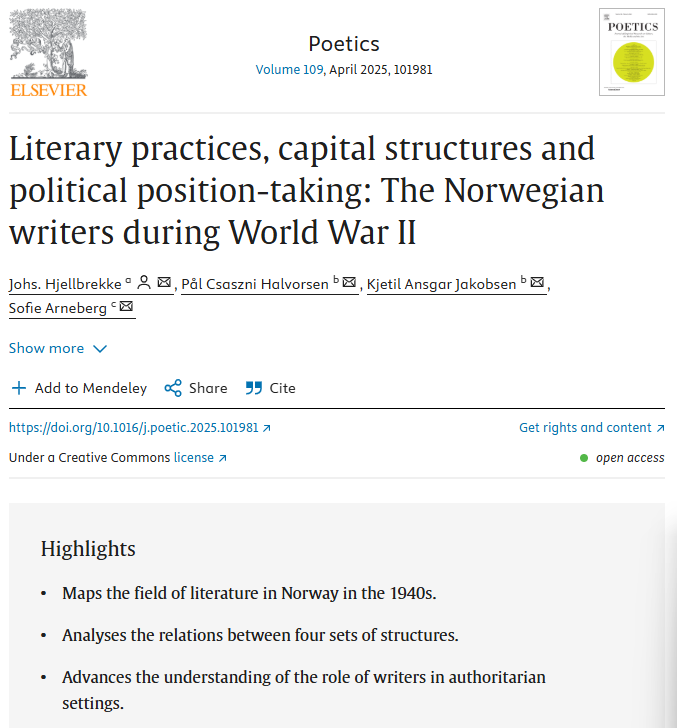
How do writers respond to authoritarian developments? Are they canaries in the coal mine? In this new article we research the case of the response of writers to the German occupation of Norway, 1940–45. Historical sociology meets sociology of literature! OA, link in next
Honored to work with Johs. on this about Norwegian writers during World War II. We have analyzed the reactions of 308 writers to the German occupation of Norway - you might know the case of Hamsun, but here you’ll get to know the landscape around him as well!
Hot off the press - a piece of historical sociology. Just published online (Open Access) in "Poetics":
https://t.co/varQN8QMcN
"Literary practices, capital structures and political position-taking: The Norwegian writers during World War II."
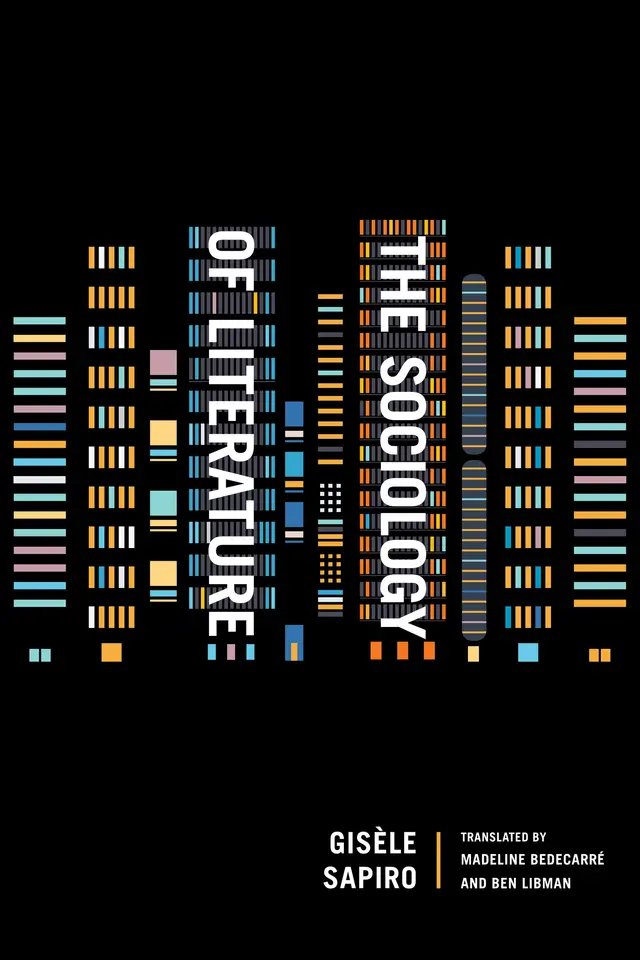
‘Sapiro therefore repeatedly addresses questions of the relevance and accessibility of empirical material together with appropriate methods for their analyses’
Read @janvana12's review of The Sociology of Literature below.
https://t.co/ynJpYXpQGT
"Raus uføretrygd" - de som mener at uføretrygden i Norge er raus lever neppe et liv som er økonomisk i nærheten av det til en som lever av uføretrygd.
God kronikk her, som ellers får frem at unge ikke faller utenfor arbeidslivet: https://t.co/L2832f9bpl
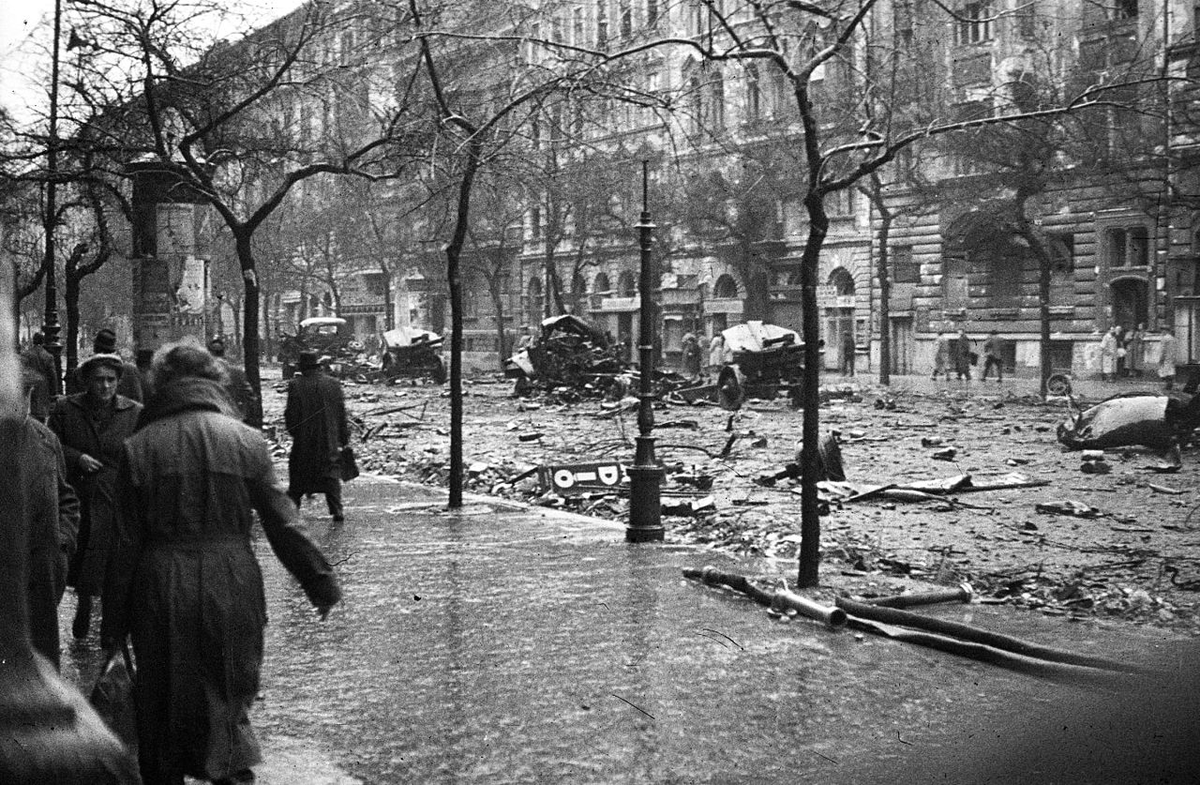
In Hungary, November 4 is a national day of mourning – the day Soviet troops crushed the 1956 revolution. Today, a lead researcher of the Orbán government's recently established, Russia-inspired Sovereignty Protection Office called the revolutionaries "fools" for fighting back...
���️Reminder: Hungary's parliamentary elections are in 2026, and Orbán's ruling Fidesz party has now been overtaken in polls by the opposition. How the EU and Western countries respond to the Georgian regime's election rigging will have implications for Hungarian democracy as well.
The brutal crushing of the revolution took place 4-11 Nov. The rebels were hoping for Western aid until the very last moments, but it never came. Alone, they stood no change against the massive Red Army.
Of course the international community was very sorry.
I radioen for å diskutere demokratisk potensial i sosiale medier og hvordan det står til i norsk offentlighet med blant annet Kjersti Løken Stavrum. Kan røpe at min stilling er kritisk og avventende, dessuten er alle medier sosiale! https://t.co/g6Dz5YdFgC
"The notion that a conclave of learned Scandinavians decides which writer matters most each year seems quaint, if not absurd, writes A.O. Scott, a Times critic at large." - Say what?
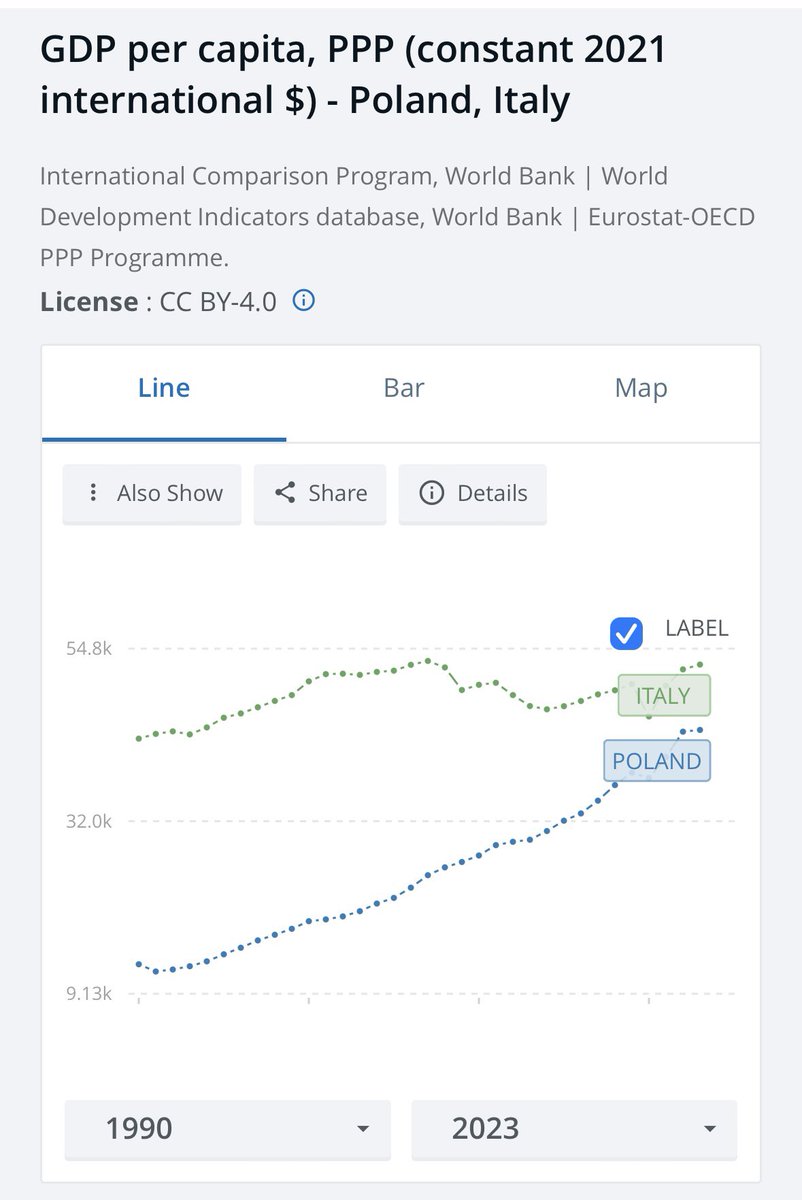
Wow 🤯👇It’s absolutely shocking to learn that Draghi’s report was not based on a single talk with anyone from Central and Eastern Europe, including from Poland 🇵🇱 , which has increased its GDP pc PPP by 3.5 times since 1990, more than anyone else in Europe and in the world (since at least 1992, among peer countries). It shows ignorance of Western Europeans and apparent irrelevance of Eastern Europeans. This needs to change asap. Suggest for CEE countries to write its own “Competitiveness Report for the EU 🌍”, which would likely be more justified than a report written by countries that have been largely economically stagnant over the past decades👇@ecfin@EU_Commission@Bruegel_org
🙏 I'm honored to receive the Free Media Award 2024 along with such brave and excellent journalists from 🇺🇦🇦🇿🇬🇪🇷🇺🇧🇾– many of whom, like Larysa Shchyrakova, Mikhail Afanasiev or Abzas Media's team, couldn't be present here in Oslo as they're in jail. More: https://t.co/e2hbxJvH9D