Career pathways of Energy and Sustainability (E&S) and Sustainable Energy Technology (SET) Energymasters students, University of Southampton. https://t.co/WbpKYFxAjP
I'm excited to announce that @unisouthampton has been awarded a UKRI AI Centre for Doctoral Training on "AI for Sustainability" (SustAI for short).
We'll be training 70+ PhD students in applying AI for sustainability, as well as making AI itself more sustainable.
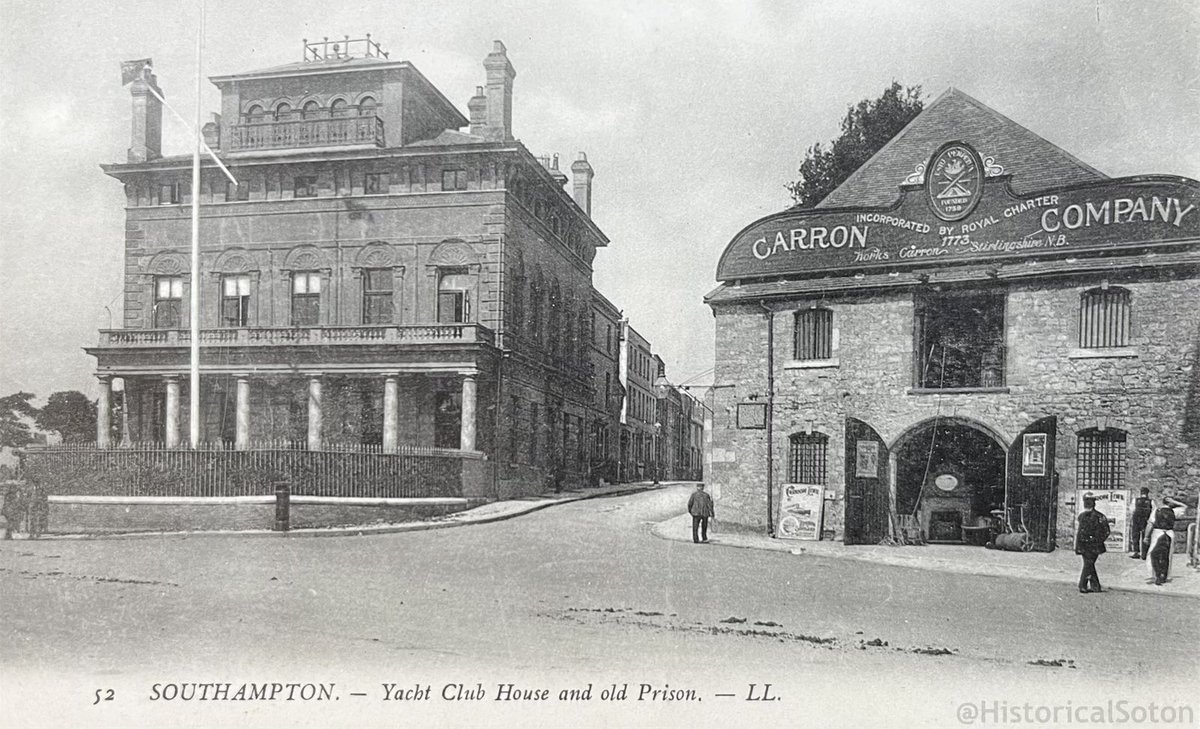
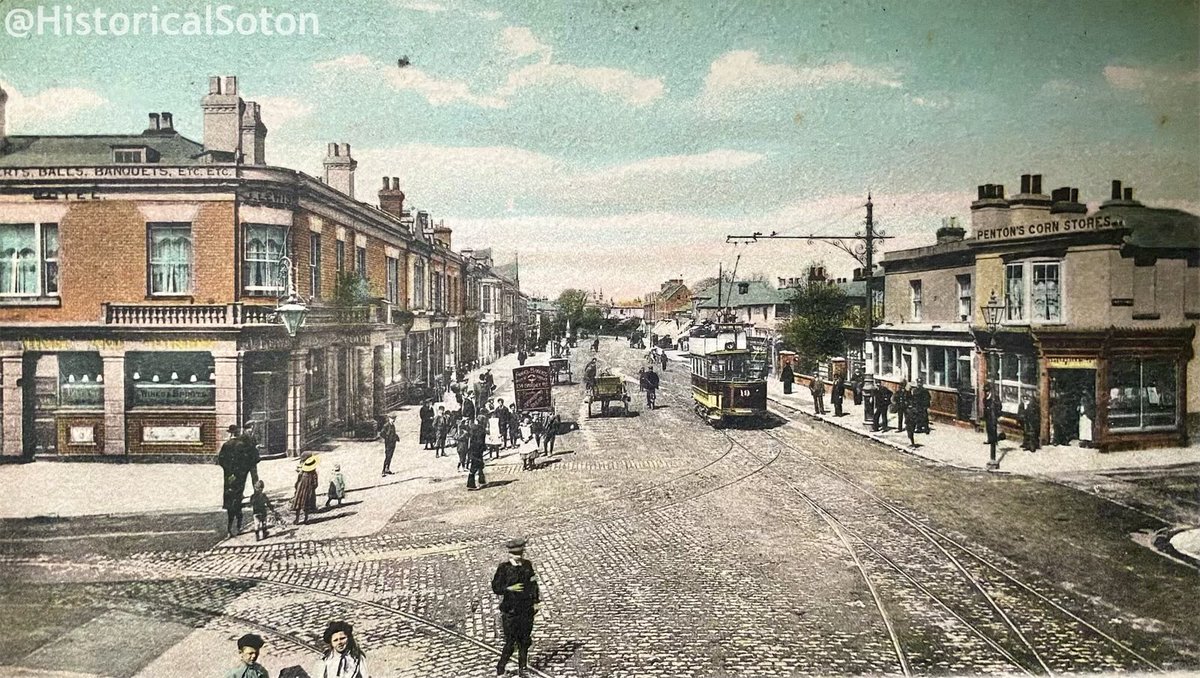
Town Quay. The Royal Southern Yacht Club building and the Wool House, which was built in the late 14th or early 15th century to store wool for export. Here, in the early 1900s, it’s being used by the Carron Company, famous for their Scottish ironworks. It’s now @DancingManBrew.
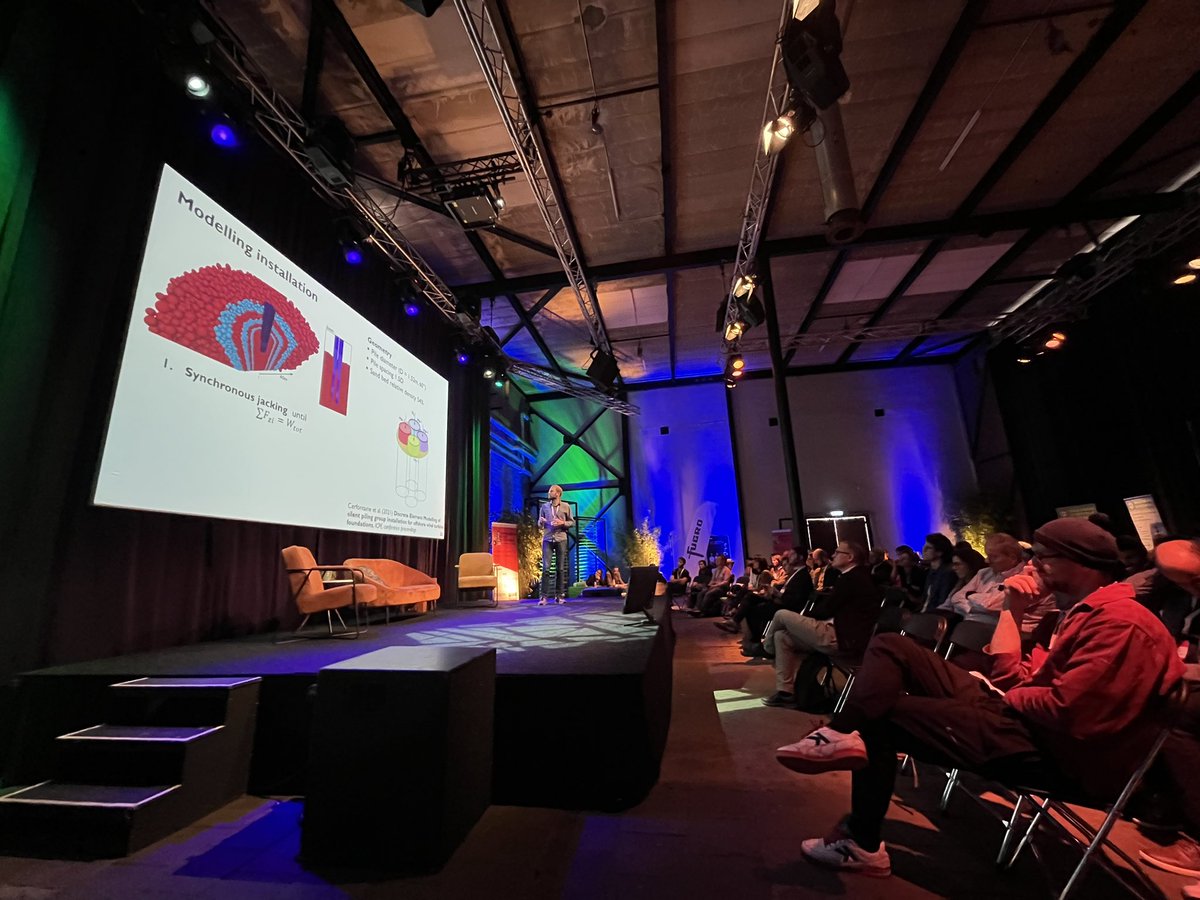
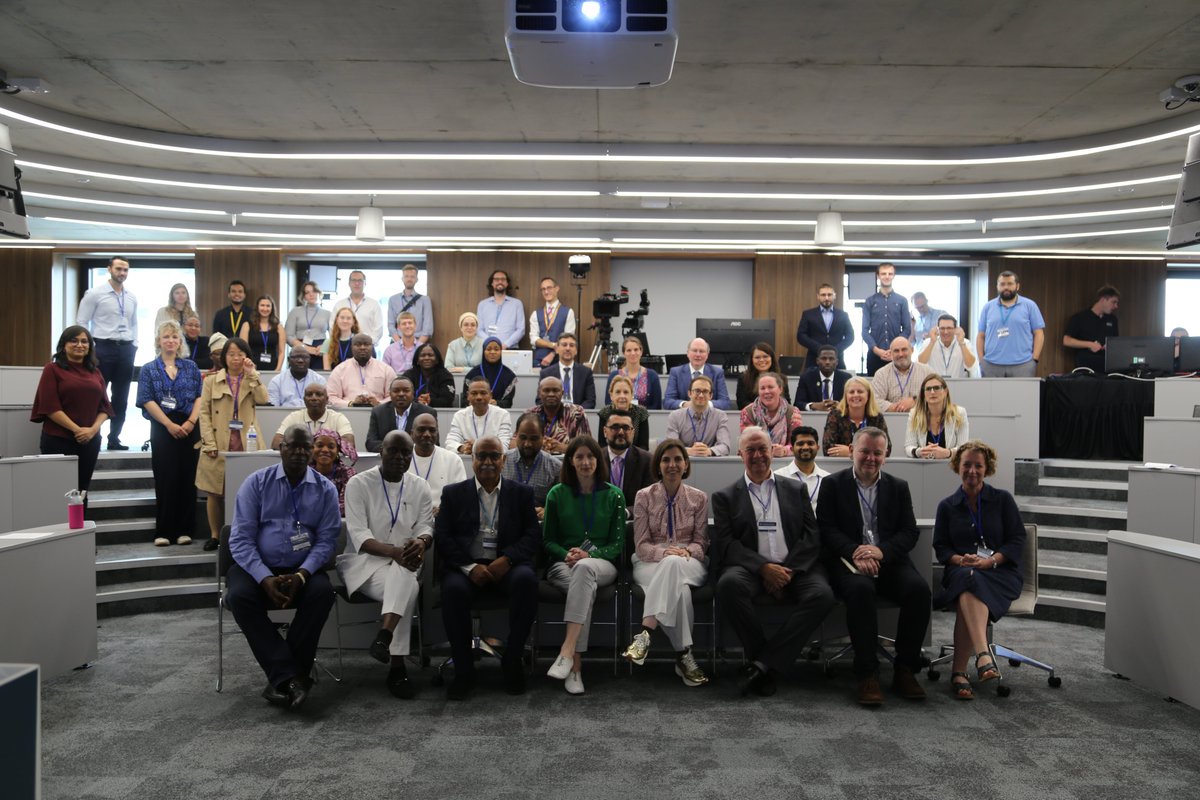
Congratulations to @HeriotWattUni’s Dr Melis Sutman and to @unisouthampton’s Dr Benjamin Cerfontaine on their Bright Spark Lecture awards, given by the @ISSMGE to our rising stars on Energy Geotechnics during the 3rd International Symposium on the topic. https://t.co/ApY6KpZw1B
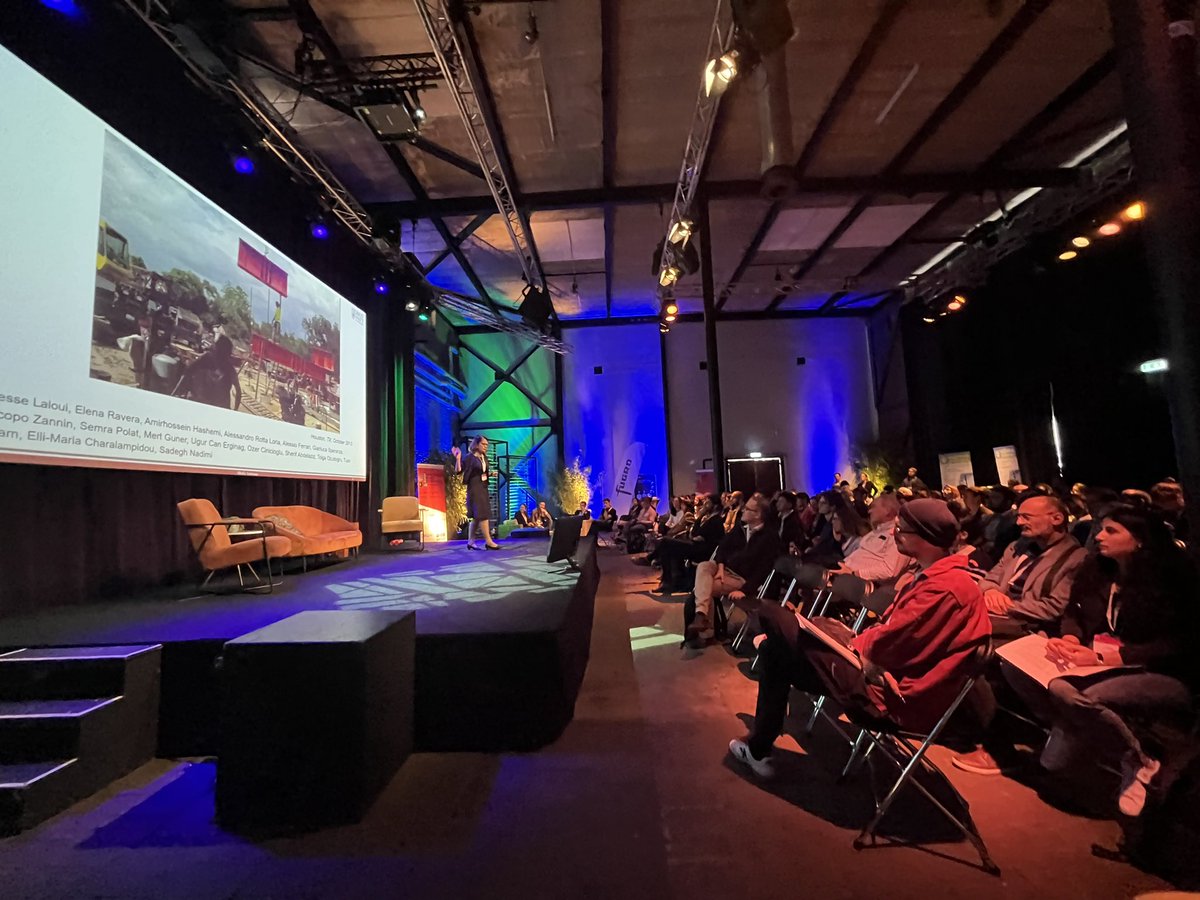
The crew of day 2 of ICEC2023, including panels and presentations covering urban liveability, systems and infrastructure in the UK, Iran, Nigeria, Palestina, Kenya, Saudi Arabia and Abu Dhabi #cities#NetZero#liveability#Wellbeing
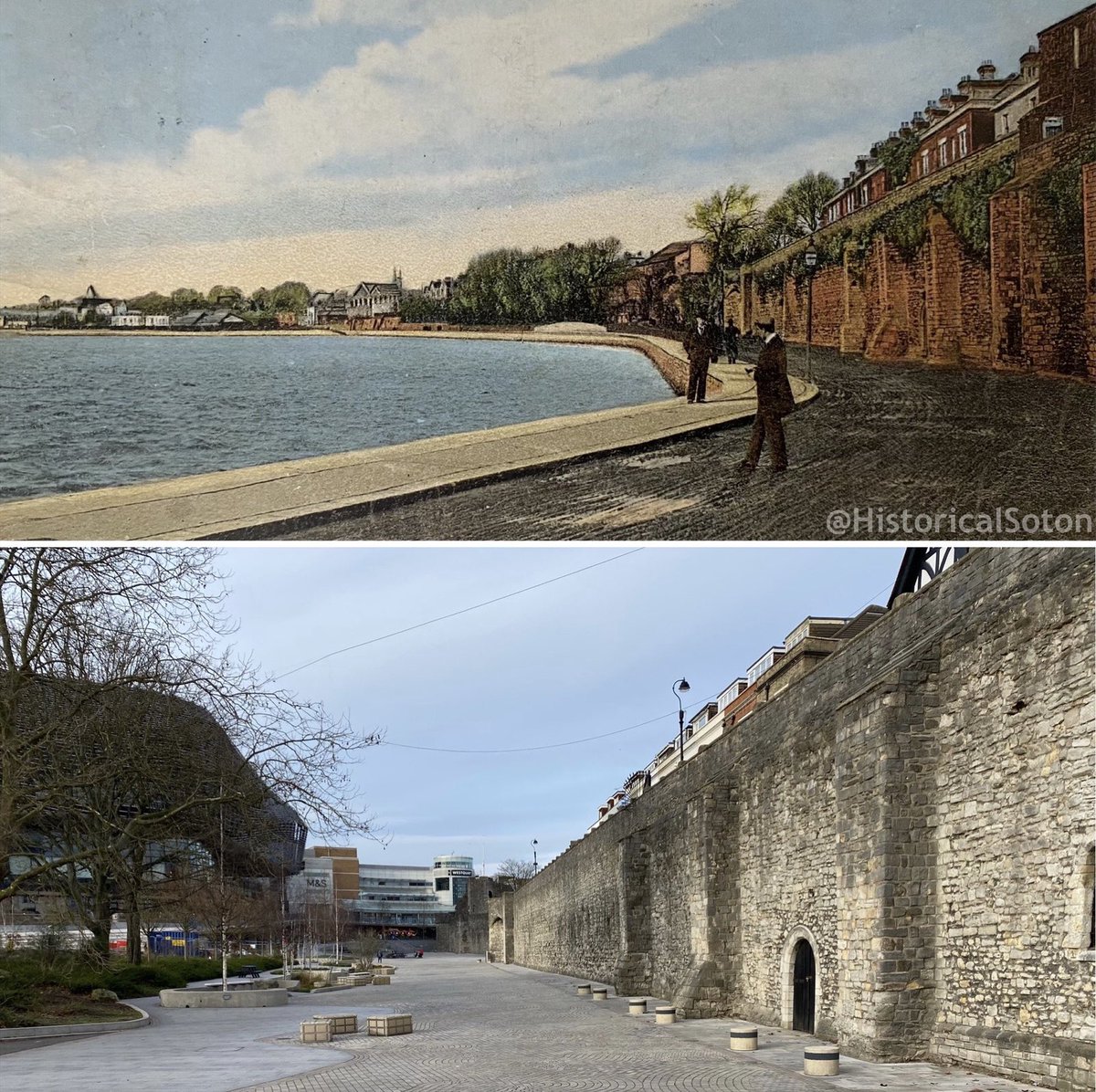
Prof William Powrie from @UoSEngineering raising the issue of access to the waterfront in Southampton. What can we do differently? How does a city with accessible green and blue spaces look like? #cities#planning#watefront
New Paper! A residential emissions-based carbon levy: city and neighbourhood consequences By @dataknut
Housing stock simulations in the City of Southampton, UK, are used to explore whether a local carbon levy could pay for retrofits at a local level. https://t.co/UshQeYzdyp
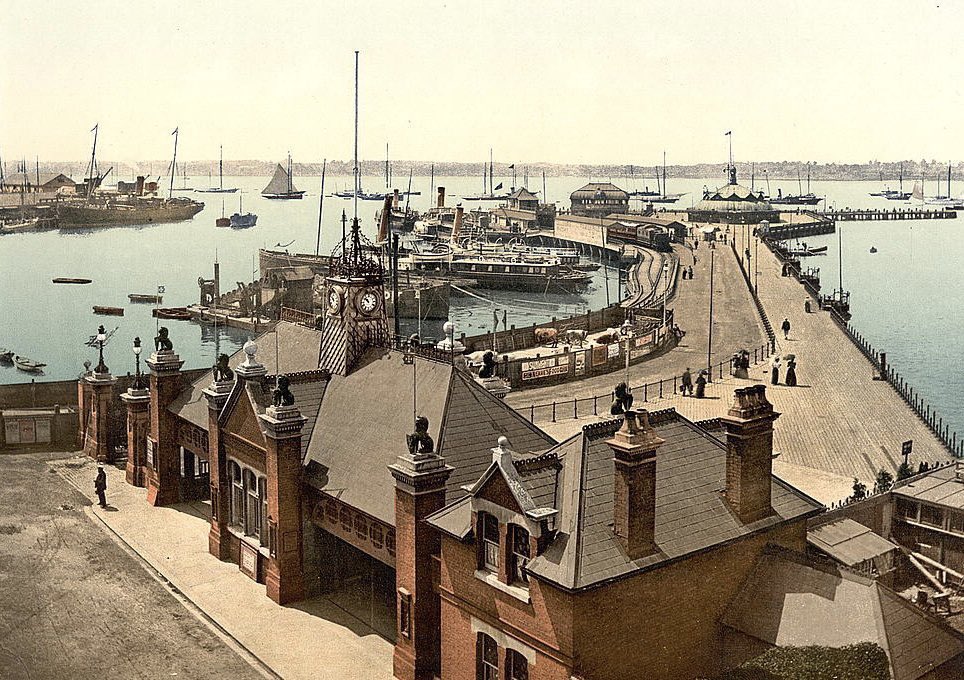
Southampton’s Royal Pier was opened #OnThisDay in 1833 by the Duchess of Kent and Princess Victoria, who would become Queen Victoria four years later.
The original wooden pier was replaced by an iron one in the 1890s. The pier itself closed in 1979 and was later damaged by fire.
@BizSouth@EnergySoton we work on a number of the issues discussed in this session. A number of projects on demand side response for mitigating distribution network constraints …
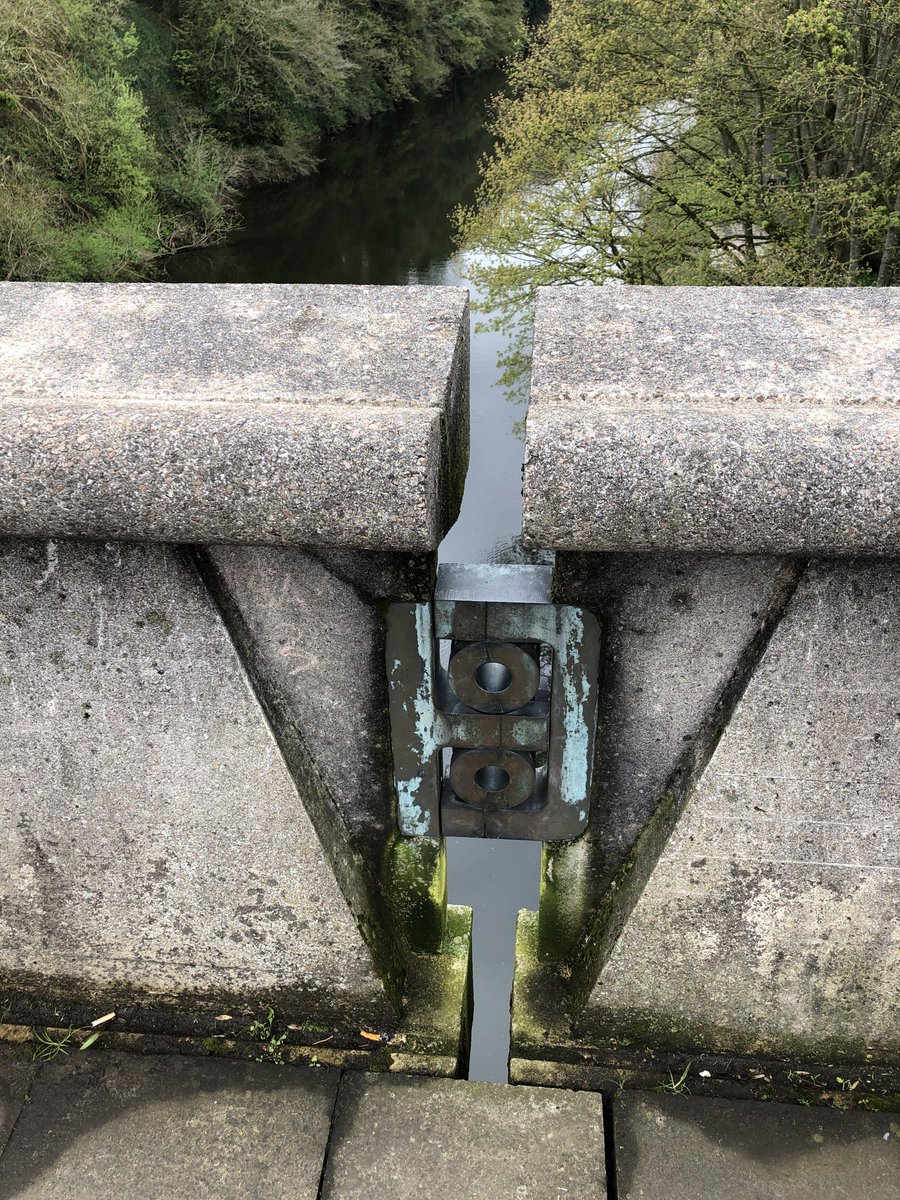
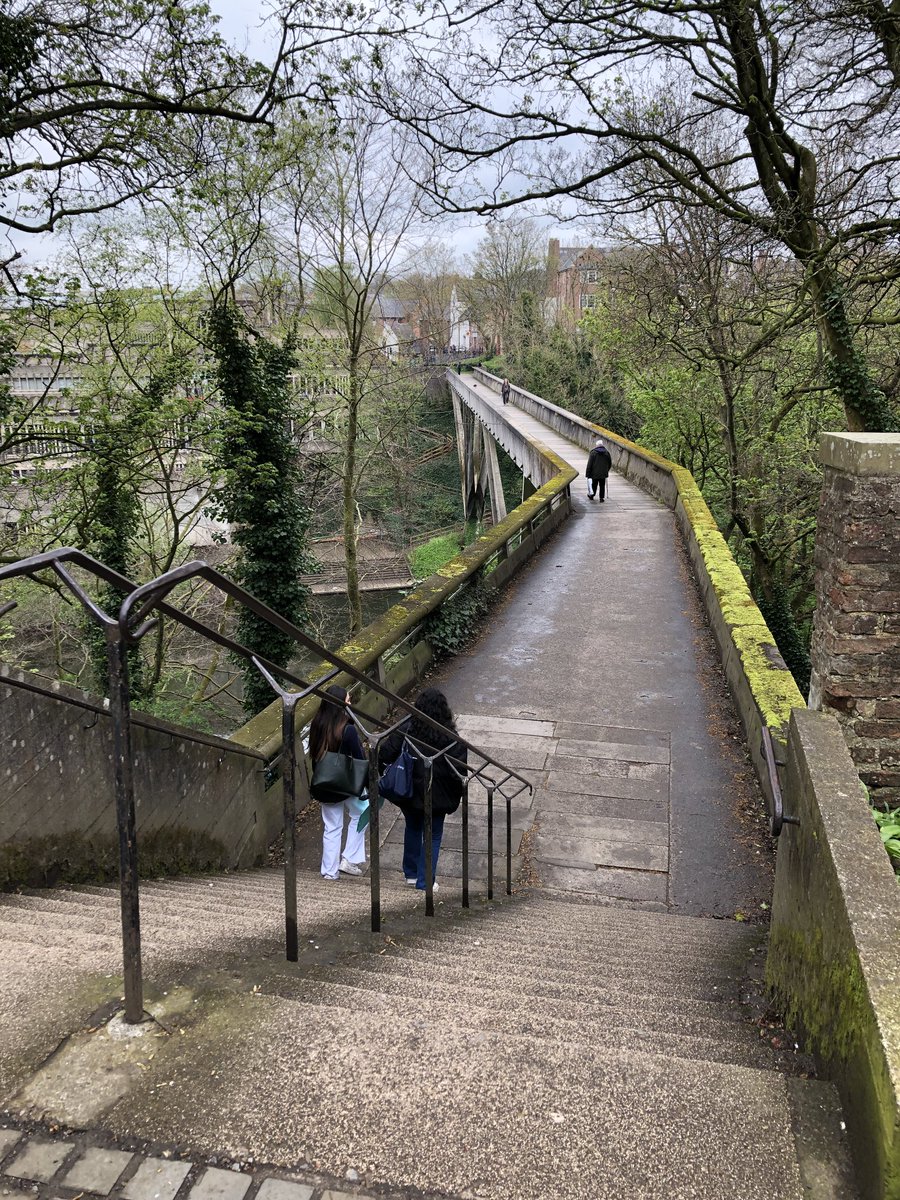
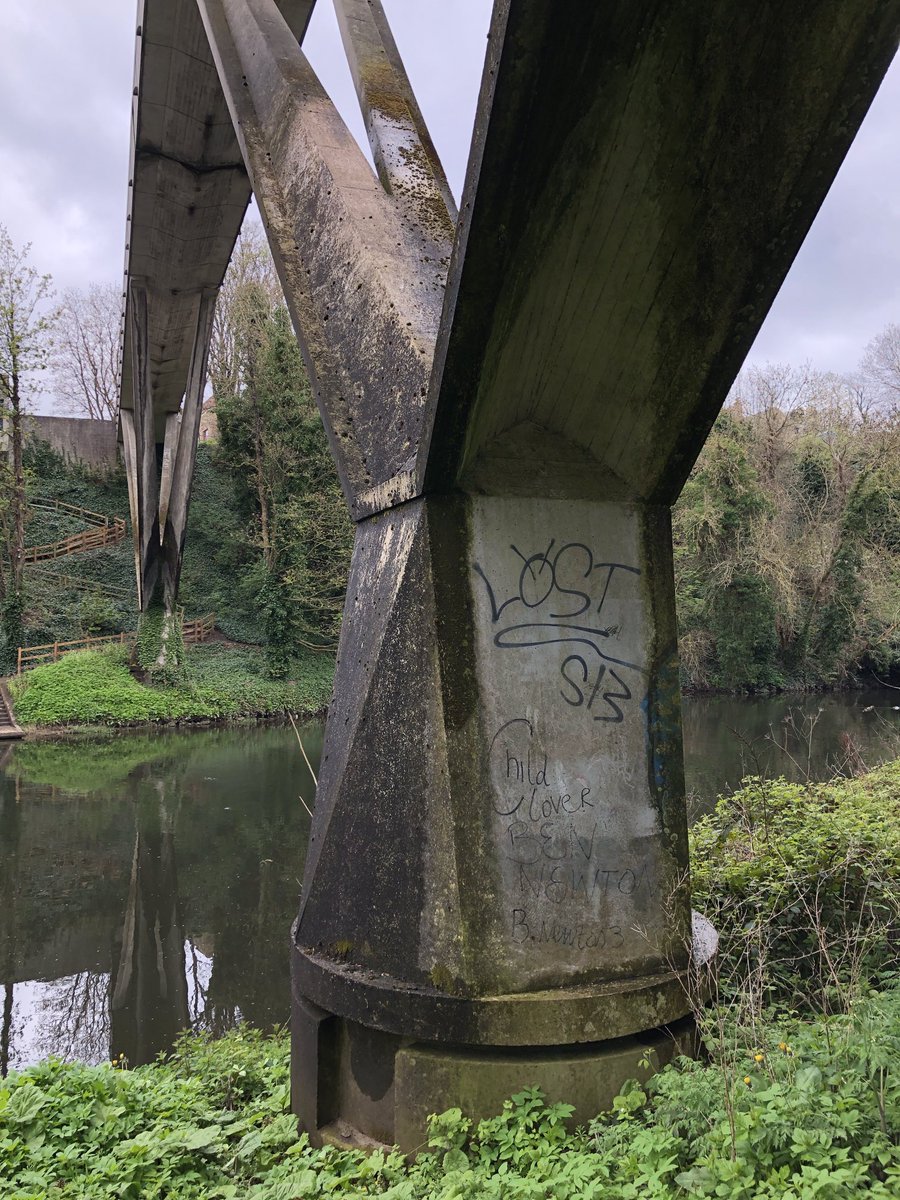
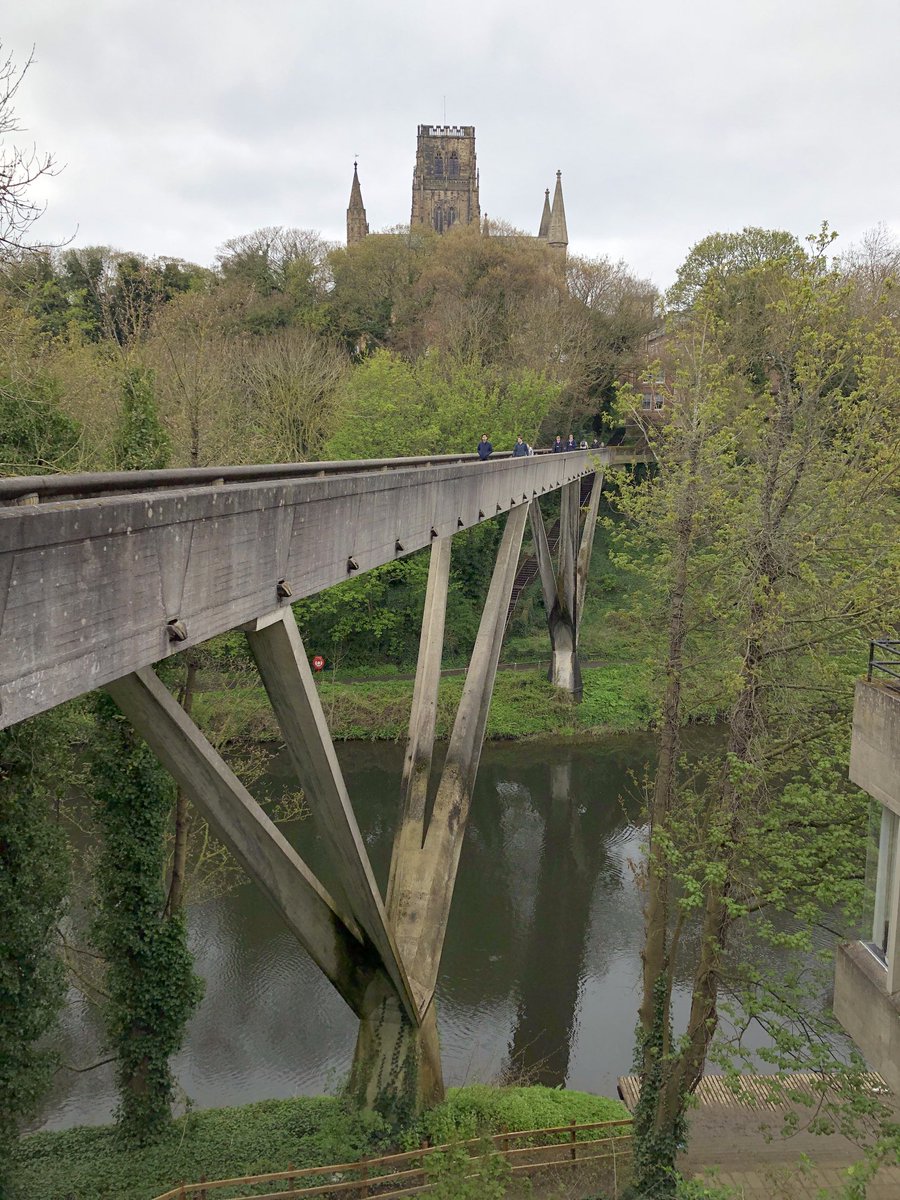
A visit to Ove Arup’s favourite structure; the Durham footbridge built in two parts on the riverbanks and rotated into position. Ingenious, elegant and beautifully detailed.
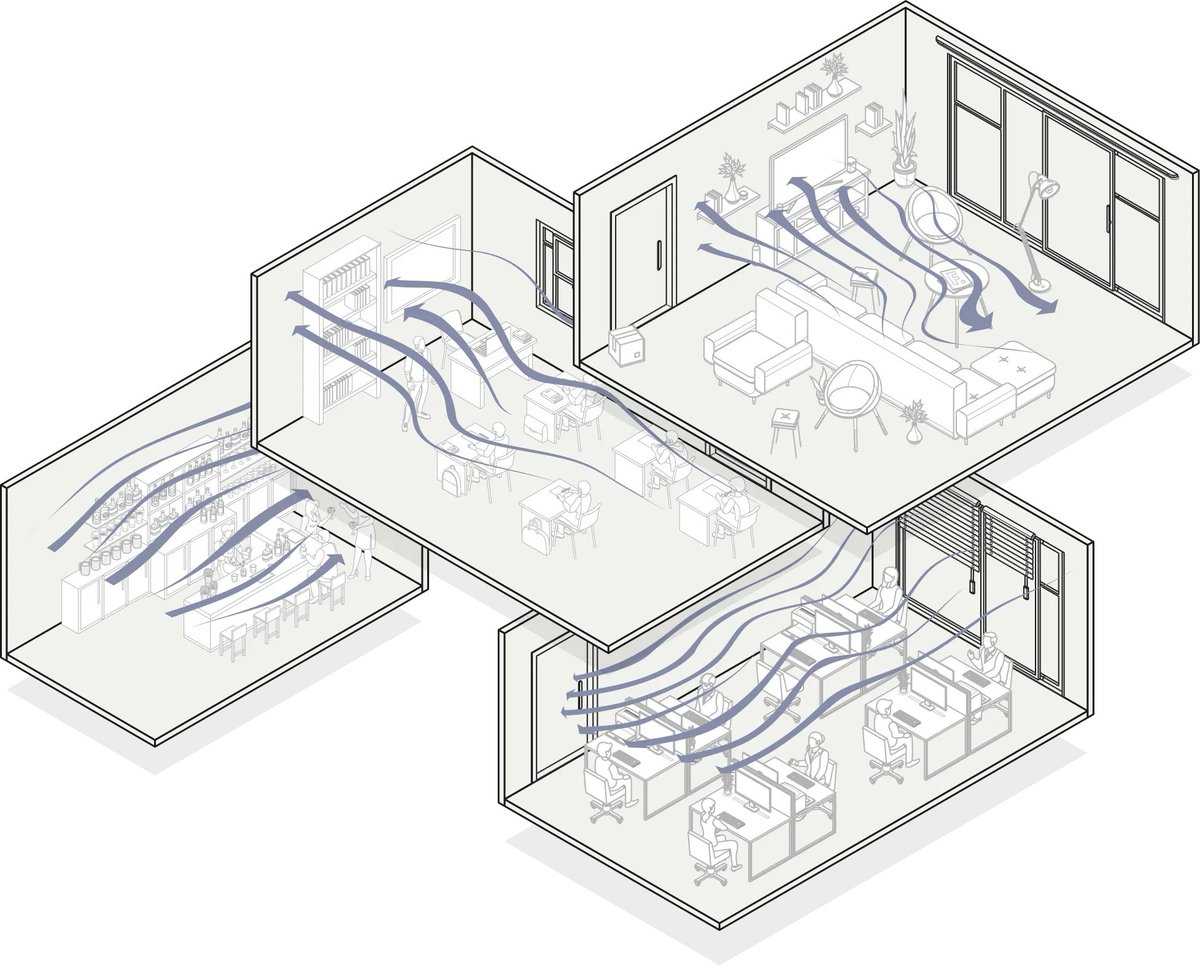
Explore the new interactive infographic from @RAEngNews showcasing the importance of good ventilation in indoor spaces.
Find it here: https://t.co/VnDlx9uqZ8 #VentilationMatters
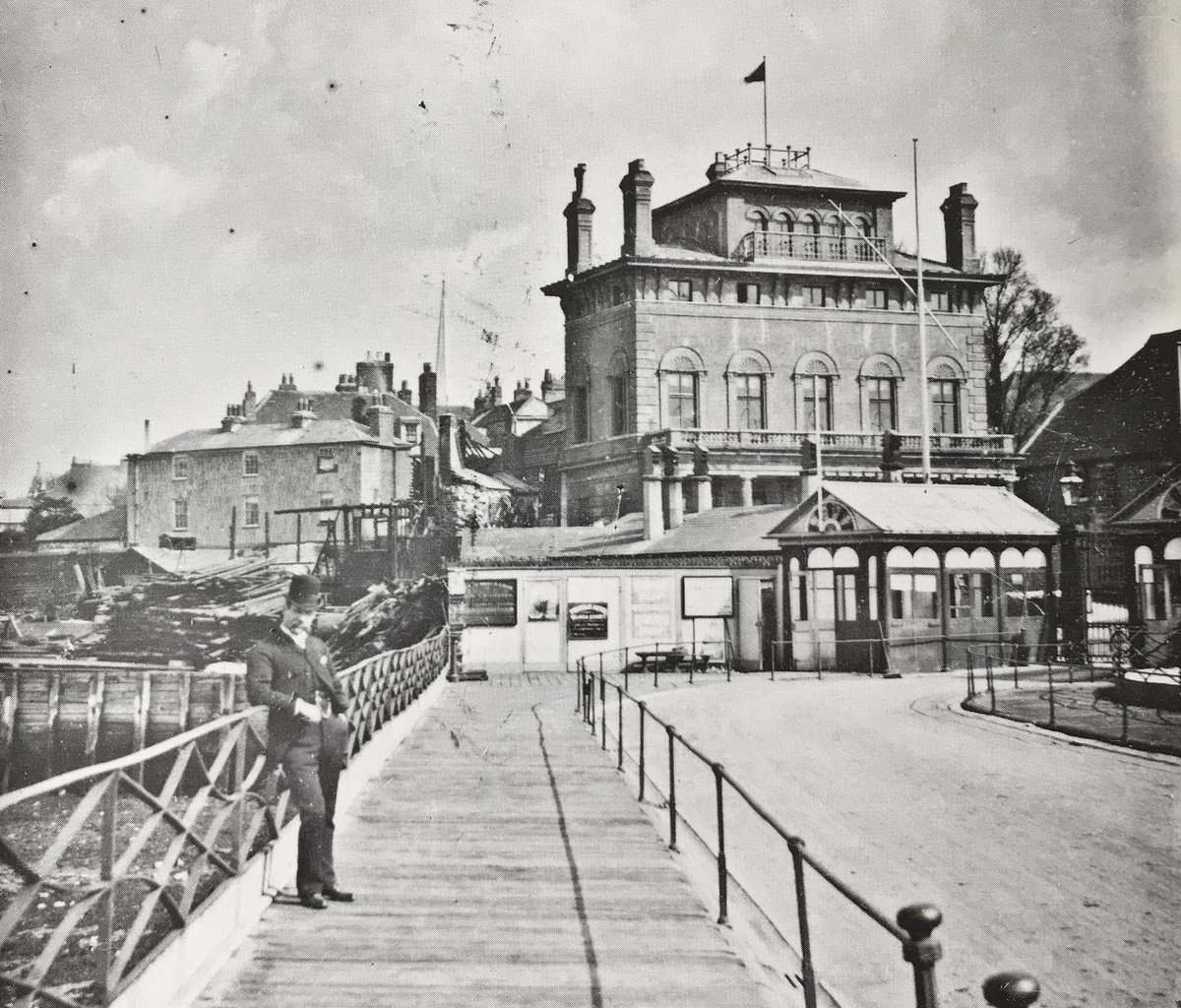
On the Royal Pier in the late 1800s. The prominent building in the background was built in 1846 as the clubhouse of the Royal Southern Yacht Club. The building is still there today. The pier itself closed in 1979 and was later damaged by fire. The remains are now just an eyesore.
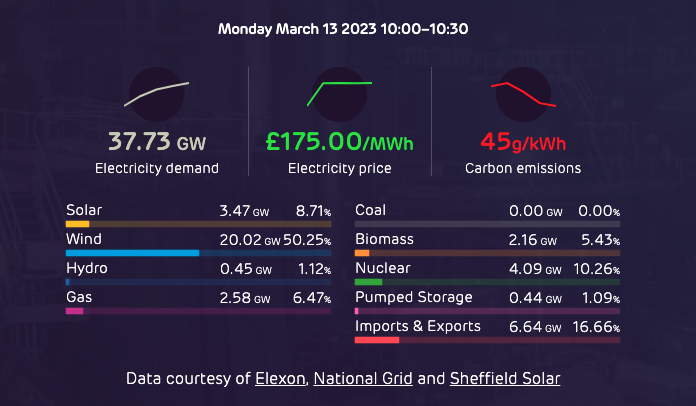
Wow – GB grid at 45gCO2/kWh!?
Must be close to a record low?
50% wind
17% imports
10% nuclear
9% solar
6% gas
5% biomass
1% storage
https://t.co/9ap34skgHB
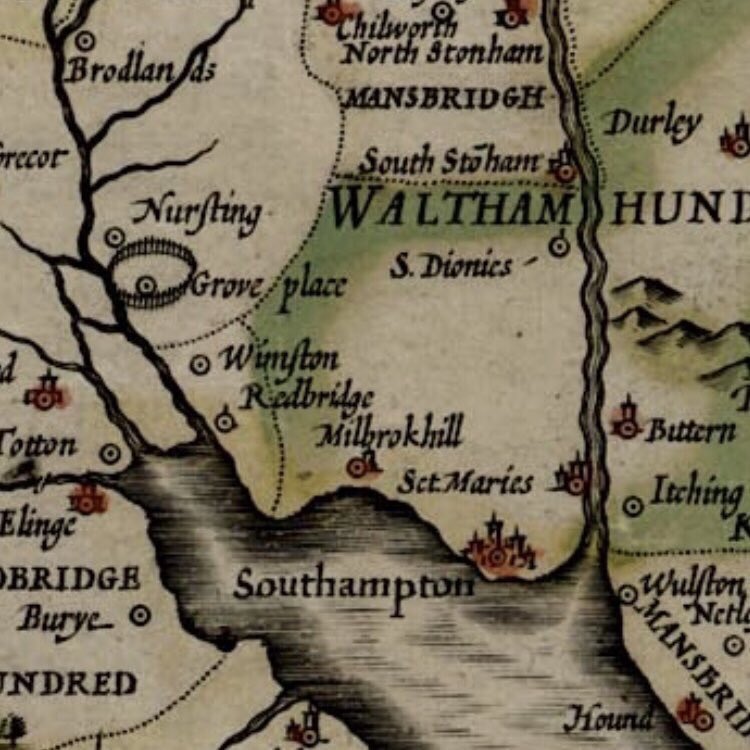
Before there was a bridge at Redbridge, there was a ford.
The first part has always meant ‘reed’ and in the 890s it was ‘hreodford’.
By the 900s it had become ‘hreod brycge’ (‘reed bridge’) and in the Domesday Book of 1086 the settlement is called ‘Rodbrige’.
Map from 1575.