Connaît-on d’autres chefs d’État actuels dont les décisions et politiques influencent favorablement la fortune personnelle ou la valeur du portefeuille d’actions, et si c’est le cas, ne faut-il que ce soit abordé, documenté et débattu par les mêmes médias? https://t.co/VpEuGSDiKn
Hundreds of masked members of the white nationalist group Patriot Front marched through parts of Washington, D.C., ahead of the Independence Day festivities planned for the evening https://t.co/MaUjWGUcpd
Historian Andrew Roberts argues, 'if we had stayed together as one political entity then Kaiser Wilhelm II’s Germany would never have dared to invade Belgium in August 1914.
'Had there been no First World War, there would have been no Russian Revolution, no Stalin, no gulags and no Communism. Absent the First World War One and there would have been no Second World War, no Hitler, no Holocaust.'
As Roberts says, 'we must celebrate our great ally’s 250th anniversary, of course, but we should also mourn what might have been' ⤵️
https://t.co/hl8LgBMjnJ
Russia said its forces captured the eastern Ukrainian town of Kostiantynivka, a key strategic target in the Donetsk region. Ukraine denied the report https://t.co/zU36GWpzK3
Vingt ans avant de mourir, Chateaubriand a choisi sa tombe.
Pas un caveau. Pas une cathédrale. Un rocher battu par les vagues, au large de Saint-Malo.
François-René de Chateaubriand est né malouin, bercé par les tempêtes de la côte bretonne. Devenu l'un des plus grands écrivains de France, celui qui a inventé le vague à l'âme romantique, il n'a jamais oublié le bruit de la mer de son enfance.
Alors il a demandé une chose étrange à sa ville. Un bout de l'îlot du Grand Bé, ce rocher qu'on rejoint à pied seulement à marée basse. Pour y dormir face à l'océan.
La ville a d'abord refusé. Puis a cédé.
Il meurt le 4 juillet 1848. On l'enterre là, exactement comme il le voulait. Une simple dalle, une croix. Et surtout, aucun nom gravé.
Une seule phrase, sur le mur derrière : "Un grand écrivain a voulu reposer ici pour n'y entendre que la mer et le vent."
Aujourd'hui, la tombe penche. La falaise s'effrite, rongée par les vagues. Le rocher qu'il avait choisi pour l'éternité menace de l'emporter.
Comme si la mer venait enfin le rechercher.
Six heures du soir, le 17 août 1661. Le carrosse de Louis XIV franchit les grilles de Vaux-le-Vicomte. Derrière lui, six cents courtisans.
Leur hôte s'appelle Nicolas Fouquet. Surintendant des finances, l'homme le plus riche du royaume. Ce soir, il reçoit son roi. Il croit assurer son avenir. Il signe sa perte.
La visite commence. Sur les plafonds peints par Le Brun, un emblème revient partout : un écureuil. Et cette devise : "Jusqu'où ne montera-t-il pas ?"
Le roi a 23 ans. Il regarde. Il ne dit rien.
Le souper est signé Vatel, servi dans une vaisselle d'or et de vermeil. Un luxe que le roi lui-même ne peut pas s'offrir.
Dans les jardins de Le Nôtre, Molière crée Les Fâcheux, la toute première comédie-ballet. Puis un feu d'artifice embrase le ciel au-dessus du dôme.
Personne n'a jamais rien vu de tel. Le roi non plus.
On raconte qu'il voulut faire arrêter Fouquet sur-le-champ. Sa mère l'en dissuada. On n'arrête pas l'homme qui vous reçoit.
À deux heures du matin, le carrosse royal repart dans la nuit.
Voltaire résumera : "À 6 heures du soir, Fouquet était le roi de France. À 2 heures du matin, il n'était plus rien."
Trois semaines plus tard, d'Artagnan l'arrête. Prison à perpétuité.
Le roi saisit tout. Les statues, les tapisseries. Et les trois génies, Le Vau, Le Brun, Le Nôtre.
Il leur commande un château qui devra surpasser Vaux.
Vous le connaissez. C'est Versailles.
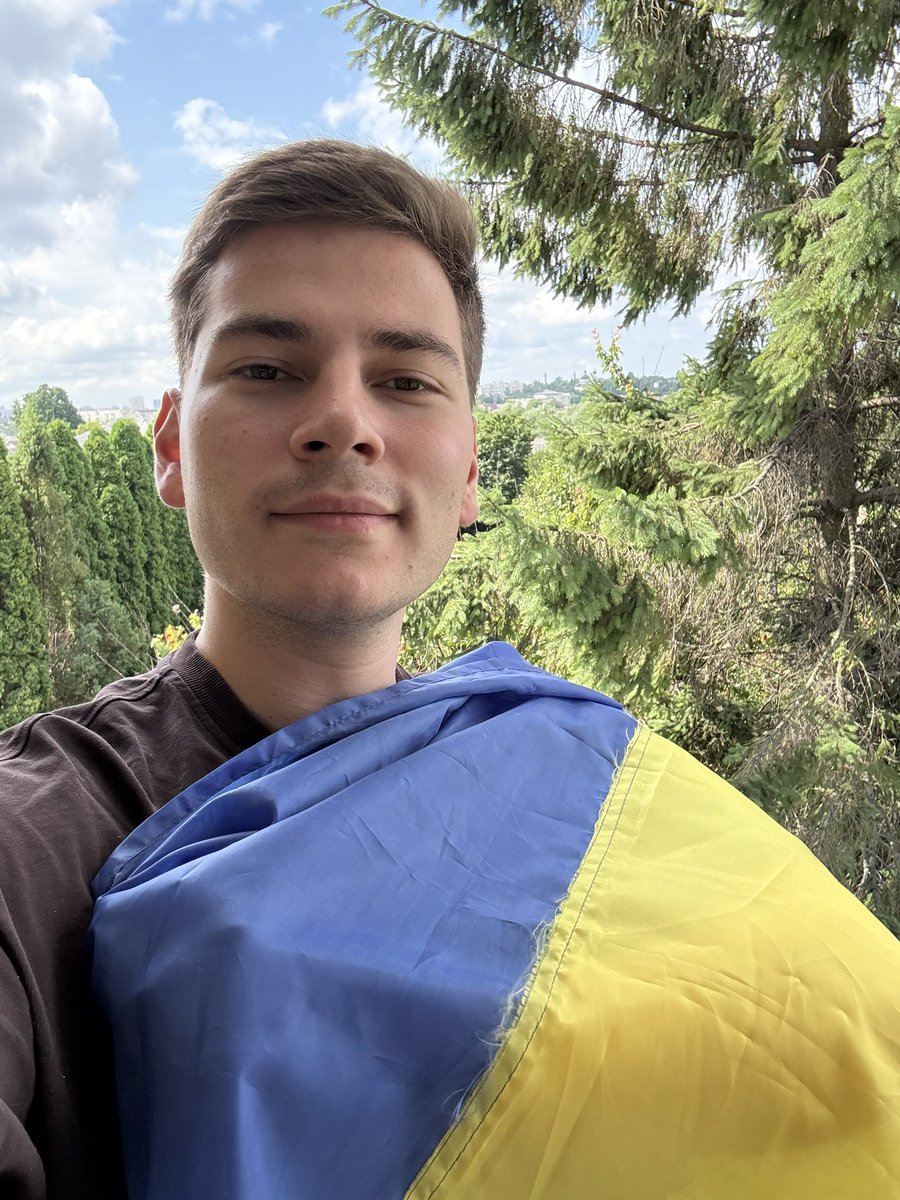
❤️🇺🇦 Votre humble serviteur est de retour en Ukraine, sur le terrain !
Actu Ukraine/Russie chargée ce week-end sur BFM, retrouvez-moi ces jours-ci sur la chaîne, depuis Kyiv et ailleurs !
🇸🇾 A bomb blast at a cafe in Damascus on Thursday killed six people and wounded 22, authorities said, in the latest challenge for Syria's Islamist leaders as they seek to stabilise the country after more than a decade of war.
➡️ https://t.co/fCIE2jxN1P
The war in Ukraine has now lasted longer than the First World War.
That fact is striking on its own. The First World War lasted 1,568 days. Russia's full-scale invasion of Ukraine began on February 24, 2022, and has now surpassed that mark.
For many Canadians, however, this is not simply a distant conflict. It is a chapter in a story that has been unfolding in Canada for more than 130 years.
The first large wave of Ukrainian immigrants arrived in Canada in 1891, when settlers from western Ukraine—then part of the Austro-Hungarian Empire—began arriving on the Prairies. Drawn by the promise of farmland, they helped build communities across what are now the provinces of Manitoba, Saskatchewan, and Alberta.
Life was not easy. Many arrived with little money, cleared bush by hand, endured harsh winters, and faced discrimination from Canadians who viewed Eastern Europeans as outsiders. During the First World War, thousands of Ukrainians living in Canada were classified as "enemy aliens" because they had emigrated from territories controlled by Austria-Hungary. Some were interned by the Canadian government.
Yet the community endured and grew.
A second wave arrived between the wars. A third wave came after the Second World War, bringing refugees, professionals, and families displaced by Soviet and Nazi occupation. Following the collapse of the Soviet Union in 1991, a fourth wave strengthened ties between independent Ukraine and Canada.
Today, more than 1.3 million Canadians claim Ukrainian ancestry, making Canada home to one of the largest Ukrainian diasporas in the world outside Ukraine itself.
That history helps explain why events in Eastern Europe resonate so deeply here.
When Canadians watch the war unfold today, many are not simply observing a foreign conflict. They are following the story of grandparents who homesteaded on the Prairies, families who fled totalitarian regimes, and communities that spent generations preserving a language, culture, and identity thousands of kilometres from their ancestral homeland.
The war may now have lasted longer than the First World War. But the connection between Canada and Ukraine has lasted far longer still.
For more than a century, Ukrainian Canadians have helped shape the Canadian story—and today, Canada's response to Ukraine reflects that shared history.
#HistoryHappeningAgain #CanadianHistory #Ukraine #UkrainianCanadianHistory #OnThisDay #HistoryMatters
Photos: Library of Canada
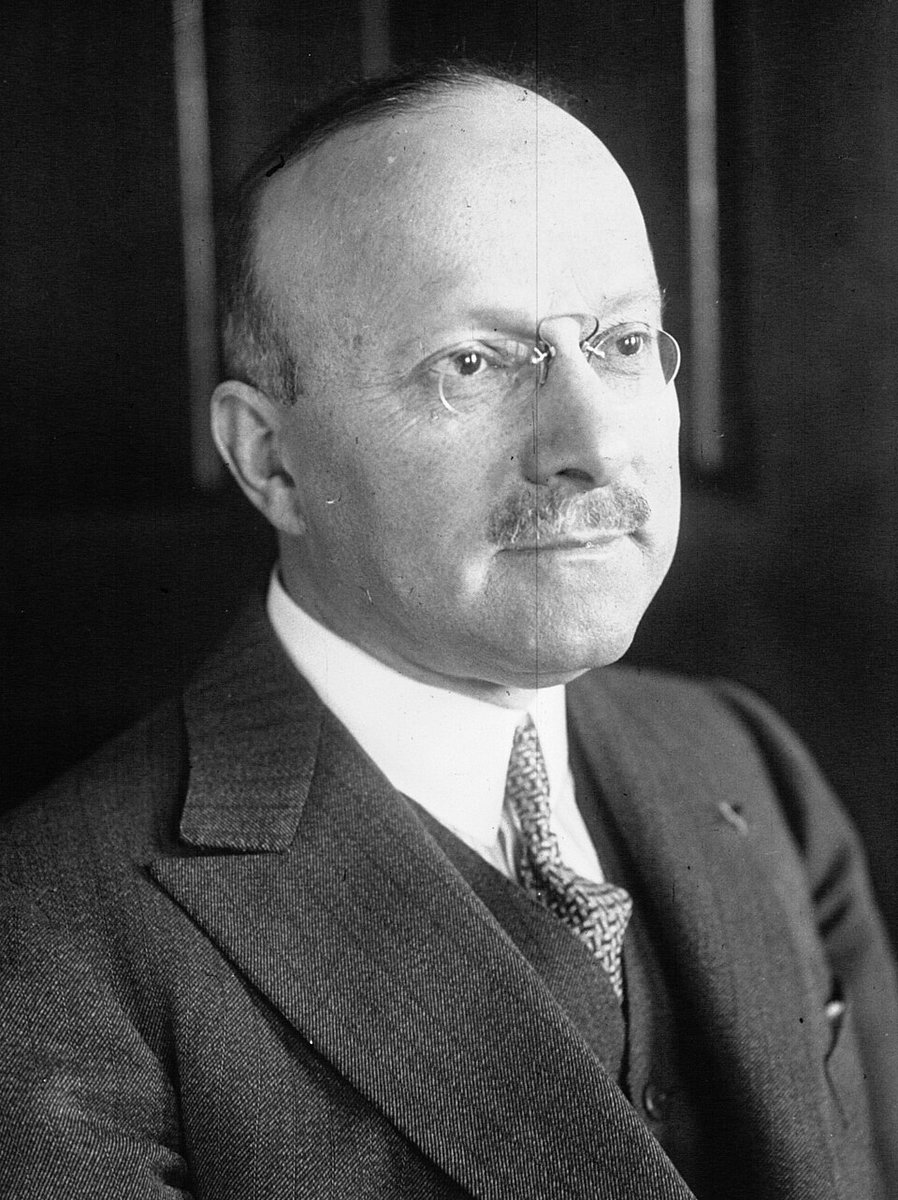
Un soir de 1925, les Parisiens lèvent les yeux vers la tour Eiffel. Un nom s'y allume en lettres de trente mètres, dessiné par 250 000 ampoules, visible à quarante kilomètres. Personne au monde n'a jamais osé une telle folie.
Celui qui l'a payée est un petit homme pressé, orphelin, hanté depuis l'enfance par une seule idée.
À six ans, il perd son père, un diamantaire qui se donne la mort. Le garçon grandit avec deux modèles sous les yeux : la tour Eiffel qui s'élève, et les romans de Jules Verne. Le progrès et l'aventure. Toute sa vie tiendra dans ces deux mots.
Ingénieur, il rapporte de Pologne un brevet d'engrenages en double chevron. Il en fait son emblème. Ce logo roule encore aujourd'hui sur toutes les routes.
En 1919, il lance la première voiture française produite en grande série. Il veut que l'automobile ne soit plus un luxe, mais un objet pour tous. Il rêve que le premier mot d'un enfant soit papa, maman, et le nom de sa marque.
Pour ça, il invente la publicité moderne. La tour Eiffel en vitrine. Des expéditions à travers le Sahara, puis l'Himalaya. Lindbergh acclamé dans ses usines.
Mais l'audace coûte cher. La crise le rattrape. En janvier 1935, ruiné, il perd le contrôle de tout. Six mois plus tard, un cancer l'emporte. Il a 57 ans.
Il est mort un 3 juillet, il y a 91 ans jour pour jour. Ruiné, chassé de sa propre usine.
Il s'appelait André Citroën. Et sa marque, elle, n'a jamais cessé de rouler.
Russia likely used shadow ships to launch drones over Europe that repeatedly disrupted civilian aviation, as it monitored military sites and tested the air defenses of NATO nations, according to a report published Thursday by the International Institute of Strategic Studies think tank.
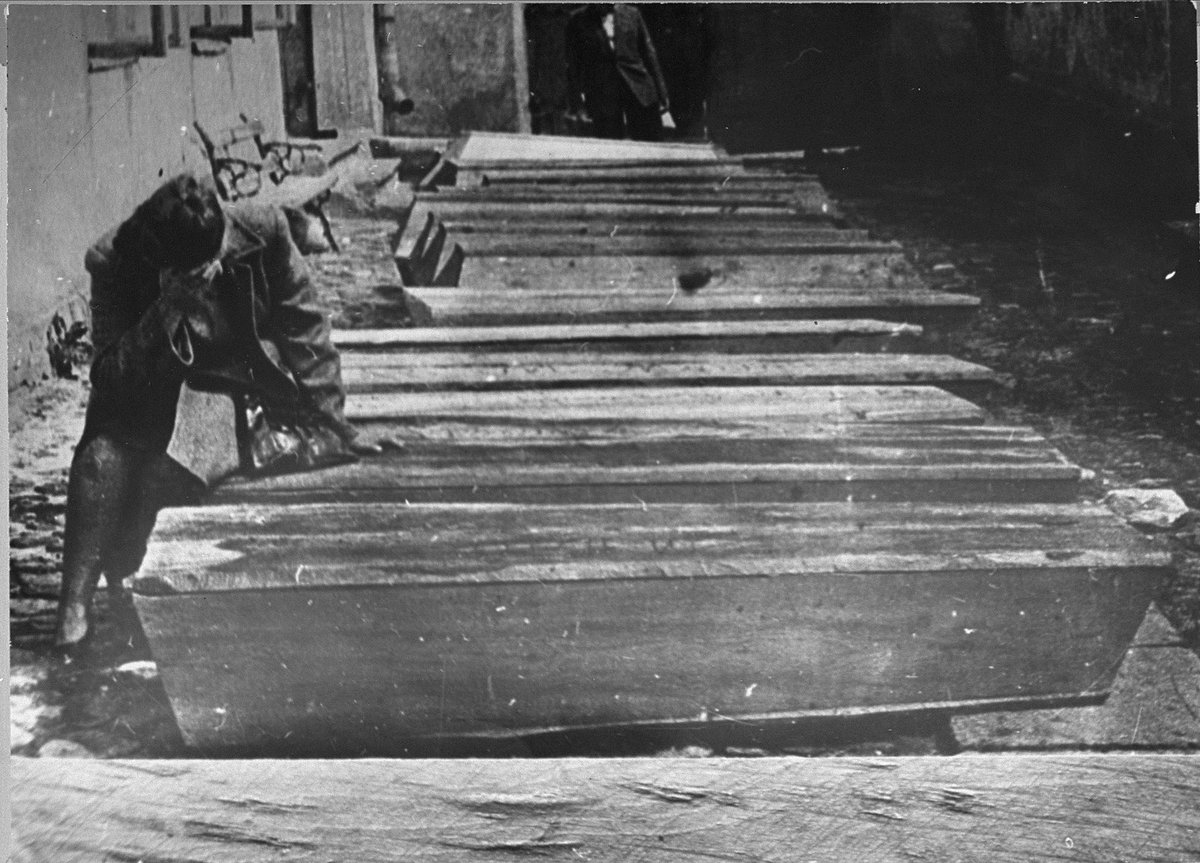
The people in these caskets survived the Holocaust—only to be killed by an antisemitic mob just over a year later. In July 1946, a group of civilians, police officers, and soldiers murdered at least 42 Jews and wounded dozens more in Kielce, Poland.
41 Ukrainian civilians were killed in yesterday’s Russian airstrike attack against Ukraine.
30 m were killed just in Kyiv, most of whom lost their lives as a 9-story residential building partially collapsed after a missile strike
Mainstream media barely wrote anything about it
Russian intelligence started tracking Boris Johnson while he was an Oxford student in the 1980s.
The Kremlin called him "likeable but not trustworthy," said he had "no principles" and "could be easily manipulated," The Telegraph. 1/
Russia is planning an armed “provocation” on Polish soil to test Nato’s resolve, the United States has warned.
Polish critical infrastructure could be targeted by missiles and drones or Russian soldiers could cross the border into Nato territory.
🔗: https://t.co/T8CNYztoaw
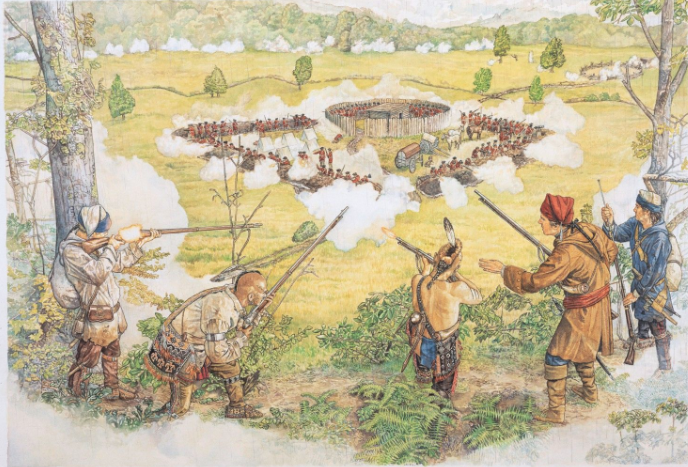
3 juillet 1754
Louis Coulon de Villiers, capitaine des troupes de la Marine, livre une vive bataille au fort Necessity (Pennsylvanie), forçant le commandant George Washington à capituler le soir même. Cette bataille contribue à assurer la présence française dans l’Ohio.