Green prescription could be an essential public health intervention for improving health and well-being in the general population and supplementing conventional medicine while enhancing the sustainability of our healthcare systems in the face of climate change.
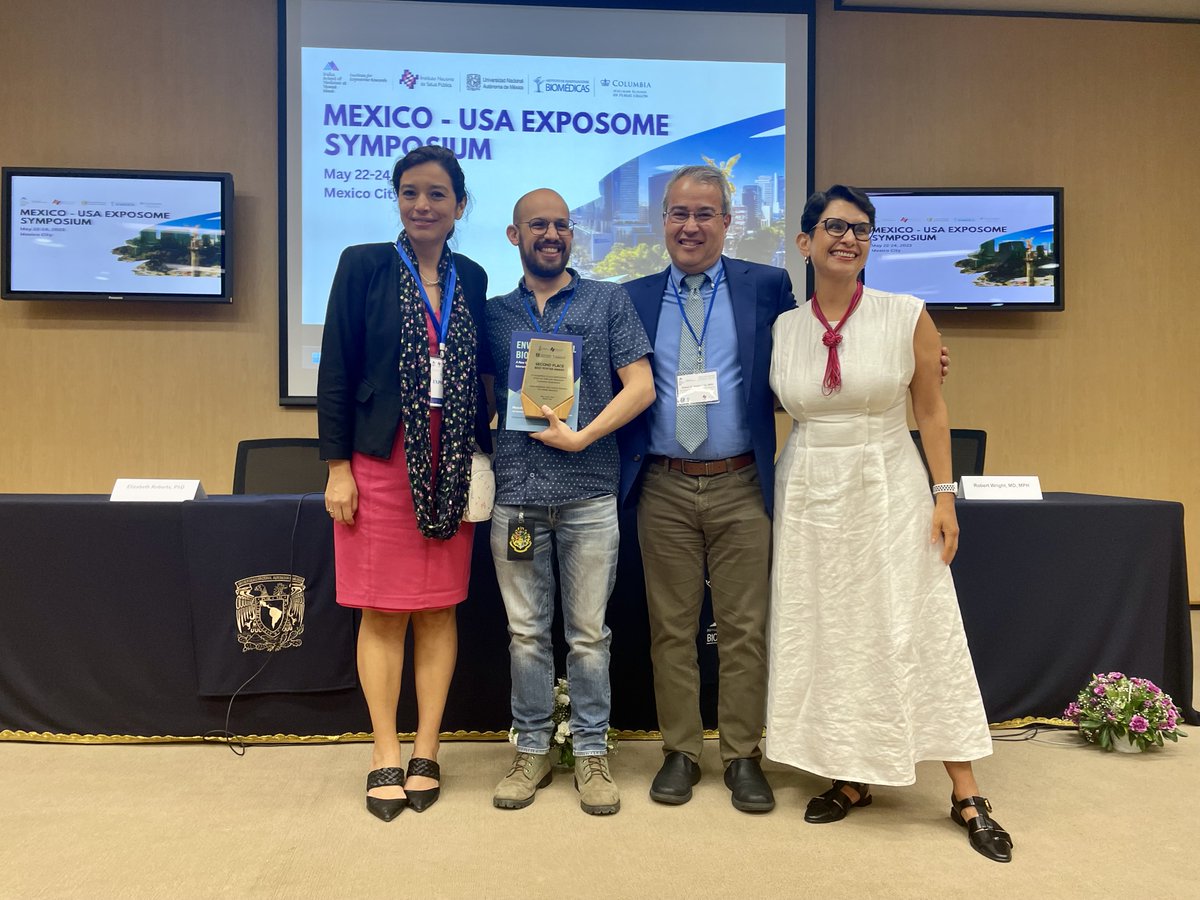
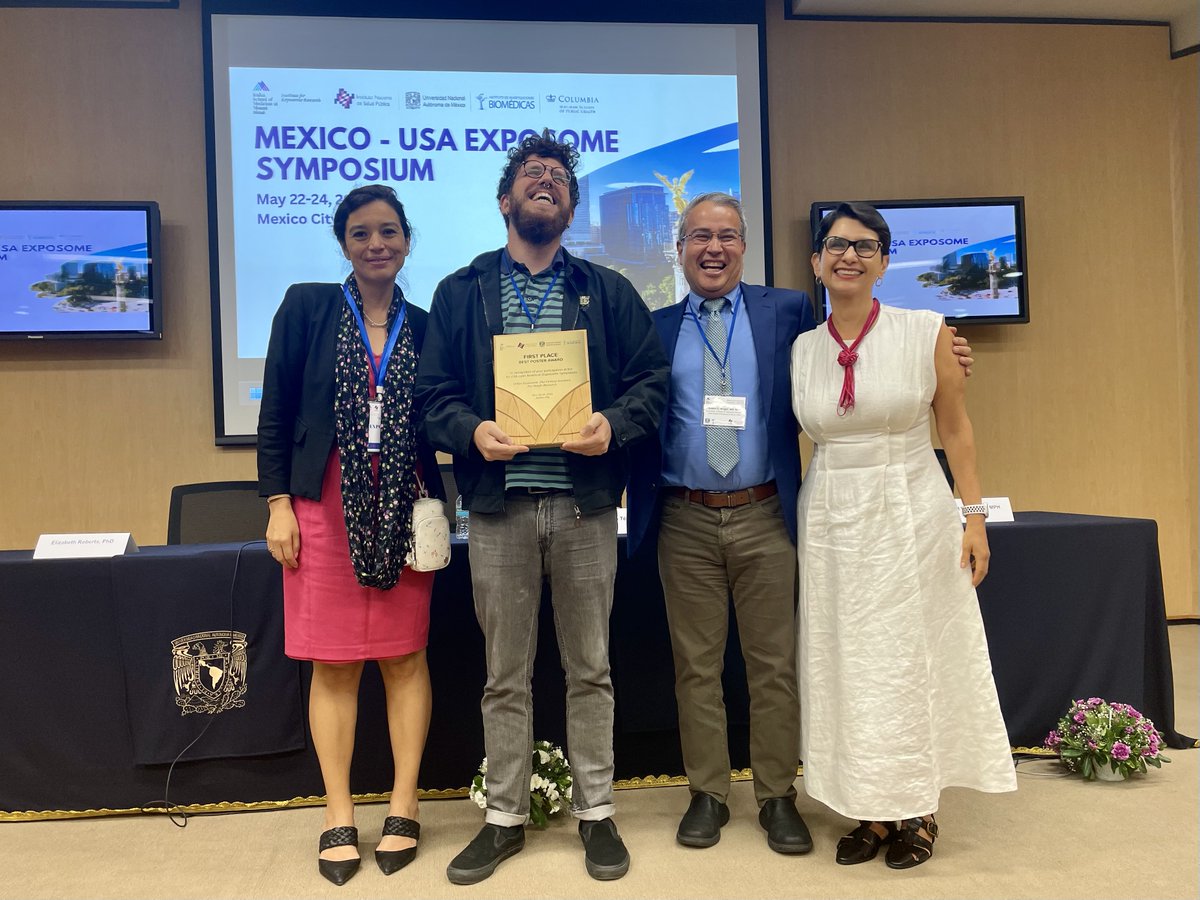
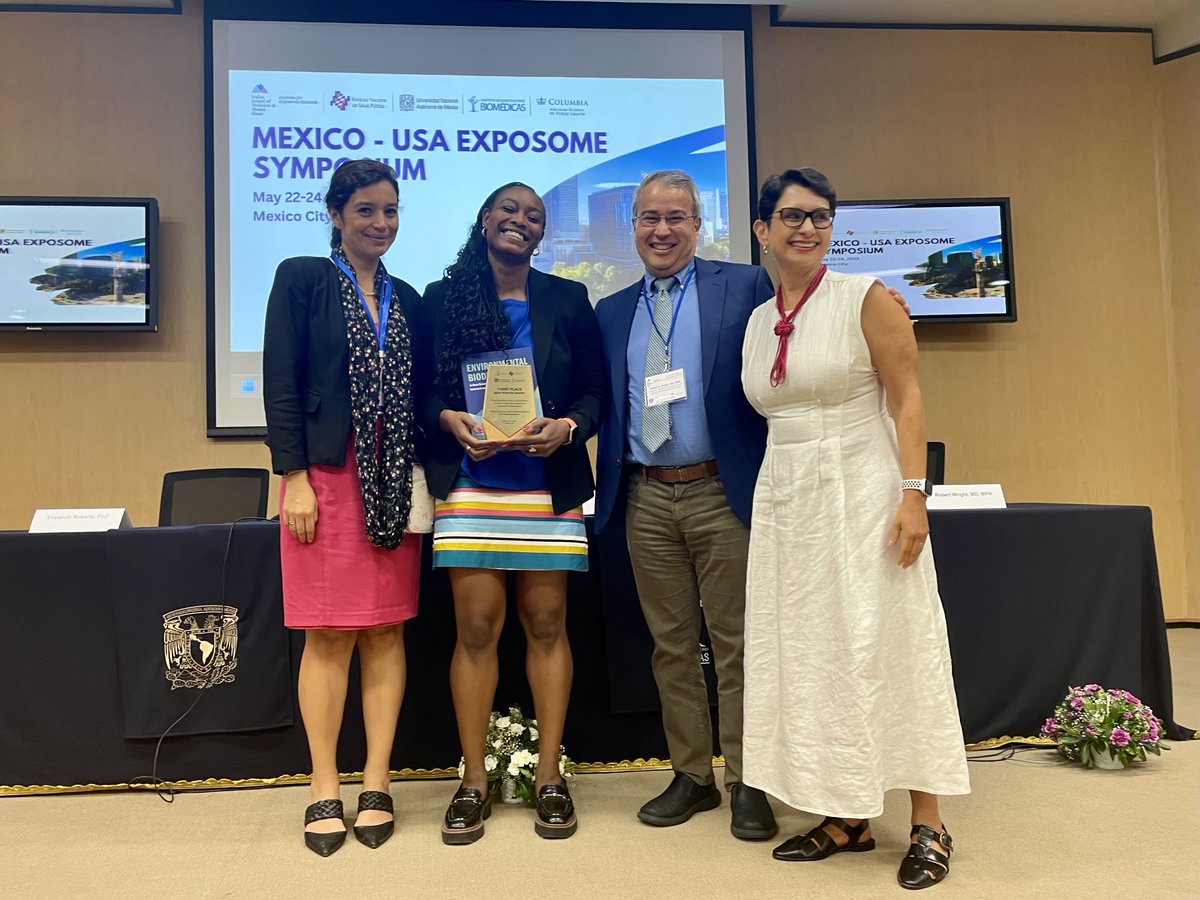
The poster awards were filled with bright smiles, loud cheers, and we loved it! The winners were Pablo Knobel, PhD; Rodrigo Ugalde Resano, MD; and Cecilia S. Alcala PhD, MPH. Congratulations!
#MexicoExposome
📢"Socioeconomic and racial disparities in source-apportioned PM2.5 levels across urban areas in the contiguous US, 2010" is out! https://t.co/0QWxdjKS71
Recognizing specific population groups suffering higher exposure can guide policymakers in creating policies targeted not only to the general reduction of air pollution exposure but also to ameliorating the situation of the most vulnerable population groups.
Finally reading the systematic review from @MartaBFN (with Lia Campos Suzman @RoserManeja @albert_bach@OriolMarquet@ianguelovski and @PabloKnobel ) on sex/gender♀️♂️ differences in greenspaces🌳-cardiometabolic health❤️🩹
https://t.co/CNuu4L97Dp
wondering how to use #DAGs to study racial health disparities? 🤔 check out this important new @AmJEpi article from Chanelle Howe, Zinzi Bailey (@zinzinator), Julia Raifman (@JuliaRaifman), and John Jackson! @societyforepi#socialepi#HealthDisparities https://t.co/nSeP5S8eXN
📣"Gender and sex differences in urban greenness’ mental health benefits: A systematic review" is out! Work led by @MartaBFN & Lia Campos following their dissertation at @ICTA_UAB's master.
https://t.co/vtQdTbjAFY
We believe that urban planners and decision-makers can help relieve these differences though tailoring the design and implementation of urban greenness to different socio-cultural needs and preferences.