🆕 ¡Estrenamos web!
AGARyD tiene nueva página para estar más cerca de ti: noticias, formación, congresos y mucho más.
🔗 Descúbrela aquí:
https://t.co/yEzA0symaW
#AnestesiaGalicia#orgullosodesernaestesista
Regístrate para acceder a contenido exclusivo para socios
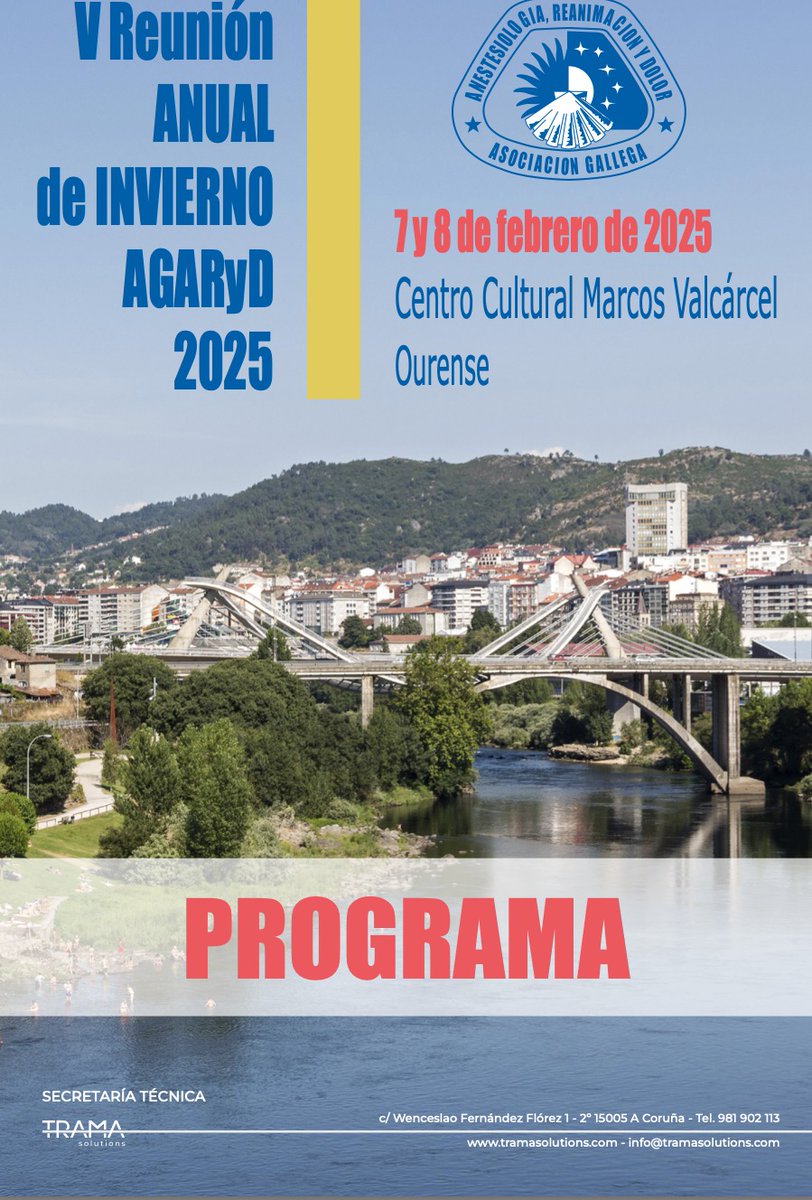
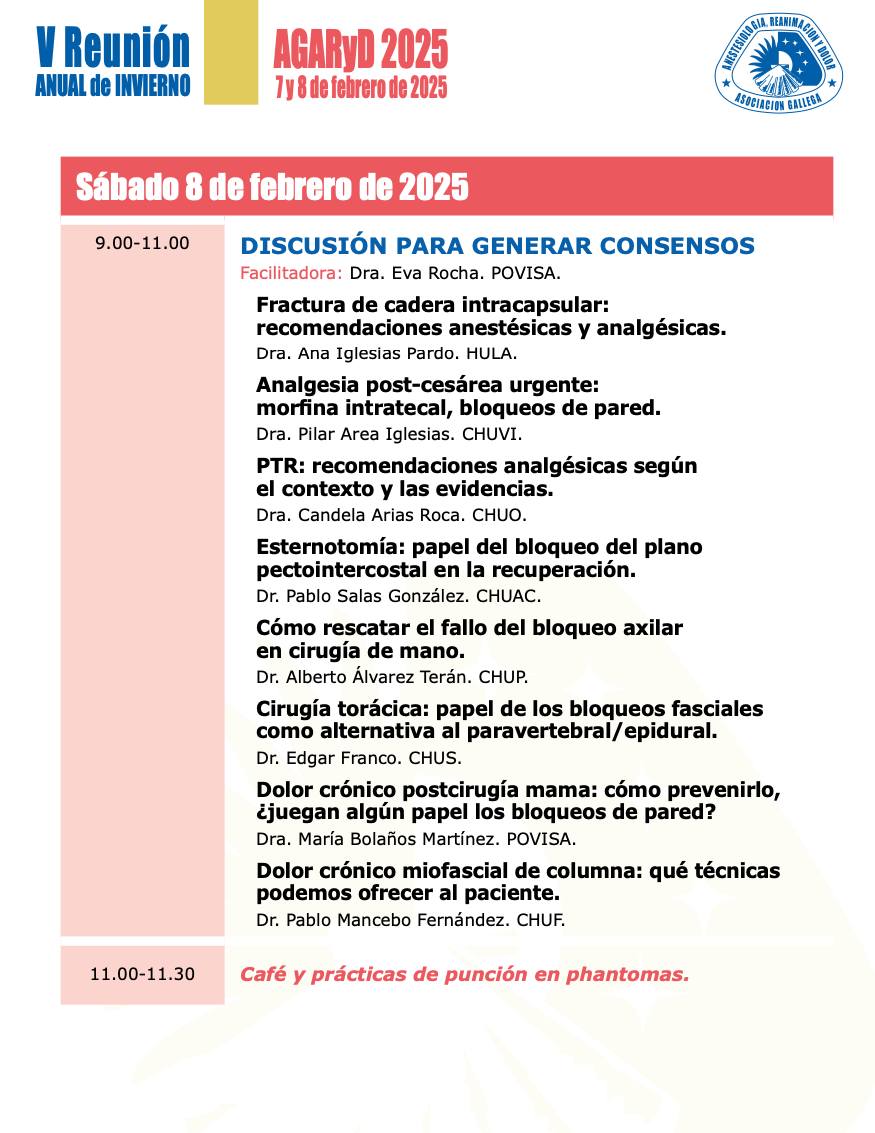
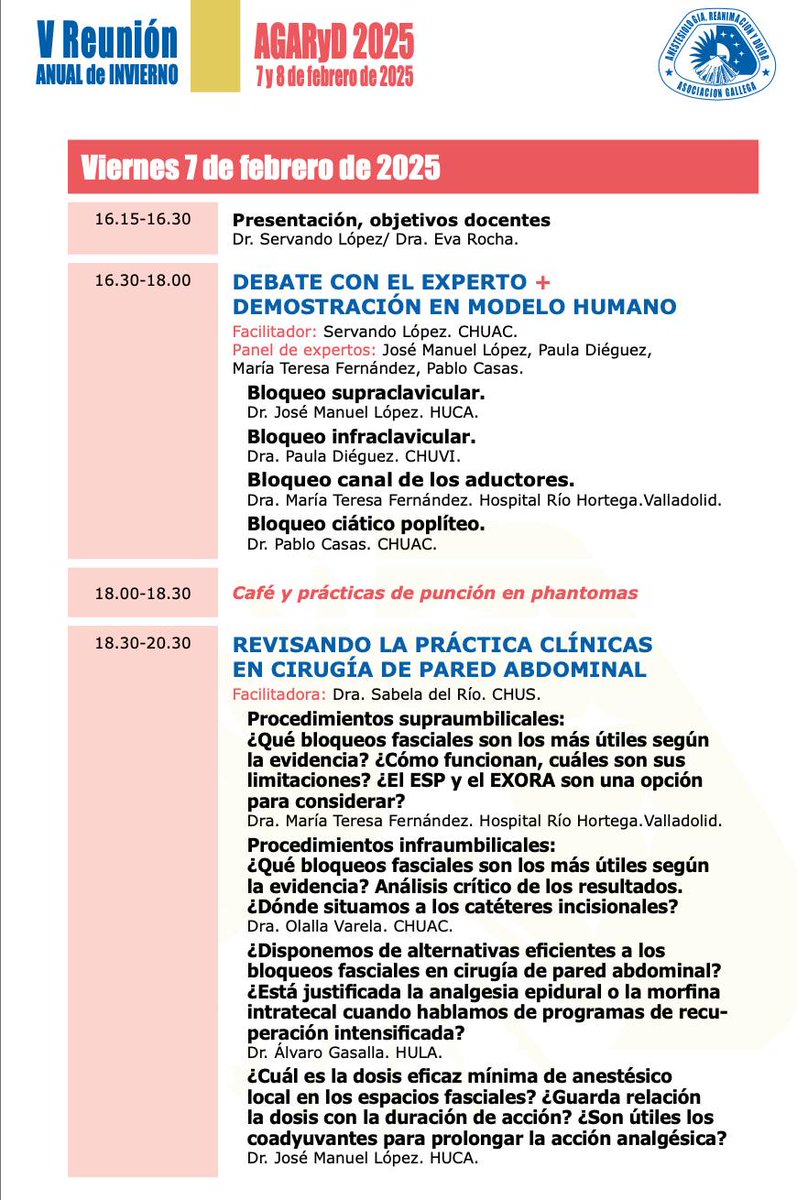
📣 ¡Anestesiólogos! Queda menos de una semana para la #VReuniónanualAGARYD, el 7 y 8 de febrero🌟
Trataremos de:
✅Compartir avances en anestesia regional
✅Intercambiar experiencias con compañeros
✅Preguntar dudas a los expertos
📝 ¡Inscríbete ya!👉
https://t.co/4ajTEnZAeL
Curso práctico de ETT en Cuidados Críticos.
CHU A Coruña, 14-15 de Marzo de 2025, en colaboración con EchoSim Group. Profesorado acreditado. Hands on en grupos reducidos con modelo humano.
Programa e Inscripciones: [email protected]#AnestChuac@EchoSimGroup1
“An Ultrasound-Guided Superficial Cervical Plexus Block”
#UGRA#SCPB#SuperficialCervicalPlexus#CervicalPlexusBlock#MedTwitter#EDRA
My 10 Points:
1. Indications:
· Superficial procedures on the neck, cervical lymph node biopsy, ear surgeries, and dermatological procedures.
· Pain management for conditions like clavicle fractures.
· As a supplementary block for scalp, shoulder, thyroid, proximal humerus, clavicle, or scapula surgeries.
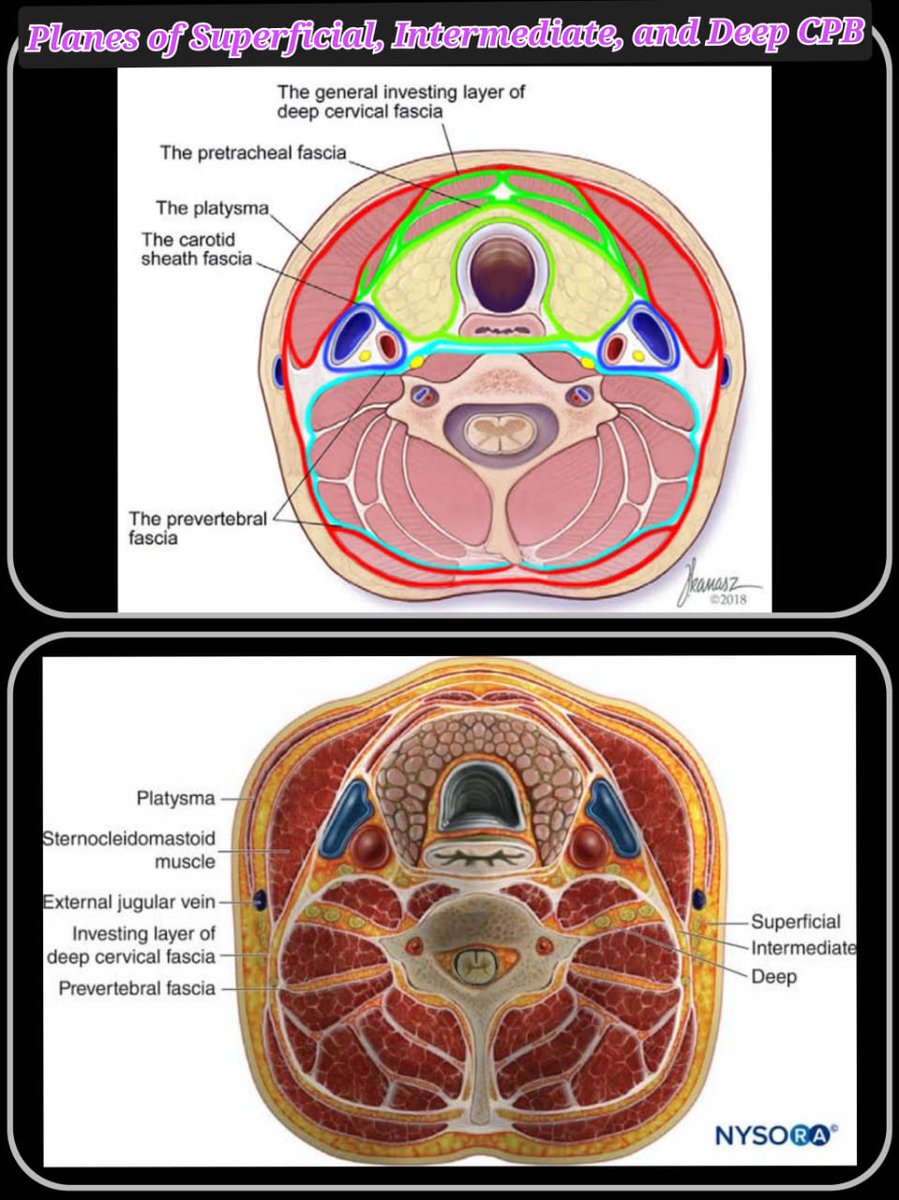
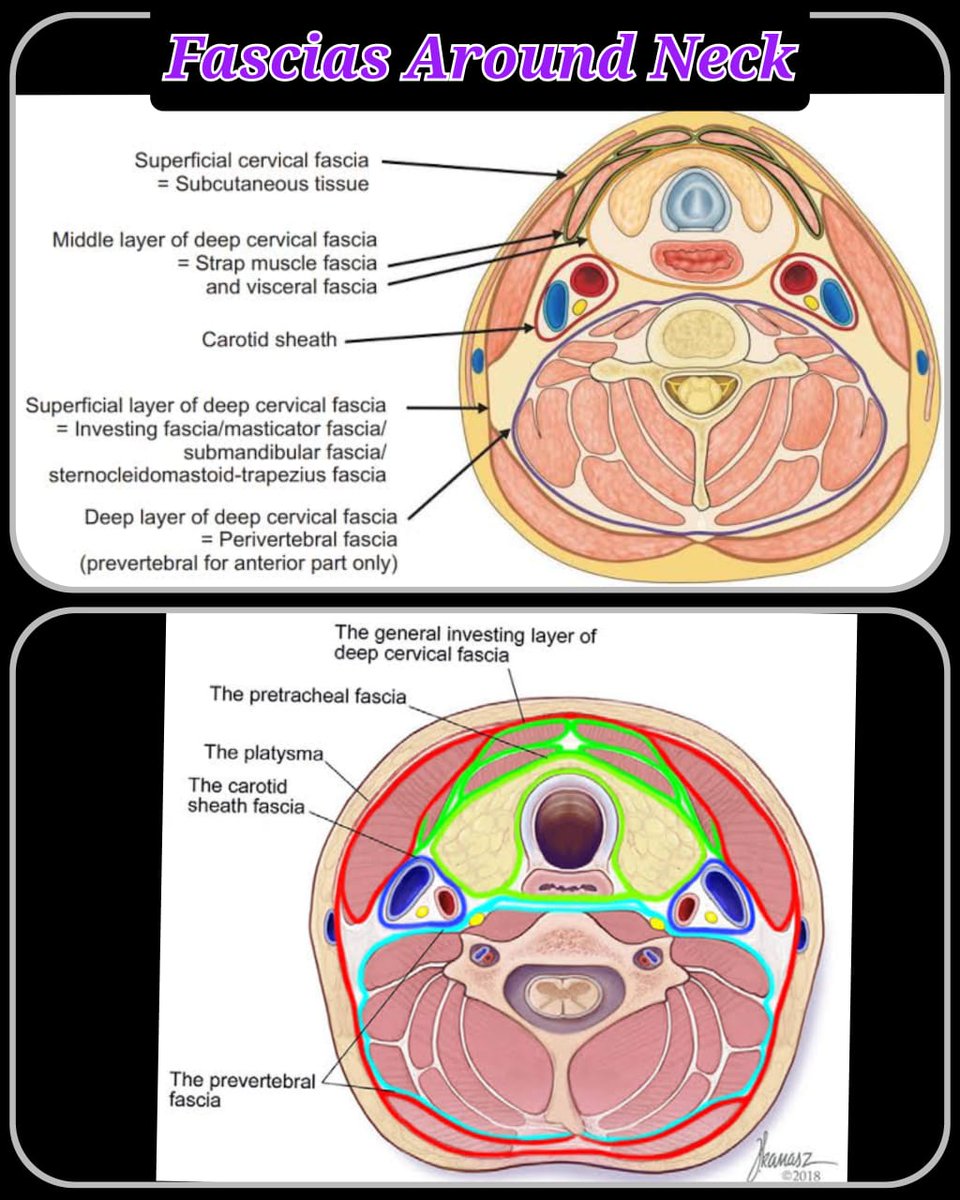
2. Fascias around the neck:
Understanding the fascial arrangements in the neck is crucial to effectively and safely administering the anesthetic when performing cervical plexus blocks.
a. Superficial Cervical Fascia: The outermost fascial layer of the neck encases the platysma muscle and contains subcutaneous fat, superficial veins, and cutaneous nerves.
b. Deep Cervical Fascia: It is divided into three layers (investing layer, pretracheal layer, and prevertebral), creating compartments that separate and protect the various structures within the neck.
· Investing Fascia: It surrounds the entire neck, splitting to enclose the trapezius and sternocleidomastoid (SCM) muscles. The landmark-guided cervical plexus block is performed at the posterior border of the SCM, where this fascia is encountered.
· Pretracheal Fascia: Located anteriorly in the neck, it surrounds the trachea, esophagus, and thyroid gland. Though not directly involved in the cervical plexus block, its anatomical relationship is important for understanding the neck’s compartmentalization.
· Prevertebral Fascia: This layer surrounds the vertebral column and associated muscles. It is significant for deep cervical plexus blocks.
c. Carotid Sheath: Formed by contributions from the investing, pretracheal, and prevertebral layers. It encloses the carotid artery, internal jugular vein, and vagus nerve. Awareness of the carotid sheath is crucial during blocks to avoid vascular injury.
d. Brachial Plexus Sheath: Formed by contributions from neighboring fascias like investing, pretracheal and prevertebral.
3. Fascial Planes:
· Superficial Space: Between the superficial cervical fascia and investing layer, where the superficial branches of the cervical plexus run.
· Intermediate Space: Contains structures such as the SCM and the deeper neurovascular bundle.
· Some older descriptions of the superficial cervical plexus block actually describe what is
more recently described as the ‘intermediate cervical plexus block’ (the portion of the
plexus passing between the ‘investing’ and the ‘prevertebral’ layers of deep cervical fascia.
4. Block Nomenclature as per fascial planes:
a. Superficial Cervical Plexus Block
· Technique: The injection is made subcutaneously along the posterior border of the sternocleidomastoid (SCM) muscle.
· Advantages: Simple to perform with minimal risk of deep structure injury.
· Risks/Complications: Few, mainly related to improper technique such as hematoma or local anesthetic toxicity if injected intravascularly.
b. Intermediate Cervical Plexus Block
· Technique: The injection is made at the posterior border of the SCM, similar to the superficial block, but the needle is inserted deeper to reach the fascial plane between the investing and prevertebral layers of the deep cervical fascia.
· Indications: Procedures similar to those indicated for the superficial block but where slightly more extensive anesthesia is required, possibly involving deeper tissues.
· Advantages: Provides a broader field of anesthesia compared to the superficial block.
· Risks/Complications: Slightly higher risk of complications like inadvertent nerve or vascular injury, blockade of the phrenic nerve (in its course anterior to the anterior scalene muscle slightly lower down in the neck) or recurrent laryngeal nerve or interscalene brachial plexus (in its course, again, slightly lower down in the neck particularly with larger volumes/concentrations) and Horner’s syndrome (blurred vision, eyelid droop).
c. Deep Cervical Plexus Block
· It targets the deep branches (motor and sensory) of the cervical plexus that innervate deeper structures, such as the prevertebral muscles, and contribute to the formation of the phrenic nerve.
· Technique: The needle is inserted at the posterior border of the SCM muscle, but it is advanced deeper to reach the level of the transverse processes of the cervical vertebrae (typically C2-C4). The local anesthetic is deposited near the deep cervical plexus and the vertebral bodies. Look for bifurcation of carotid to identify C4 level.
· Indications: More extensive neck surgeries such as carotid endarterectomy, extensive lymph node dissection, or surgeries involving deeper cervical structures. Chronic pain management for conditions like cervical radiculopathy.
· Advantages: Provides extensive anesthesia covering both superficial and deep structures.
· Risks/Complications: Higher risk of complications like the risk of puncturing the vertebral artery or spinal cord, the Potential for LAST if the anesthetic spreads into the vertebral venous plexus, and the risk of phrenic nerve block leading to diaphragmatic paralysis.
5. Ultrasound Guidance:
· Ultrasound guidance enhances the safety and efficacy of the superficial cervical plexus block by allowing real-time visualization of anatomical structures, including nerves, blood vessels, and muscles, enhancing the accuracy of the injection.
· Patient Positioning: The patient is positioned supine with the head turned slightly to the opposite side to expose the neck for optimal ultrasound access.
· Ultrasound Probe Placement: A high-frequency linear ultrasound probe is placed transversely at the midpoint of the posterior border of the SCM.
6. Sonoanatomy:
· Under ultrasound, key structures such as the hypoechoic SCM muscle, the hyperechoic cervical transverse processes, and the interscalene groove are identified. The nerve structures appear as hypoechoic (dark) oval or round shapes.
· In smaller children and infants, the SCM is underdeveloped and thin. Care needs to be taken to carefully orientate oneself to recognize the anatomy.
· Note the external jugular vein may cross the field: Adjusting pressure with the probe may help identify such vessels.
7. Needle Insertion:
· The needle is inserted in-plane with the ultrasound probe to allow continuous visualization of the needle tip as it advances towards the target area.
· For intermediate cervical plexus, advance needle tip through ‘investing’ deep fascia (the ‘pop’ described in the landmark technique) and slide into position underneath SCM, keeping an eye on vessels e.g. internal jugular vein medially. Upon negative aspiration, inject LA hydro dissecting the plane between the sternocleidomastoid and levator scapulae muscles and their deep cervical fascias (investing and prevertebral).
8. Local Anesthetic Injection:
· After confirming the correct position with ultrasound, local anesthetic is injected, and its spread is visualized in real-time to ensure adequate coverage of the cervical plexus branches.
· LA Volume: 5-10 ml/0.1-0.3 ml/kg.
9. Advantages:
· Ultrasound guidance increases the accuracy of the block, reduces the risk of inadvertent vascular puncture, and minimizes the volume of local anesthetic needed, potentially lowering the risk of systemic toxicity.
· The intermediate block may be more successful, as compared with the true superficial
block, in providing more profound analgesia or anesthesia of the neck, particularly for deep structures such as the carotid artery and deeper muscles that may have an autonomic
sympathetic or ‘visceral’ distribution of pain.
10. Risks and Complications:
· While ultrasound guidance reduces some risks, potential complications such as infection, hematoma, and transient nerve injury remain. Proper training and technique are essential to minimize these risks.
Important Links:
https://t.co/Fy2NKFTrRm
https://t.co/EXWjCdoRS8
https://t.co/vVSY0NBnUy
https://t.co/2rMRxKNt5w
@MarinaVarelaDu1
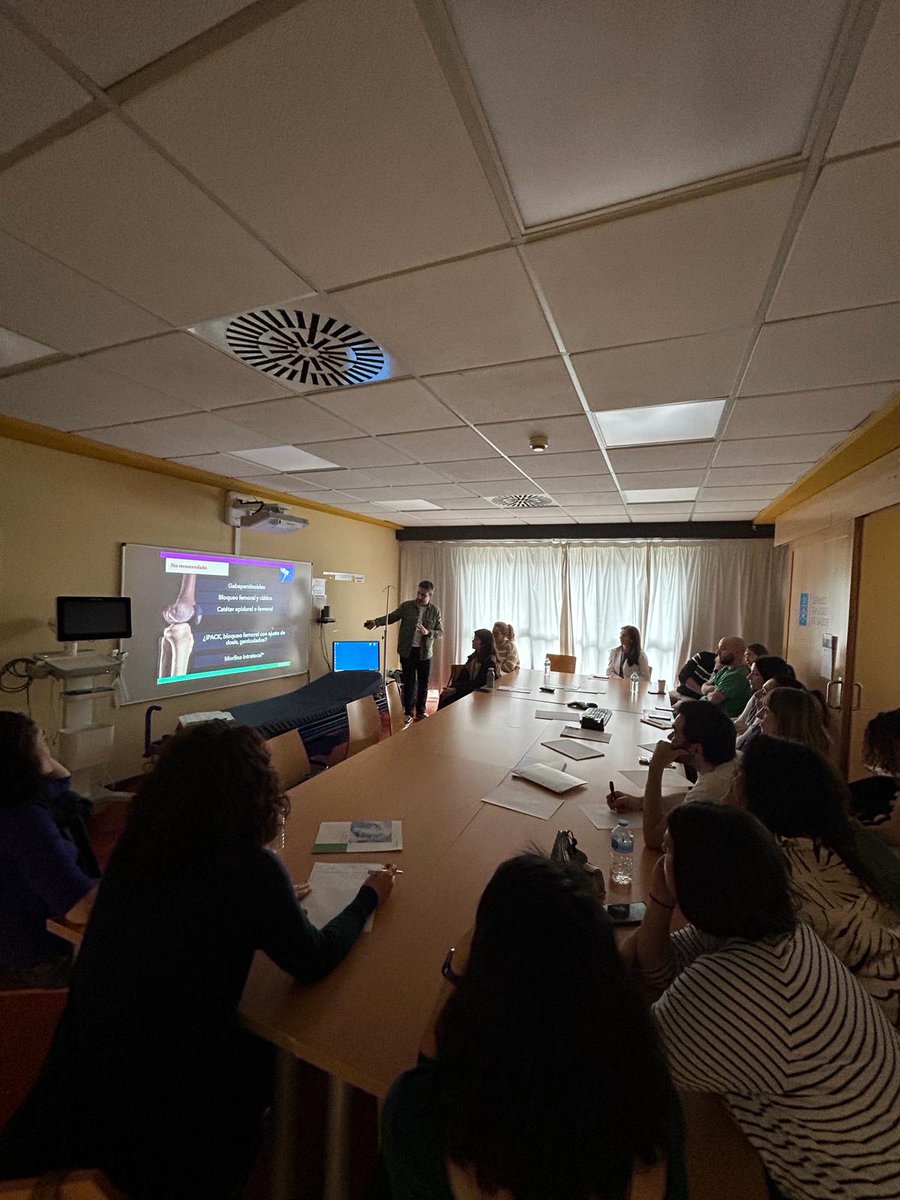
Gracias Pablo Casas Reza, por haber compartido tu conocimiento de Anestesia Locorregional, con el Servicio de Anestesiología, Reanimación y Terapia del Dolor @ponsalsergas, en el “Curso de Sonoanatomia de miembro inferior” @SanidadeXunta@sedar_es
Seguimos !
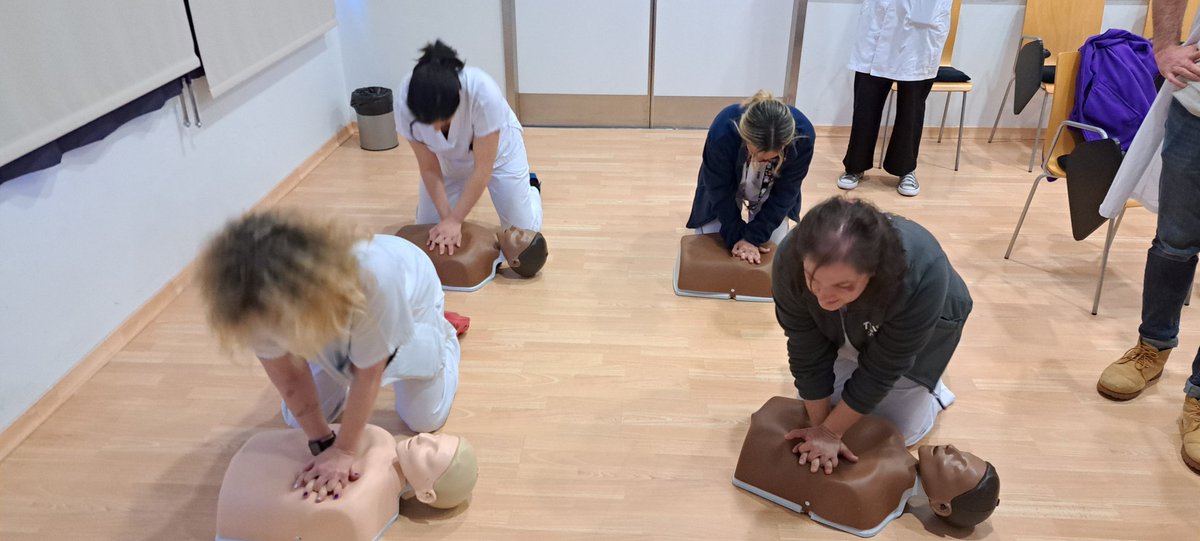
Desde Anestesia seguimos con cursos de SVB, esta vez con nuestros compañeros de radiología del hospital Abente y Lago y con los residentes de radiología.
Gran equipo con motivación y ganas de aprender.
#AnestChuac
@tamaran1975 @_REDAR_@sedar_es@JG_Anestesia@AbadGurumeta Recuerda que la calidad analgésica de la epidural es inigualable, pero la mejor calidad para el paciente es bastante discutible.
Hoy os proponemos un artículo original ✍🏻 sobre un procedimiento quirúrgico muy habitual: la cirugía de cadera.
PENG, Fascia iliaca, BN Femoral, B. Pericapsular... Más confort y menos EI asociados a uso de opioides 👌🏻👌🏻👌🏻
https://t.co/C0g6ffyYek
Beneficios de las maniobras de reclutamiento alveolar en cirugía laparoscópica de colon: mejoría gasométrica y mecánica mantenida en el tiempo.
@anestchuac#anestchuac
https://t.co/qT2BoSNh97
La importancia de las técnicas regionales en cirugía de cadera: los bloqueos nerviosos se asocian a menor consumo de opioides postoperatorios.
#anestchuac@AnestChuac@pacareza
https://t.co/jfYLeDs3tV
Tamén a cidade que non foi, como este proxecto de Tenreiro e Estelles para as Xubias, nas saias da cidade, unha zona para a que se propuña esta intervención 👇🏼
Que a estas alturas do conto, en Galicia non teñamos unha rede de cercanías (proximidades) coma na maioría de Comunidades Autónomas, é delictivo. Tomei a liberdade de plasmar o tremendamente sinxelo que sería implantalo na #Coruña sobre a rede existente (a maioría sen uso) [FÍO]
Las guías PROSPECT suponen una colaboración a nivel mundial entre cirujanos y anestesistas. Nos dan recomendaciones sobre el manejo analgésico perioperatorio en determinadas cirugías. Tras 16 años, el año pasado se actualizaron las de PTR.
https://t.co/uoFIylC30b












![Gallecu's tweet photo. Que a estas alturas do conto, en Galicia non teñamos unha rede de cercanías (proximidades) coma na maioría de Comunidades Autónomas, é delictivo. Tomei a liberdade de plasmar o tremendamente sinxelo que sería implantalo na #Coruña sobre a rede existente (a maioría sen uso) [FÍO] https://t.co/fMunptgYkU](https://pbs.twimg.com/media/F45Q_P1XQAAgk_M.jpg)