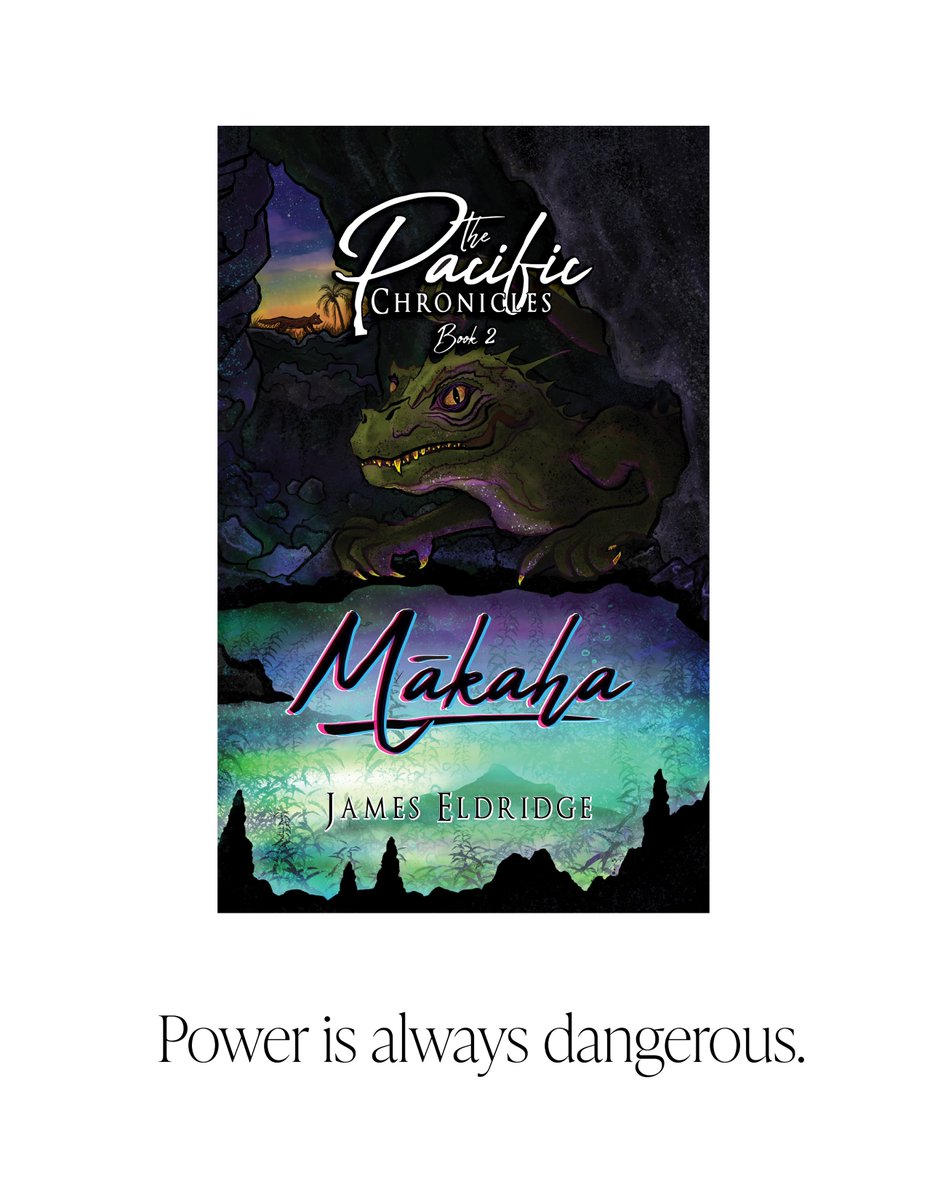
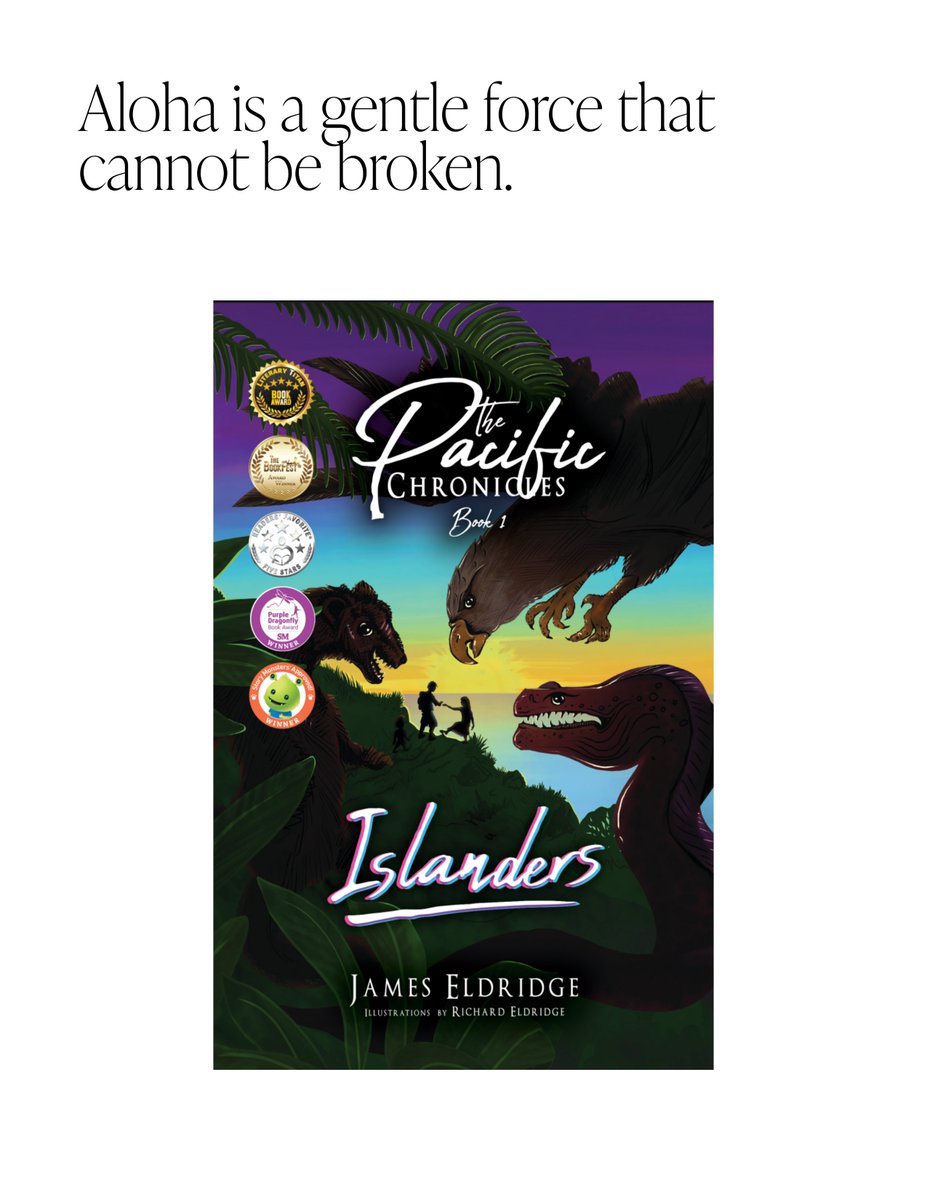
Award-winning multicultural book series The Pacific Chronicles is “a middle-grade romp” through the Hawaiian Islands 🌺🏝🪼| Mākaha (Book 2) arrives Nov. ‘24!
Coqui Frogs were accidentally introduced to the Big Island in the late 1980’s on imported nursery plants.
A native amphibian originating Puerto Rico, coqui in Hawai‛i lack the natural predators that keep their population in balance, and their numbers quickly exceeded the population densities of their home country.
On Hawai‛i Island, coquis have been recorded to reach densities as high as 2,000 frogs per acre, more than twice the number found in similar areas in the Caribbean.
Hawai‛i evolved with no native terrestrial amphibians, and the natural ecosystem here is not adapted for their presence. Coqui are voracious eaters and although they will consume any insect they find, most of their forage time is spent in leaf piles looking for insects.
The distinctive KO-kee call that gives the frog its name can reach 100 decibels which is louder than many power tools and lawn equipment, and can be very disruptive for residents in infested areas.
The males will begin calling from sunset all through night until sunrise to ward off competitors and attract a mate. In the morning, the frogs retreat to the ground and look for moist, shady areas to spend the day.
While they are considered a tree frog, most are capable hitchhikers who have evolved to move with human belongings as we travel from place to place.
Although potted plants are the most common route of spread for many invasive plants, coqui are known to travel in garbage cans, vehicles, camping equipment, and whatever they can cling to.
In my upcoming book, coqui frogs ride myna birds into battle in an onslaught against the native species of the Hawaiian islands.
Mākaha: The Pacific Chronicles arrives Nov. 28th, 2024
The controversial sequel to Islanders has entered the editing stage!
Arriving in November, the saga continues with the origin story of the villain and mastermind behind the attack on the Hidden Valley.
#amwriting
“Your eyes full?”
Kaimana jumped. It had been a couple of days but he still could not get used to how Molawa always snuck up on him.
“Yeah. My… eyes are full?” He wasn’t quite sure what that meant but it sounded like something he might repeat in the future.
“Lotsa weapons and stuff here, huh?” Molawa picked up a strange-looking weapon from the low table beside him.
“Know what this is?” He asked, waving it around.
“Nope.” Kaimana didn’t have a clue. He stared at it.
“It’s a lei-o-mano”, a shark-tooth club. We gathered these lil’ babies off the sea floor” Molawa gently touched one of the white shark teeth “and fastened them to this Koa wood. Makes a great rat-smasher.”
Kaimana gulped. Reality of what was about to take place was slowly settling in.
“And this here is a Pohaku. But I call it a gourd-bruiser. Know why?” Kaimana blinked as he looked at the wooden club with a large grey stone fastened to the end of it.
“Because you bruise gourds or heads with it?” He said slowly.
“That’s right. I’ve trained many, many hours with this bad boy.” Molawa said cheerfully, placing the weapon back on the table.
“What’s this?” Molawa picked up a small, Menehune-sized red leathery-fabric cape. It was surprisingly light and incredibly strong. He pulled at it between his hands as hard as he could. The fabric didn’t stretch even a little.
“That’s Chief’s.” Molawa said dryly.
Kaimana immediately put it back, hastily trying to get it folded how it was when he’d seen it.
“She has a cape?” Kaimana asked.
“Nah, that’s not just a cape. It’s a lot more. Chief can use that to stop arrows and spears.” Molawa said with a tinge of admiration to his voice.
“No way. Seriously?” Kaimana said in disbelief.
“Way. Seriously.” Molawa said. “She doesn’t mess around. Kanaka trained her. I’ve seen her just…” Molawa swung an arm gently out from his side as he spoke: “Wipe away arrows and stones as if they were nothing.”
“Whoa.” Kaimana said, trying to conjure up the imagery in his mind.