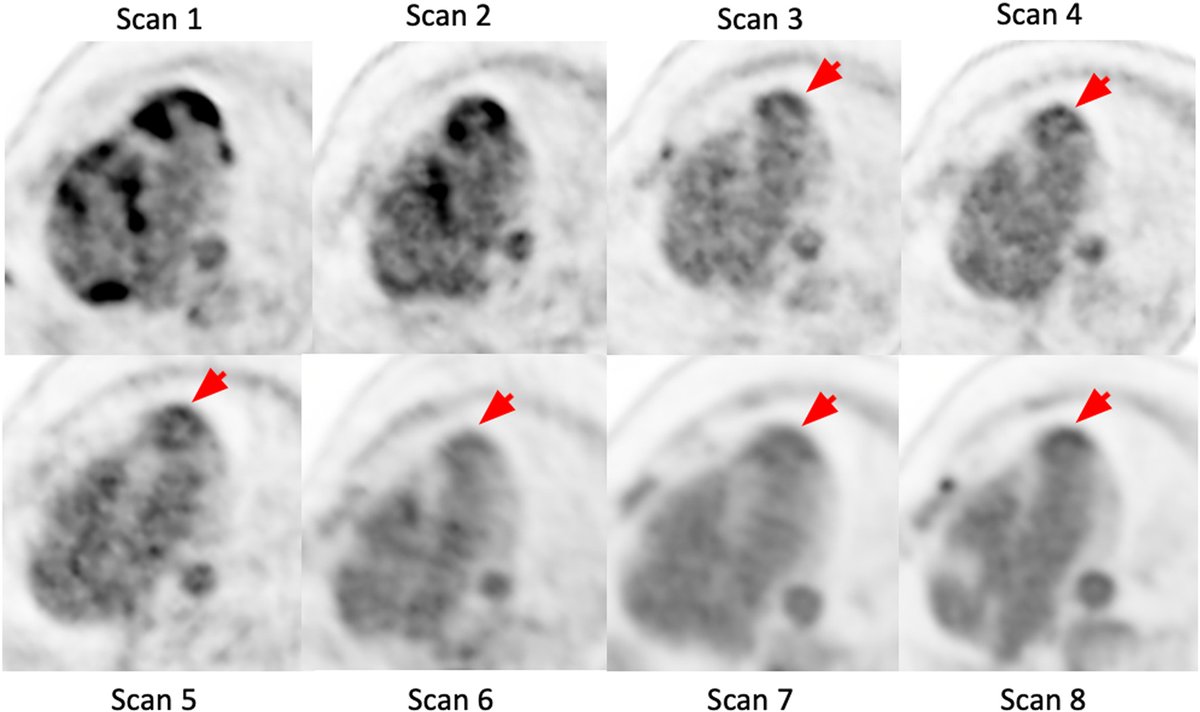
@UGrewalMD@emirhanharbi23@OncoThor@RonnyAllan1@helops79 I don't think there are head-to-head studies, but based on what I've seen, Dotatate/dotanoc PET/CT are likely more sensitive to detect cardiac lesions. The thing is that it doesn't seem like having cardiac mets change the prognosis or management of these patients
@emirhanharbi23@OncoThor@UGrewalMD@RonnyAllan1@helops79 Sorry to interrupt your discussion, but we actually looked at this very question in the pub below:
Cardiac Neuroendocrine Tumor Metastases on 68Ga-DOTATATE PET/CT: Identification and Prognostic Significance | Journal of Nuclear Medicine
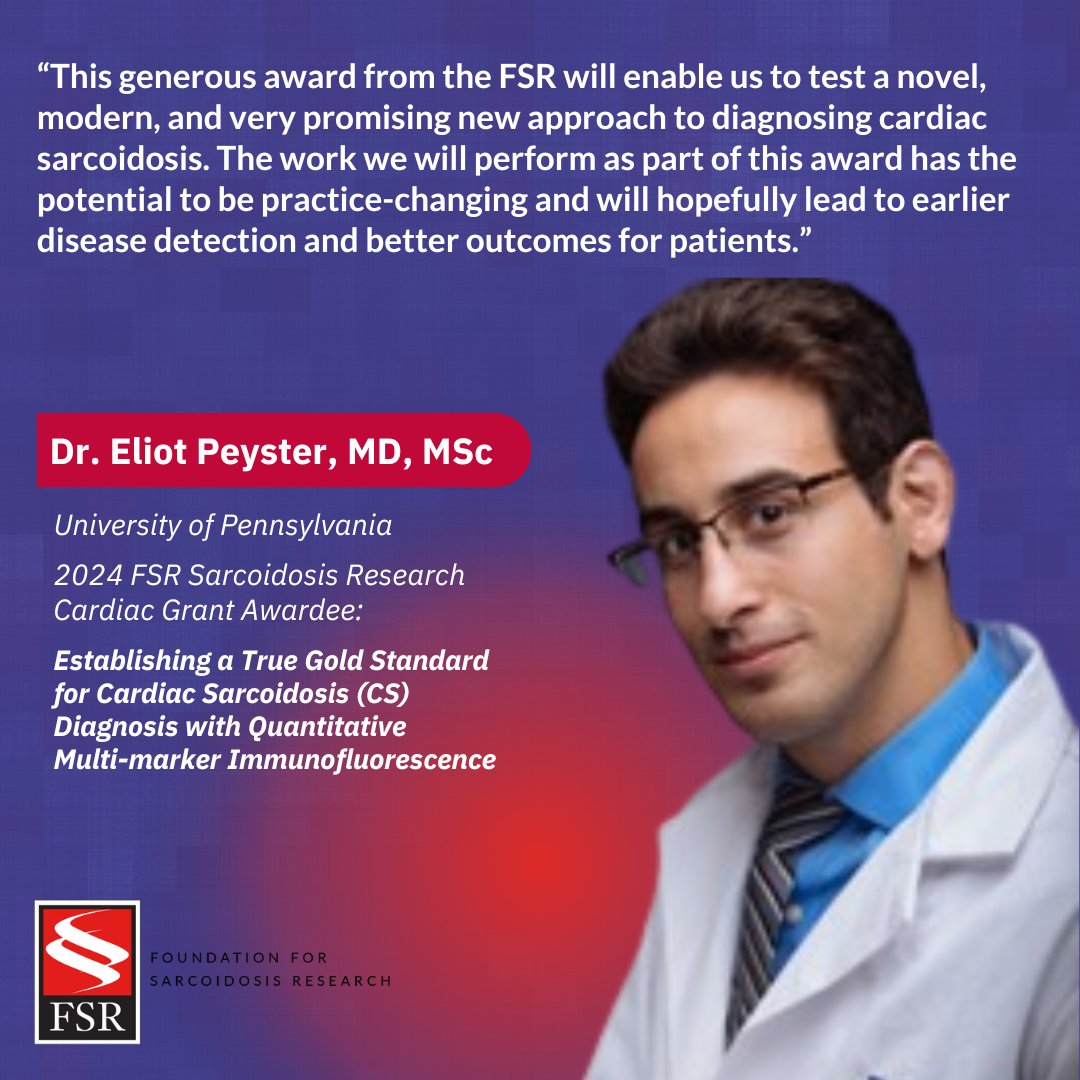
We are thrilled to announce Dr. Eliot Peyster, MD, MSc, from the University of Pennsylvania, as a recipient of the 2024 FSR Cardiac Sarcoidosis Grant
🔗 Learn more about FSR’s commitment to research: https://t.co/qGsEF0nttm
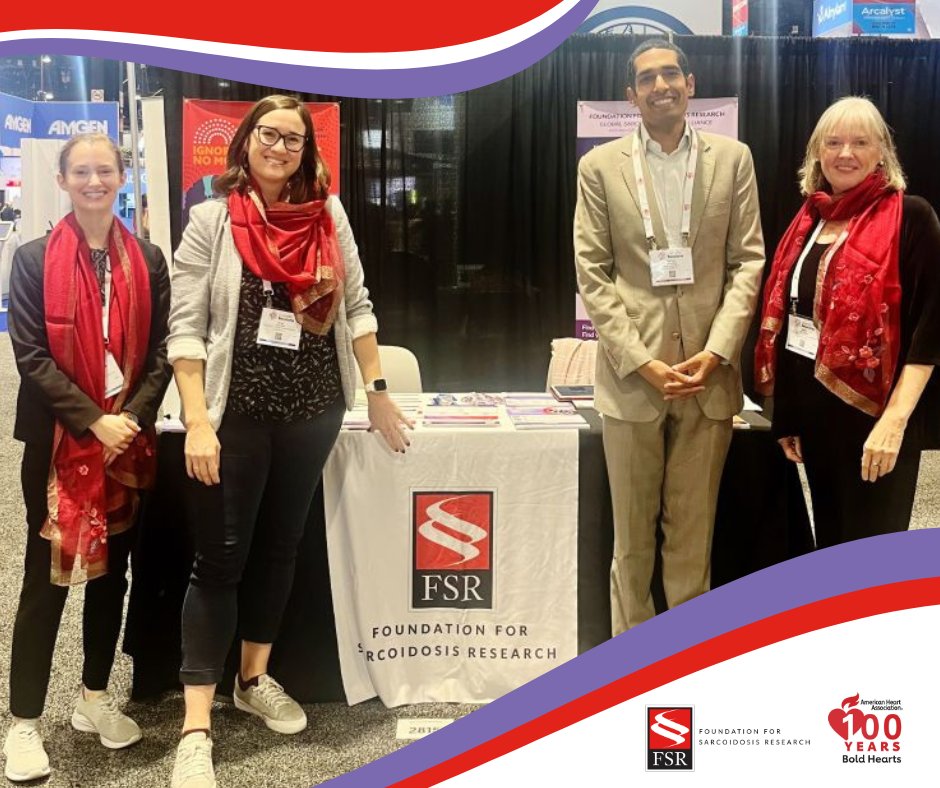
Advancing Awareness at AHA Scientific Sessions in Chicago! 🎉
📸: Dr. Selvaraj, our 2023 cardiac grantee, whose work is making a significant impact in the field of sarcoidosis research!
Together, we’re working to improve outcomes for those affected by sarcoidosis.
Measurement of point-of-care beta-hydroxybutyrate levels prior to FDG-PET is feasible and may facilitate the management of patients referred for myocardial inflammation @mkvidula @pacoebravo@PennCardiology@PennMedicine#AHAJournals@JiwonKimMD https://t.co/ksl4ZIpqUA
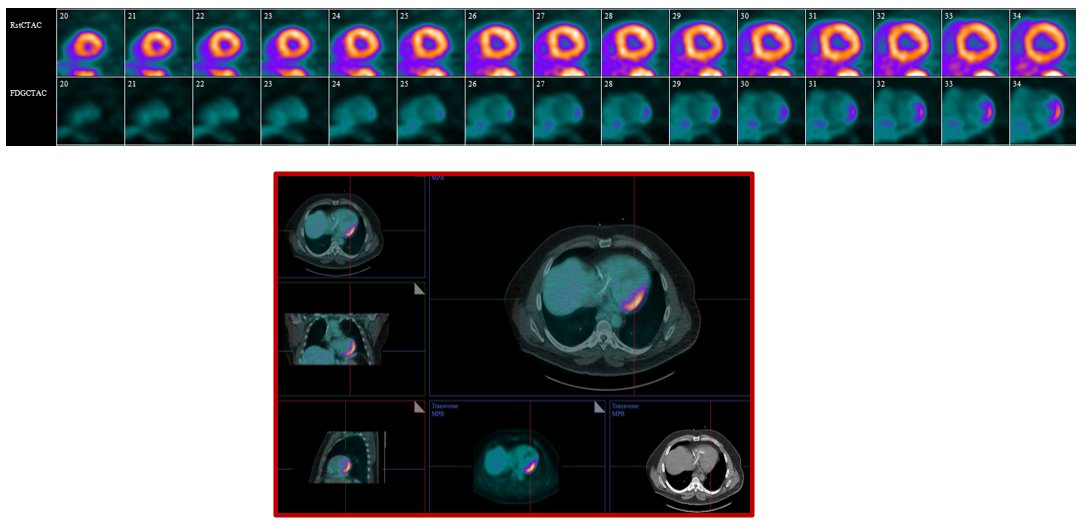
49-year-old with frequent VEs underwent rest Rb-82 imaging and 24-hr. carbohydrate-restricted diet for F-18 FDG PET to exclude cardiac sarcoidosis. Beta-hydroxybutyrate level < 0.2 mmol/L (normal > 0.3 mmol/L). What is your interpretation? Vote below.
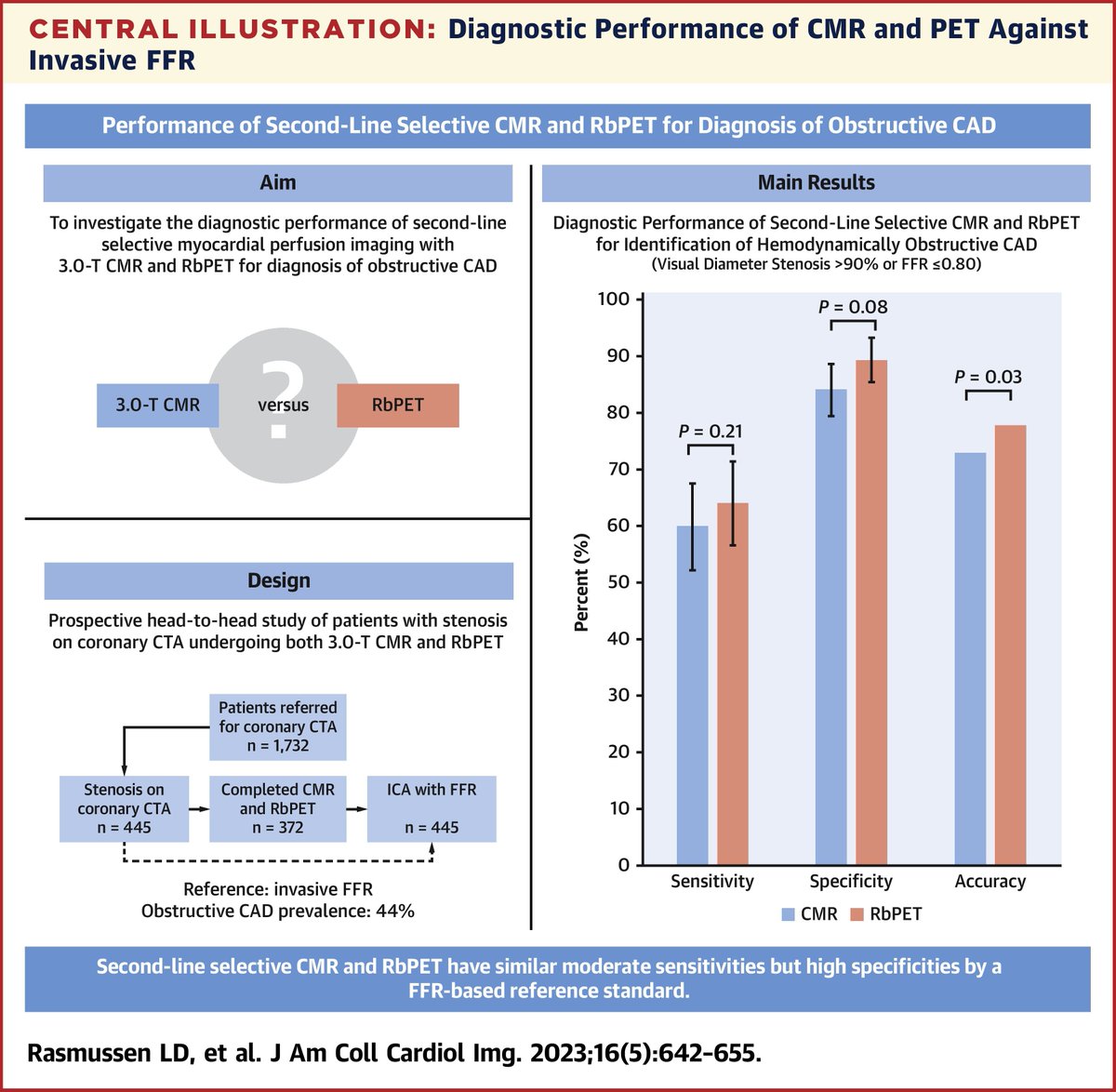
Stress perfusion battle royale! Through head to head comparison of stress perfusion #CMR vs 82Rb #cvPET after #YesCCT, both approaches had moderate sensitivities & high specificities to discriminate obstructive #cvCAD by #FFR. https://t.co/VfYboaIB29
#JACCIMG@lostrasmussen
A new @PennCardiology#clinicalcase aimed to:
👉formulate diagnoses of persistent FDG uptake on serial PET imaging
👉understand the mechanistic rationale of alt. causes that may result in persistent FDG uptake
https://t.co/ZJ8UQxe534
#Aneurysm#CVImaging @mkvidula @pacoebravo
Very happy to share our latest publication out today in @radiology_rsna, led by recent @imagingtoronto super-fellow @Mbwaitken 🔥👏
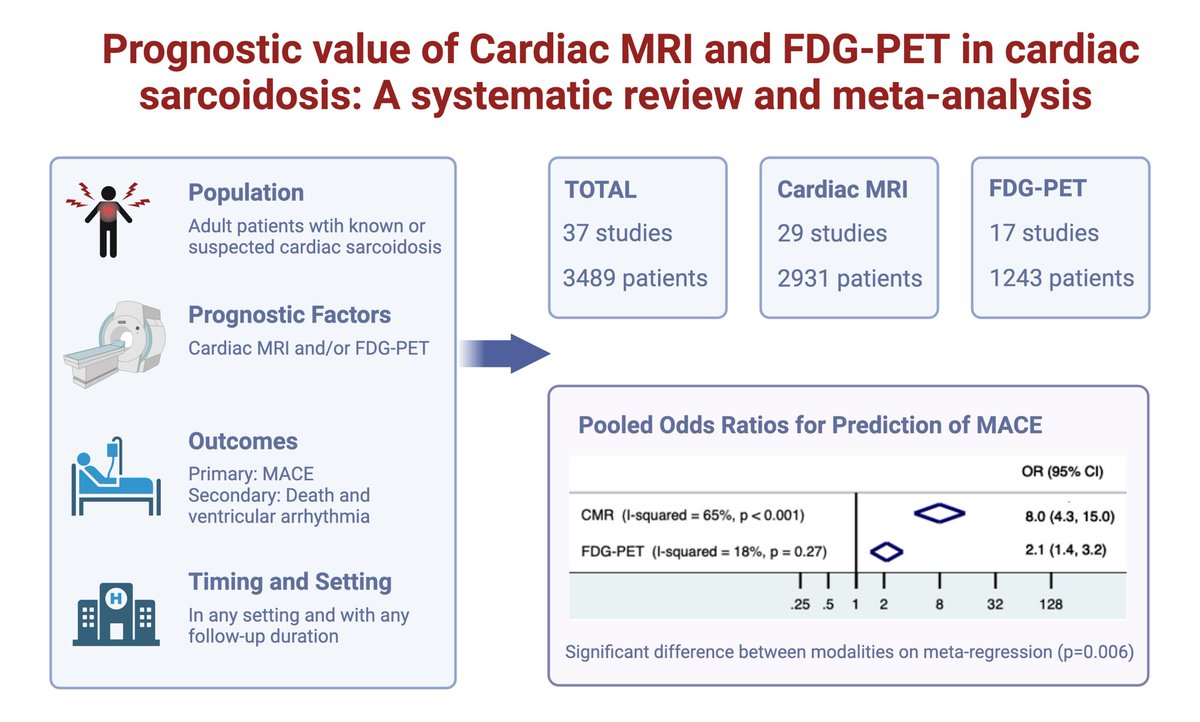
➡️ In a meta-analysis of 37 studies and 3489 patients, #whyCMR and #FDGPET were predictive of MACE in cardiac sarcoidosis
https://t.co/2NYJnXZf9h
Myocardial injury in patients with #COVID19 & suspected cardiac involvement is not well understood.
This 📄 by @mkvidula et al. aimed to characterize myocardial injury in these patients referred for #CMR.
👉 https://t.co/GReZwd1a3f
#CardioTwitter
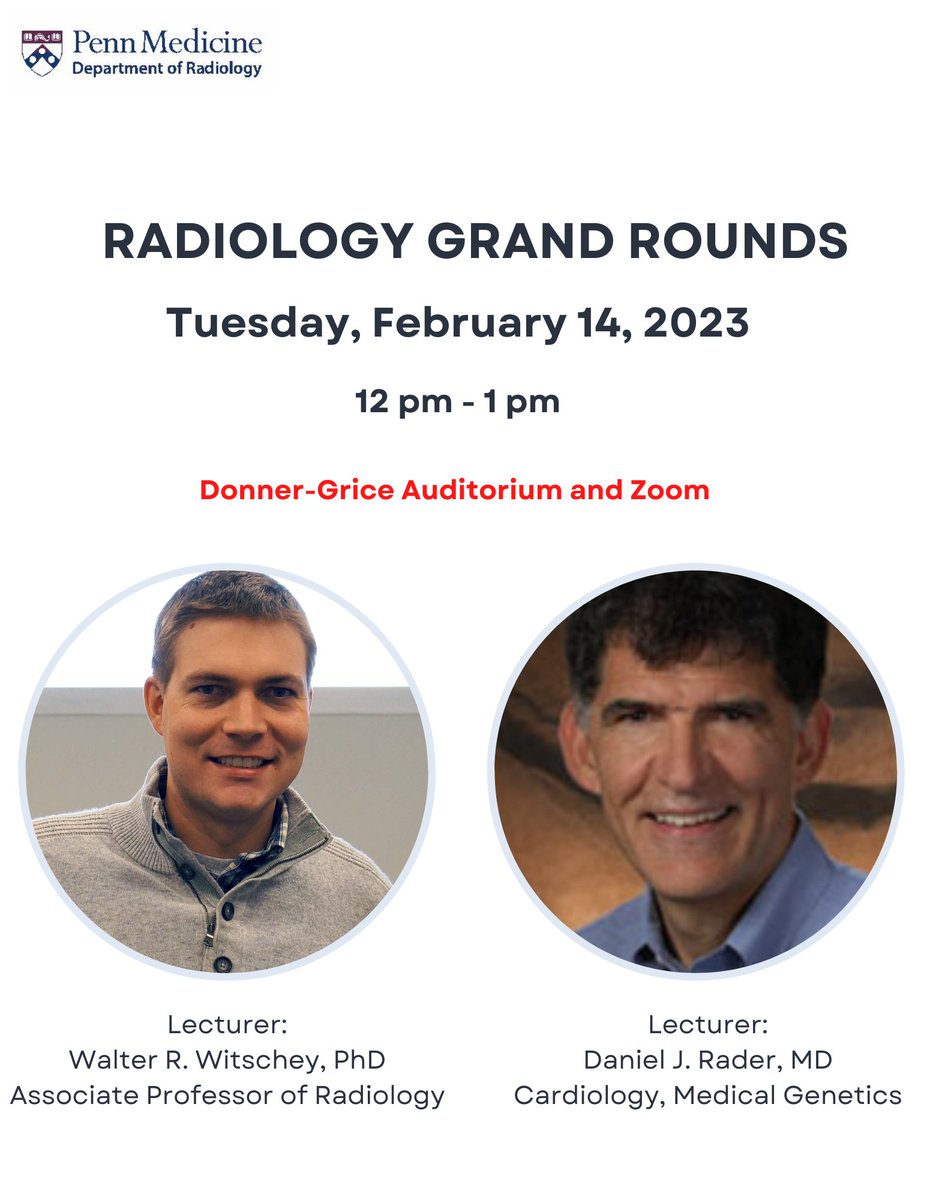
Don't miss another Radiology Grand Round Session next week, on Tuesday, February 14 @ 12-1 PM! In person and live-streaming available. Stay tuned for more details. #radiology#grandrounds
The Myocarditis Foundation is Pleased to Announce the Recipient of the Foundation’s 2022 Fellowship Grant Award. Read about Dr. KC’s research here https://t.co/G8vfhdiUMw
A new @pennmedicine study investigated the effect of immunosuppressive 🩺 therapy & biopsy 💉 status to achieve CTR, PTR or NR on myocardial FDG-PET/CT.
Learn more➡️ https://t.co/H5RollrTyg
@senthil_selv @mkvidula @leegoldbergmd8@pacoebravo
Excited to share the latest work form #AlmallahLabs|@almallahmo on the utility of🧪Beta-hydroxybutyrate in Detecting 🫀Myocardial🍬Glucose Uptake Suppression in Patients Undergoing Inflammatory [18F]-FDG☢️PET Studies #cvNuc
🔗👉https://t.co/Fl4PIZylgJ
A 🧵 [1/7]
@WilliamZoghbi