📡Recruiting a PhD Student! 🇪🇸
Join our new lab at the U.Jaén @ujaen to study how memories are regulated at the molecular level.
Collaborative team, southern Spain, funded by @AgEInves
Apply by early Sept.
Please share :)
#PhD#memory#neuroscience
🧵1/
How does the brain repair myelin after injury?
We mapped the full cellular choreography of white matter repair using snRNA-seq + Slide-seqv2, uncovering a type I interferon-driven glial program that recruits lymphocytes to promote remyelination.
https://t.co/sfGHA2RH9r
Very excited to share part of my postdoctoral work from the @RyanLabTCD, out now in @Nature. Here, my brilliant co-author @Andrea_MZamora and I explored the link between memory engrams and whole-body metabolism.
A thread: 🧵
https://t.co/LI9mYGyeix
Our new preprint on the experience dependent adaptation of the visual looming response instinct.
Representing the PhD work of @paconway_. Also featuring @liviautore, @Andrea_MZamora, @Clrar, @jamesoleary. And with collaborators @brimmmers & @InAnOther
https://t.co/TU4JIuJR2G
@thedennislab is at #SfN23#SfN2023
Superstar postdoc @NishanShettigar will present a poster
SUNDAY 8a-12 poster X25
& our fab collabs are presenting their other projects:
TODAY @paconway_ - poster 2-3p board TT8
TUESDAY @Froemkelab's Luisa Schuster - poster 8-9a board HH20
it's live! Our labor of love to the rat neuro community: whole rat brain clearing with DISCO techniques and a rat brain common coordinate framework with annotations and some good-enough code.
Cheers to never slicing again 🥂
https://t.co/Cc7iH5YA4P
So excited to share my PhD work on retroactive interference out now in @CellReports !!
Interference is a form of adaptive forgetting that modulates memory expression as a result of engram competition.
🐁🐁
https://t.co/vEfSpkI3Mf
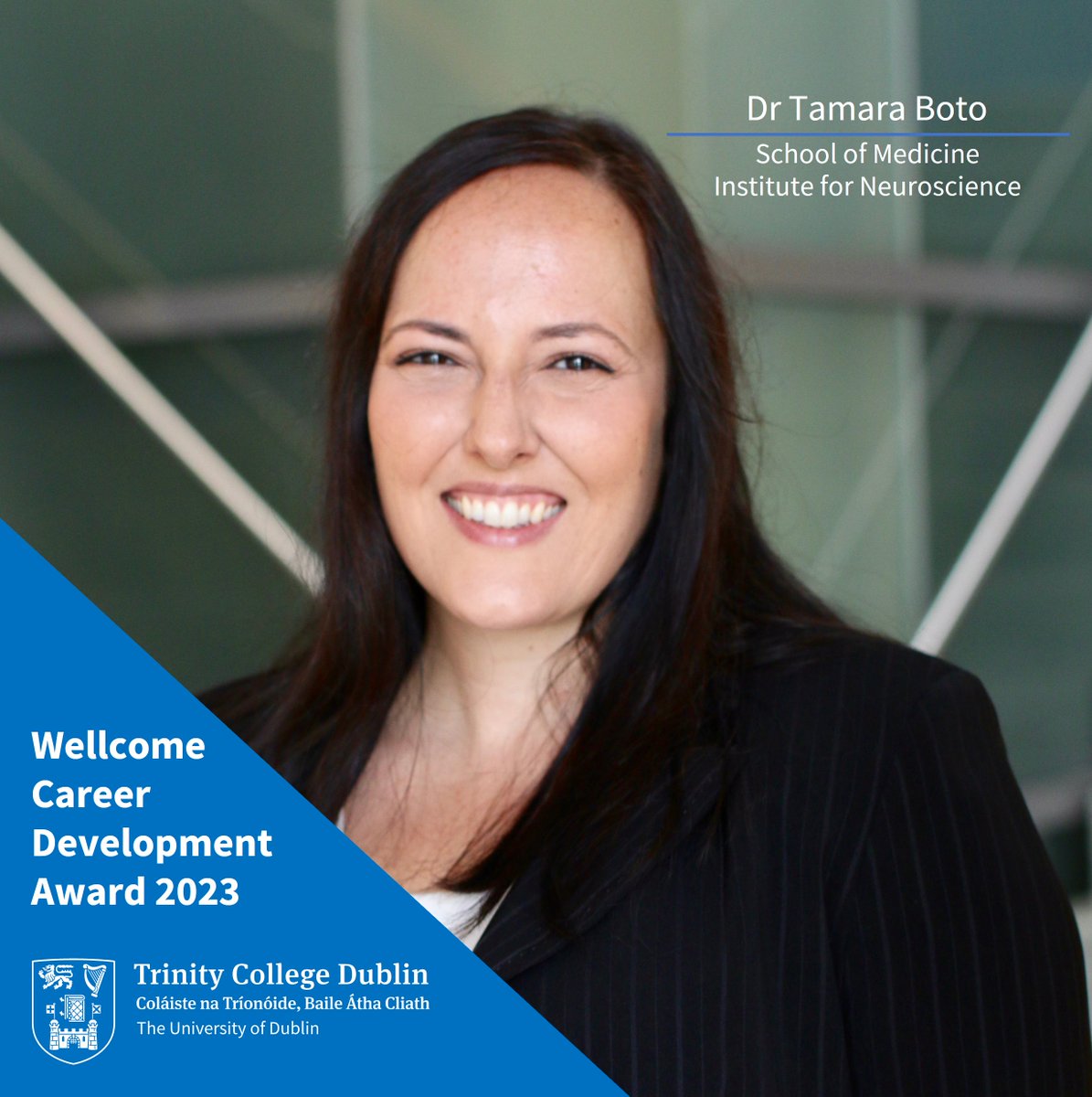
Warm congratulations to @tamaraboto of @tcdphysiology and @TCINeuroscience on her prestigious @wellcometrust Career Development Award valued at €1.8m. Dr Boto said this award gives her lab the means to contribute to our understanding of how brain works: https://t.co/AZ5DzvKrH1
New Ryan Lab preprint on the adaptive properties of forgetting - featuring the PhD research of Livia Autore, with @jamesoleary & @Clrar.
Adaptive Expression of Engrams by Retroactive Interference https://t.co/aRsUJOveTG
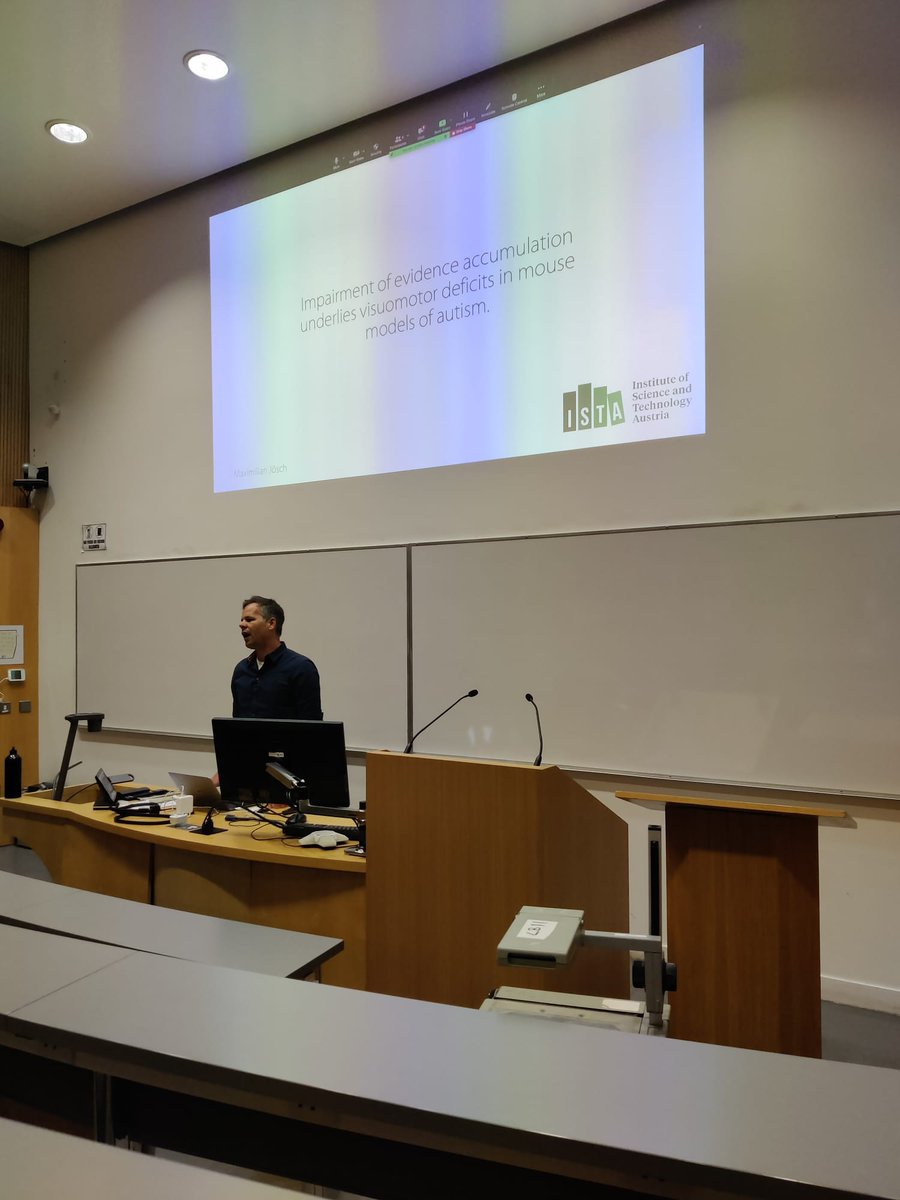
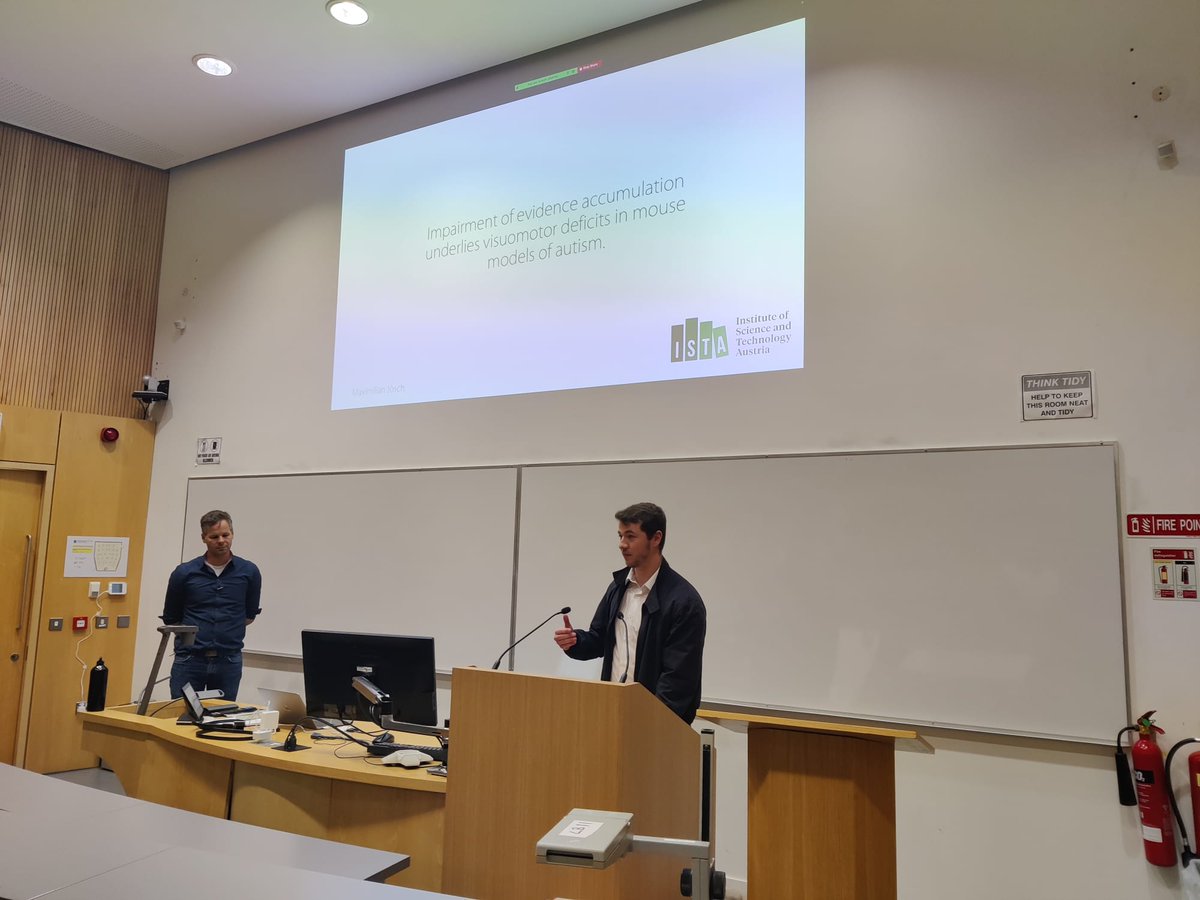
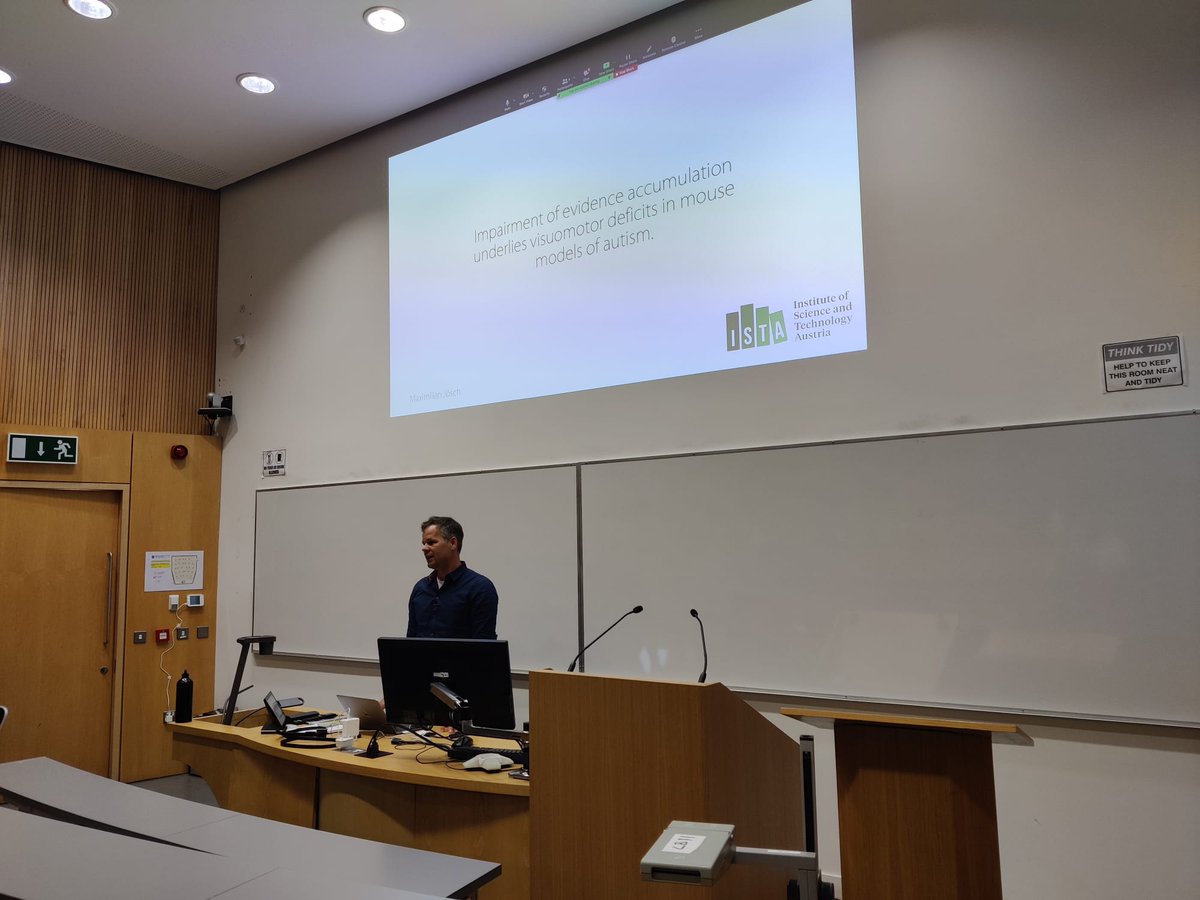
It was a pleasure to host @maxjosch with the @RyanLabTCD & @paconway_ this afternoon. He gave an excellent talk with an engaging discussion post presentation on innate changes in models of autism spectrum disorder. Thanks to all who joined us! 🧠
@cian_neuro For example - a video, which shows all pixels in an image simultaneously, is different than the eye, where each photoreceptor fires asynchronously. Is this something we can model in a DNN? Not to my knowledge today, but maybe it is doable
@cian_neuro Maybe with enough time, resources and smart people working together it could be done. I think it would be a very significant step though, and may require some nifty innovations
I think there is always something to learn, but it is of course just a perspective of a bigger picture
@cian_neuro The format of the input data is totally different, which would affect the types of computations performed. The brain receives temporally rich, multi-sensory data. Meanwhile For DNNs most inputs lacks a temporal dimension (RNNS do but are not in the same league...maybe someday?)
@cian_neuro Similarly the outputs are usually very different. Brains often have movement as the output such as locomotion, speech etc (complex problems themselves) whereas most DNNs have relatively simple outputs (what classification, which chess move should I make)