PRSH is a Pacific-led initiative tackling complex regional security challenges through engagement, research, education, and collaboration. @ucpacstudies @UCNZ
The Pacific Regional Security Hub (PRSH) is excited to be part of this research consortium led by University of Canterbury and PVC Distinguished Professor Steven Ratuva to map Fiji's illicit drug landscape.
@fiji_force@UCNZ@JLSousaSantos@ukinfiji
https://t.co/rnuOTOzgcE
I was pleased to speak at the New Zealand Government hosted Exercise Maru last week in Auckland from November 16-18, 2026.
Exercise Maru is a multinational exercise for Asia-Pacific countries focused on countering the illicit trafficking of weapons of mass destruction around the globe and part of the 116-country strong Proliferation Security Initiative.
Thank you to the New Zealand Ministry of Foreign Affairs & Trade for the invitation to speak alongside moderator John Borrie and fellow panellists Angela Woodward and Muhammad Faizal Bin Abdul Rahman.
My comments focussed on the potential for state and non-state actors to exploit established transnational criminal networks, trafficking routes and legitimate commercial infrastructure to facilitate the movement of weapons of mass destruction (WMD), their delivery systems and related materials. This raises important questions about whether existing maritime security arrangements in the Pacific are adequately equipped to identify and respond to emerging proliferation threats.
@PacSecurityHub@UCNZ@ForumSEC@ukinfiji
The Pacific Regional Security Hub was pleased to attend the (PICP) annual summit in Saipan last week.
This year was particularly significant as PICP transitioned into the Pacific PACPOL brings together PICP and the Pacific Policing Initiative (PPI) under one umbrella.
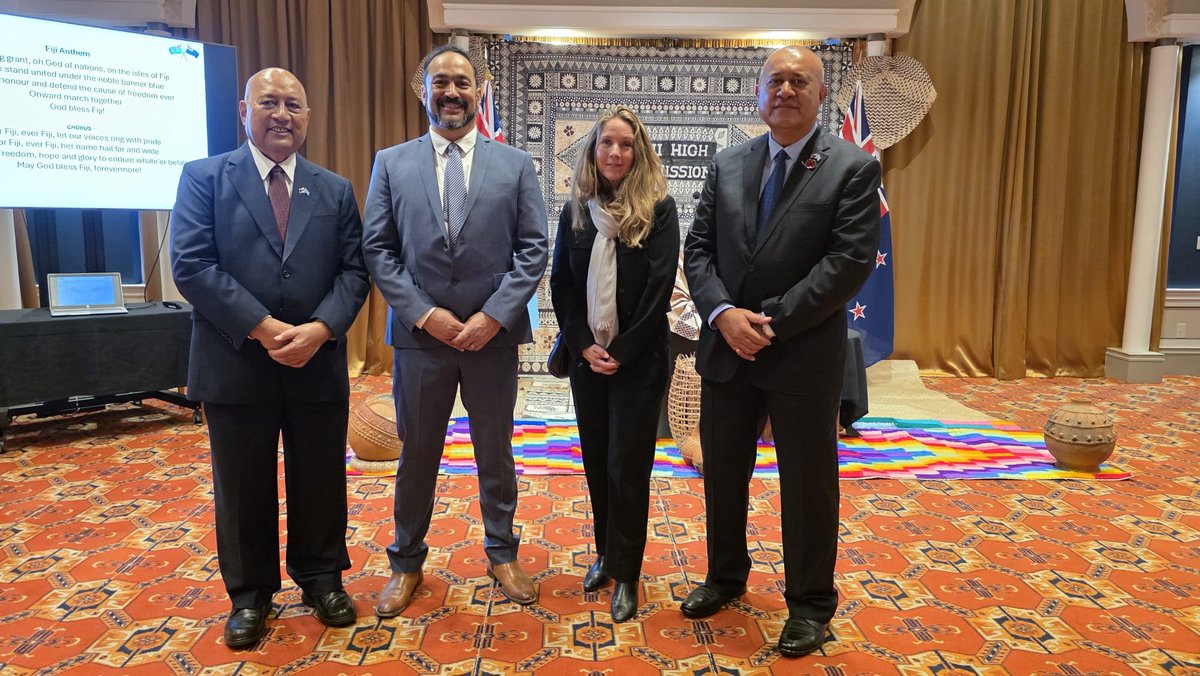
🇫🇯 Happy 56th Fiji 🇫🇯 Day. (PRSH)'s Jose Sousa-Santos was honoured to join the celebrations in Wellington hosted by Fiji's High Commissioner to NZ H.E. Ratu Inoke Kubuabola with guest of honour Minister for Policing Hon Ioane Naivalarua with Anna Powles Massey University
🇫🇯 Happy 56th Fiji 🇫🇯 Day. (PRSH)'s Jose Sousa-Santos was honoured to join the celebrations in Wellington hosted by Fiji's High Commissioner to NZ H.E. Ratu Inoke Kubuabola with guest of honour Minister for Policing Hon Ioane Naivalarua with Anna Powles Massey University
Today the U.S. State Department publicly designatied Zhao Fugang, the Director of the Overseas Chinese Service Center located in Fiji, for his involvement in significant corruption on behalf of China-based actors.
This is by no means new. For many of us working in the region on TNOC it was a well-known fact circa 2017.
In as early as 2021 Australian law enforcement designated Zhao to be a senior member of a transnational criminal syndicate that has been active in the region for decades.
In 2024 OCCRP published a report on Zhao:
A few months earlier I had written this:
And, of course, the 60 Minutes report by Nick McKenzie in May 2024.
So I am pleased to contribute comments to Stephen Dziedzic reporting on the issue today in which I talk about the way China has used alleged criminal networks as "strategically useful and plausibly deniable tools of the state".
"Certain illicit actors can become strategically useful when they extend influence, cultivate local elites, generate deniable economic leverage, support patriotic narratives, and operate in spaces where formal state power would attract resistance,".
For anyone interested in digging deeper into the issue, please see my article in Small Wars Journal on "China, Criminal Networks, and Gray Zone Competition". Link in comments below.
https://t.co/8svZoYqhFT
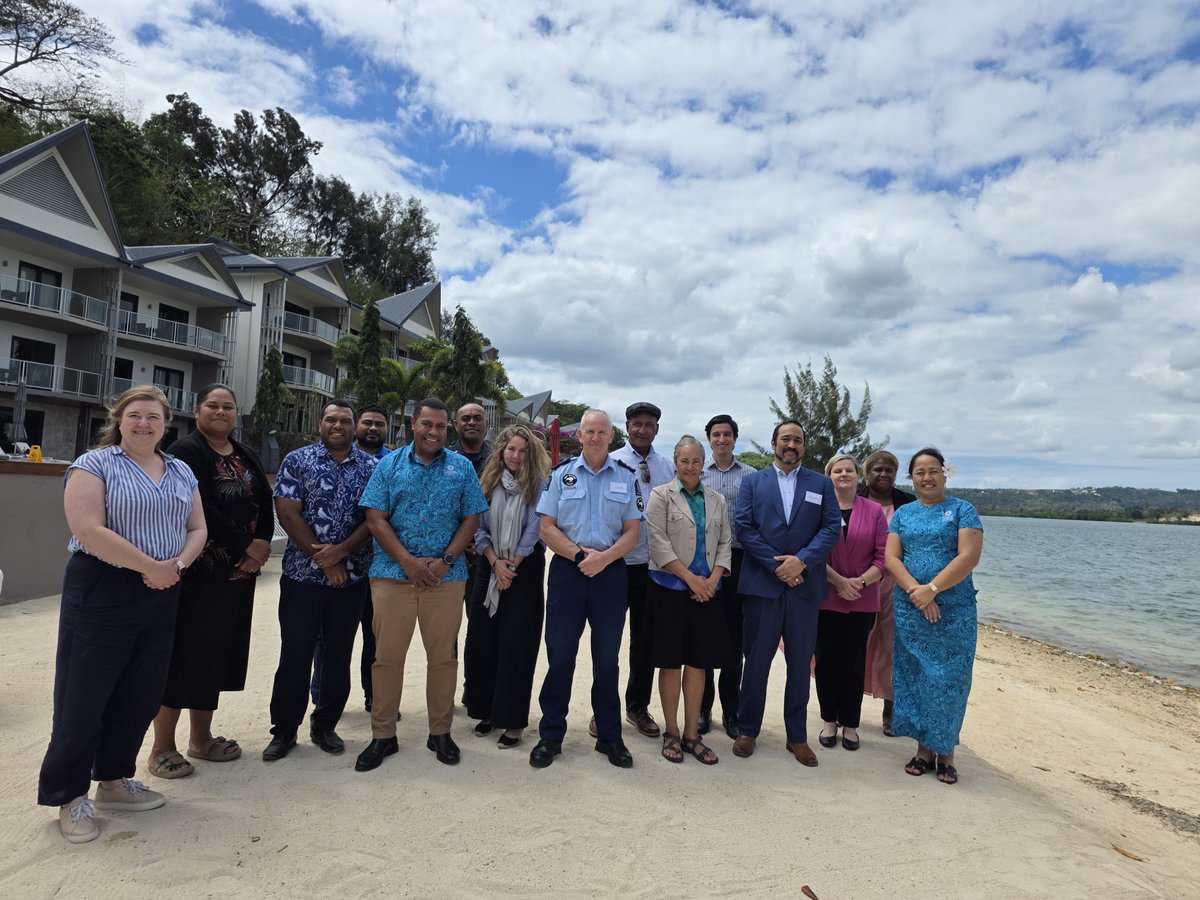
Foreign Information Manipulation and Interference (FIMI) in the Pacific Islands Region - Workshop (Port Vila · 22-23 September 2026)
The Pacific Regional Security Hub (PRSH) University of Canterbury in collaboration with the Pacific Fusion Centre (PFC) is running a regional FIMI worksho this week in Port Vila.
This workshop addresses the growing threat of Foreign Information Manipulation and Interference (FIMI) in the Pacific, where misinformation, disinformation and foreign influence campaigns are increasingly impacting public trust, decision-making and national sovereignty.
Bringing together Pacific and regional security, policy and diplomatic practitioners, the workshop builds a shared understanding of FIMI, strengthen participants’ ability to identify and respond to information threats, examine vulnerabilities and resilience within the Pacific information ecosystem, and develop practical tools such as a Pacific FIMI risk map, common terminology and priorities for future regional cooperation and capacity building.
Discussions addressed the need to understand the points of vulnerability and points of resilience across the Pacific information ecosystem.
Australia has tipped $600 million into a new scheme to tackle drug smuggling in the Pacific.
More than 17 tonnes of illicit cocaine and methamphetamine have been seized in Australia so far this year.
What's next?
As part of the scheme, surveillance of the Pacific Ocean will be bolstered, helping authorities to intercept smuggling vessels and so-called narco subs.
https://t.co/1p4TAb5RAM
Really pleased to see this piece out and a huge thanks to Small Wars Journal for the opportunity. I started researching state-condoned illicit disruptors years ago in Timor and it is unfortunate to see similar patterns in the Pacific.
https://t.co/uCuZTX5JcQ
In this #SWJEssay, Jose Sousa-Santos explains how China is using criminal networks as tools of the state.
Here’s how it works:
Criminal actors get access and influence; China gets another (deniable) tool in its gray zone campaign.
📑“China, Criminal Networks, and Gray Zone Competition” 🇨🇳
@PacSecurityHub #GrayZone
https://t.co/JnoMfAFm1t
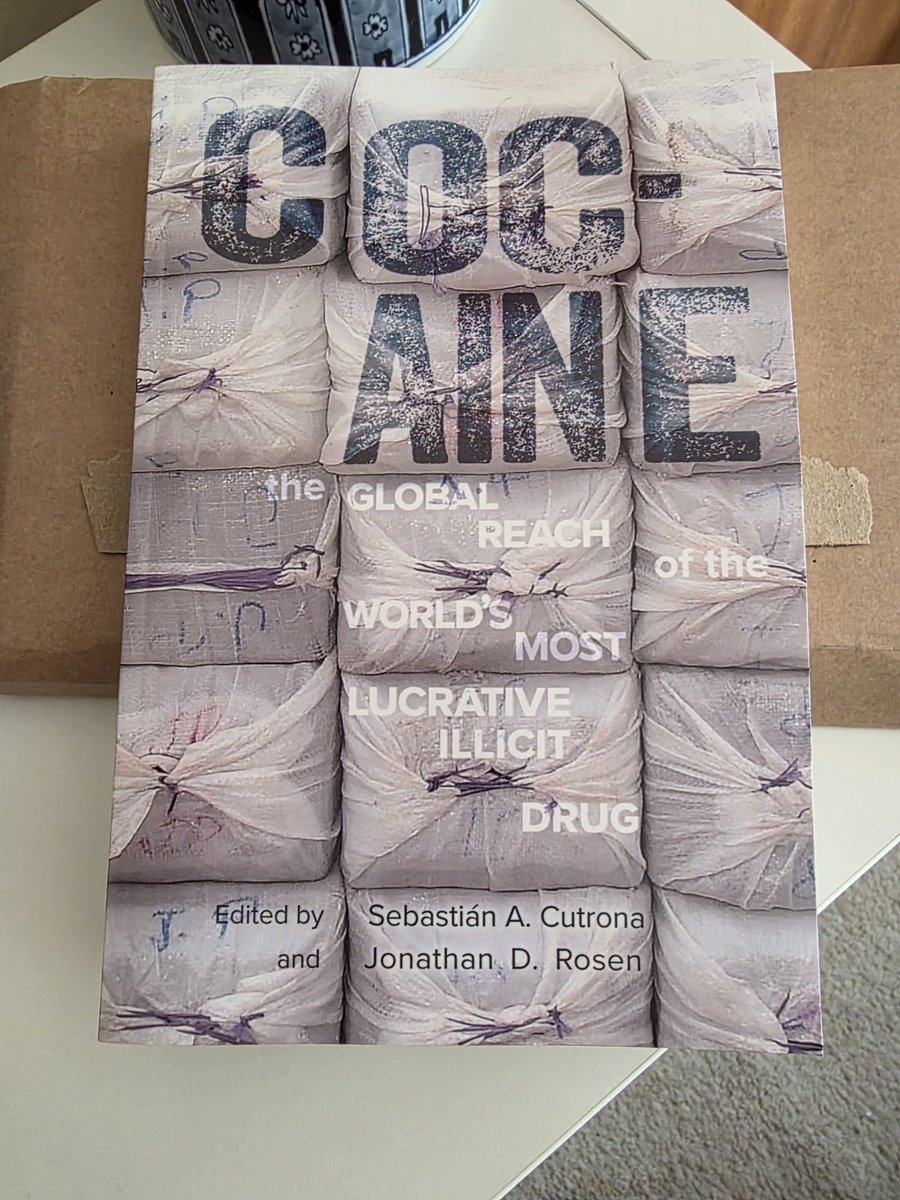
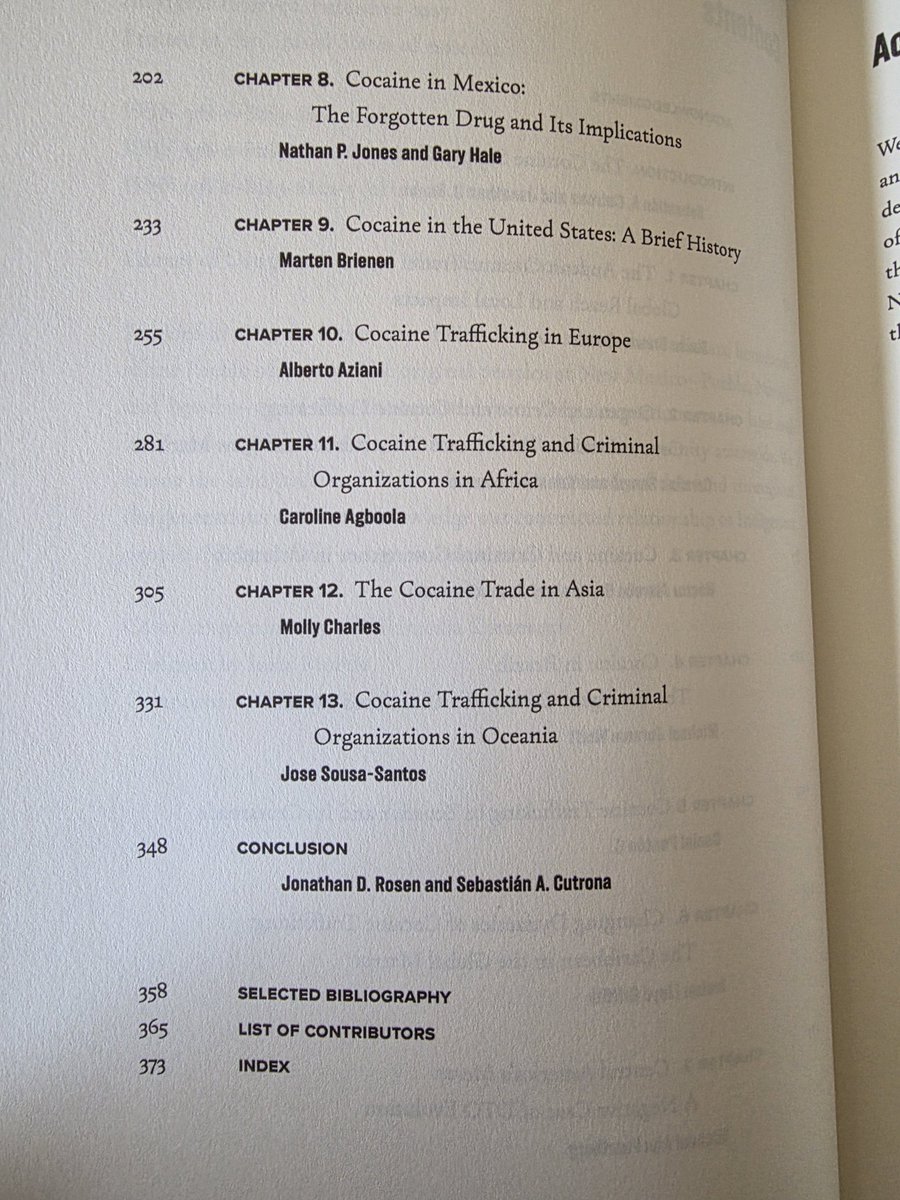
Thrilled to contribute a chapter on cocaine trafficking and criminal organisations in Oceania in "Cocaine: the Global Reach of the World's Most Lucrative Illicit Drug"edited by @scutronacastro and Jonathan D. Rosen.
This book will be a great resource for those interested in the global cocaine trade and the Pacific security landscape.
@EUPasifika@PacFusionCentre@UCNZ@PacSecurityHub@EUIPJMN@davidcapie
Play
Duration: 5 minutes 23 seconds5m
A major crackdown on international scam centers in Timor-Leste has resulted in 350 arrests.
Police raided multiple heavily secured call centre compounds over the past week in a major crackdown against what experts say is a growing trade in the developing nation.
https://t.co/IGNe6xLgZm
Come and join our team at the
Pacific Regional Security Hub (PRSH).
We are seeking an experienced Project Manager to support and coordinate the Pacific Regional Security Hub (PRSH) within the Macmillan Brown Centre for Pacific Studies at the University of Canterbury. This role plays a central part in ensuring the effective delivery of research programmes, stakeholder engagement, reporting, and operational coordination across a dynamic, regionally focused research environment.
You will be responsible for the coordination and delivery of PRSH projects, ensuring smooth day-to-day operations and alignment with agreed objectives. This includes managing timelines, supporting research outputs, coordinating events, and maintaining strong communication across internal and external stakeholders.
https://t.co/SUHrsagtQB.
Solomon Islands PM Mathew Wale engaged in some serious strategic signaling visiting both Canberra and Wellington shortly after being elected into the top job. 1/2 https://t.co/PfG5xdWjqt
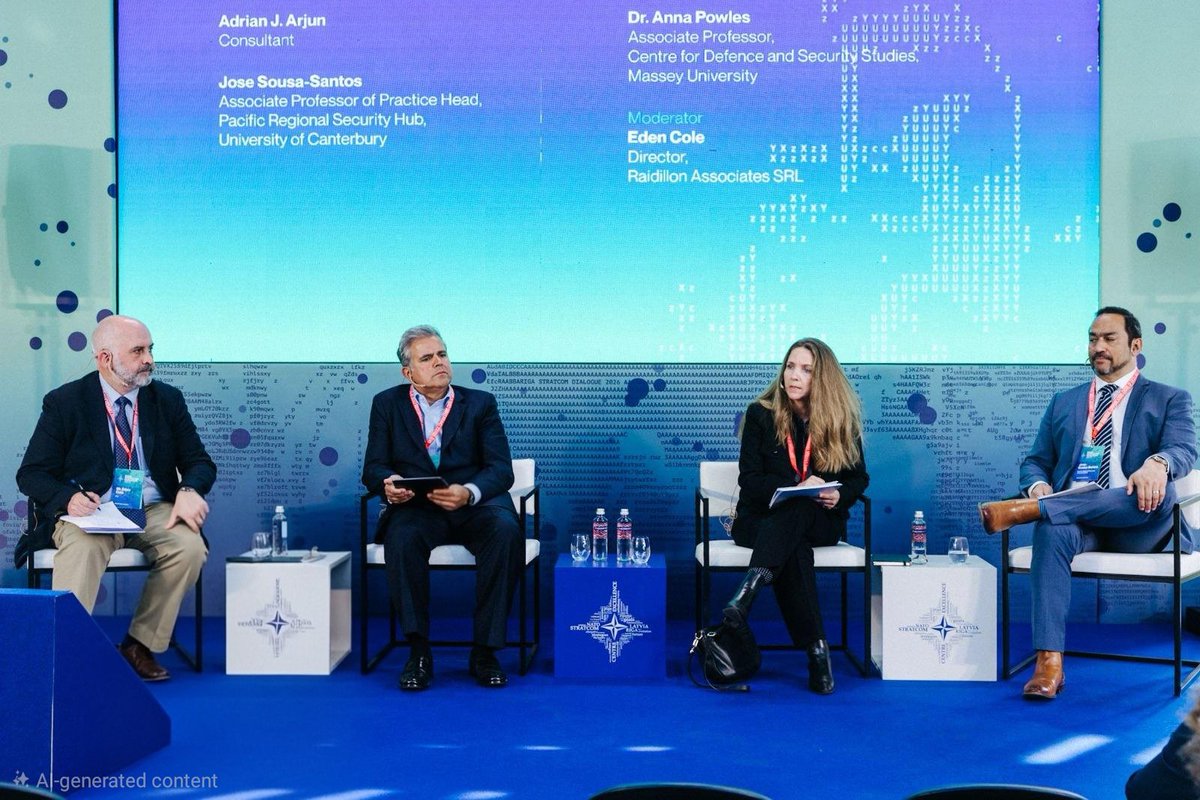
"From a NATO partnership perspective, the Pacific matters not because NATO seeks to expand into the region, but because the security challenges affecting the Euro-Atlantic and Indo-Pacific theatres are becoming increasingly interconnected.
Russia's invasion of Ukraine demonstrated that security crises in one region have global consequences. Likewise, developments in the Indo-Pacific have implications far beyond Asia. This is why NATO has deepened engagement with its Indo-Pacific Partners—the IP4 of Australia, New Zealand, Japan, and the Republic of Korea.
Three of these partners are Pacific Rim nations with deep historical, political, and economic ties to the Pacific Islands region.
The Pacific is no longer peripheral.
It is increasingly central." ##rigastratcomdialogue @PacSecurityHub
Europe should engage Pacific nations. Not invasively, and respecting their culture. Rather in a manner that benefits both sides. The region is very important for NATO if they want to avoid further fracturing".
- Mr. @JLSousaSantos of @ucpacstudies at the #RigaStratComDialogue
The Pacific Regional Security Hub (PRSH) would like to thank #IISS for a fantastic few days at the #ShangriLaDialogue. It was disappointing not to see more Pacific delegations at #SLD26 as it is an invaluable opportunity to be part of global security and economic discussions
@JLSousaSantos A highlight for #PRSH was meeting with the President of Timor-Leste HE Dr José Ramos-Horta and discussing greater cooperation and partnerships both in the security and economic domains as well as engaging with delegations from #Japan and others across the globe