The youngsters to the R16 🔥
Kang Khai Xing/Aaron Tai 🇲🇾 won against Satwiksairaj Rankireddy/Chirag Shetty 🇮🇳
23-21
21-12
"We promise we will fight", and yes, they did!!! They delivered it perfectly indeed. Highest focus till the end by our pair 🔥
#AllEngland2026
MINOCA: https://t.co/qxLwoO4bTV
Causes ; range from plaque rupture & coronary vasospasm to microvascular dysfunction & SCAD. Cardiac MRI & advanced imaging are essential to identify the etiology and guide targeted therapy.
#MINOCA#Cardiology
Athlete’s Heart: How Endurance and Strength Training Shape the Heart Differently
The human heart is incredibly adaptable. Depending on the type of training you do, it remodels itself in different ways to support your performance. Endurance sports and strength sports place very different demands on the body and the heart responds accordingly.
🏃 Endurance Training
(Running, cycling, hockey, swimming, etc.)
Endurance workouts keep the heart pumping large amounts of blood for long periods. Because it has to handle this constant high blood flow, the heart gradually expands.
What happens inside the heart:
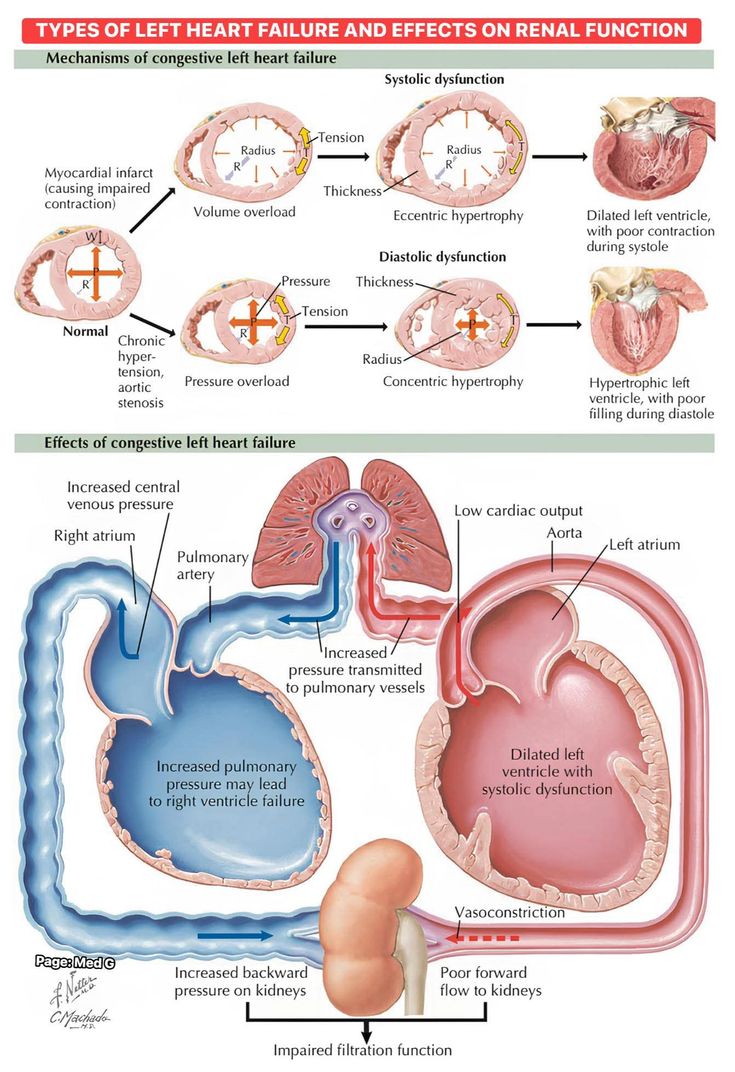
◽The left ventricle becomes bigger on the inside while its wall thickens proportionally (eccentric hypertrophy).
◽The right ventricle and both atria may also become slightly enlarged.
The heart may appear to pump a little less strongly at rest, but this is simply because it has become bigger and more efficient, not weaker.
Why this happens:
A larger heart can move more blood with each beat, making long-distance performance easier and more efficient.
🏋️ Strength Training
(Weightlifting, wrestling, powerlifting, CrossFit, etc.)
Heavy resistance exercises cause short bursts of very high blood pressure. To handle this pressure load, the heart adapts differently.
What happens inside the heart:
◾The left ventricle walls become thicker without much change in chamber size (concentric hypertrophy).
◾The right ventricle usually stays the same.
◾The pumping strength at rest often remains normal or even better than normal.
Why this happens:
A thicker heart muscle can generate the force needed to push against high pressure during heavy lifts similar to strengthening any other muscle used for power.
❤️ Why This Matters
These changes are normal, healthy adaptations known as athlete’s heart. They help athletes perform at their best.
However, understanding these patterns is important because they can sometimes look similar to heart diseases such as hypertrophic cardiomyopathy or arrhythmogenic right ventricular cardiomyopathy.
Proper evaluation ensures that normal athletic changes aren’t mistaken for dangerous conditions.
@TrackYourHeart
🚨 STEMI Equivalents Every Clinician Should Know! ❤️🔥
Not all acute coronary occlusions show classic ST elevation!
🎯 Remember: these patterns = acute coronary occlusion until proven otherwise!
🩺 Don’t miss them — time = myocardium ⏱️
📚 Reference:
https://t.co/dhragJN7lG
Myocardial Performance Index (Tei Index)= Interesting one 😍
The Tei Index, named after Dr. Chuwa Tei is a Doppler-based, noninvasive measure of global ventricular function, combining both systolic & diastolic performance.
How it’s measured:
⬜ Obtained using pulsed and continuous wave Doppler of mitral inflow (A4C view) and LV outflow (A5C view).
⬜ Key time intervals are measured:
a. IVCT ➡️ Isovolumetric Contraction Time
b. IVRT ➡️Isovolumetric Relaxation Time
c. ET ➡️ Ejection Time
Formula:
Tei Index = (IVCT + IVRT) / ET
or
Tei Index = (a - b) / b
a = time from mitral valve closure to opening
b = aortic ejection time
Normal Values:
LV Tei Index: ≤ 0.40
RV Tei Index: ≤ 0.43
Interpretation:
🔵 Higher Tei Index = Worsening ventricular function
🔵 Sensitive for detecting early dysfunction, even when LVEF is preserved.
Clinical Significance:
- Helpful in evaluating cardiomyopathies, heart failure, congenital heart disease, and transplant rejection.
- Valuable in both pediatric and adult cardiology.
(Ref: Bulwer BE & Solomon SD. In Essential Echocardiography: A Companion to Braunwald’s Heart Disease. Elsevier, 2019)
@TrackYourHeart ✅ Answer: A) Spironolactone
💊 Explanation:
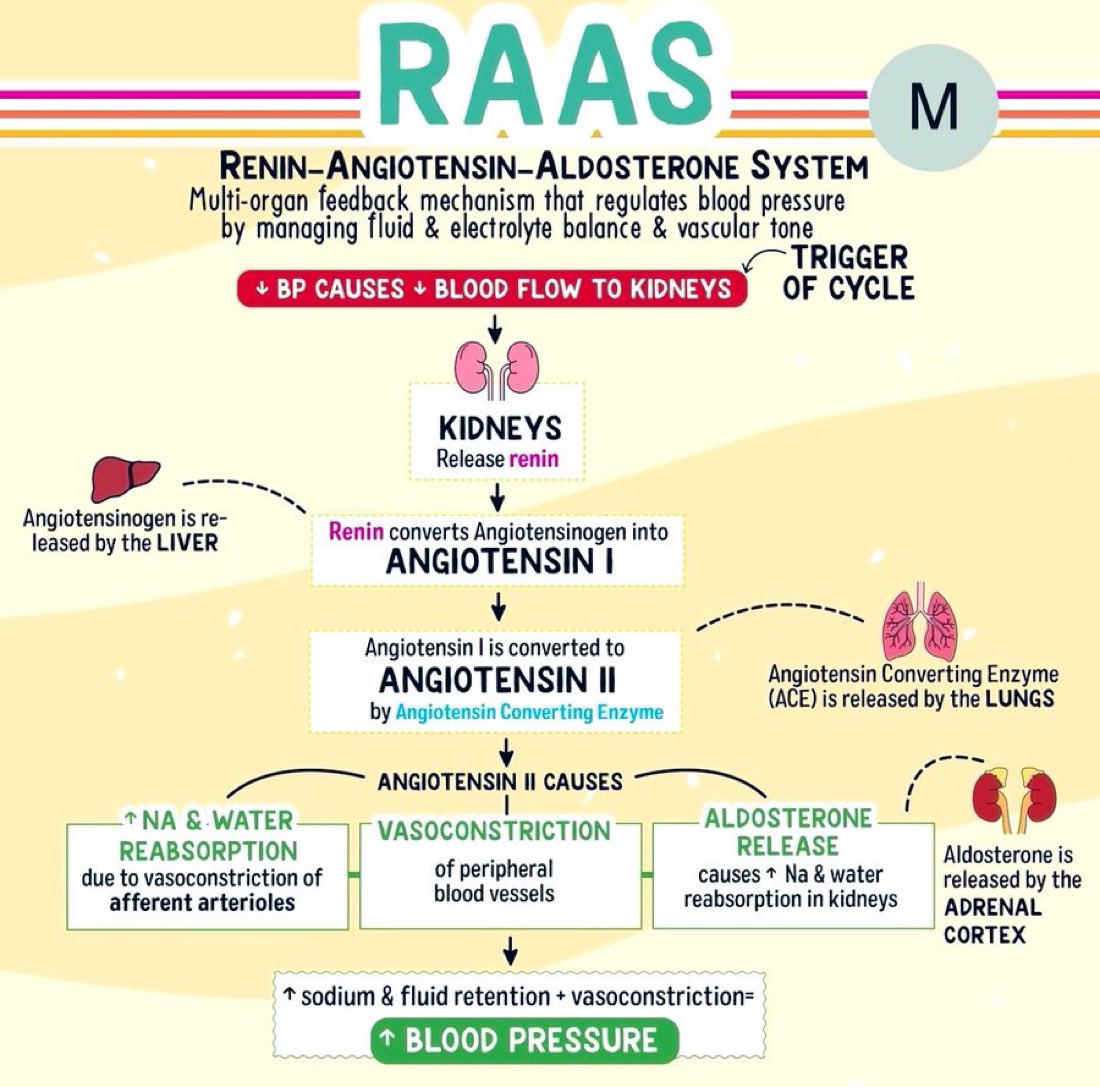
Spironolactone is an aldosterone antagonist that also blocks androgen receptors and increases estrogen activity → leads to gynecomastia in males.