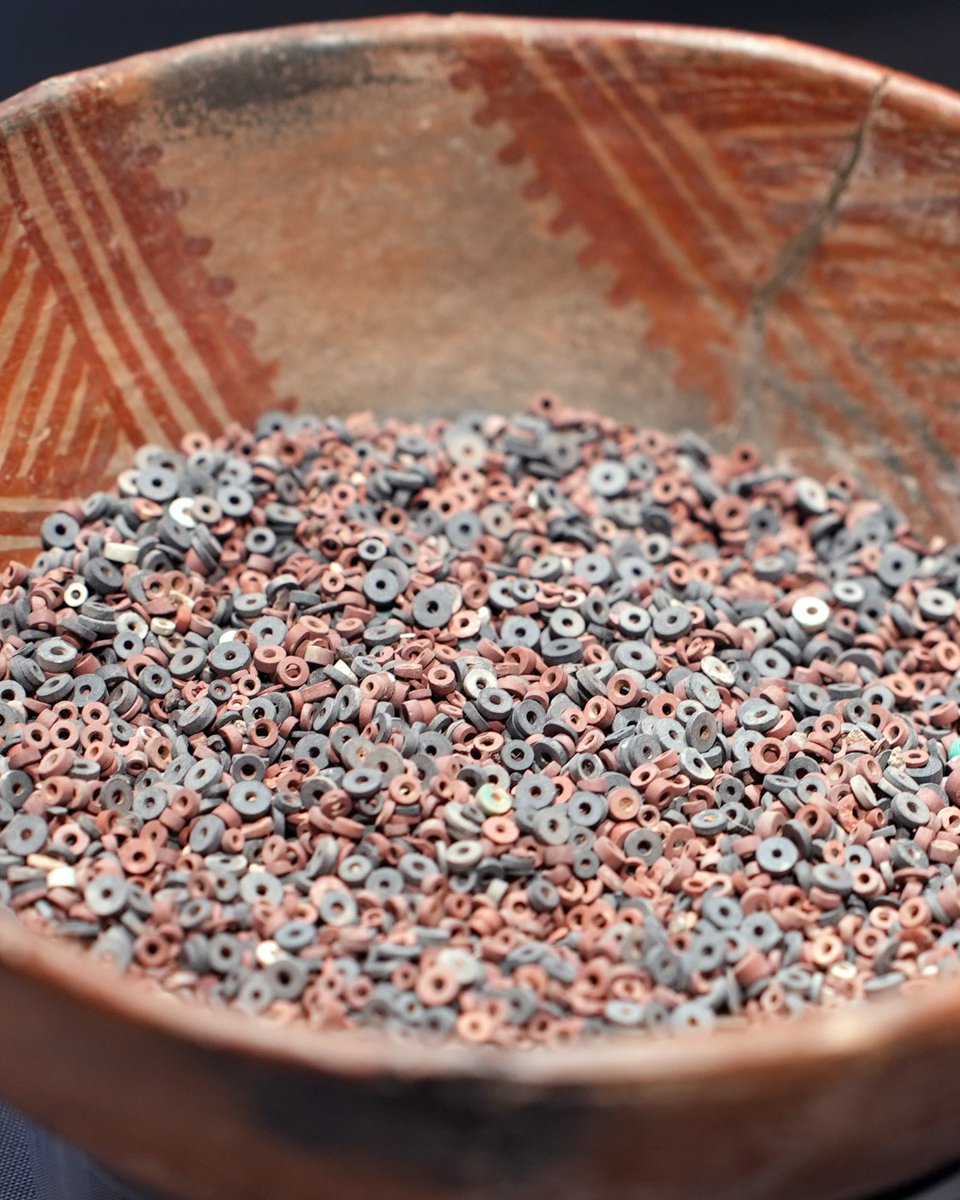
The Romo Cache is 100,000 stone beads and 30 copper bells stored in a Tanque Verde Red on Brown jar and buried in the Santa Catalina Mountains in southern Arizona. In my recent YouTube video I explore this cache of ancient wealth and the people who put it there - https://t.co/NUs3S8GcTx
The painting of my canteen. The paint I used here is 50% red ochre and 50% red clay, this will turn to black in a reduction firing. The paintbrushes are made from yucca leaves. This is of course sped up because the painting of a pot like this takes hours to finish.
Processing yellow ochre into a slip for pottery. I collected this stuff on the Mogollon Rim this week and now I need to make it usable for making the finest red slip ever. That will involve slaking overnight and then mixing vigorously with a paint stirrer on a cordless drill. And finally levigating it to remove all but the finest material. If you want to see where and how I found this stuff check out my latest YouTube video.
Professor Ward's lecture on chocolate consumption by the Classic Period Hohokam. We need a lot more study of chocolate in the Southwest but we are starting to understand what was going on. This is an except from my recent YouTube video "How the Ancient Hohokam Made and Drank Chocolate."
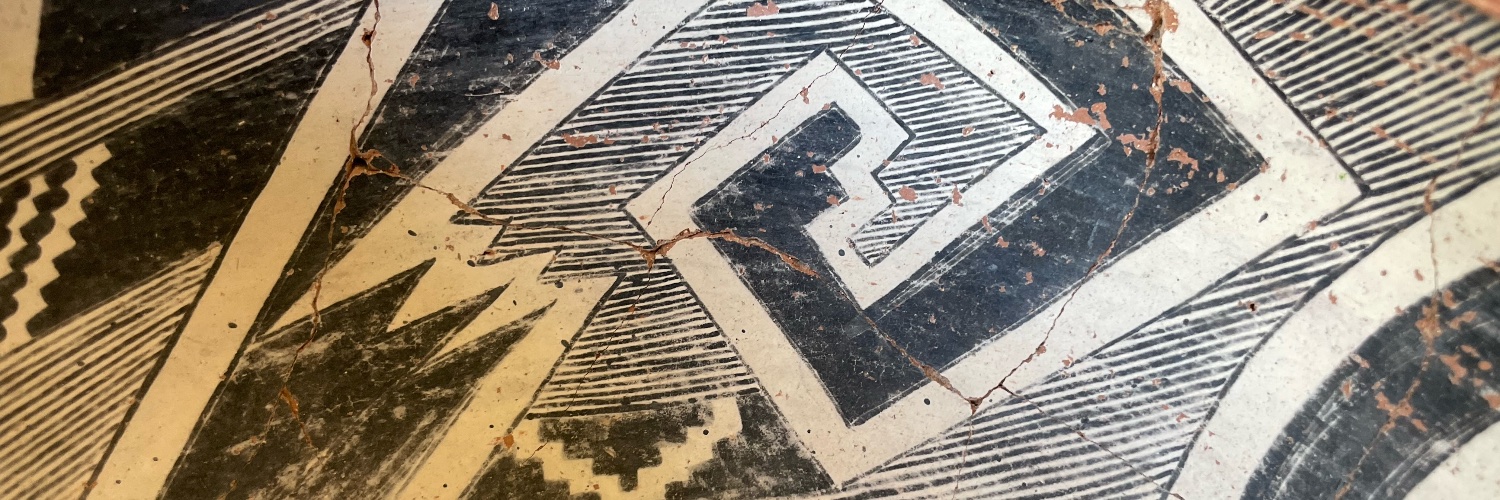
I will be live-streaming in about a half hour to talk about the different white ware pottery types of the northern Southwest and to talk about whether to use the name "Anasazi" or "Ancestral Pueblo" and to answer you pottery questions live. https://t.co/77FmcWwtQM
Highlighting the slipping, polishing and painting of 3 pottery canteens. These canteens are made with all naturally obtained material, the grey building clay and the red clay and hematite for the paint were all collected and processed by myself from Arizona. You can watch the whole process of making these canteens in my most recent YouTube video as well as learn a little about prehistoric canteens in the Southwest.
Behind the scenes of filming at Chaco Canyon and Aztec Ruins last fall. Last year we traveled to northwestern New Mexico to film a documentary about the "Chaco Phenomenon", we stayed in an RV park in Cuba, NM and spent several days exploring the ruins and filming around there (thanks to filming in National Parks being made legal again last year). Here is some behind the scenes footage showing Tonya and me having fun filming. You can watch my documentary on YouTube it's called "Chaco Canyon Uncovered: Secrets of a Lost Desert Dynasty"
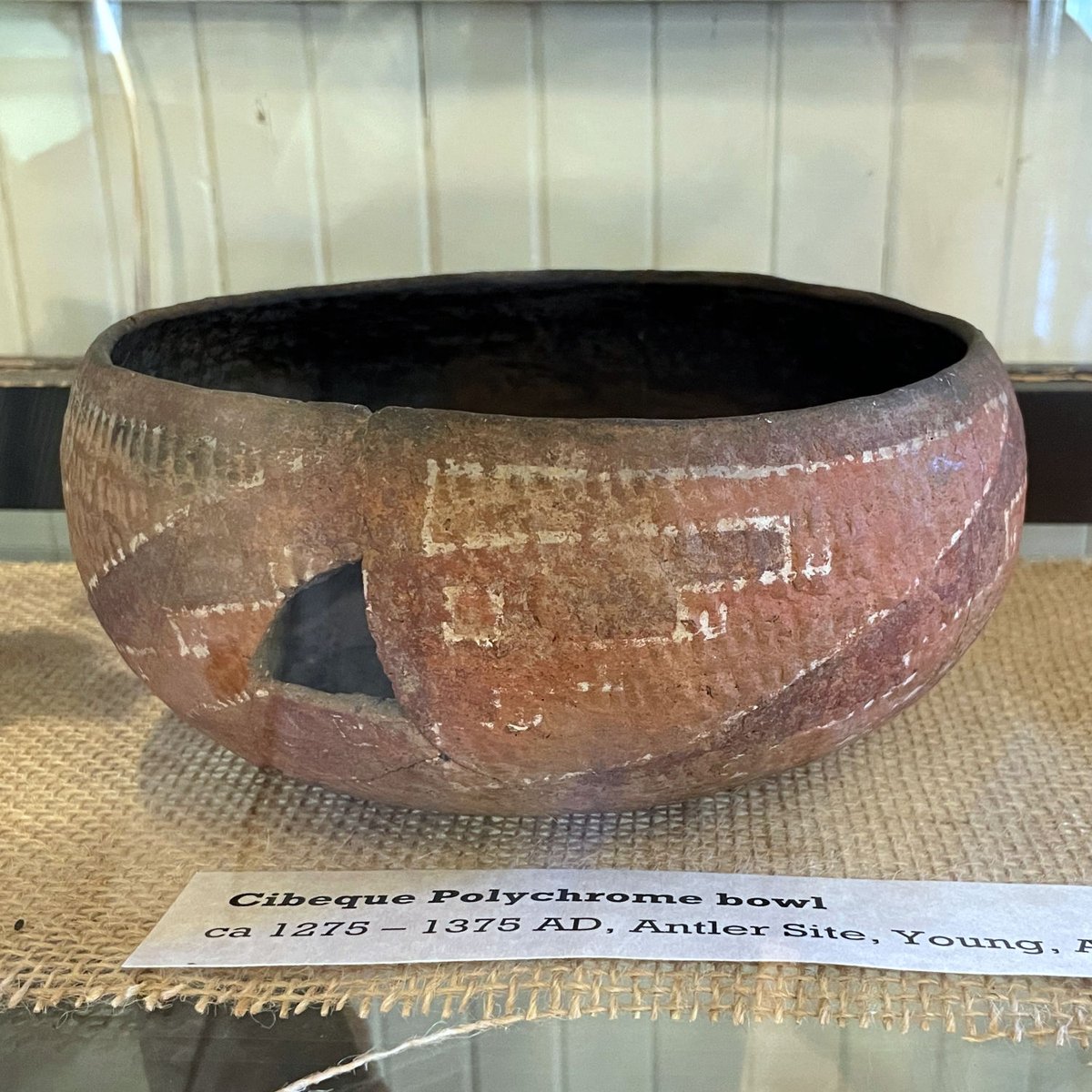
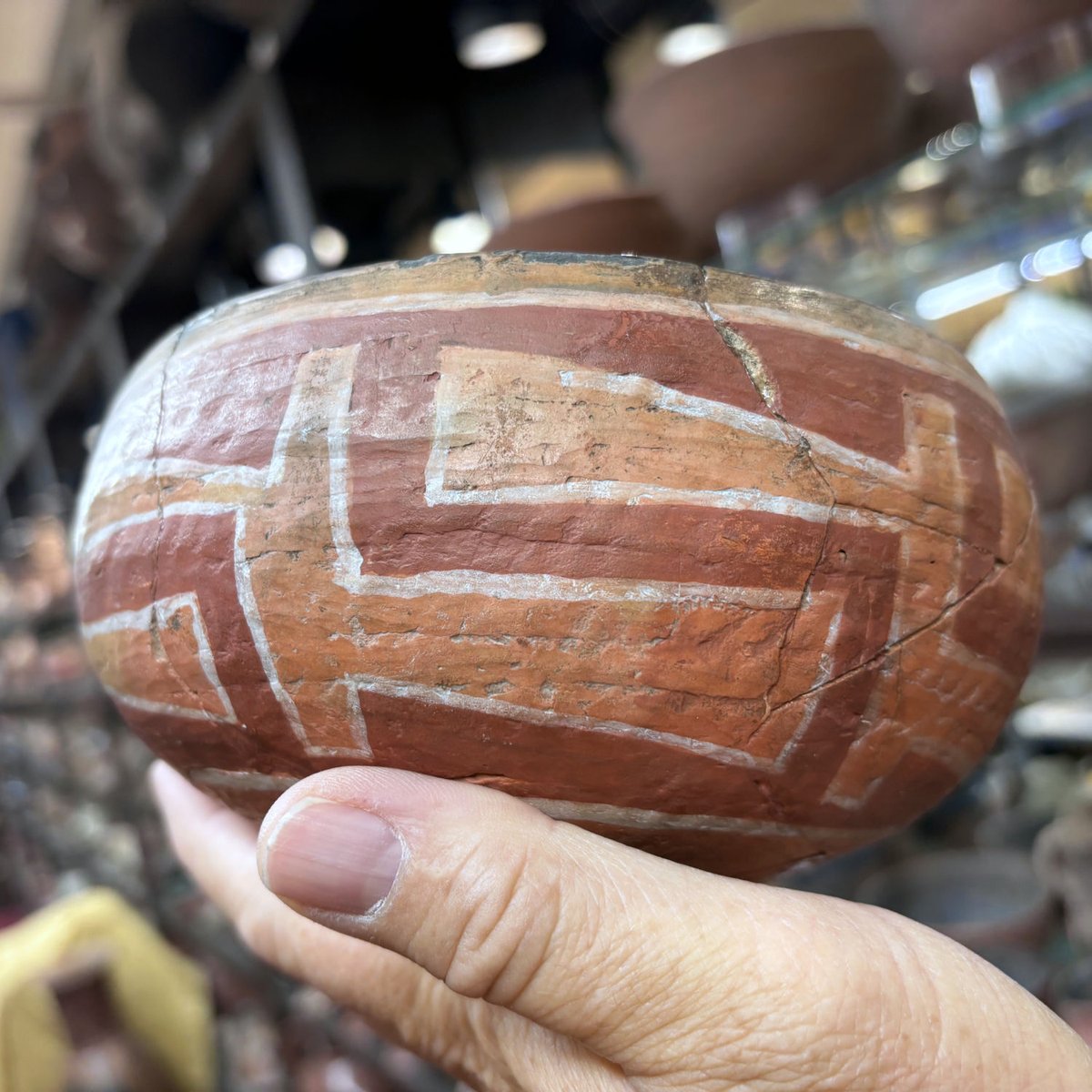
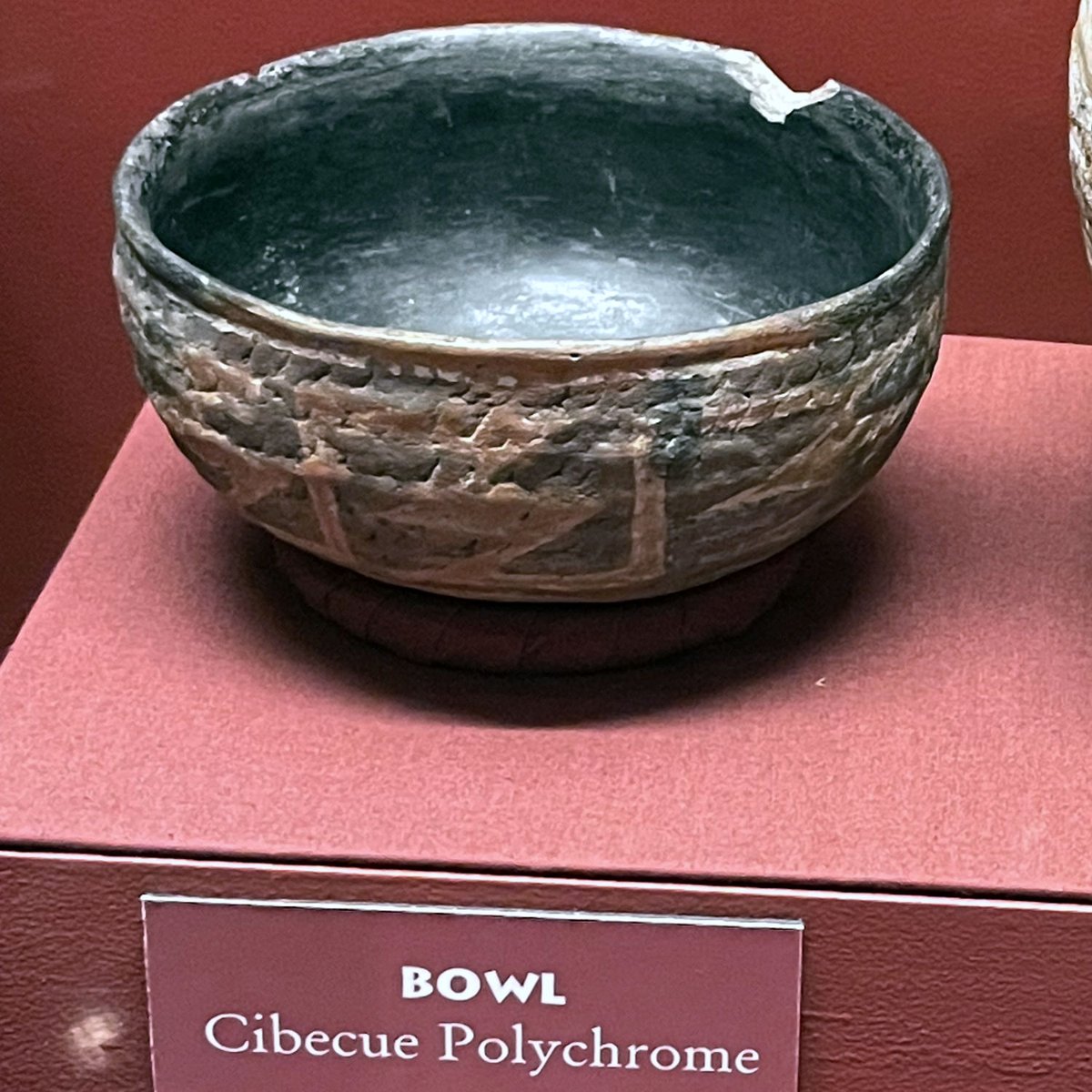
Cibecue Polychrome is one of the rarest and most unusual pottery types from the ancient Southwest, and also one of the only painted corrugated types. This is an obliterated corrugated pot (usually a bowl) that is highly polished and smudged on the inside and painted with black/purple mineral paint with white outlines over a red slipped surface on the outside. It was made between about 1275 and 1350 by Mogollon potters in the mountains of central Arizona. Pots shown here come from Pueblo Treasures Museum, Pleasant Valley Museum and S'edav Va'aki Museum.
The trifecta of Salado Polychrome replication, organic paint, red ochre and white smectite clay. The pot in the upper right is one of my recent replicas, on the upper left is an ancient Salado Cliff Polychrome bowl. This is what they were made with, the organic paint is what makes the black designs, the smectite clay is the only material that will turn that paint into black designs. And the red ochre is mixed with water and painted onto the pot then burnished into the still damp surface leaving the polished red areas. It's a lot of work to get right but oh so satisfying to pull a good replica put of the ashes of a pottery firing. I went over this process and talked in-depth about how to do it in my last YouTube livestream, I will put this link in the comments in case you want to take a deep dive on how Salado Polychrome pottery is made.