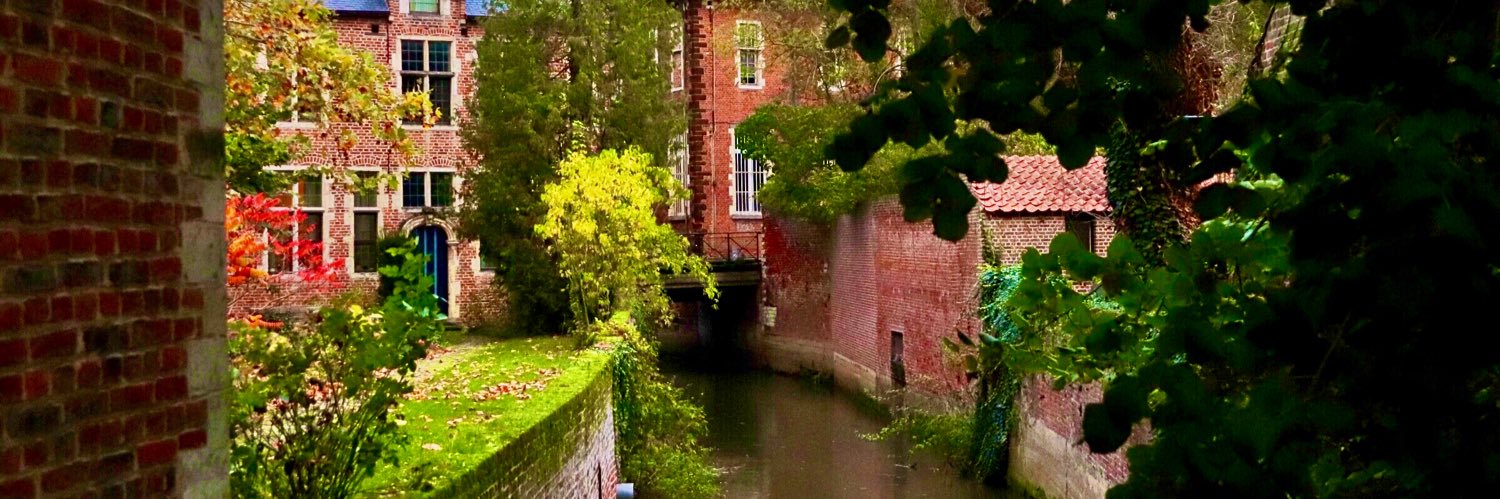
Aprovechando la #COP16 🌳 “Paz con la Naturaleza” les invitamos a conocer más detalles sobre el programa regional Enlazando el Paisaje Centroamericano 🇩🇪 @uicn_conserva@CCADSICA que busca proteger la biodiversidad y las comunidades que viven de ella!
📲https://t.co/aUcOeOQA7u
Why is Mexico City (CDMX) the way it is?
Why does it get flooded?
So many droughts?
Such aggressive earthquakes?
Why is it sinking?
The key is in Tenochtitlan and how it managed its water
A thread on how Tenochtitlan explains present-day CDMX, with maps and animations
Michelangelo's Sistine Chapel ceiling is history's greatest artwork — but what does it actually mean?
Well, these are no ordinary Bible scenes.
And there's one key detail that everyone ignored for centuries… (thread) 🧵
And Michelangelo's Pietà sits inside St. Peter's: the most beautiful thing ever hewn from marble.
But did you know Van Gogh also painted a Pietà, now in the Vatican's contemporary art collection?
This April we are counting on your support to help change the face of testicular cancer awareness by sharing these images and letting others know why you support the cause. Please tag us so we can share your stories.
Click links in comments to learn more
⏬
#testicularcancer #testicularcancerawareness #urology #menshealth
This is the first image captured of Chernobyl, taken 14 hours after the explosion on April 26, 1986.
The photo was snapped from a helicopter assessing radiation levels over the disaster area. The image is grainy due to the intense radiation in the air, which began damaging the camera film as soon as it was exposed.
Igor Kostin, the photographer, found that the radiation affected his camera's motors after about 20 photos. When he processed his films, only the image above was usable. All other photos, affected by high radiation levels, came out completely black.
Kostin's visit to Chernobyl was not legal or approved by the authorities. The incident's news was largely hidden. However, Kostin was later given permission to photograph the disaster site, the evacuation of residents in Pripyat, and the 30 km zone around the power plant. His images helped reveal the catastrophe to the world.
Despite his closeness to the site, Kostin did not receive deadly amounts of radiation. He died in a car crash in 2015 when he was 78.
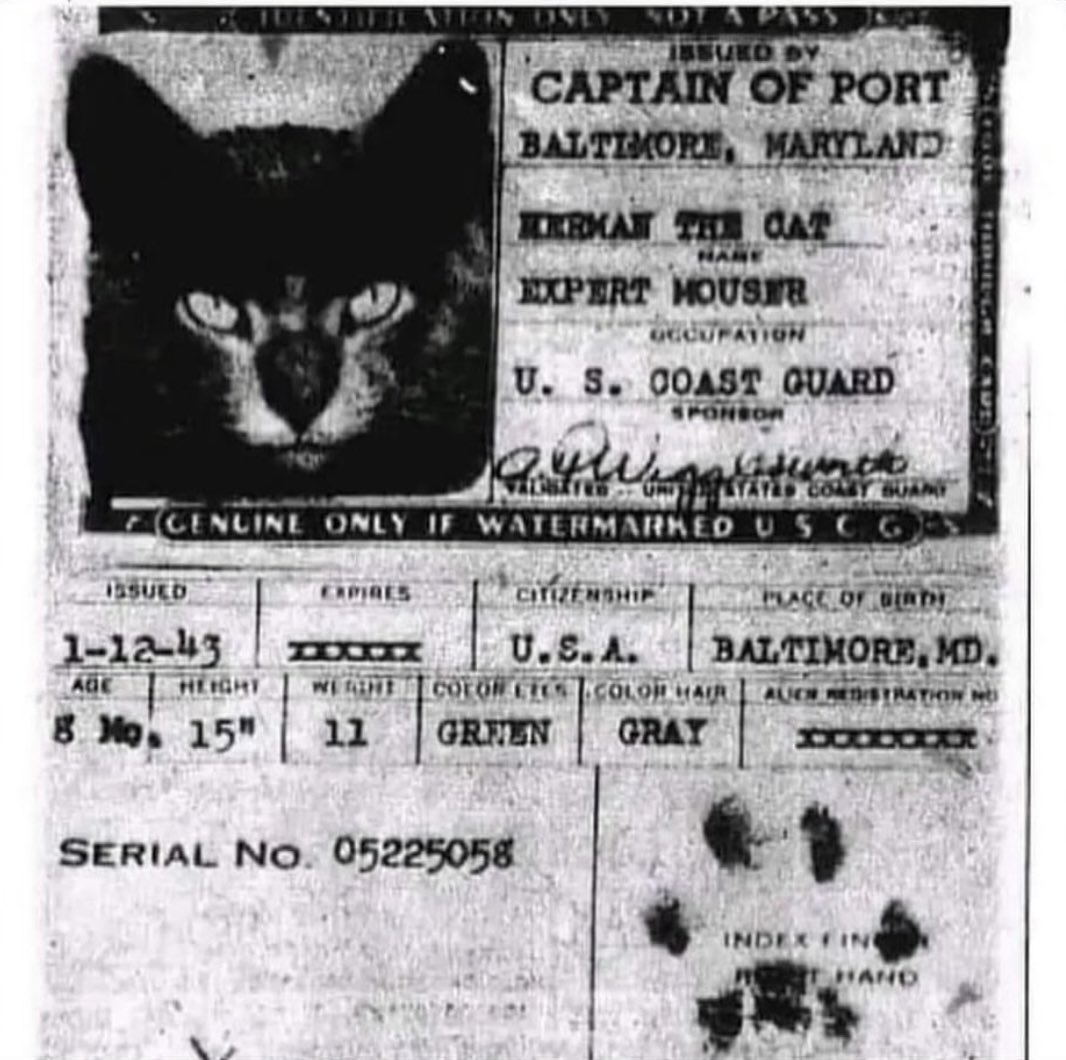
During the mid-20th century, cats played an important role on ships as skilled rodent catchers. Sailors realized that having cats aboard helped control the population of rats and mice, which were notorious for damaging supplies and spreading diseases. These ship cats became valued members of the crew and were even given passports to acknowledge their contribution and ensure their safety during international travels.
The passports for ship cats were a unique and lighthearted tradition. While they didn't serve any legal or official purpose, they were created to recognize the cats' role and provide a form of identification. The passports typically consisted of a small booklet with pages that included the cat's name, description, and an area for their paw print.
When it was time to depart or dock in a foreign port, the ship's captain or crew members would present the cat's passport to the authorities as a fun way to document the feline's presence onboard. The cat's paw print, obtained using ink or paint, was added to the designated page, providing a personalized and whimsical touch to the document. This practice not only amused the sailors but also showcased the camaraderie they shared with their feline companions.
While these ship cat passports were not legally recognized, they symbolized the close bond between humans and their feline shipmates. They served as a reminder of the cats' essential role in maintaining a clean and rodent-free ship, thus safeguarding the crew's provisions and health during long sea voyages.
However, as the mid-20th century progressed and maritime practices evolved, the reliance on ship cats diminished with the advent of more effective pest control methods. With the decline in the need for ship cats, the tradition of issuing passports gradually faded away. Nevertheless, the memory of these seafaring felines and their unique passports continues to fascinate and entertain those interested in maritime history and the unique relationships forged between humans and animals at sea.