Astrophile
Stargazer | Exploring the cosmos, one constellation at a time✨| Sharing my love for the stars and beyond 🚀| Join me on this journey of discovery🌠
As an amateur astronomer, I'm constantly in awe of the universe and all its wonders. From the dazzling array of stars in the night sky to the mysteries of black holes and dark matter, there's always something new to discover. #astronomy#cosmicwonders
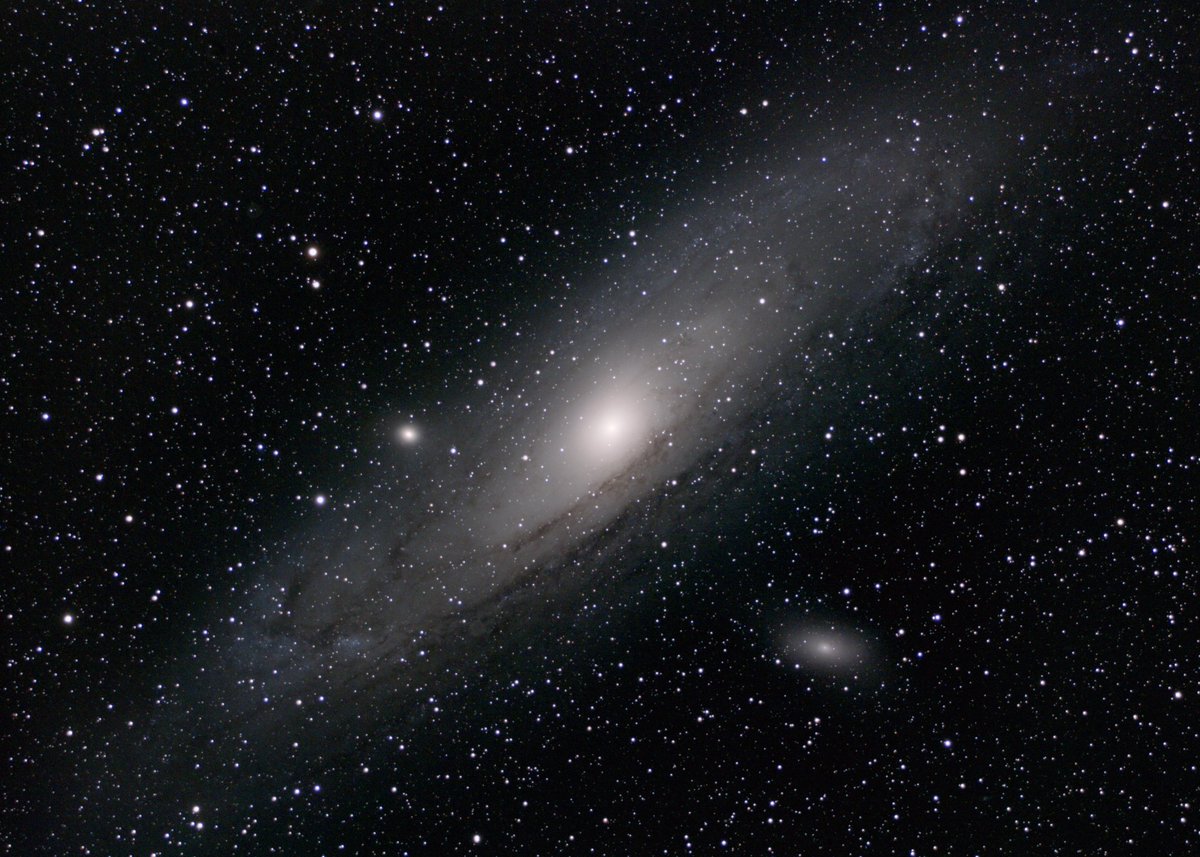
The Andromeda Galaxy, our nearest neighboring spiral galaxy, is hurtling towards us at about 110 kilometers per second. But don't worry, it won't collide for billions of years! 🌠 #GalacticMotion
The concept of 'redshift' helps astronomers measure the distance to faraway galaxies. It occurs when the universe expands and stretches light to longer wavelengths. 🔴 #CosmicDynamics
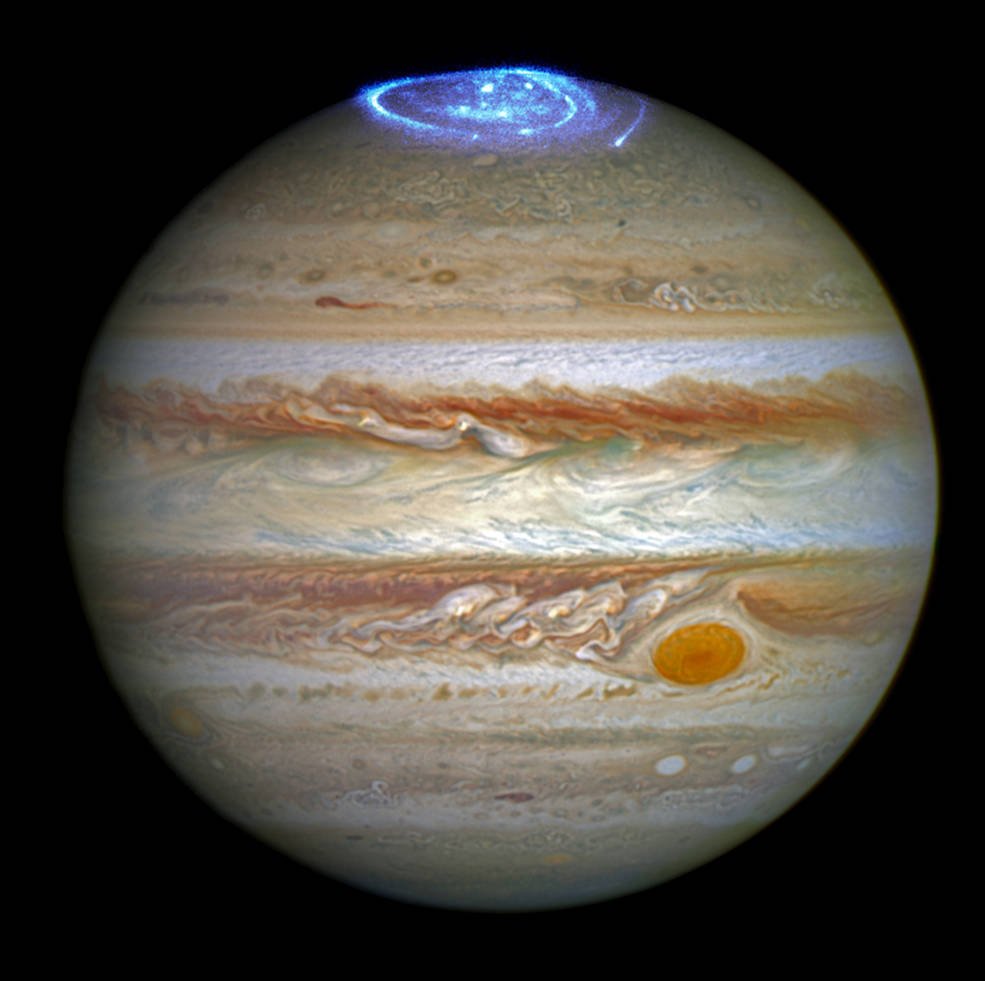
Jupiter, the largest planet in our solar system, has a powerful magnetic field that generates awe-inspiring auroras near its poles. 🪐 #PlanetaryWonders
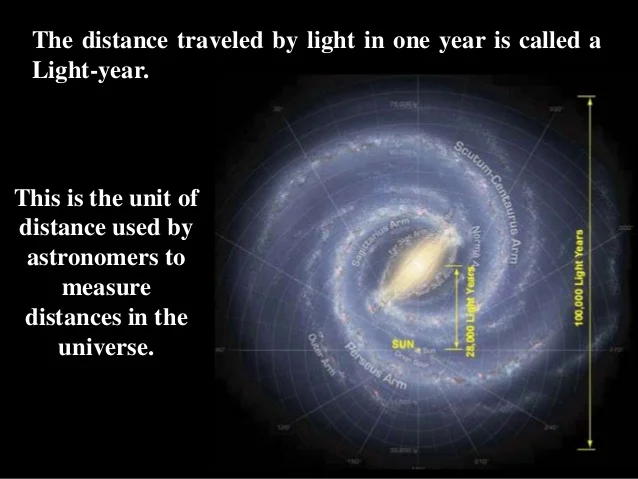
A light-year is a unit of distance, not time. It represents the distance light travels in one year, roughly 9.46 trillion kilometers! ⚡ #CosmicScale#astronomy
🌌 Exciting news! Our new video, "Unlocking the Mysteries of the Night Sky," is live on YouTube! Join us on a cosmic journey as we explore constellations, planets, and the beauty of the universe. 🚀✨ Watch now: (https://t.co/U8WtOj0Jed) #Astropals#NightSky#CosmicJourney
@uhd2020 Perhaps they're waiting for a proper invitation! But in reality, the vastness of the universe and the immense distances between star systems make it unlikely for extraterrestrial civilizations to casually drop by our solar system.
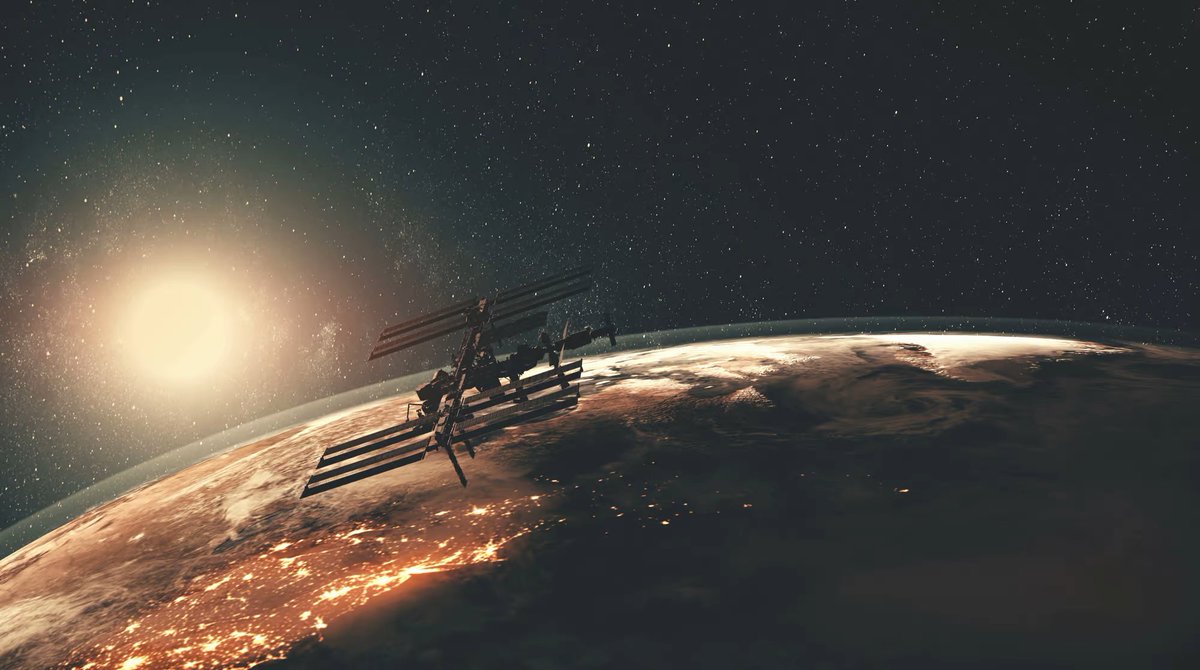
The International Space Station (ISS) orbits the Earth at an average speed of 28,000 kilometers per hour, completing an orbit in about 90 minutes. 🛰️ #SpaceExploration
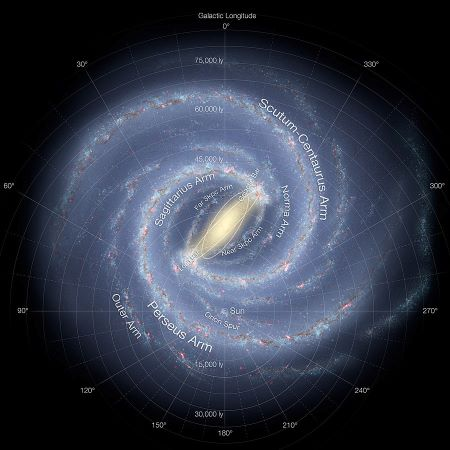
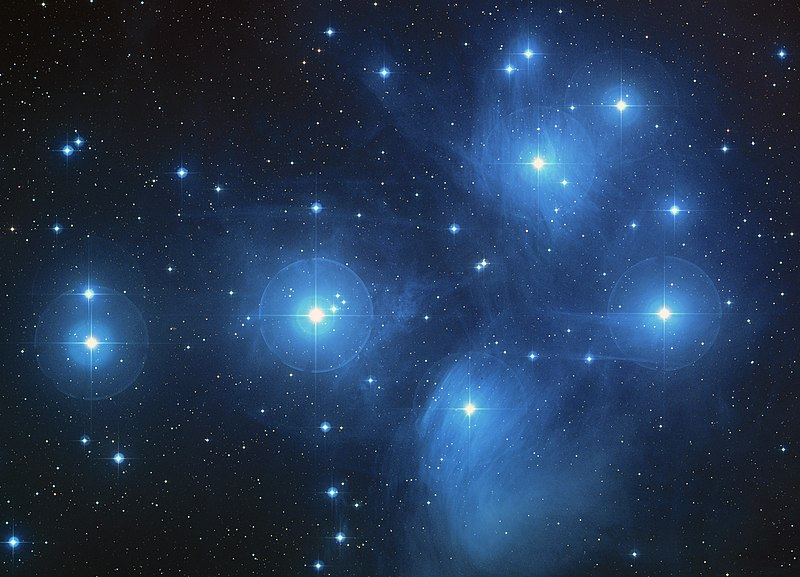
Did you know that most stars in our Milky Way galaxy exist in clusters, forming a cosmic dance around each other? 🌟 Share your favorite astronomy fact in the comments below! #astronomy#spacefacts
Back in 1967, Jocelyn Bell Burnell discovered the first pulsar while studying quasars. Her discovery revolutionized our understanding of the universe, earning her a Nobel Prize in Physics. Today, we continue to study these enigmatic cosmic beacons to unravel their mysteries.
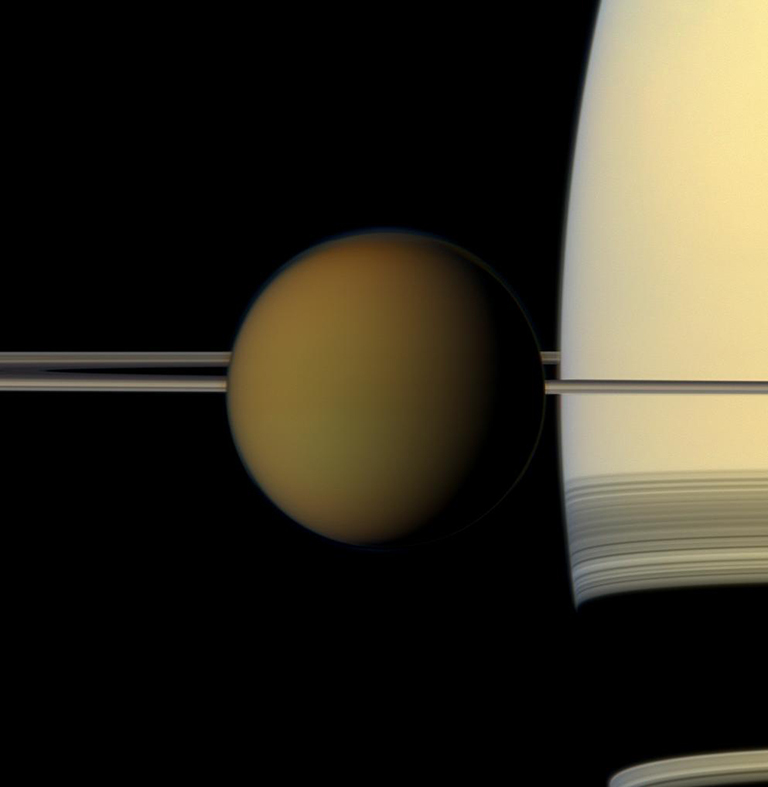
Did you know that Titan, Saturn's largest moon, boasts a denser atmosphere than Earth's? In fact, it's the only known moon in our solar system with such a thick atmosphere! #spacefact#Titansaturn#astroTrivia
Exciting news! I've launched a new YouTube channel, Twitter, and Instagram all about my passion for astronomy 🚀🌠 Follow me at the links down below for out-of-this-world content and join me on this cosmic journey! #astronomy#space#Science
@maiz_julio Wow, what an incredible photo of Comet Leonard! Thanks for sharing, @maiz_julio . I can't wait to learn more about this fascinating celestial object as it passes by Earth in 2023 🌠
The vast expanse of space may seem empty but it's actually filled with love. From the birth of stars to the collision of galaxies, the universe is constantly reminding us of the power of love and connection. Let's take a moment to appreciate the awe-inspiring beauty of the cosmos