Even while being bugged, the couple risked their lives praying for North Korea
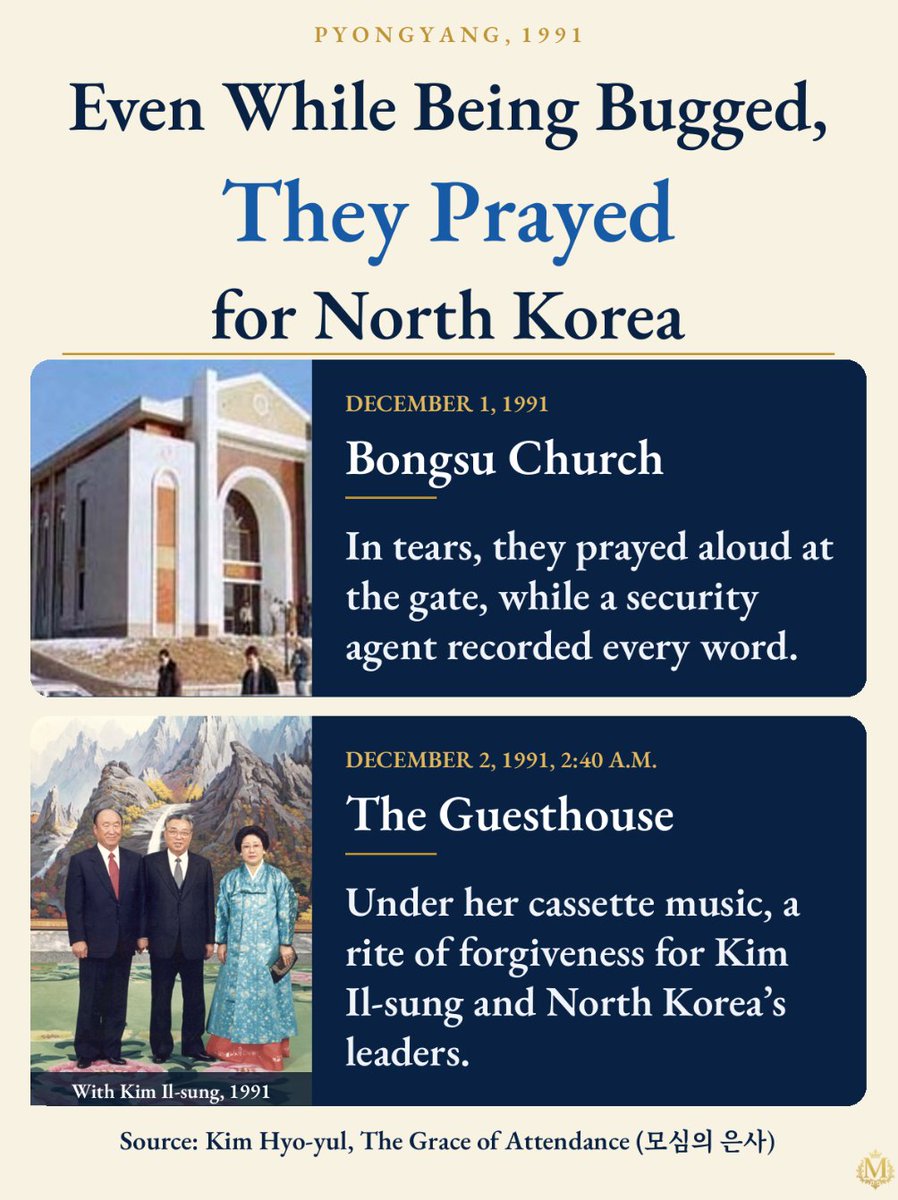
December 1, 1991, Bongsu Church in Pyongyang.
According to Kim Hyo-ryul’s The Grace of Attendance (모심의 은사), during their visit to North Korea, Rev. Sun Myung Moon and Dr. Hak Ja Han began praying aloud in front of the main gate of what was then the only Protestant church in the country.
Amid the cold December wind, they raised their voices and prayed earnestly to God. Those who stood with them could not simply watch. They joined the prayer in tears, knowing security agents were nearby, watching and listening.
The next day, December 2, at 2:40 a.m., at the guesthouse.
In a room where everyone sensed they were being monitored, Dr. Hak Ja Han played music at high volume on a small cassette player she had brought, so the sound of their prayer would not be overheard.
Under the cover of the music, the couple performed a ceremony to open the way of forgiveness for Chairman Kim Il-sung’s family and the North Korean leadership. It was a ritual in which they offered a bow of reverence to God on their behalf.
This was a man who had once been tortured in North Korea, and a woman who had fled south under the threat of death. They did not do this for political gain or personal glory.
Before God, they offered a spiritual prayer to open the way of forgiveness for what the Kim family and the North Korean leadership had done.
Even knowing the risk of being overheard, they still raised their voices in prayer.
Source: Kim Hyo-ryul, The Grace of Attendance (모심의 은사)
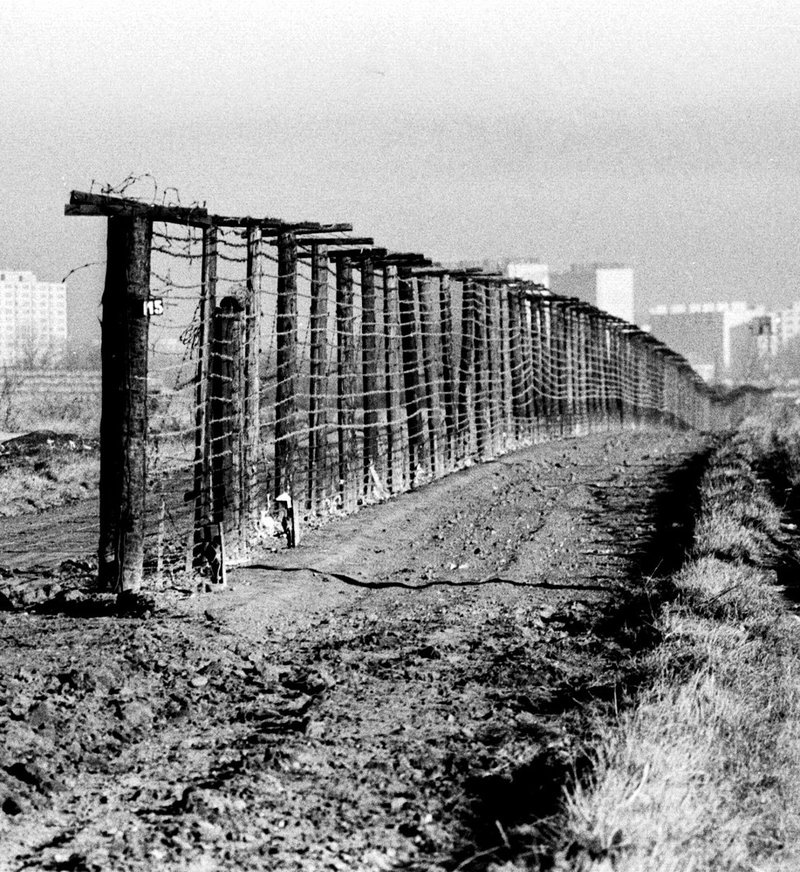
Communism was not merely a difference of ideas. In Eastern Europe, it was a system that denied faith itself and took lives.
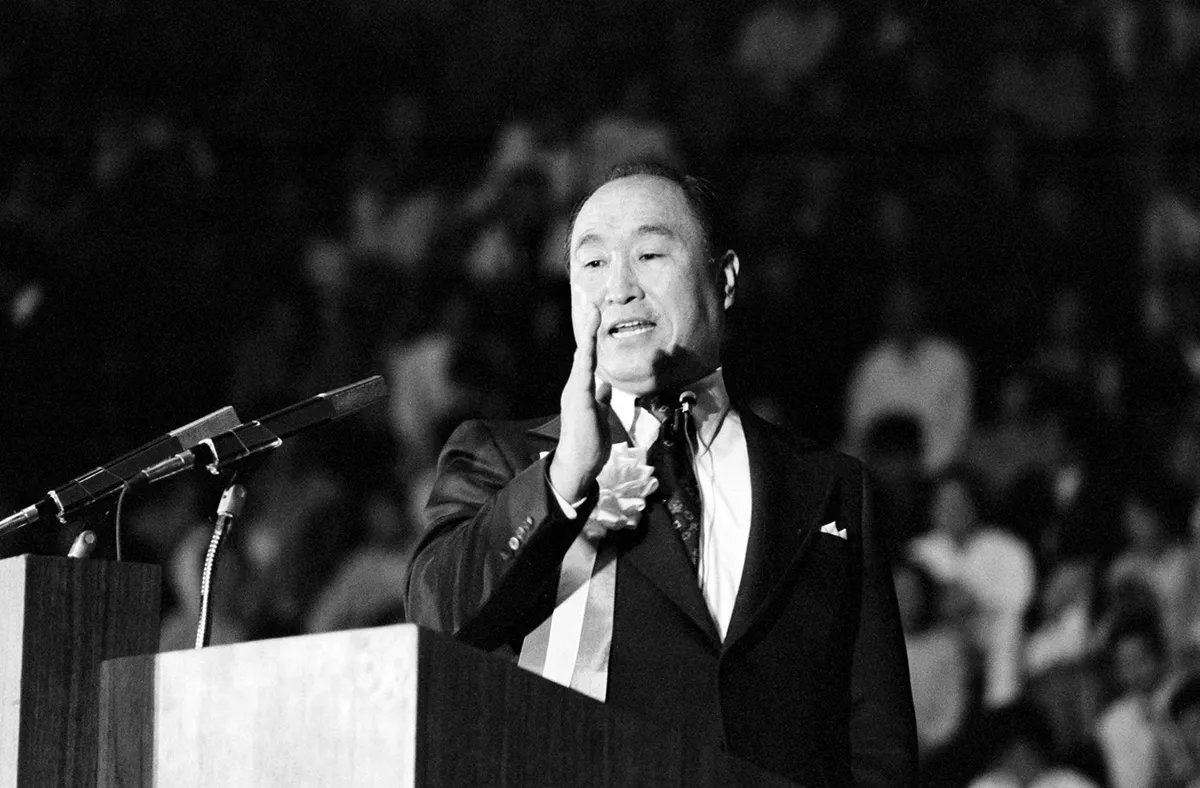
“The threat of atheistic communism is the most serious of all, and even now it is eroding its way in from every direction. This is not merely America’s problem. For God, for all people of faith, and for the free world, it is a grave and urgent crisis.” (Rev. Sun Myung Moon, 1976)
Someone had to go into a land where God could not be named, knowing it could cost a life. That is what they did.
In Czechoslovakia, around 200 people had begun gathering in underground meetings. In 1973, the authorities arrested about thirty of them for sharing their teachings through samizdat.
They were charged with “subverting the republic” and sentenced to prison.
Among those held was 24-year-old Marie Živná, who died in custody in 1974. She became the first martyr of the Unification Church beyond the Iron Curtain.
In 2019, her hometown of Svojanov, in what is now Czechia, erected a monument to her as a “victim of the despotic communist regime.”
Freedom of faith does not exist by default. It exists because people like her chose to protect it when the cost was real.