react2shell is truly react to shell. you take a payload, spray it across vulnerable next.js or other affected applications, and get shells.
i think we need to tone down the hype around every new 2shell and 4shell. when every vulnerability is portrayed as impending doom but little actually happens in the wild, it dilutes the discussion around what ai is capable of.
java4shell and nginx2shell are not react2shell. the bugs are cool, but what is the actual impact? do we seriously think a threat actor can spray a payload across thousands of servers and get shells? absolutely not.
you need a frontier model, a shit ton of tokens, and significant target specific exploit development. even then, getting a working exploit can be extremely difficult, sometimes impossible. there's potential, but exploitation is far from guaranteed.
we used php2shell to exploit cloudflare waf and get flags, but that took a solid amount of tokens and host specific grooming. the exploit wasn't trivially portable between targets. i'm even more skeptical about java4shell and nginx2shell, given their additional exploitation requirements.
these bugs absolutely need to be patched, but there's a huge difference between a vulnerability that can theoretically lead to RCE and one that can be reliably exploited at scale.
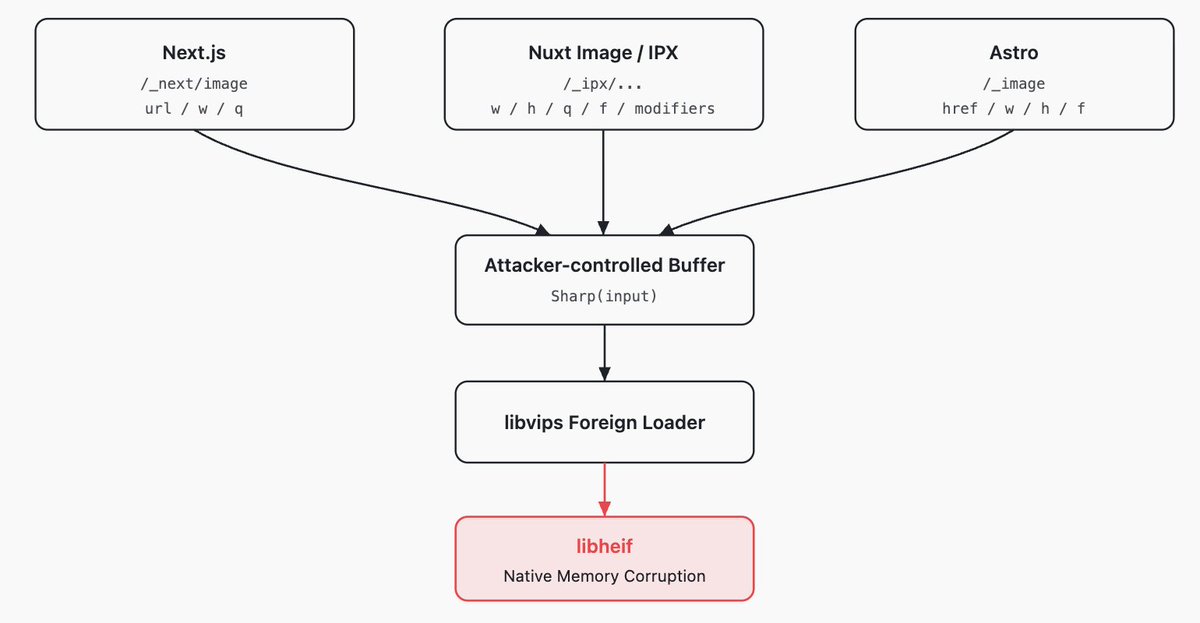
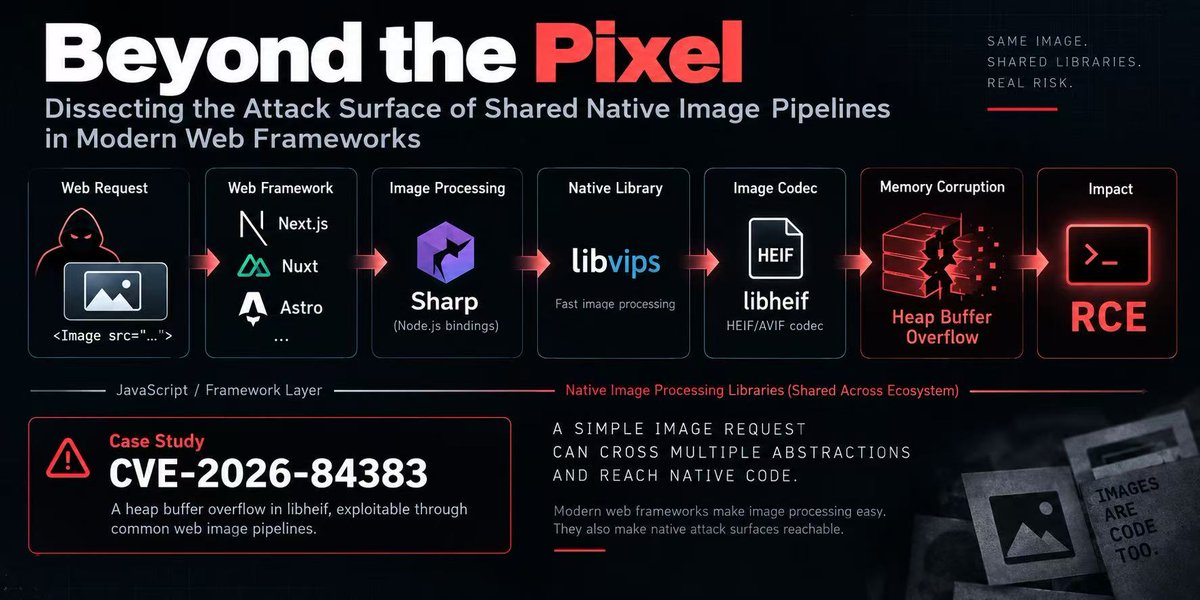
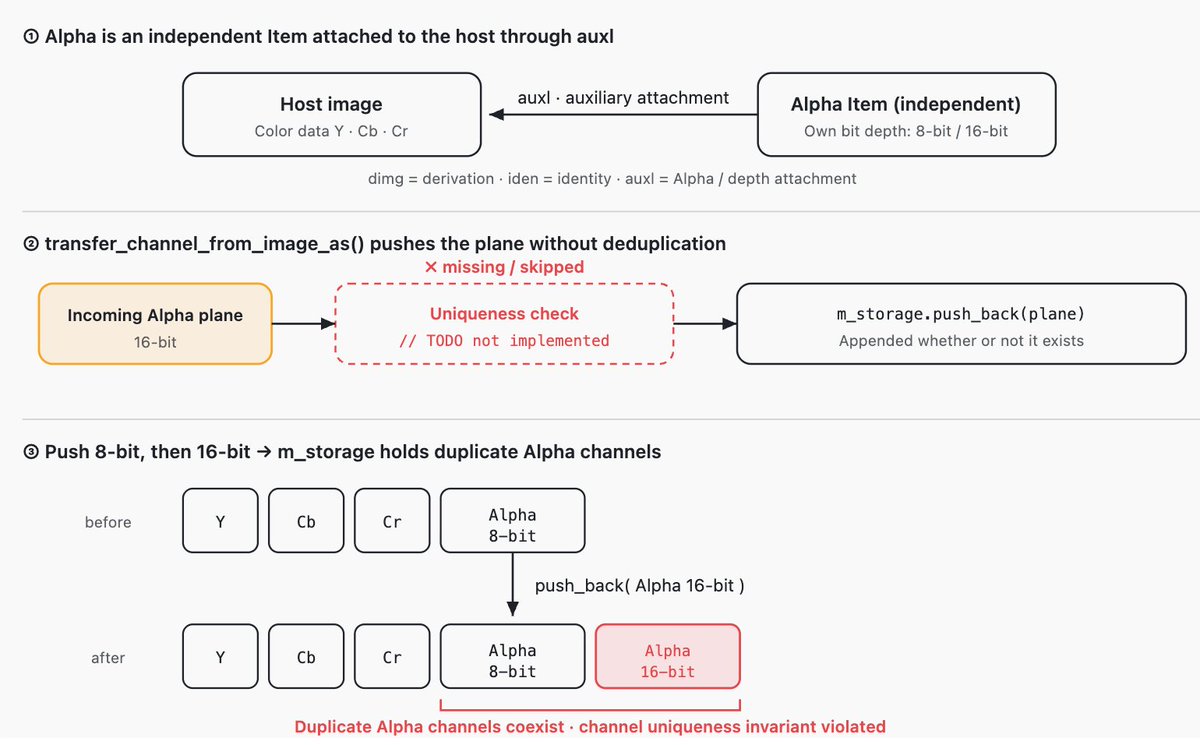
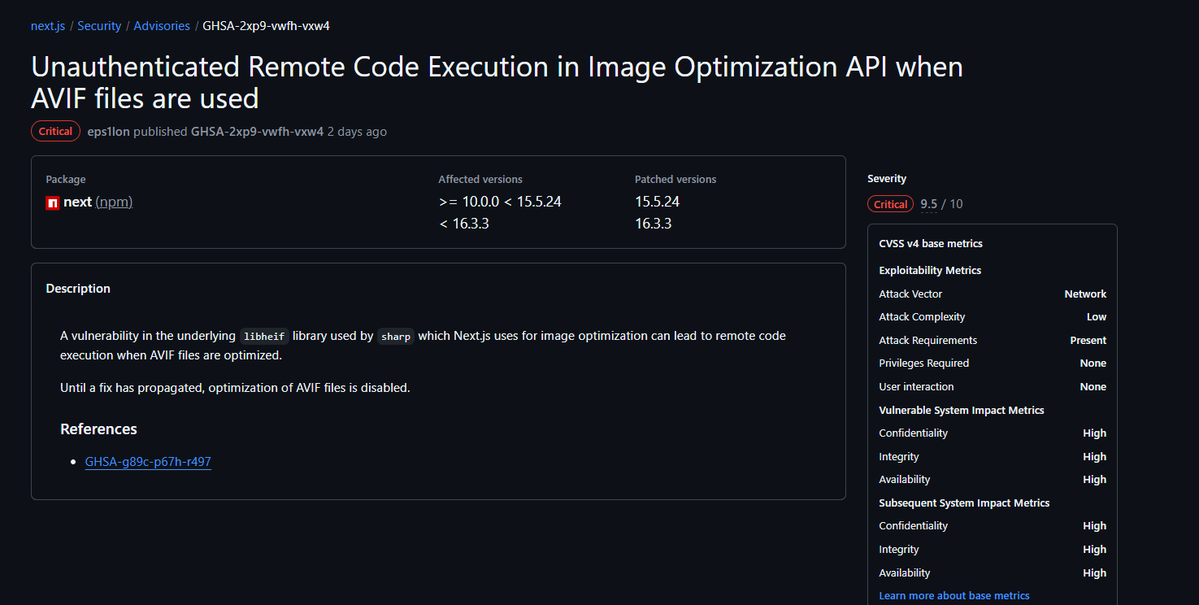
Using CVE-2026-84383 as a case study, this article dissects the shared Sharp, libvips, and libheif native image pipeline in Next.js, Nuxt, and Astro, and explains how low-level memory corruption becomes remotely reachable from the Web.
https://t.co/8J3ZYWiZHY
Was very cool to hear about the reasons people love Sol. We're doing the promotion again, except this time for ChatGPT Work:
Tweet what you love about ChatGPT Work, claim $100 in free credits, get more work done.
First 10k get the free tokens: https://t.co/w7QrPBYkrh
Dearest gentle codexer.
We did a sneaky double reset. Not only do you get a full reset on us. But you are also getting one into the reset bank to use at your own leisure.
Enjoy
I wrote a blog post regarding the technical details of CVE-2022-31700. It's an interesting case study of attacking custom Java Bean Validators (JSR 380) for RCE: https://t.co/UUAh4bVtf8
The original advisory can be found here: https://t.co/XmIKxAgPJT
analyzed the RCE vulnerability of the Spring Cloud Gateway on Saturday
Read online: https://t.co/zc9Z5crZtv
A request flowchart for the Spring Cloud Gateway is attached
#CVE-2022-22947