Nigel Farage hasn't bothered to vote in Parliament for the last 11 weeks.
During that time he will have collected about £50,000 in wages and expenses.
But he will tell you Disabled People and immigrants are the problem.
No, it's rich lazy parasites like him.
Including, but maybe especially this: it’s a pattern.
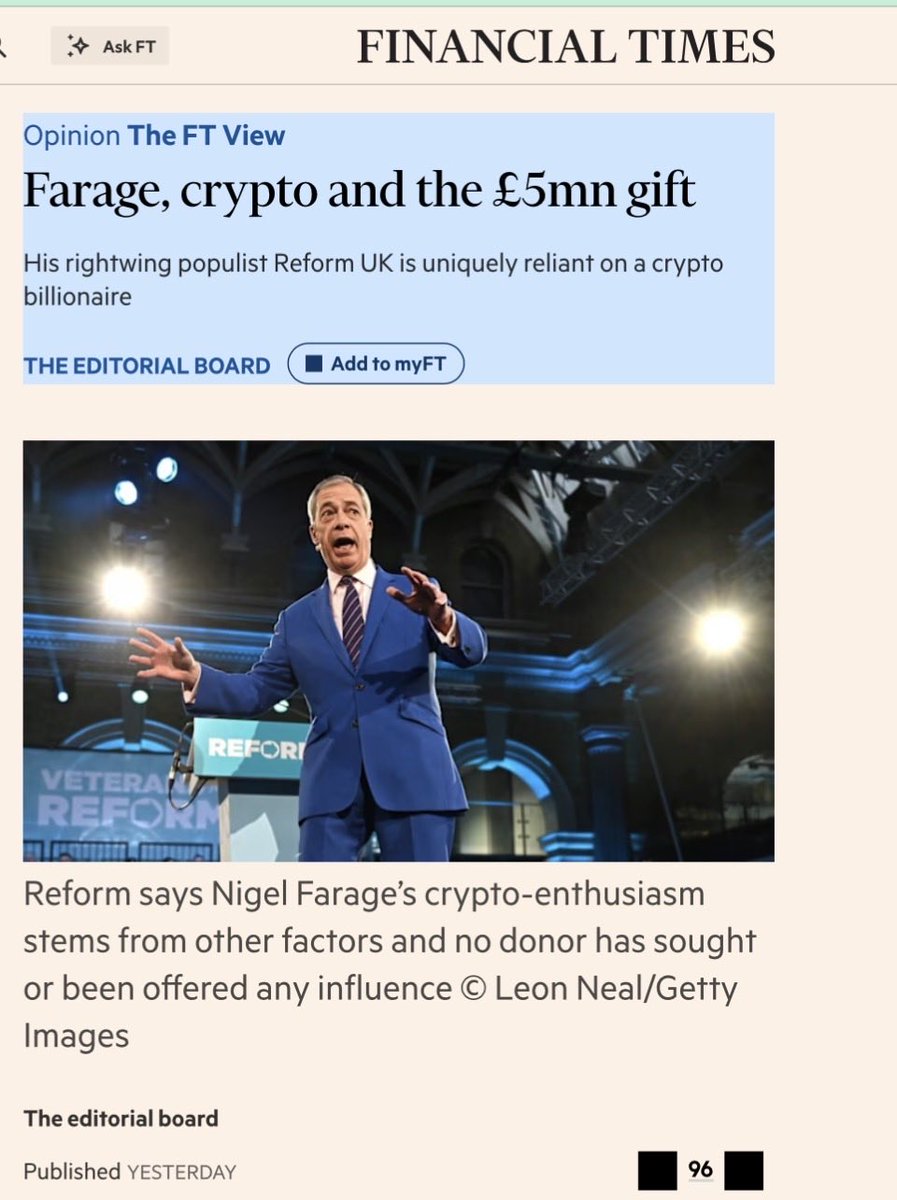
Harborne’s donations to Boris Johnson. And Boris Johnson’s pro-crypto statements prefigure those to Farage.
3/
And today the Guardian picked it & linked back to the FT.
But there is way more important detail in @CharlieNotOld & @LuciaOC_’s reporting that neither newspaper, or any other, has picked up yet
2/
Last week: @thenerve_news.
This week: the FT View.
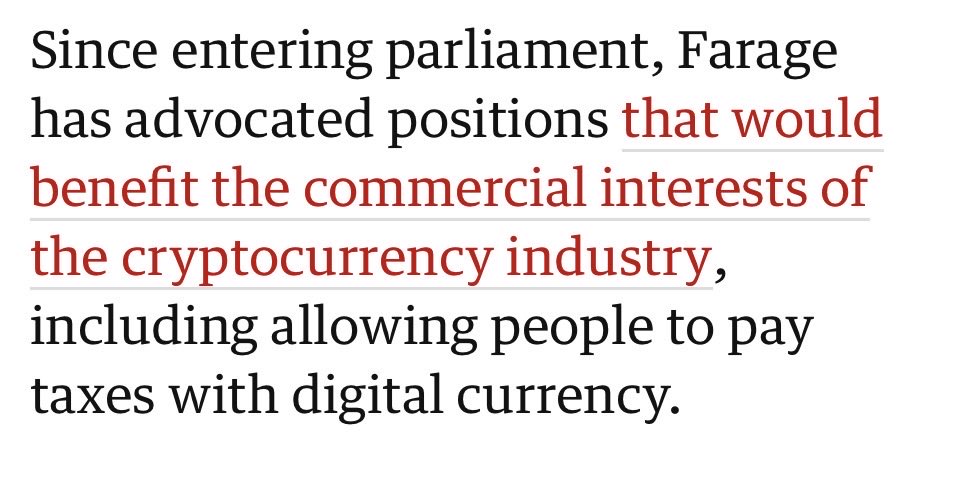
We forensically tracked cryptobillionaire Christopher Harborne’s donations against Nigel Farage’s crypto policy statements.
Yesterday the FT pulled out this same point in its main editorial & notes the similarity to Trump.
1/
“This is an assault on artists everywhere”: 'Good Advice Cupcake' creator Loryn Brantz has condemned BuzzFeed and Amazon MGM Studios after learning her character is being adapted into an AI-assisted animated series without her involvement or approval.
https://t.co/S5YwAm4JwA
DESPITE NET MIGRATION HAVING FALLEN BY 82% SINCE ITS PEAK NEARLY HALF OF BRITONS INCORRECTLY BELIEVE ITS ACTUALLY INCREASED!
This is a shocking indictment of the abject failure of UK news shows to get the actual facts about net migration across to the public and call out the bull**** by the likes of Nigel Farage.
If UK news shows can’t get the job done let’s do it ourselves!
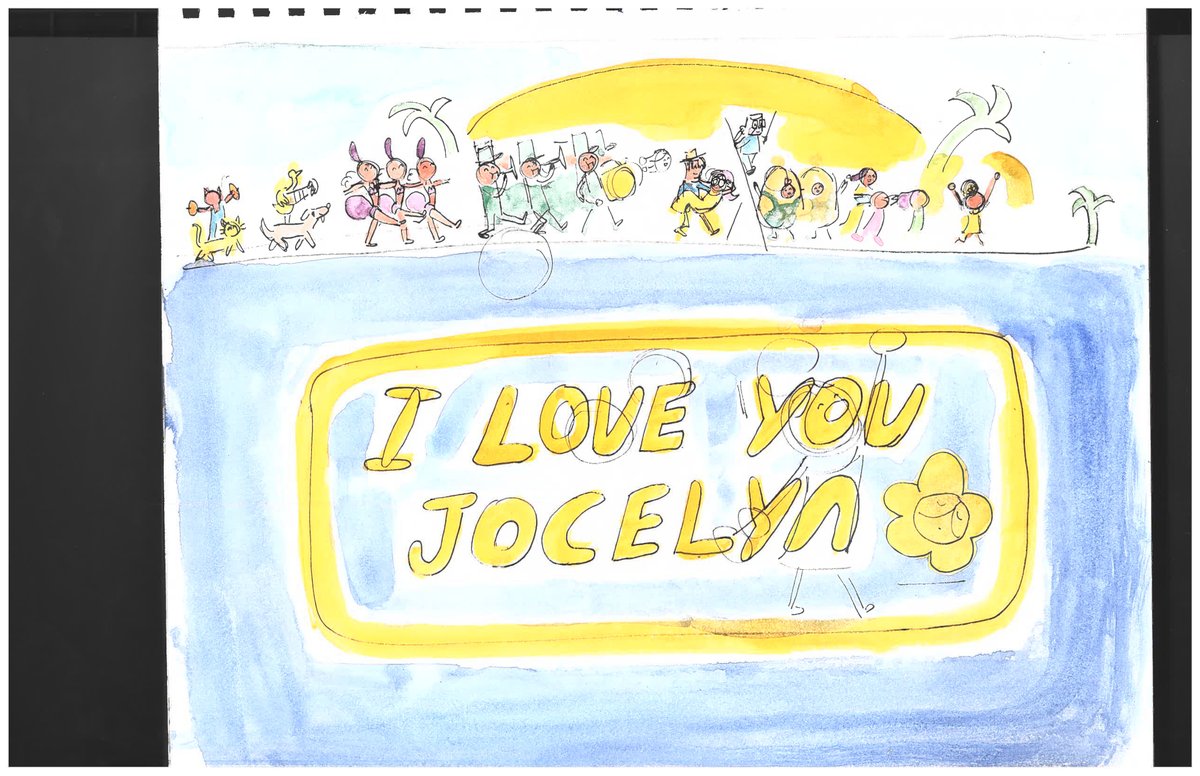
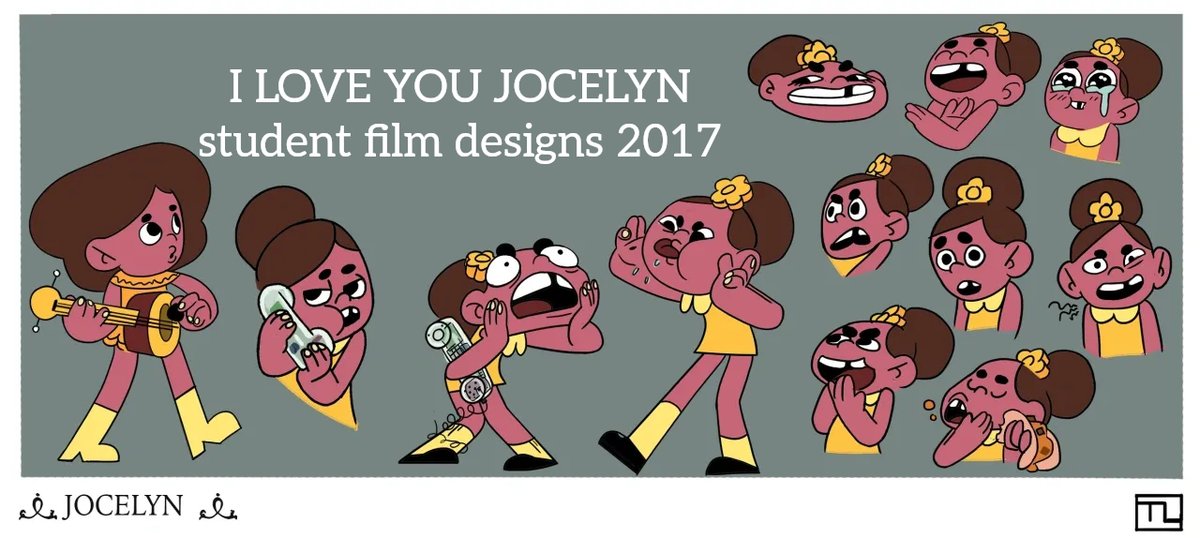
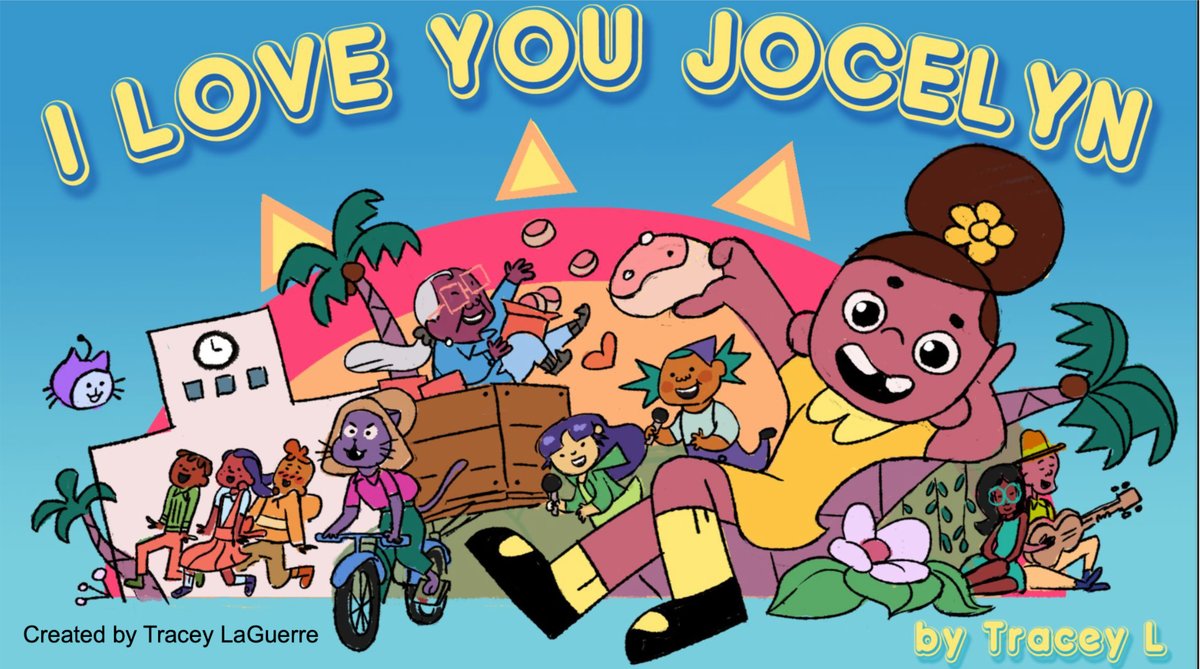
Tracey Laguerre didn’t plan on pitching 'I Love You, Jocelyn' to Cartoon Network. She had a great job at Google until the pandemic pushed her to revisit the student film and see whether it might fit Cartoon Cartoons’ revived shorts program.
https://t.co/8vw8ITeBbp
Let me trace the timeline here because nobody's connecting it.
Step 1: Scrape the entire internet. Every book, every article, every conversation, every piece of art, every forum post. Do it without asking. Do it without paying.
Step 2: Train a model on all of it. Call it "artificial intelligence."
Step 3: Go to BlackRock's Infrastructure Summit and announce: "We see a future where intelligence is a utility, like electricity or water, and people buy it from us on a meter."
Step 3 is where you sell people's own knowledge back to them. On a meter.
They took the collective output of human thought, compressed it into a model, and now they want to charge you by the token to access a version of what you and everyone you know already created.
One Reddit user put it perfectly: "They stole all this data from us, the people, our life's work, creativity, art, by devouring the internet and blowing through all copyright laws. Now they want to sell it back to us in the form of a utility."
Imagine if someone photocopied every book in the public library, burned the library down, and then opened a subscription service for the copies.
That's the metered intelligence business model.
And they're pitching it to infrastructure investors as though they invented water.
For about ten years, the DVD made Hollywood more money than the movie theater did. A film could flop in cinemas and still turn a tidy profit once it hit the shelf at Best Buy. In 2005, discs sold around $16 billion in the US. Theaters made about half that.
That safety net changed the kind of films that got made. Since a strong disc run could cover a box-office miss, studios were willing to bet on smaller, odder movies. A scrappy comedy like Napoleon Dynamite or The Big Lebowski could rake in as much from disc sales as it ever made selling tickets, sometimes more. And the hours of behind-the-scenes extras Jackson misses got made for the same reason: the discs sold well enough to pay for them.
Then streaming showed up, and the disc money fell off a cliff. Sales sank more than 80%. By 2018, DVDs were down to barely $2 billion. By 2023, a full half-year of disc sales added up to about $754 million, less than a tenth of the old peak. With the safety net gone, the risky bets stopped. The mid-size movie, the $20 to $60 million film that filled theaters for decades, mostly stopped getting made. Hollywood's big studios put out 204 movies in 2006. By 2010, that was down to 141.
The digital version that replaced the disc comes with fine print. When you click "buy" on a movie, you're really just renting it. What you actually get is a license, a permission slip the store can take back. In late 2023, PlayStation warned customers it was about to wipe more than 1,300 shows they had already paid for. It backed off only after signing a fresh deal, and even that one expires in a couple of years. California now has a law, on the books since 2025, that makes stores admit the "buy" button is actually a rental.
Jackson's old box sets still sit on a shelf and still play, extras and all. The digital copies most people traded them for can vanish the morning a licensing contract runs out.
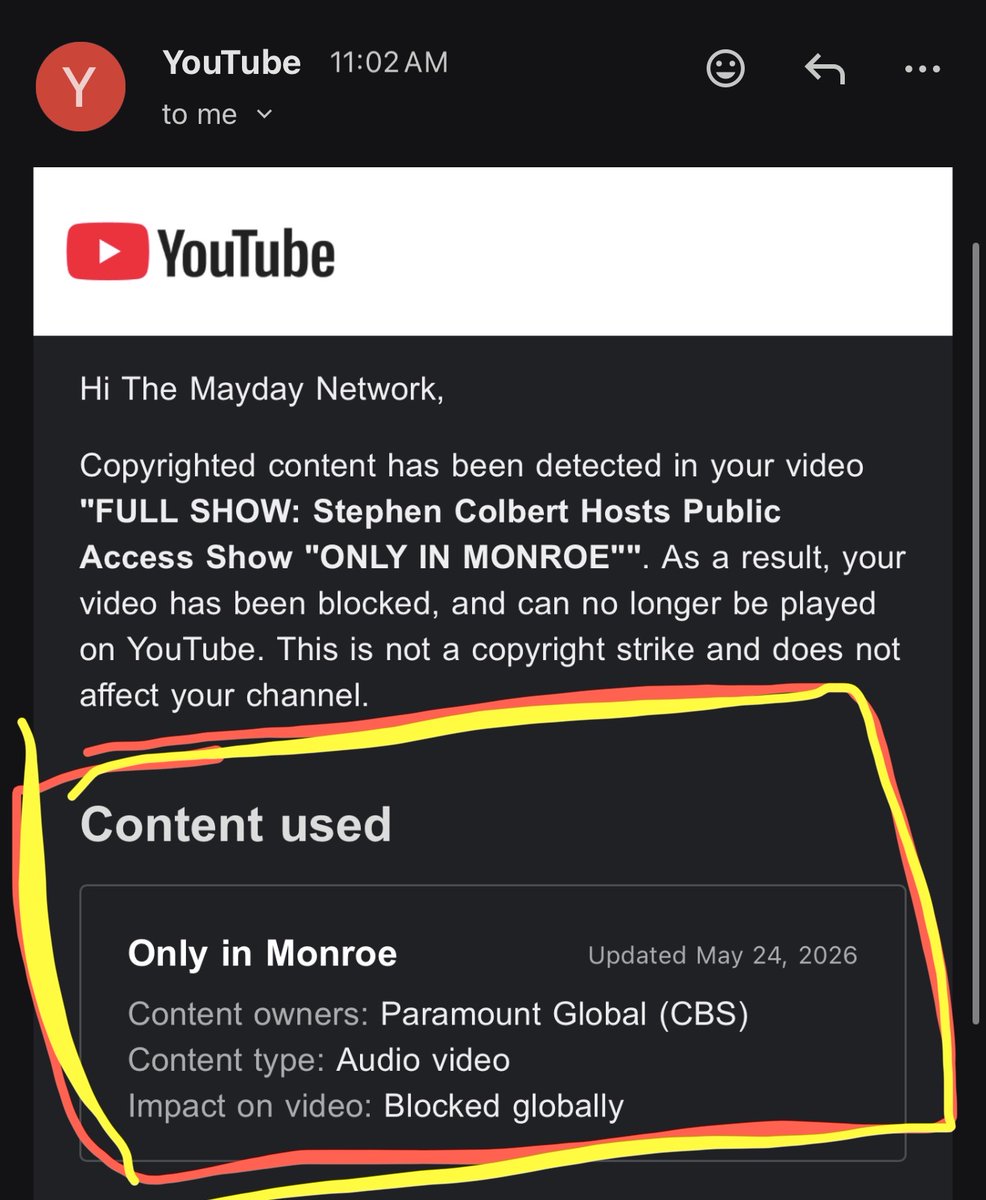
Paramount claiming ownership of a Public Access show in Michigan is wild work.
We re-shared Colbert’s public access show with our audience yesterday, made sure to point everyone back to Monroe Community Media — and CBS blocked the entire thing?! Insanity. @MaydayNetwork
Fantastic to see this @nerve_news investigation trending.
The crypto millions fuelling Britain’s far-right turn (the exact same playbook as Trump) requires much, much more scrutiny.
“The reaction people are having against AI is the same reaction people had when the internet was introduced.”
No, it wasn’t. The internet expanded access to information. AI is replacing human labor and creativity while consuming massive resources and harming the planet.
What the media aren’t covering…
Net migration down 48%
Immigration down 20%
Emigration down 6%
Asylum applications down 12%
Returns and deportations up 7%
Arrivals by small boat down 41% - 1st Jan - 20th May
Teenagers have started calling AI art "boomer art" and consider it cringe, and YouTubers have stopped using AI-generated thumbnails because teenagers find them cringe and won't click on them. I honestly couldn't be happier.