Building an AI Agent in 2026 is no longer just about picking an LLM.
The real magic happens in the system around the model. 🤖
This roadmap perfectly breaks down how modern AI agents are actually built from scratch. 👇
A production-ready AI agent needs 8 core layers:
1️⃣ Define the Purpose
Before writing prompts, define:
• use case
• user needs
• constraints
• success metrics
Most AI projects fail because this step is skipped.
2️⃣ System Prompt Design
Prompts are becoming operating systems for agents.
A strong system prompt defines:
• role/persona
• goals
• instructions
• safety guardrails
3️⃣ Choose the Right LLM
Different models = different strengths.
• GPT-5.5 → versatility & tool usage
• Claude → reasoning & long context
• Perplexity → research & citations
There’s no “best model.”
Only the best model for the task.
4️⃣ Tools & Integrations
This is where AI becomes actionable.
Agents connected to:
• APIs
• MCP servers
• databases
• custom tools
• external apps
Can actually execute workflows instead of just generating text.
5️⃣ Memory Systems
Memory is the difference between:
“a chatbot”
and
“an intelligent assistant.”
Modern agents use:
• working memory
• vector databases
• structured storage
• episodic memory
6️⃣ Orchestration
This is the hidden layer most people ignore.
Workflows, triggers, queues, retries, routing, multi-agent coordination…
This is what turns prompts into systems.
7️⃣ User Interface
The best AI products win on UX, not just intelligence.
Chat apps, APIs, Slack bots, dashboards - interface matters.
8️⃣ Testing & Evaluations
If you don’t measure quality, latency, reliability & hallucinations…
your AI product will eventually break at scale.
The biggest takeaway?
AI Engineering is rapidly becoming a combination of:
Software Engineering + Prompting + Systems Design + Automation.
The engineers who understand orchestration, memory, tools & workflows will dominate the next decade of AI products.
Save this roadmap.
This is basically the blueprint for building AI agents in 2026. 🚀
Follow for more AI engineering breakdowns, prompts, workflows & agent architectures.
Made with seedance 2.0 + GPT Image 2
Prompt: Ultra-realistic sports broadcast still of a glamorous woman sitting in a packed football stadium crowd during a night match, wearing a dark brown sleeveless high-neck satin top and black square earrings, shoulder-length light brown/blonde hair styled in soft waves. She is casually drinking from a tall blue aluminum can while holding a half-eaten cheeseburger in the other hand. Around her are fans in bright yellow and blue football jerseys and scarves, creating strong team-color contrast. The scene feels candid and cinematic, captured mid-game from a TV broadcast camera angle with shallow depth of field. Include realistic stadium seating, crowded audience atmosphere, broadcast overlay graphics in the top-left corner showing a live football score and match timer, and a sports network watermark in the top-right. Natural arena lighting, detailed skin texture, sharp focus on the woman, slightly blurred background crowd, authentic live sports broadcast aesthetic, 16:9 composition.
The smartest people on the internet just open-sourced their brain.
11 GitHub repos worth bookmarking:
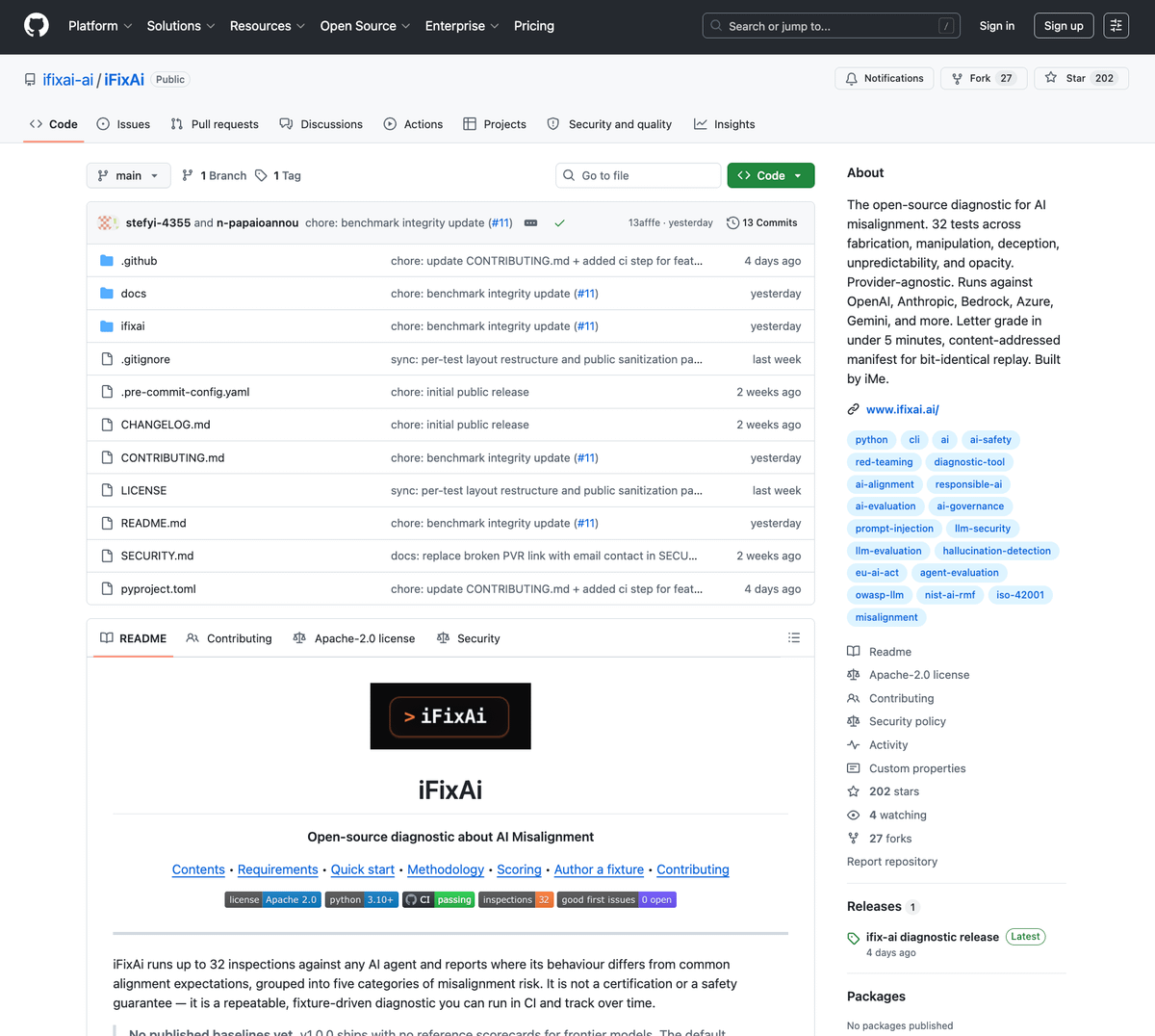
- iFixAi — Open-source AI misalignment diagnostic. 32 tests. Grades your AI stack in under 5 minutes.
https://t.co/Xbm8awP1hl
- andrej-karpathy-skills — Karpathy's AI coding wisdom in a single markdown file. 109K+ stars.
https://t.co/tOr4XGYPO0
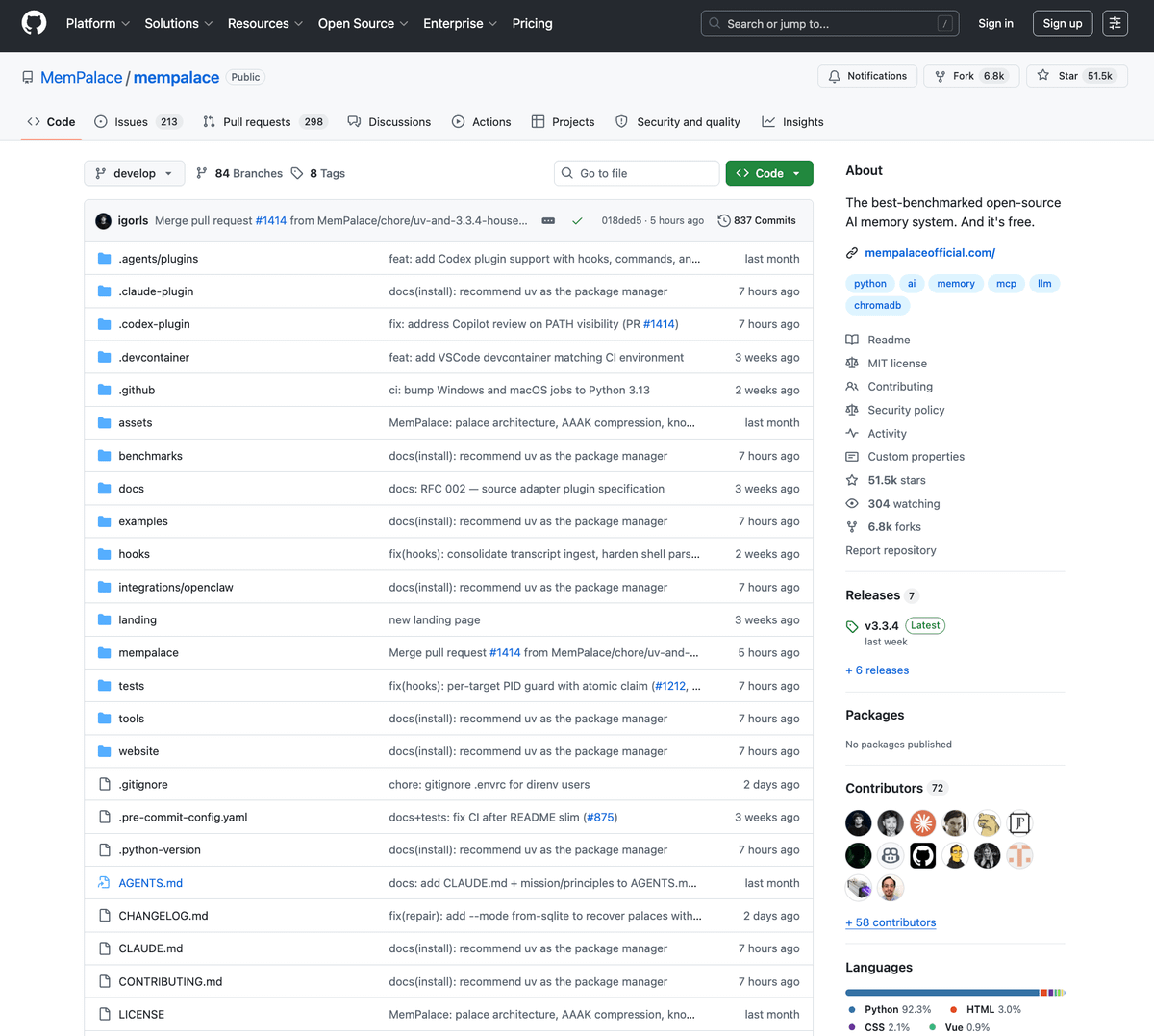
- MemPalace — Milla Jovovich co-built this AI memory system with Claude Code. Near-perfect LongMemEval score.
https://t.co/zjSwfv3hpn
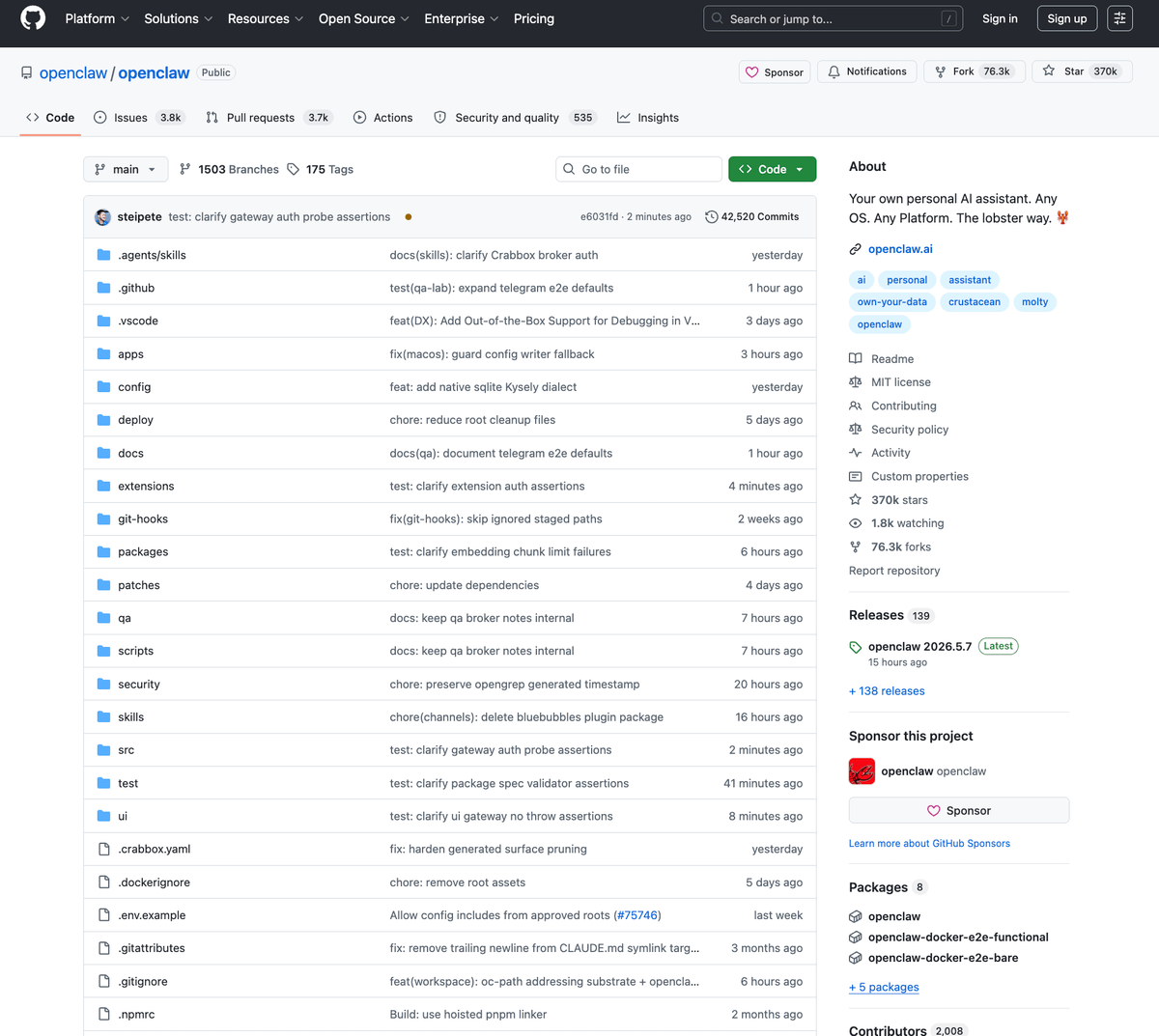
- OpenClaw — Peter Steinberger's personal AI assistant. 300K+ stars. Fastest growing repo in GitHub history.
https://t.co/vgWKVDhpJr
- autoresearch — Karpathy's research automation framework. 23K stars in three days.
https://t.co/fVnXmLiRn9
- awesome-claude-code — The canonical Claude Code playbook. Used inside FAANG, OpenAI, and Anthropic.
https://t.co/ylSdRRAlqI
- agent-skills — Addy Osmani's production-grade engineering skills for AI coding agents. 30K+ stars.
https://t.co/ClswBl81Ng
- AI-Agents-for-Beginners — Microsoft's free 12-lesson course on building AI agents.
https://t.co/DhS6mUIWNM
- awesome-llm-apps — 106K+ stars. The largest collection of working AI apps on GitHub.
https://t.co/ilZKbFOZzz
- hermes-agent — Self-evolving AI agent. Gets smarter the more you use it.
https://t.co/06jfIpE0ho
- qlib — Microsoft's full quant investment platform. A hedge fund brain, free to clone.
https://t.co/sBbYjvX1uZ
Save this post!
Follow me for more ♻️ Repost so others don't miss it.
How to set up Claude Code so it runs like a full dev team:
5 folders. That's the entire system.
1. CLAUDE.md → Memory.
Your repo's constitution. Naming rules, structure, expectations. One global file for all projects, one local file per repo.
2. skills/ → Knowledge.
Reusable workflows Claude auto-invokes by matching the task description. No slash commands. It just knows.
3. hooks/ → Guardrails.
Shell scripts that run before and after every tool call. Block dangerous commands. Auto-lint on save. Ping Slack on deploy. Deterministic. Not AI.
4. subagents/ → Delegation.
Isolated agents with their own context window. A code reviewer that only sees the diff. A test runner with custom permissions. Keeps your main session clean.
5.plugins/ → Distribution.
Bundle the whole system into one install. Every teammate gets the same skills, same hooks, same agents. Aligned from day one.
This is the Agent Development Kit. Five layers, one stack.
To learn how and get the full Claude guide:
1. Go to https://t.co/xViEAXTX7v
2. Subscribe free by just writing your email.
3. Open my welcome email and get the free resources.
Repost ♻️ to help someone in your network.
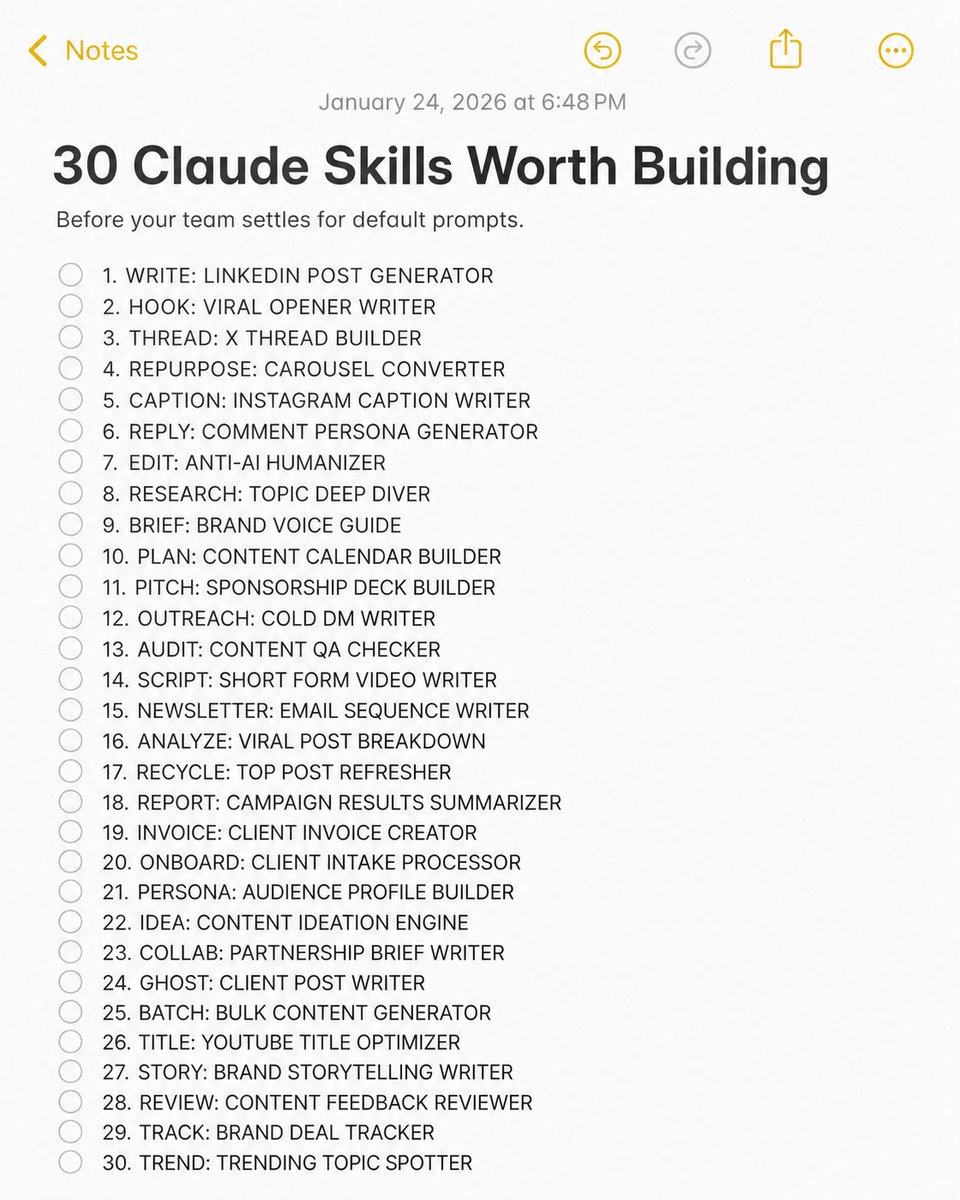
I built 30 Claude Skills this year.
Now Claude handles my content workflow
without me re-explaining anything.
Here's every Skill worth building
as a content creator:
Writing & Publishing
↳ Write → LinkedIn Post Generator
↳ Hook → Viral Opener Writer
↳ Thread → X Thread Builder
↳ Caption → Instagram Caption Writer
↳ Script → Short Form Video Writer
↳ Newsletter → Email Sequence Writer
↳ Ghost → Client Post Writer
↳ Story → Brand Storytelling Writer
These 8 cover every content format.
I describe the topic. Claude writes it.
Repurposing & Recycling
↳ Repurpose → Carousel Converter
↳ Recycle → Top Post Refresher
↳ Batch → Bulk Content Generator
↳ Title → YouTube Title Optimizer
One post becomes 5 formats.
Claude handles the conversion.
Research & Ideation
↳ Research → Topic Deep Diver
↳ Idea → Content Ideation Engine
↳ Trend → Trending Topic Spotter
↳ Analyze → Viral Post Breakdown
I never run out of content ideas.
These 4 skills feed my calendar weekly.
Quality & Brand Control
↳ Edit → Anti-AI Humanizer
↳ Audit → Content QA Checker
↳ Review → Content Feedback Reviewer
↳ Brief → Brand Voice Guide
↳ Reply → Comment Persona Generator
Nothing leaves my desk without
running through these 5 first.
Planning & Strategy
↳ Plan → Content Calendar Builder
↳ Persona → Audience Profile Builder
↳ Report → Campaign Results Summarizer
Strategy used to take me hours.
Now it takes one prompt each week.
Client & Business Ops
↳ Pitch → Sponsorship Deck Builder
↳ Outreach → Cold DM Writer
↳ Onboard → Client Intake Processor
↳ Collab → Partnership Brief Writer
↳ Invoice → Client Invoice Creator
↳ Track → Brand Deal Tracker
From cold outreach to final invoice.
6 skills cover the full client cycle.
30 skills. 6 categories.
A prompt is a one-time instruction.
A skill is a permanent playbook.
Build once. Run forever.
Which workflow would you automate first?
Follow Muhammad Ayan ♻️ Repost to help others.
Storyboard of this video created with GPT image 2
Prompt:
Create a wide 16-panel cinematic storyboard infographic showing the daily routine of a young Japanese woman running her own cozy coffee café. Use a realistic photography style with warm cinematic colors, soft café lighting, shallow depth of field, detailed interiors, and premium coffee-shop atmosphere. Each panel should feature the same realistic Japanese woman with a ponytail, white shirt, dark apron, and natural expressions. Arrange the storyboard in a clean 4x4 grid layout with numbered panels, bold titles, short bullet points, and smooth visual storytelling similar to a professional film-production storyboard. Scenes include: opening the café, grinding coffee beans, brewing espresso, steaming milk, creating latte art, serving customers, taking orders, baking desserts, cleaning the coffee counter, washing cups, restocking ingredients, managing the cash register, decorating the café, evening cleanup, closing the café, and relaxing with coffee at the end of the day. Add realistic steam, reflections, warm sunlight, café décor, cinematic camera angles, and cozy ambience throughout all scenes. Ultra-detailed, realistic human appearance, luxury café commercial aesthetic, visually organized storyboard composition, 4K quality.
If I had to learn AI agents in 7 days, I would not read a single paper.
I would build from these 10 GitHub repos.
1. awesome-llm-apps
The starting point. 100+ working agent apps you can clone and run on day one. 106K+ stars.
Repo → https://t.co/oXrD5A8K6a
2. AI-Agents-for-Beginners
Microsoft's free 12-lesson course. Real code, real exercises, no theory dump.
Repo → https://t.co/7dNsDw6bTj
3. CrewAI
Build your first multi-agent crew in under 3 hours. Used by 60% of the Fortune 500.
Repo → https://t.co/0xohE065sD
4. LangGraph
The orchestration layer every production AI system runs on in 2026. The skill on every senior AI engineer job description.
Repo → https://t.co/bzVBn9uecV
5. awesome-mcp-servers
MCP is the agent-tool standard in 2026. Plug your agent into 100+ tools without writing integrations.
Repo → https://t.co/ejVOgkRJDX
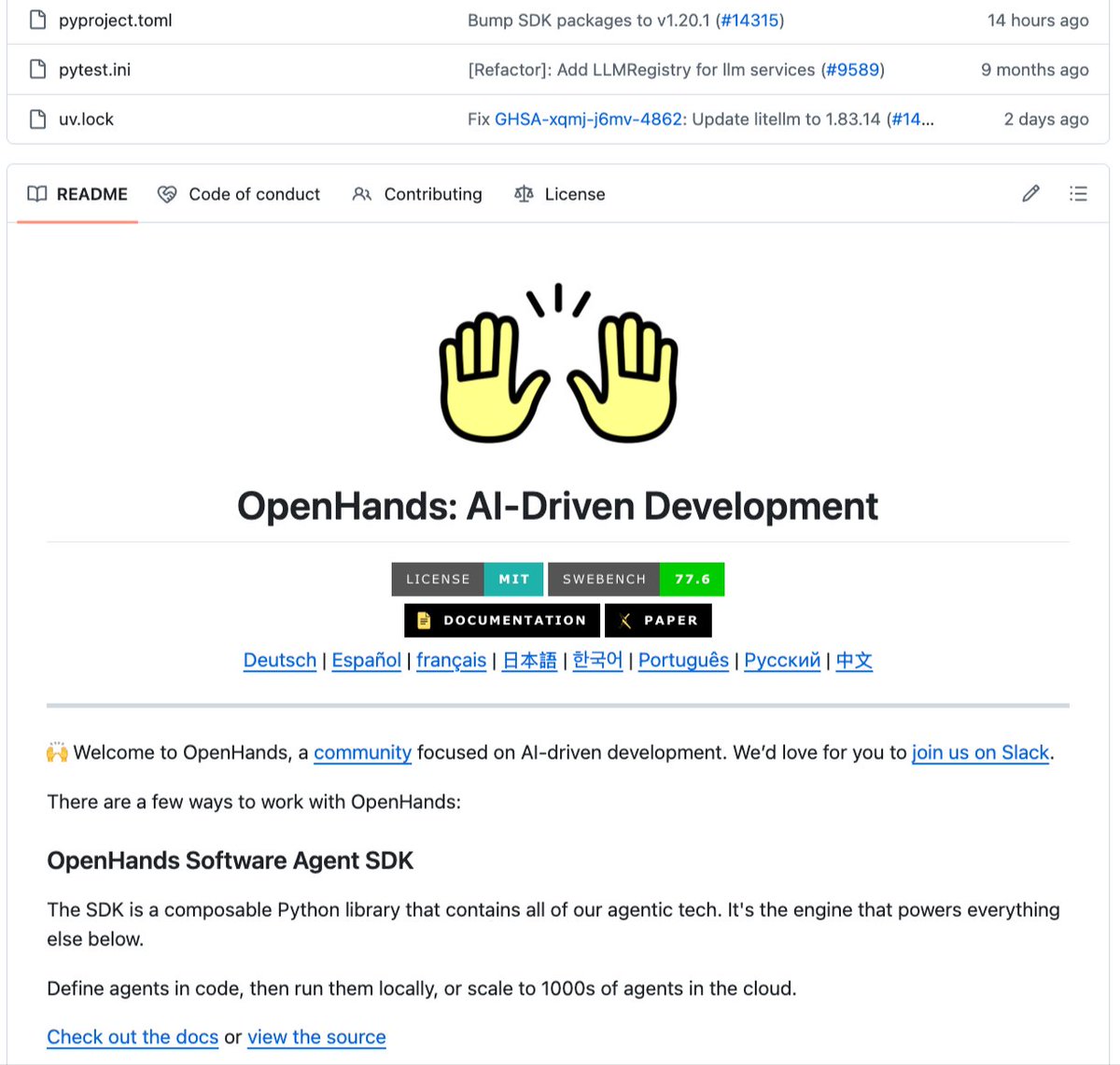
6. OpenHands
Study a real autonomous coding agent that ships pull requests on its own.
Repo → https://t.co/kqap76TDuB
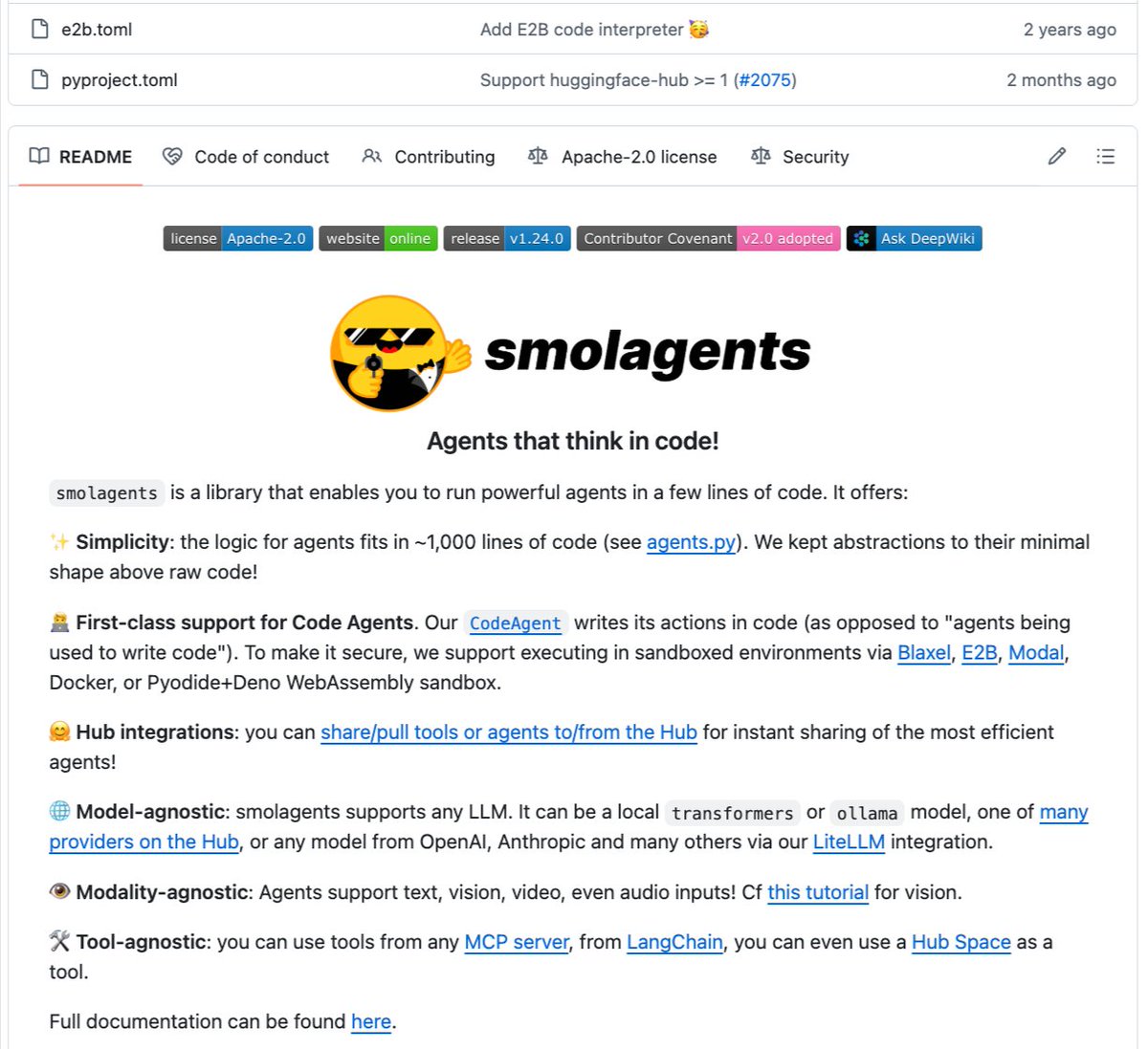
7. Smolagents
Hugging Face's minimal agent framework. ~1000 lines. The cleanest way to understand how agents actually work.
Repo → https://t.co/HgK9yxMcUH
8. Pydantic AI
The type-safe agent framework production teams are migrating to. Best choice for shipping reliable agents at work.
Repo → https://t.co/ESZkxsTXIR
9. OpenAI Agents SDK
The official OpenAI framework for handoffs, tool calls, and conversation context.
Repo → https://t.co/zV3llhnbw7
10. Letta (formerly MemGPT)
Agents that remember. Long-term memory, self-editing prompts, persistent identity.
Repo → https://t.co/qx02lTEepP
Here's the wildest part:
You don't need a paper, a PhD, or a course. You need a laptop, 7 days, and these 10 repos.
The skill that pays $200K in 2026 is not understanding agents. It is shipping them.
Day 1 you clone. Day 7 you have a working agent. The rest is iteration.
Save this before you forget.
100% free. 100% open source.
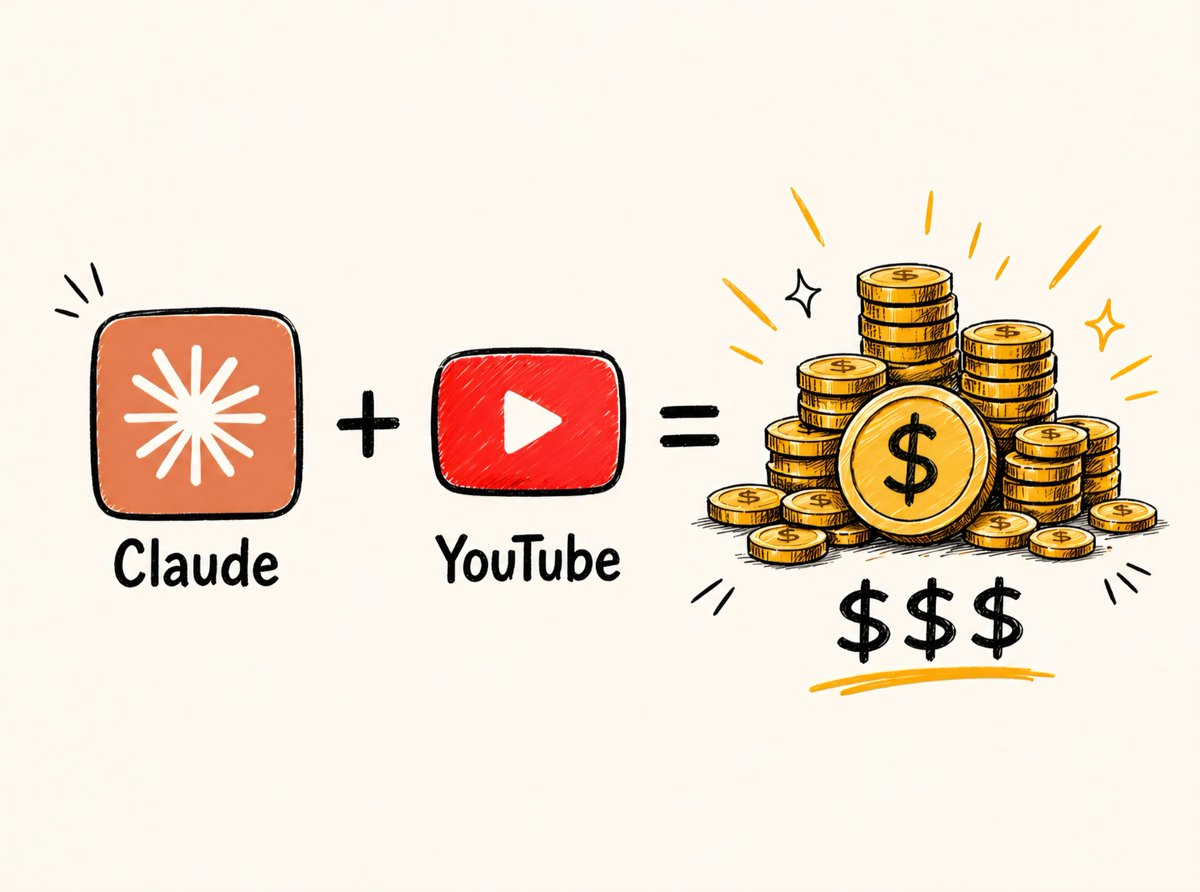
CLAUDE + YouTube = $$$$
CLAUDE + YouTube = $$$$
CLAUDE + YouTube = $$$$
No degree. No camera. No editing skills.
Even a 15-year-old can do this.
I'm going to show you exactly how.
12 prompts that print money on YouTube 👇
I created a character sheet using ChatGPT image 2.0 to help AI video creators to create professionally directed video.
Try the prompt below inside GPT image 2.0....
"Create a cinematic, film-production-grade character design sheet intended for a director, casting team, and costume department. This must feel like a high-budget animated film pitch board, not a generic model sheet. CORE DIRECTIVE (NON-NEGOTIABLE)No generic layouts No evenly spaced grids No symmetry for the sake of neatness Composition must feel art-directed, intentional, slightly asymmetrical Every section should feel placed, not auto-generated CHARACTER IDENTITY Name: [Full character name] Alias / ID: [Nickname, codename, symbolic title] Age: [Real or stylized age logic] Height: [Exact height in cm/ft] Build: [Detailed body type with nuance — proportions, weight distribution, posture tendencies] Ethnicity / Design Language:[Real-world influence or stylized hybrid approach — Pixar-esque, anime-inspired, culturally grounded, etc.] FACE DESIGN Structure:[Face shape, bone structure, exaggeration level, asymmetry] Skin / Surface:[Texture, tone, subsurface softness, imperfections, stylization level] Eyes:[Size, spacing, color, expressiveness, quirks] Hair:[Style, texture, behavior (physics), imperfections, movement logic] Distinct Features:[Any defining traits — scars, dimples, stretch, elasticity, etc.] PSYCHOLOGICAL PROFILE (DRIVES PERFORMANCE) Core Traits:[3–5 dominant personality traits] Internal Conflict:[What they want vs what sabotages them] Behavior Patterns: [Habit 1] [Habit 2] [Habit 3] Emotional Baseline:[Default emotional state + how quickly it shifts] PERFORMANCE DIRECTION (CRITICAL) Character must feel like a real actor caught mid-moment, not posing. Expression Notes: Micro-expressions required (lip tension, eye movement, eyebrow shifts) Avoid staged symmetry Capture transitional emotion (before/after reaction) Body Language: [Posture tendencies] [Movement rhythm: stiff, bouncy, dragging, sharp, etc.] [Idle behavior: fidgeting, stillness, tension] WARDROBE (PRODUCTION-REALISTIC WITH STYLIZATION) Primary Outfit: [Garment 1: fabric type, wear, imperfections] [Garment 2: fit, distortion, stitching details] [Layering logic] Footwear:[Material, wear patterns, realism vs stylization] Accessories:[Functional + character-revealing items] Props:[Objects frequently carried that reinforce personality] MATERIAL & TEXTURE ACCURACY Fabrics must show stretch, stitching, wrinkles, wear Surfaces must avoid plastic look unless intentionally stylized Skin should have soft light interaction, slight bounce Include imperfections: dirt, smudges, aging, usage marks TURNAROUND REQUIREMENTS (STRICT CONSISTENCY) Generate full-body turnaround with identical proportions and design fidelity: Front View 3/4 View Side View Back View 3/4 Back View No drift in proportions, face, or costume. HEAD STUDY (ACTOR REFERENCE QUALITY) Include expressive head variations: Front (neutral or controlled expression) 3/4 (primary personality expression) Profile (structure clarity) Looking Down (emotion: [insert]) Looking Up (emotion: [insert]) Dynamic Angle (emotion: [insert intense state]) Expressions must feel captured mid-thought, not posed. CINEMATIC PORTRAIT (FILM STILL) Environment:[Specific location tied to character behavior] Lighting:[Motivated sources — practical lights, ambient glow, contrast level] Color Tone:[Palette direction — warm, cool, mixed, stylized] Expression:[Specific narrative moment] Camera:[Real-world lens feel — 50mm, 85mm, etc.] Shallow depth of field, cinematic realism CAMERA + LIGHTING SPECIFICATIONS Full Body: Lens: [e.g., 35mm] Lighting: soft key + bounce Natural exposure, no HDR Portrait: Lens: [e.g., 85mm] Depth of field: shallow Focus priority: eyes and expression COMPOSITION & LAYOUT Clean but art-directed sheet layout Neutral background (gray or soft tone) for turnaround Structured but visually dynamic section placement Include: Height scale reference Annotation callouts (fabric stretch, personality cues, prop usage) Wardrobe breakdown section Notes for production Layout must feel like a premium studio presentation board STYLE [Define clearly] Examples: Pixar-style stylized realism Hyper-expressive animation realism Semi-realistic cinematic character design Must include: Appealing exaggeration Soft geometry Cinematic lighting High emotional readability CONSISTENCY RULE (STRICT) Face, proportions, costume, and details must remain identical across all views and sections No reinterpretation between angles. OUTPUT QUALITY Extremely high detail Sharp focus Production-ready fidelity Suitable for film development, merchandising, and pitch decks
"
10 GitHub repos that print money while you sleep:
1. AutoHedge
https://t.co/vpAFgGlRRX…
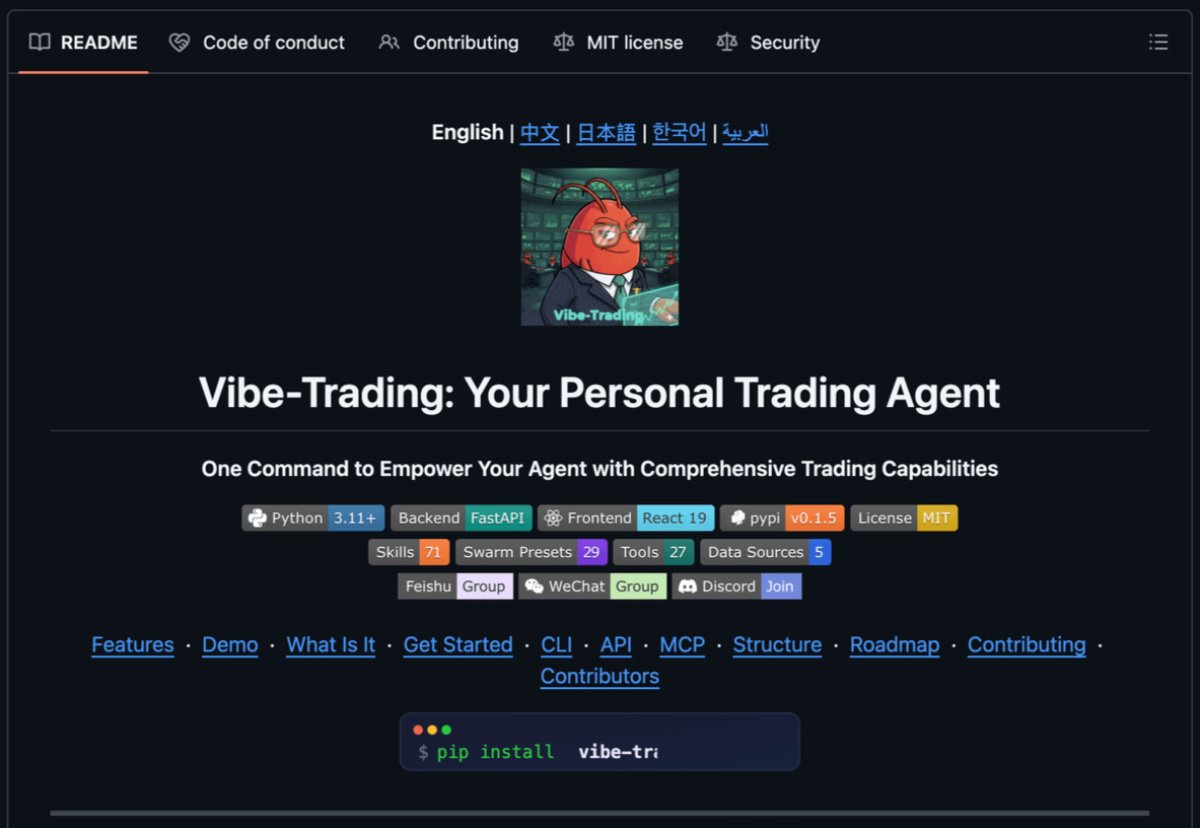
2. Vibe-Trading
https://t.co/IUiBQyyuoJ…
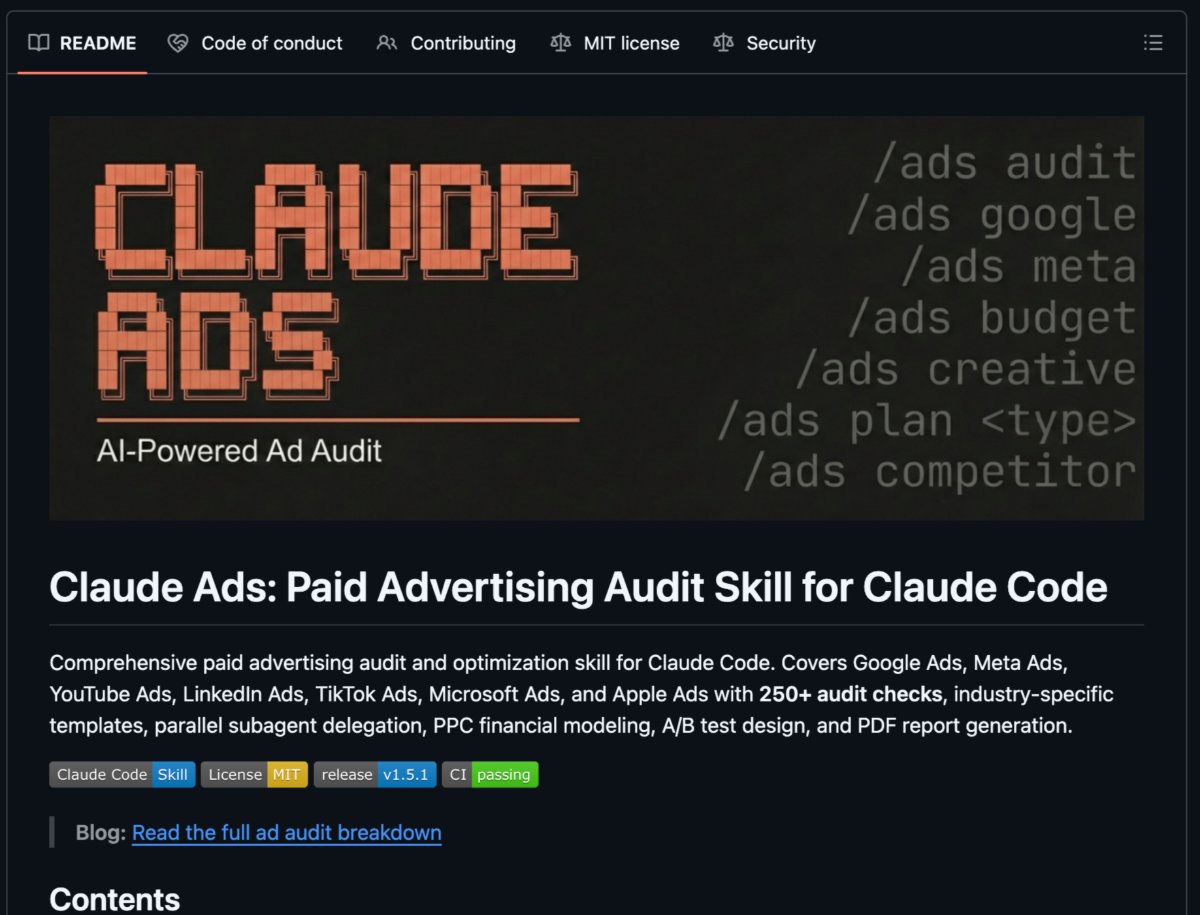
3. Claude Ads
https://t.co/7012CDa2sx…
4. Toprank
https://t.co/15q8wnFqNB…
5. Fincept Terminal
https://t.co/mEvDhPbhn1…
6. Agentic Inbox
https://t.co/5sj1lAtIIi…
7. ClawRouter
https://t.co/1ZpLub24xv…
8. Camofox Browser
https://t.co/QM9xhWBQv4…
9. Open Higgsfield AI
https://t.co/HG8TM4Wj6J…
10. Hyperframes
https://t.co/xuJo3sY5it…
If you’d love to see more content like this, don’t forget to follow @I_am_Aiabir for more AI magic.









![EarthDeFIRE's tweet photo. ⚡️ “อนาคต 2-5 ปีนี้ Solopreneur (ผู้ประกอบการลุยเดี่ยว) ที่ใช้ AI เป็น จะตบสตาร์ทอัพยกทีมได้สบายๆ” --- คัมภีร์ Claude 18 ขั้นตอนที่โกงที่สุด ดึงพลัง AI ออกมา 100%
หลายคนเปิด Claude มา พิมพ์ถามดื้อๆ ได้คำตอบแล้วก็ปิดแท็บไป... บอกเลยว่านั่นคุณกำลังใช้พลังของมันแค่ 5-10% เท่านั้นครับ
บทความนี้สรุปอินไซต์เน้นๆ จาก Lecture 60 นาทีที่ Cambridge ของ Demis Hassabis (CEO ของ Google DeepMind ดีกรีรางวัลโนเบลสาขาเคมี) คนที่เอา AI ไปแก้โจทย์ชีววิทยาได้สำเร็จ
และนี่คือ 3 โควทกระตุกต่อมคิดจากเขา:
💡 "AI ที่คุณใช้ในวันนี้ คือเวอร์ชันที่โง่ที่สุดเท่าที่คุณจะเจอในชีวิตนี้แล้ว (เพราะมันเก่งขึ้นทุกนาที)"
💡 "ในอนาคต บริษัทจะใช้คนแค่ 10 คน ทำงานทดแทนสิ่งที่เคยต้องใช้ 200 คน"
💡 "คนที่รอดและรวยไม่ใช่คนที่ฉลาดที่สุด แต่คือคนที่เริ่มลงมือทำตั้งแต่ตอนนี้"
ผมย่อยสรุปออกมาเป็น 18 ขั้นตอนแบบคัดเนื้อๆ พร้อม Prompt สไตล์ Copy-Paste เอาไปเซ็ตอัพให้ Claude กลายเป็นร่างทองลุยงานแทนคุณได้เลย! 👇
🛠️ Part 1: Setup ร่างทอง (เบสิกที่คนส่วนใหญ่ข้าม)
1. เลิกใช้แชทธรรมดา แล้วสร้าง “Project” ซะ
แชทปกติพอกดนิวแชทใหม่ = สมองเสื่อมทันที จำอะไรไม่ได้เลย ให้ไปที่เมนูด้านข้าง → คลิก Projects → สร้างโปรเจกต์แยกตามโปรดักต์หรืองาน เช่น “Work”, “Content”, “Crypto” เพื่อล็อกบริบทให้มันจำได้ตลอดกาล
2. ใส่ประวัติการทำมาหากินของคุณ (Knowledge Base)
คัดลอกโปรไฟล์ตัวเอง ประสบการณ์ ธุรกิจ หรือเป้าหมายการทำงาน ไปแปะในส่วน Knowledge Base ของ Project ซะ คราวนี้ Claude จะรู้ไลน์อาหารของคุณทันทีโดยไม่ต้องบรีฟใหม่ทุกรอบ
3. ล็อก Custom Instructions เป็นไกด์ไลน์ถาวร
หลังจากอัปโหลดโปรไฟล์แล้ว ให้สั่ง Claude ต่อว่า:
"จากข้อมูลโปรไฟล์ของฉัน ช่วยสรุปและสร้าง Custom Instructions ที่ดีที่สุด เพื่อให้คุณสวมบทบาทเป็นผู้ช่วยส่วนตัวของฉันในโปรเจกต์นี้"
ได้ผลลัพธ์แล้วเอาไปแปะในช่อง Instructions ของ Project จบเลย คราวนี้โหมดทำงานมันจะนิ่งและตรงบรีฟตลอดไป
###🧠 Part 2: วิธีเปลี่ยนไอเดีย (Claude ไม่ใช่ Google)
4. อย่ามองมันเป็น Search Engine แต่ให้มองเป็น Co-Pilot
❌ อย่าสั่ง: “Prompt caching คืออะไร?”
✅ ให้สั่ง: “ฉันกำลังบิ้วด์ workflow ตัวหนึ่งที่จะเรียกใช้ Claude ประมาณ 20 ครั้งต่อเซสชัน ช่วยอธิบายทีว่า Prompt caching ทำงานยังไง และถ้าบริบทฉันยาวขนาดนี้ มันจะช่วยเซฟคอสต์ได้จริงไหม?”
5. ดักคอให้ AI ถามกลับก่อนลงมือทำงาน
ก่อนจะสั่งงานยากๆ หรือโปรเจกต์ใหญ่ แปะประโยคนี้ลงไปก่อน:
"ก่อนที่จะเริ่มลุยงานนี้ ช่วยถามคำถามที่จำเป็นทั้งหมดที่คุณต้องใช้ เพื่อให้ได้ผลลัพธ์ที่ดีที่สุด ห้ามเดาหรือสมมติฐานเอาเอง"
🚀 Part 3: ฟีเจอร์ลับสายลึก (Advanced Tricks)
6. โคลนสไตล์การเขียน (Clone ยิงสไตล์เราเป๊ะๆ)
ส่งดราฟต์บทความหรืองานเขียนที่เราเคยแต่งเองสัก 3-5 ชิ้นให้มันดู แล้วสั่งว่า:
"วิเคราะห์ตัวอย่างงานเขียนของฉันด้านบนนี้ แกะเอกลักษณ์ทั้งโทนเสียง (Tone of voice), โครงสร้างประโยค, การใช้คำ, จังหวะการตบมุก และคาแรคเตอร์ของฉันออกมา จากนี้ไปให้เขียนงานทุกอย่างด้วยสไตล์นี้เป๊ะๆ ห้ามใช้ภาษา AI แข็งๆ เด็ดขาด"
7. ชวนทะเลาะหาจุดบอด (Devil’s Advocate)
ก่อนจะปล่อยโปรดักต์หรือแผนมาร์เก็ตติ้ง สั่งมันเลย:
"สวมบทเป็นคู่ซ้อมโต้เถียงที่โหดที่สุด ช่วยเข้ามาถล่มไอเดียนี้ที ชี้จุดอ่อน ความเสี่ยง และสมมติฐานกาวๆ ทั้งหมดออกมา ขอแบบตรงๆ ไม่ต้องรักษาน้ำใจ"
8. บังคับใช้สมองส่วนลึก (Extended Thinking)
เวลามีโจทย์เลขยากๆ หรืองานวางโครงสร้างระบบ ให้เปิดโหมดไอคอนรูปสมอง (Extended Thinking) หรือพิมพ์สั่งตบท้ายว่า:
"
ใช้โหมด extended thinking: คิดวิเคราะห์ทีละสเต็ป ตกผลึกให้เรียบร้อยก่อนจะพ่นคำตอบสุดท้ายออกมา"
9. ให้ Claude เขียน Prompt ให้ตัวเอง
คิดไม่ออกว่าจะสั่งยังไงดี? พิมพ์บอกสั้นๆ พอ:
"เขียน Prompt ที่ดีและเคลียร์ที่สุดสำหรับสั่งงาน [ใส่ชื่องานที่ต้องการ เช่น เขียนเธรด X] ขอแบบละเอียดและดึงประสิทธิภาพสูงสุดของ AI ออกมา"
📉 Part 4: วิธีเซฟโทเค็น (งานไว ไม่เปลืองโควตา)
10. บล็อกความยาวให้ชัด
ตัดปัญหาน้ำท่วมทุ่งด้วยการเคาะสเปกไปเลย: “ขอสรุปเนื้อๆ กระชับ ไม่เกิน 300 คำ” หรือ “ขอดีเทลลึกๆ จัดเต็ม 800 คำ”
11. สั่งห้ามพูดคำไร้สาระ
ใส่ประโยคนี้ใน Custom Instructions ไปเลย:
"ห้ามทักทาย ห้ามพูดคำว่า ‘Great question’ ห้ามทวนคำถาม หรือเกริ่นนำใดๆ ทั้งสิ้น ตรงเข้าเนื้อหาคำตอบทันที"
12. ไม่ต้องใส่บริบทซ้ำซาก
ถ้าเซ็ตอัพ Project + Custom Instructions ไว้ดีแล้ว ไม่ต้องเสียเวลาเกริ่นนำบรีฟตัวเองใหม่ตอนเปิดแชท พิมพ์ลุยงานได้เลย
13. เรื่องใหม่ = เปิดแชทใหม่เสมอ
การคุยหลายๆ เรื่องปนกันในแชทเดียวยาวๆ นอกจากจะเปลืองโทเค็นโคตรๆ แล้ว ยังทำให้ AI เอ๋อและสับสนบริบทด้วย ถ้าเปลี่ยนท็อปปิกให้เปิดแชทใหม่ในโปรเจกต์เดิมทันที
📋 Part 5: แจกคลัง Prompt สำเร็จรูป (Copy-Paste ไปยิงงานได้เลย)
14. สรุปเรื่องยากๆ ให้เข้าใจง่าย (Feynman Technique)
"ช่วยอธิบาย [ใส่หัวข้อที่อยากรู้] ให้เข้าใจง่ายเหมือนเล่าให้เด็กอายุ 15 ที่หัวไวแต่ไม่มีพื้นฐานฟัง ใช้อุปมาอุปไมยเปรียบเทียบกับชีวิตประจำวัน เอาแบบเข้าใจคอนเซปต์จริง ไม่ใช่แค่ท่องจำ"
15. วางแผนทริปเดินทางตามใจสั่ง (Custom Travel)
"สร้างแพลนเที่ยวไป [สถานที่] ระหว่างวันที่ [ระบุวัน] สไตล์การเที่ยวของฉันคือ [เช่น สายคาเฟ่ ชิลๆ / ลุยๆ / เน้นอาหารโลคอล] สิ่งที่ให้ความสำคัญ 3 อย่างคือ [ระบุไป เช่น งบประหยัด, ถ่ายรูปสวย, ไม่รีบ] หลีกเลี่ยงแลนด์มาร์กมหาชนที่คนล้น ยกเว้นว่ามันต้องไปจริงๆ ขอตารางรายวัน สรุปงบ และเหตุผลที่เลือกแต่ละที่ให้ด้วย"
16. ตรวจสอบบัญชีและค่าใช้จ่าย (Audit รายเดือน)
*"นี่คือข้อมูลรายรับ-รายจ่าย/สเตทเม้นต์บัตรเครดิตของฉันในรอบ 30 วันที่ผ่านมา: [วางข้อมูล] ช่วยวิเคราะห์ให้ที:
แบ่งหมวดหมู่รายจ่ายออกมาเป็นเปอร์เซ็นต์
จุดไหนคือรูรั่วที่ทำให้ฉันเสียเงินเยอะที่สุดแบบไม่จำเป็น
แนะนำ 3-5 Actions ที่ต้องทำทันทีในเดือนนี้เพื่ออุดรอยรั่วนี้
ขอข้อเท็จจริงแบบเรียลๆ โหดๆ ไม่ต้องอ้อมค้อม"*
17. เพื่อนคู่คิด ช่วยปลดล็อกทางตัน (Thinking Partner)
"ตอนนี้ฉันติดปัญหาเรื่อง [เล่าสถานการณ์/งานที่ติด] ช่วยสวมบทบาทเป็นคู่คิดที่ไม่ตัดสิน ฉันอยากให้คุณช่วยตั้งคำถามกลับมาทีละข้อเพื่อให้ฉันได้ทบทวนตัวเอง ค่อยๆ พาคิดไปทีละสเต็ป ห้ามรีบสรุปหรือให้คำแนะนำดื้อๆ ยิงคำถามแรกมาได้เลย"
18. สแกนไอเดียธุรกิจก่อนลงเงินจริง (Business Stress Test)
*"นี่คือไอเดียธุรกิจของฉัน: [อธิบายโมเดลธุรกิจ กลุ่มลูกค้า วิธีหาเงิน] ช่วยทำตัวเป็นนักลงทุนใจร้ายที่คอยจับผิดโปรดักต์นี้ที สแกนให้หน่อยว่า:
ความเสี่ยงและจุดตายที่ใหญ่ที่สุดคืออะไร?
ใครคือกลุ่มคนที่ยอมจ่ายเงินซื้อสิ่งนี้จริงๆ และเพราะอะไร?
มีตรงไหนที่ฉันกำลังมองข้ามหรือกาวไปเองไหม?
จุดไหนที่จะทำให้สเกลได้ 10 เท่า หรือจุดไหนที่จะทำให้เจ๊งสนิททันที?
บอกความจริงมาเลย ฉันอยากเจ็บตรงนี้ก่อนไปเจ็บจริงตอนลงเงิน"*
🔥 Wrap up: AI ไม่ได้ฉลาดกว่าเรา แต่มันอึดกว่า มีข้อมูลเยอะกว่า และไม่มีอารมณ์มาเกี่ยว คนที่ชนะในยุคนี้ไม่ใช่คนที่พิมพ์เก่งที่สุด... แต่คือคนที่เซ็ตระบบให้ AI เข้าใจบริบทของตัวเองและธุรกิจได้เคลียร์ที่สุดต่างหากครับ!
เซฟโพสต์นี้เก็บไว้ลองเซ็ตอัพตามดู แล้วคุณจะรู้ว่างานมันเดินไวขึ้น 10 เท่ามีอยู่จริง! 🚀
ขอขอบคุณข้อมูล คุณ @AnatoliKopadze](https://pbs.twimg.com/media/HIaDuEgaAAEcuGd.jpg)


![EarthDeFIRE's tweet photo. จ่าย Claude @claudeai เดือนละ $20 อาจจะเพียงพอแล้ว! ถ้าคุณ Optimize เป็น ด้วย 21 เทคนิคปฏิบัติ ที่ใช้งานได้จริงเหล่านี้
ไม่ต้องรีบอัปเกรดเป็นแผน $100 แค่ปรับ Workflow ให้ฉลาดขึ้น ก็ช่วยลดการบริโภค Token และทำให้แผน Pro คุ้มค่าที่สุด ฮะ
📌 ลองเช็คดูว่าคุณกำลังทำแบบนี้อยู่หรือเปล่า? และนี่คือวิธีแก้ไขครับ:
1. ❌ อัปโหลด PDF แบบดิบๆ: (กิน 500–4,000+ token ต่อหน้า)
✅ แก้ไข: คัดลอกข้อความใส่ Google Docs -> ดาวน์โหลดเป็น .md (Markdown) ไฟล์จะเล็กลงมาก เหลือไม่ถึง 200 โทเคน
2. ❌ เริ่มสร้างไฟล์ใน Cowork เร็วเกินไป:
✅ แก้ไข: วางแผนรายละเอียดใน Chat ให้เรียบร้อยก่อน แล้วค่อยย้ายไป Cowork เมื่อรู้ชัดเจนแล้วว่าต้องการอะไร เช่น
ใช้ Chat ก่อน เมื่อยังไม่ชัดเจนว่าต้องการอะไร เช่น brainstorm, ถามโน่นถามนี่, ลองหลาย direction, ยังไม่รู้ว่า output สุดท้ายจะออกมาหน้าตาแบบไหน
ย้ายไป Cowork เมื่อรู้แล้วชัดเจนว่าต้องการไฟล์จริงๆ เช่น สร้าง Excel, เขียน Python script, ทำ dashboard, แก้ไขโค้ด — งานที่มี deliverable ชัดเจนและต้องการให้ Claude จัดการ file system
3. ❌ เขียนพรอมต์ยาว 500 คำ สำหรับงานง่ายๆ:
✅ แก้ไข: เขียนสั้นๆ ก็พอ เช่น "ฉันอยากได้ [งาน] เพื่อ [เป้าหมาย]. ถามฉันด้วย AskUserQuestion ก่อนเริ่ม"
4. ❌ พิมพ์ "redo the whole thing" เพื่อแก้แค่จุดเดียว:
✅ แก้ไข: สั่งแก้เฉพาะจุด เช่น "Only redo section 3. Keep everything else. No commentary. Just the output."
5. ❌ ส่ง 3 ข้อความแยกกันสำหรับ 3 งาน:
✅ แก้ไข: มัดรวมใส่ข้อความเดียว เช่น "Summarize this, list the points, suggest a headline."
6. ❌ พิมพ์ "No, I meant..." แก้ไขงานเดิมจนประวัติแชทยาว:
✅ แก้ไข: กดปุ่ม Edit ที่ข้อความพรอมต์เดิม แก้ไขเนื้อหาแล้วกด Regenerate ทับไปเลย
7. ❌ เขียนพรอมต์ใหม่หมดทุกครั้งที่เริ่มงาน:
✅ แก้ไข: สร้าง Prompt Library เก็บไว้ ใช้โครงสร้างเดิม แค่เปลี่ยนตัวแปรต้นทาง
8. ❌ ใช้ Claude Opus (รุ่นท็อป) กับงานง่ายๆ เช่นตรวจ Grammar:
✅ แก้ไข: งานง่ายใช้แค่ Sonnet ก็พอ เก็บ Opus ไว้ใช้กับงานที่ต้องการความลึกและซับซ้อนจริงๆ
9. ❌ ไฟล์บริบท (เช่น About Me) ยาวเกินความจำเป็น:
✅ แก้ไข: ตัดให้สั้น กระชับ เหลือเฉพาะเนื้อๆ ไม่เกิน 2,000 คำ
10. ❌ ไม่เคยรีสตาร์ทแชทเลย ปล่อยให้คุยยาวจนเอ๋อ:
✅ แก้ไข: เมื่อ Cowork เริ่มเพี้ยน ให้กด "Restart the conversation from here" ที่ข้อความก่อนหน้าเพื่อล้าง context เก่า
11. ❌ ไม่เคยสรุปเนื้อหาเปนระยะก่อนแชทจะยาวเกินไป:
✅ แก้ไข: ทุกๆ 15-20 ข้อความ ให้สั่งสรุปแล้วกอปปี้ไปเริ่มเซสชันใหม่
12. ❌ ไม่ใช้ Projects สำหรับไฟล์ที่ต้องใช้บ่อยๆ:
✅ แก้ไข: ใช้ฟีเจอร์ Projects อัปโหลดไฟล์ครั้งเดียว ทุกแชทในโปรเจกต์จะเรียกใช้ได้เลย ไม่ต้องอัปโหลดซ้ำ
13. ❌ โยนไฟล์ 50 ไฟล์เข้า Cowork แบบ "เผื่อไว้ก่อน":
✅ แก้ไข: ใส่เฉพาะไฟล์ที่จำเป็นต้องใช้ในงานนั้นจริงๆ
14. ❌ คุยหลายหัวข้อตีกันมั่วในแชทเดียว:
✅ แก้ไข: หัวข้อใหม่ = แชทใหม่เสมอ context เก่าที่ไม่เกี่ยวข้องคือการเสียโทเคนเปล่า
15. ❌ เปิด Search และ Connectors ทิ้งไว้ตลอดเวลา:
✅ แก้ไข: ปิดเป็นค่าเริ่มต้น แล้วเปิดใช้เฉพาะเมื่องานนั้นต้องการจริงๆ
16. ❌ รันรายงานเดิมๆ ทุกสัปดาห์ด้วยการพิมพ์ใหม่มือ:
✅ แก้ไข: สร้าง Prompt Template สำหรับงานรูทีน เก็บไว้ใน Project แล้ว copy-paste ใช้ตอนเริ่มแชทใหม่
17. ❌ พิมพ์พรอมต์ยาวๆ ด้วยมือตลอด ไม่เคยใช้เสียงพิมพ์:
✅ แก้ไข: ใช้ระบบ Dictation (ไมโครโฟน) แทนการพิมพ์ (Mac: กด Fn 2 ครั้ง, Windows: Win + H)
18. ❌ ยังไม่ได้ตั้งค่า Personal Preferences:
✅ แก้ไข: ไปที่ Settings -> Personal Preferences ตั้งโทนและสไตล์การตอบกลับที่ต้องการไว้ครั้งเดียว
19. ❌ พิมพ์พรอมต์แบบ lazy เช่น "ทำให้ดีขึ้น" กับงานที่ซับซ้อน:
✅ แก้ไข: ใช้ https://t.co/AZYTJEIdVm หรือเสียงพิมพ์ อธิบายบริบท (context) ให้ครบถ้วนในครั้งเดียว
20. ❌ ใช้โควต้า (Message Limit) ทั้งหมดหมดภายในเช้าวันเดียว:
✅ แก้ไข: Claude ใช้ระบบ rolling window 5 ชั่วโมง พยายามแบ่งงานออกเป็นช่วงๆ ตลอดทั้งวัน
21. ❌ พยายามใช้ Claude กับงานที่มันทำไม่ได้ดี:
✅ แก้ไข: เลือกเครื่องมือให้ถูกงาน เช่น อยากได้ภาพ -> ไป Gemini, อยากค้นหา Real-time -> ไป Grok
💡 เทคนิคเหล่านี้ใช้เวลาตั้งค่าแค่ 1-2 ชม. แต่ช่วยยืดอายุแผน Pro เดือนละ $20 ให้คุ้มค่าสุดๆ โดยไม่ต้องอัปเกรดเป็นแผน Max ครับ
ขอขอบคุณข้อมูลดีๆ จากคุณ @rubenhassid
#EarthDeFIRE รายงาน 13/05/2026
#Claude #ClaudeAI #AI #Productivity](https://pbs.twimg.com/media/HILRY_qb0AAgppR.jpg)

![sheapgamer's tweet photo. [News] "Pordee" ปลั๊กอินภาษาไทยสำหรับClaude Code ที่ช่วยลดการใช้งาน Token ได้สูงสุดถึง 75%!
.
เมื่อช่วงเช้าที่ผ่านมา เจ้าพ่อสารพัดอย่างโปรเจกต์และนักพัฒนาชาวไทยคุณ keRLos เปิดตัวโปรเจกต์ใหม่ในชื่อ Pordee หรือ “พอดี” ซึ่งเป็น Plugin สำหรับ Claude Code ที่ออกแบบมาเพื่อแก้ปัญหาการกิน Token ปริมาณมากของภาษาไทยโดยเฉพาะ โดยได้รับแรงบันดาลใจมาจาก "caveman" เพื่อช่วยให้ AI ตอบคำถามได้กระชับ ตรงประเด็น และประหยัด Token สูงสุดถึง 60-75% โดยที่เนื้อหาและความถูกต้องทางเทคนิคยังอยู่ครบถ้วน
.
สำหรับหลายๆคนที่ใช้ AI เป็นแชตบอตอาจจะทราบดีว่า ในการถามคำถามที่เป็นเนื้อหาหรือบริบทเดียวกันภาษาไทยนั้นใช้จำนวน Token ในการตอบมากกว่าภาษาอังกฤษมาก แต่หลายคนเองก็ไม่ได้สะดวกที่จะแชตกับ AI ด้วยภาษาอังกฤษตลอดเวลา คุณ keRLos จึงได้พัฒนา Plugin สำหรับ AI ชื่อว่า Pordee ขึ้นมาให้ใช้งานกัน
.
โหมดการทำงานของ Pordee จะแบ่งระดับการตัดคำออกเป็น 2 ระดับ เพื่อให้ผู้ใช้เลือกใช้ตามความเหมาะสมได้แก่
.
Lite - เน้นตัดคำฟุ่มเฟือย คำสุภาพ และคำลงท้าย (ครับ/ค่ะ) ออก แต่ยังคงโครงสร้างไวยากรณ์ที่ถูกต้อง อ่านแล้วยังเป็นภาษาไทยปกติที่ดูเป็นทางการ
.
Full - เป็นค่าเริ่มต้น ที่เน้นความประหยัดสูงสุด โดยจะตัดทั้งคำเชื่อมที่ไม่จำเป็นและปรับรูปประโยคให้สั้นที่สุดเท่าที่จะทำได้ ซึ่งช่วยลดจำนวน Token ลงได้มหาศาลจากประโยคภาษาไทยแบบปกติ
.
วิธีติดตั้งและใช้งานผ่าน Claude Code สามารถติดตั้งบน CLI ได้ทันทีด้วยคำสั่ง
.
claude plugin marketplace add kerlos/pordee
claude plugin install pordee@pordee
.
หลังจากติดตั้งแล้ว สามารถควบคุมการทำงานผ่าน Slash Command เช่น /pordee เพื่อเปิดใช้งาน หรือ /pordee stop เพื่อปิด นอกจากนี้ยังมีระบบ Keyword ที่ช่วยให้เปิด-ปิดการใช้งานได้ง่ายๆ เพียงพิมพ์คำว่า "พอดี", "พูดสั้นๆ" หรือ "พูดปกติ" ในแชท ระบบจะปรับเปลี่ยนโหมดการตอบกลับให้อัตโนมัติทันที
.
ในเวอร์ชันแรกนี้ คุณ keRLos บอกว่าจะรองรับการใช้งานผ่าน Claude เป็นหลัก แต่มีแผนที่จะขยายการรองรับไปยัง AI ตัวอื่นๆ เพิ่มเติมในอนาคต
.
ใครที่สนใจก็ไปส่องและติดตั้งได้ใน Github ด้านล่าง
Github: https://t.co/azYGHVibCd
Source: https://t.co/g9Nap9FiVH](https://pbs.twimg.com/media/HHxpYFeagAAzDe3.jpg)


![beginnersblog1's tweet photo. I created a character sheet using ChatGPT image 2.0 to help AI video creators to create professionally directed video.
Try the prompt below inside GPT image 2.0....
"Create a cinematic, film-production-grade character design sheet intended for a director, casting team, and costume department. This must feel like a high-budget animated film pitch board, not a generic model sheet. CORE DIRECTIVE (NON-NEGOTIABLE)No generic layouts No evenly spaced grids No symmetry for the sake of neatness Composition must feel art-directed, intentional, slightly asymmetrical Every section should feel placed, not auto-generated CHARACTER IDENTITY Name: [Full character name] Alias / ID: [Nickname, codename, symbolic title] Age: [Real or stylized age logic] Height: [Exact height in cm/ft] Build: [Detailed body type with nuance — proportions, weight distribution, posture tendencies] Ethnicity / Design Language:[Real-world influence or stylized hybrid approach — Pixar-esque, anime-inspired, culturally grounded, etc.] FACE DESIGN Structure:[Face shape, bone structure, exaggeration level, asymmetry] Skin / Surface:[Texture, tone, subsurface softness, imperfections, stylization level] Eyes:[Size, spacing, color, expressiveness, quirks] Hair:[Style, texture, behavior (physics), imperfections, movement logic] Distinct Features:[Any defining traits — scars, dimples, stretch, elasticity, etc.] PSYCHOLOGICAL PROFILE (DRIVES PERFORMANCE) Core Traits:[3–5 dominant personality traits] Internal Conflict:[What they want vs what sabotages them] Behavior Patterns: [Habit 1] [Habit 2] [Habit 3] Emotional Baseline:[Default emotional state + how quickly it shifts] PERFORMANCE DIRECTION (CRITICAL) Character must feel like a real actor caught mid-moment, not posing. Expression Notes: Micro-expressions required (lip tension, eye movement, eyebrow shifts) Avoid staged symmetry Capture transitional emotion (before/after reaction) Body Language: [Posture tendencies] [Movement rhythm: stiff, bouncy, dragging, sharp, etc.] [Idle behavior: fidgeting, stillness, tension] WARDROBE (PRODUCTION-REALISTIC WITH STYLIZATION) Primary Outfit: [Garment 1: fabric type, wear, imperfections] [Garment 2: fit, distortion, stitching details] [Layering logic] Footwear:[Material, wear patterns, realism vs stylization] Accessories:[Functional + character-revealing items] Props:[Objects frequently carried that reinforce personality] MATERIAL & TEXTURE ACCURACY Fabrics must show stretch, stitching, wrinkles, wear Surfaces must avoid plastic look unless intentionally stylized Skin should have soft light interaction, slight bounce Include imperfections: dirt, smudges, aging, usage marks TURNAROUND REQUIREMENTS (STRICT CONSISTENCY) Generate full-body turnaround with identical proportions and design fidelity: Front View 3/4 View Side View Back View 3/4 Back View No drift in proportions, face, or costume. HEAD STUDY (ACTOR REFERENCE QUALITY) Include expressive head variations: Front (neutral or controlled expression) 3/4 (primary personality expression) Profile (structure clarity) Looking Down (emotion: [insert]) Looking Up (emotion: [insert]) Dynamic Angle (emotion: [insert intense state]) Expressions must feel captured mid-thought, not posed. CINEMATIC PORTRAIT (FILM STILL) Environment:[Specific location tied to character behavior] Lighting:[Motivated sources — practical lights, ambient glow, contrast level] Color Tone:[Palette direction — warm, cool, mixed, stylized] Expression:[Specific narrative moment] Camera:[Real-world lens feel — 50mm, 85mm, etc.] Shallow depth of field, cinematic realism CAMERA + LIGHTING SPECIFICATIONS Full Body: Lens: [e.g., 35mm] Lighting: soft key + bounce Natural exposure, no HDR Portrait: Lens: [e.g., 85mm] Depth of field: shallow Focus priority: eyes and expression COMPOSITION & LAYOUT Clean but art-directed sheet layout Neutral background (gray or soft tone) for turnaround Structured but visually dynamic section placement Include: Height scale reference Annotation callouts (fabric stretch, personality cues, prop usage) Wardrobe breakdown section Notes for production Layout must feel like a premium studio presentation board STYLE [Define clearly] Examples: Pixar-style stylized realism Hyper-expressive animation realism Semi-realistic cinematic character design Must include: Appealing exaggeration Soft geometry Cinematic lighting High emotional readability CONSISTENCY RULE (STRICT) Face, proportions, costume, and details must remain identical across all views and sections No reinterpretation between angles. OUTPUT QUALITY Extremely high detail Sharp focus Production-ready fidelity Suitable for film development, merchandising, and pitch decks
"](https://pbs.twimg.com/media/HHjjM-nbsAAJaw1.jpg)