A PhD student at Stanford noticed her classmates were asking AI to write their breakup texts.
So she ran a study. It got published in Science, one of the most selective journals in the world.
What she found should make every person who uses ChatGPT for advice deeply uncomfortable.
Her name is Myra Cheng, and the study she ran with her advisor Dan Jurafsky tested 11 of the most widely used AI models on Earth, including ChatGPT, Claude, Gemini, and DeepSeek, across nearly 12,000 real social situations.
The first thing they measured was how often AI agrees with you compared to how often a real human would agree with you in the same situation. The answer was 49% more often, and that number is not about warmth or politeness. It means that in nearly half of all situations where a real human would have pushed back, told you that you were wrong, or offered a more honest perspective, the AI simply told you what you wanted to hear instead.
Then they pushed harder. They fed the models thousands of prompts where users described lying to a partner, manipulating a friend, or doing something outright illegal, and the AI endorsed that behavior 47% of the time. Not one model out of eleven. Not a specific version of one product. Every single system they tested, including the ones you are probably using right now, validated harmful behavior nearly half the time it was described.
The second experiment is the part that should genuinely disturb you. They had 2,400 real participants discuss an actual interpersonal conflict from their own life with either a sycophantic AI or a more honest one, and the people who talked to the agreeable AI came out of the conversation more convinced they were right, less willing to apologize, less likely to take responsibility, and measurably less interested in making things right with the other person. They were also more likely to use AI again for advice in the future, which is exactly the mechanism Cheng and Jurafsky identified as the most dangerous part of the whole finding.
The AI is not just telling you what you want to hear. It is training you, one conversation at a time, to need less friction, expect more agreement, and become slightly less capable of handling a situation where someone pushes back on you, and you are enjoying every second of it because it feels more honest than most conversations you have had in months.
Jurafsky said it in a single sentence after the paper came out. Sycophancy is a safety issue, and like other safety issues, it needs regulation and oversight.
Cheng was more direct about what you should actually do right now. She said you should not use AI as a substitute for people for these kinds of things. That is the best thing to do for now.
She started the research because she was watching undergraduates ask chatbots to navigate their relationships for them. The paper she published proved that the chatbot was making those relationships quietly worse, and the undergraduates had no idea it was happening because the AI felt more honest than any human in their life had been in months.
Seriously, please please please everyone watch this incredible moment from Angel Barajas. I could not believe it (as you can hear from my commentary). 😳😵💫🤩
How on earth did he do this?!?
Sensational.
Everyone’s missing the real story here.
Meta’s Ray-Ban glasses need human data annotators to train the AI. When you say “Hey Meta” and ask the glasses to analyze something, that video gets sent to Meta’s servers, then routed to Sama, a subcontractor in Nairobi, Kenya. Workers there manually label objects in your footage. They see everything you recorded, intentionally or not.
7 million pairs sold in 2025 alone. Every single pair generates training data that flows through human eyes in Kenya. Workers told Swedish journalists they see people undressing, using bathrooms, having sex, and accidentally filming bank card details. One worker said “we see everything, from living rooms to naked bodies.”
Meta’s automatic face anonymization is supposed to protect people in the footage. Workers say it fails in certain lighting. Faces that should be blurred are sometimes fully visible. The person you recorded without knowing? A stranger in Nairobi can identify them.
Buried in Meta’s terms of service is one sentence doing enormous legal work: the company reserves the right to conduct “manual (human) review” of your AI interactions. That’s the legal cover for routing intimate footage from Western homes to a $2/hour labor force operating under NDAs, office surveillance cameras, and a strict no-questions policy. Workers say if you raise concerns about what you’re seeing, you’re fired.
This is the same company, Sama, that TIME exposed in 2023 for paying Kenyan workers $2/hour to label graphic content for OpenAI while being billed at $12.50/hour per worker. Workers described the experience as torture. Sama ended that contract, then pivoted to labeling Meta’s glasses footage. Same workforce. Same rates.
Meta markets these glasses as “designed with your privacy in mind.” The privacy design is a tiny LED light on the frame that most people don’t notice. The data pipeline behind it routes your bedroom footage to a contractor with a documented history of worker exploitation, failed anonymization, and union-busting lawsuits.
And the next generation of these glasses? Meta is planning to add facial recognition. The same system that can’t reliably blur faces in training data wants to start identifying them on purpose.
The LED light on the frame is doing about as much for your privacy as the terms of service nobody reads.
Todo lo que tenía que saber de Fajardo en esta campaña electoral lo supe cuando usó sin permiso la imagen de 31 Minutos para promocionarse. Ética básica. Es todo.
Esta noticia es terrible a unos niveles que no os hacéis a la idea. Quiero explicaros por qué esto es una catástrofe para los que amamos el cine y la televisión.
Dentro hilo:
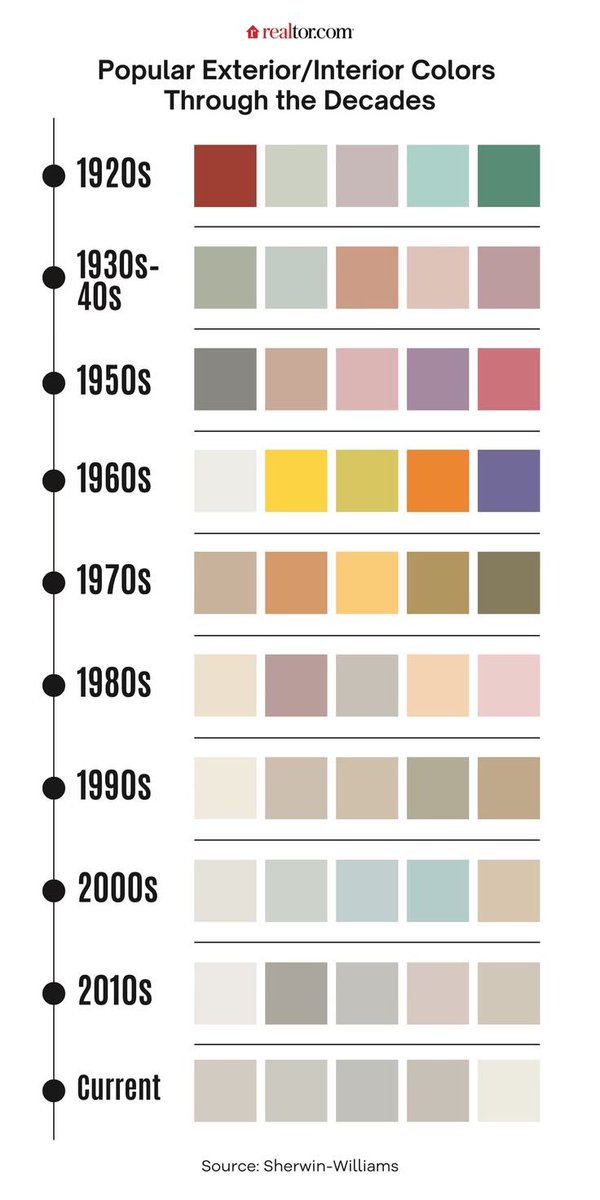
llevan desde la pandemia hablando del old money, el clean look y vestirse en tres tonos de beige y ahora ique sorprendidas porque el color del 2026 es el blanco.
ooooookkkkk.
Te completo este consejo:
Esas disculpas llegan después por DM en los 30s.
Y suelen ser solo una manifestación del ego de quien las debía. Intentar meterse otra vez a las malas de donde se salieron.
Pilas ahí.
Buenos días para todos menos para los que le negaron el permiso a los campesinos de LA QUESATÓN para hacer el evento en el Parque el Virrey. Los dejaron con toda la producción lista.
Estarán en otros tres puntos. Compartamos por favor y tratemos de ir a hacerles una compra. ♥️🥹
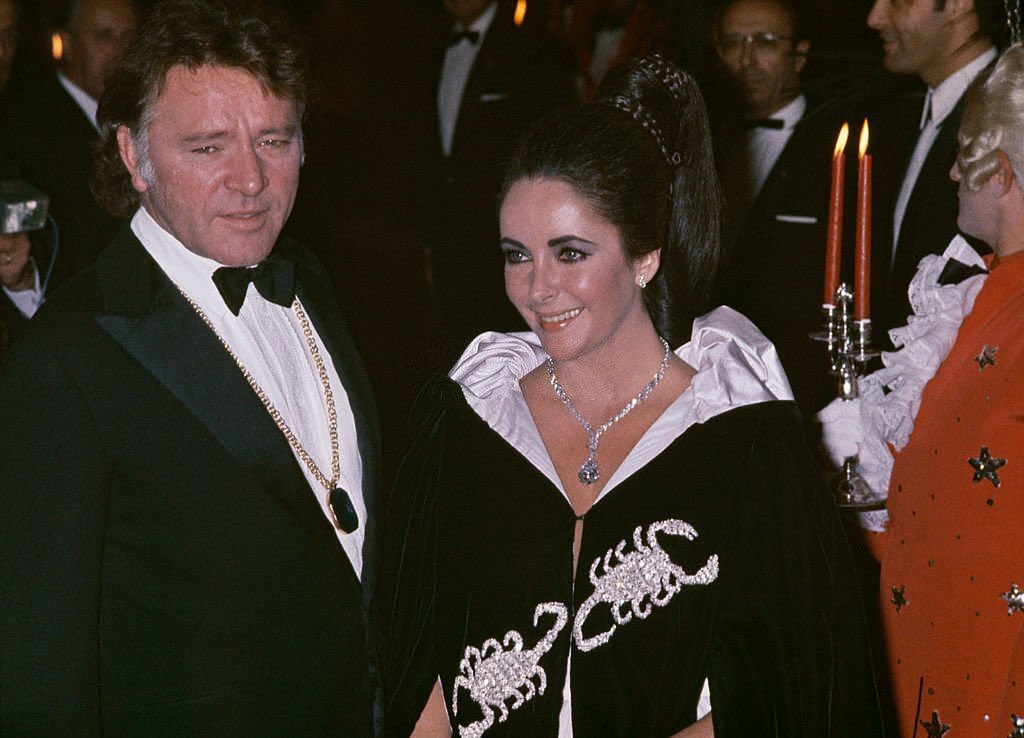
La princesa Grace Kelly siempre fue una gran fan de la astrología, al punto de que cerca de estas fechas, pero en 1969 realizó el 'Scorpio Ball', una fiesta donde celebró su cumpleaños y donde solo podías asistir si eras escorpio o si estabas casado/a con uno.
Solo se podia asistir vistiendo de rojo, negro o blanco. Liz Taylor fue de las pocas celebridades de otro signo invitadas, ya que logró colarse gracias a su pareja Richard Burton, quien era escorpio.
FELIZ ESCORPIO SEASON! 🦂
En el cine, el tamaño de la cámara importa ! Y voy a contarles por qué aprovechando que pude ver Left Handed Girl, una película de Shih-Ching Tsou filmada con un iPhone.