Unhealthy relationships are ruled by anxiety and guilt over letting people down. At best, you're relieved when you don't disappoint.
Healthy relationships are guided by joy and gratitude from lifting people up. You get the pleasure of contribution—not the pressure of obligation.
In toxic relationships, people ignore your boundaries. Their priorities trump yours.
In healthy relationships, people respect your boundaries. They accept your agency.
In caring relationships, people protect your boundaries. They help you keep your promises to yourself.
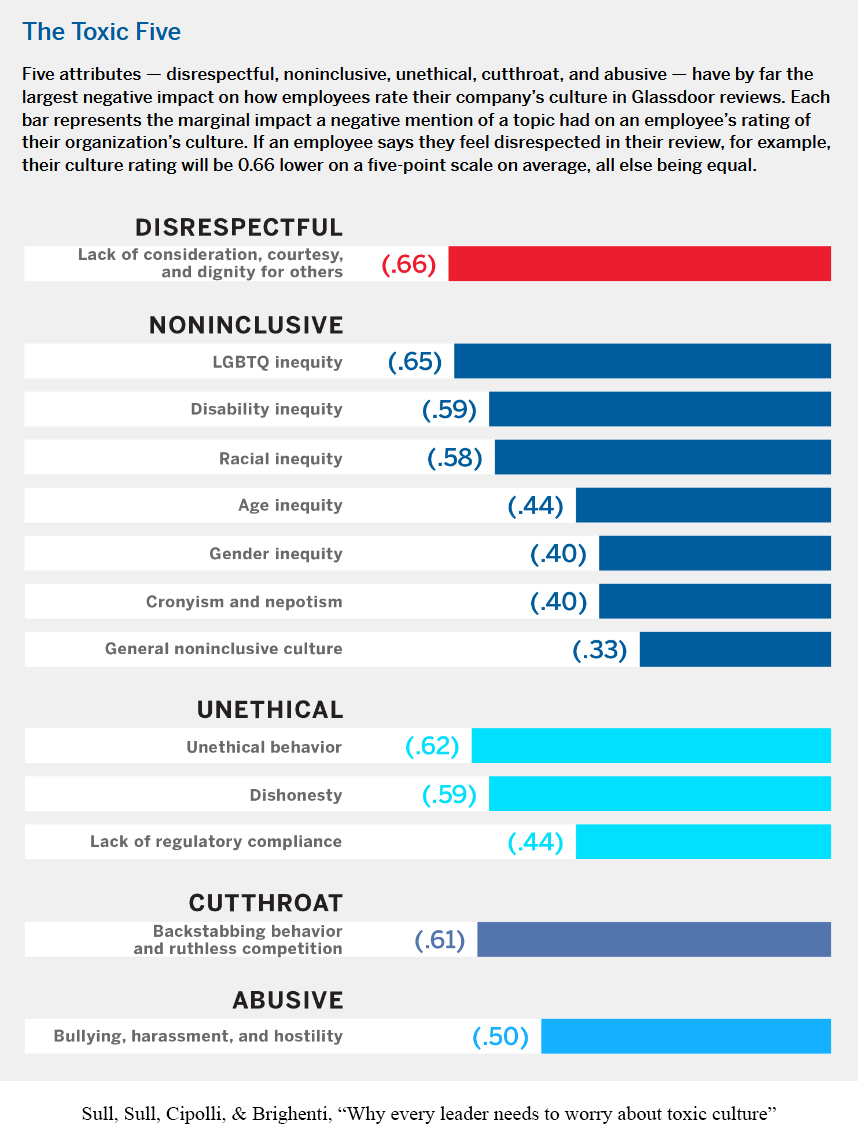
More than burnout and pay, the Great Resignation is driven by toxic cultures.
What makes a culture toxic: disrespectful, noninclusive, unethical, cutthroat, and abusive behaviors.
If leaders don't take toxicity at least as seriously as performance, Houston, we have a problem.
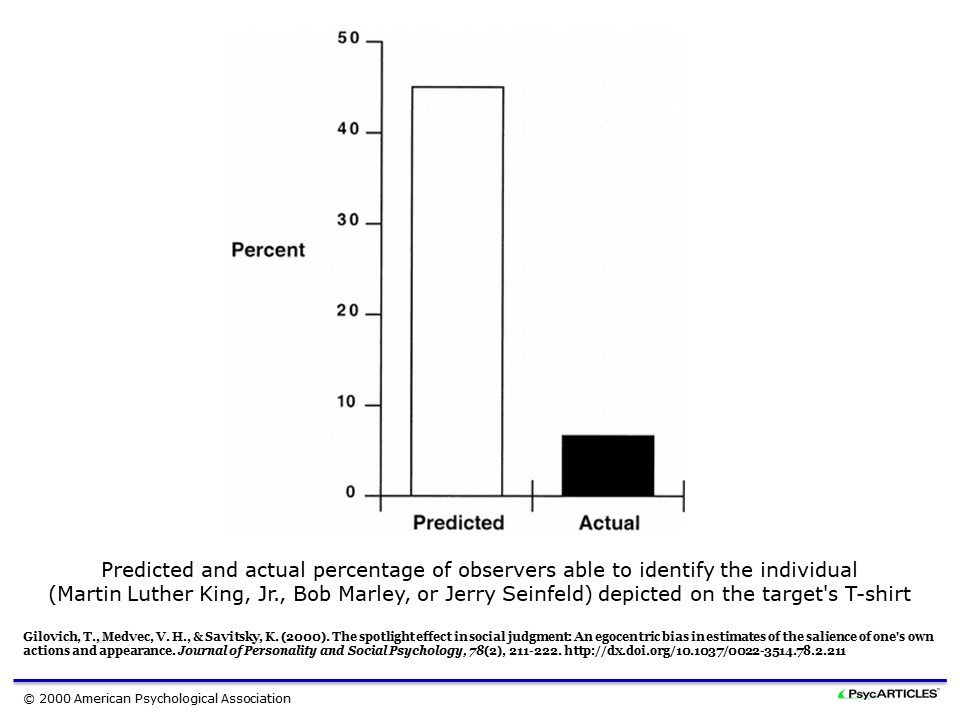
The people you're trying to impress are probably busy trying to impress someone else.
It's called the spotlight effect: the tendency to overestimate how much attention people pay to your appearance and actions.
You're always a protagonist in your story, but rarely in theirs.
A cardinal rule of responsibility is to shield others from the suffering you endured.
Good parents refuse to dump their childhood baggage on their kids. Good leaders and coaches refuse to perpetuate abusive patterns.
You can choose to do right in the ways you've been wronged.
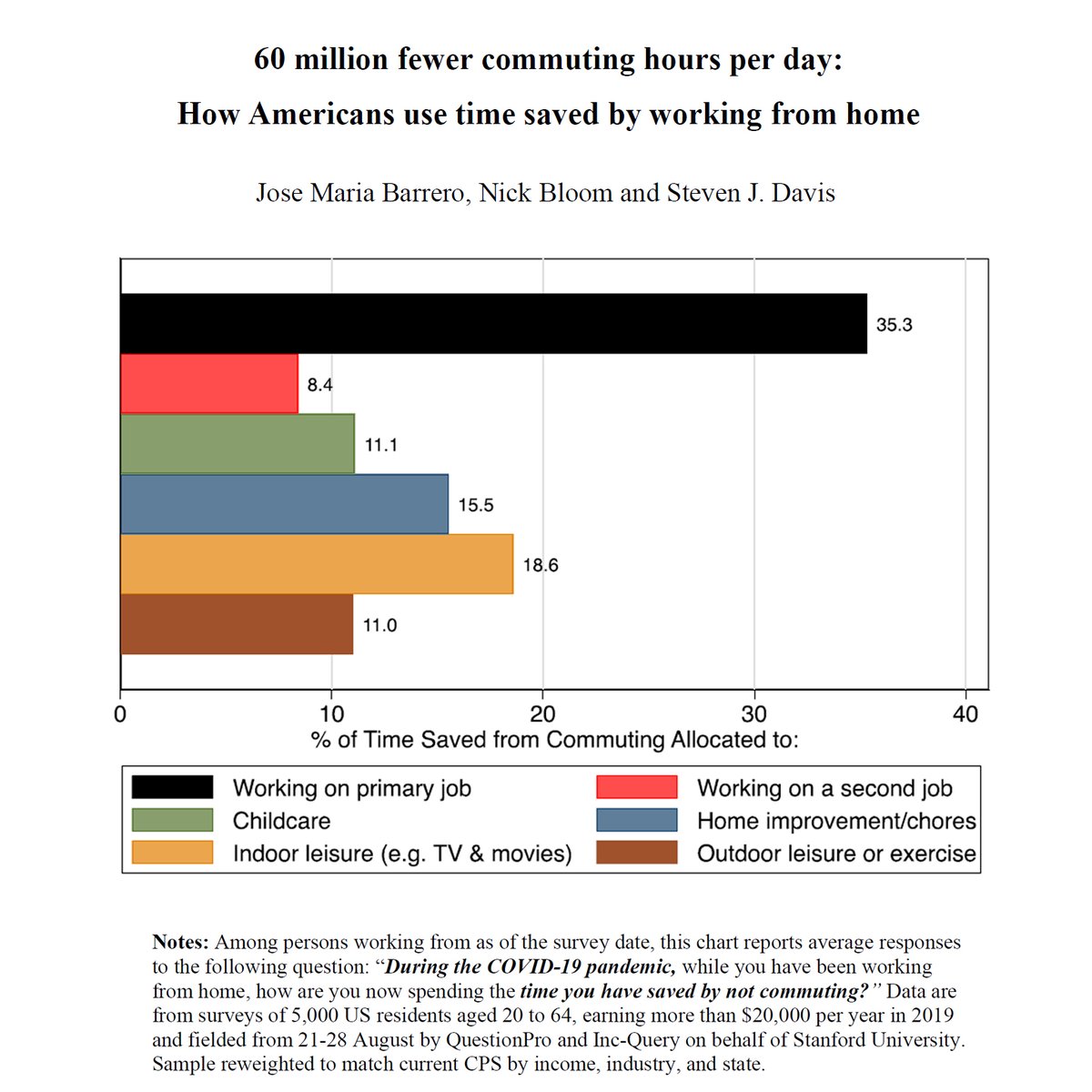
Scientists have discovered a way to get an extra hour in your day.
It's called working from home.
Of the ~60 minutes we save not having to commute, we spend nearly half working—a win for workplaces.
We spend even more on leisure, childcare, and exercise—a win for humans.
A company isn't a family. Parents don't fire their kids for low performance or furlough them in hard times.
A better vision for a workplace is a community—a place where people bond around shared values, feel valued as human beings, and have a voice in decisions that affect them.
The time people spend building personal brands would be better invested in personal connections.
Products have brands. People have relationships and reputations.
Authenticity is not about marketing yourself to create an image. It’s about aligning your actions with your values.
Many people see grief as pain. They avoid it, suppress it, or race to process it so they can expel it from their lives.
Here’s a beautiful alternative: grief is unexpressed love.
Holding onto it is a way of staying close to the people we’ve lost.
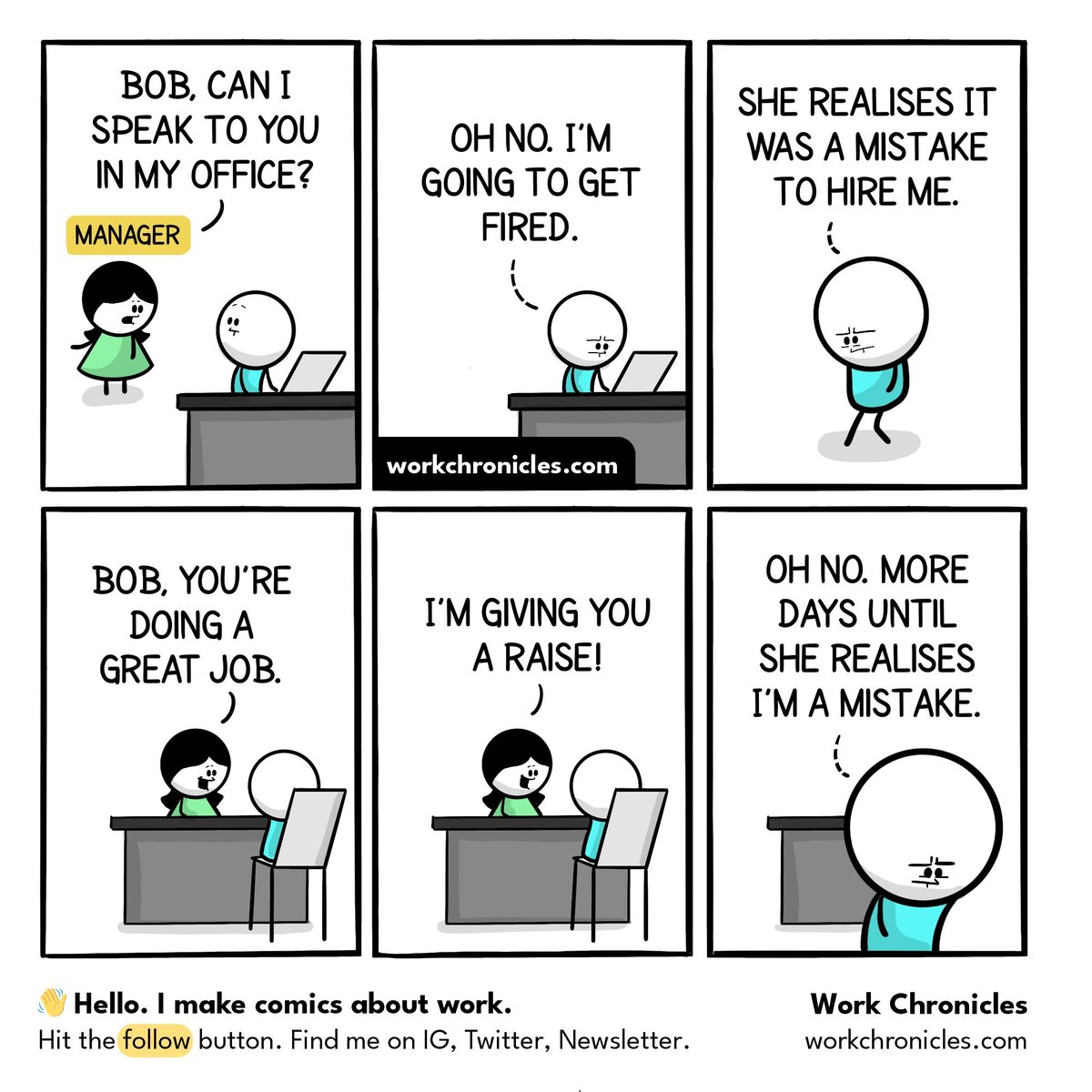
Impostor syndrome is a paradox:
-Others believe in you
-You don't believe in yourself
-Yet you believe yourself instead of them
If you doubt yourself, shouldn't you also doubt your judgment of yourself?
When multiple people believe in you, it might be time to believe them.
Estamos en la presentación del informe “Captura económica y política en cadenas de valor” que hicieron @GHLicona y Paola Vela para @oxfammexico. Se trata de un análisis sobre las barreras que existen al desarrollo de opciones productivas más justas. Hay una gran agenda de cambio!