The Call for Papers for #FUNARCH2025 is open - deadline is June 16th. Send us research papers, experience reports, architectural pearls, or submit to the open category!
https://t.co/ltXzIO8xGr
https://t.co/8D2i5VJJJg
I think, therefore I am, but does AI "think"?
The sudden democratization of genAI tools, especially those backed by Large Language Models (LLMs), has enflamed passionate innovators and snake oil merchants alike. But you don't have to be dupped!
https://t.co/CSuyUEIjXv
AI, ML, RL, LLM, NLP, ChatGPT... Are you tired of the (AI)cronym salad?
In AI as in Nature, things are messy. But in this article, I go over a simple nomenclature to sort it all out:
- What AI can do?
- How AI can do it?
- Where can AI do it?
https://t.co/UGYUqlIK7r
If you're looking for something to read I recommend Jeffrey Young's Haskell Optimization Handbook. Explains all the magic! Read a section or two before bed every night, and you'll be a Haskell wizard in no time!
https://t.co/I1o4VjsZfG
The @p4lang Language Design Working Group is pleased to announce version 1.2.4 of the P4 Language Specification. This version includes numerous clarifications and improvements (see Appendix A), especially to the type system.
https://t.co/Mz6FUUfdCR
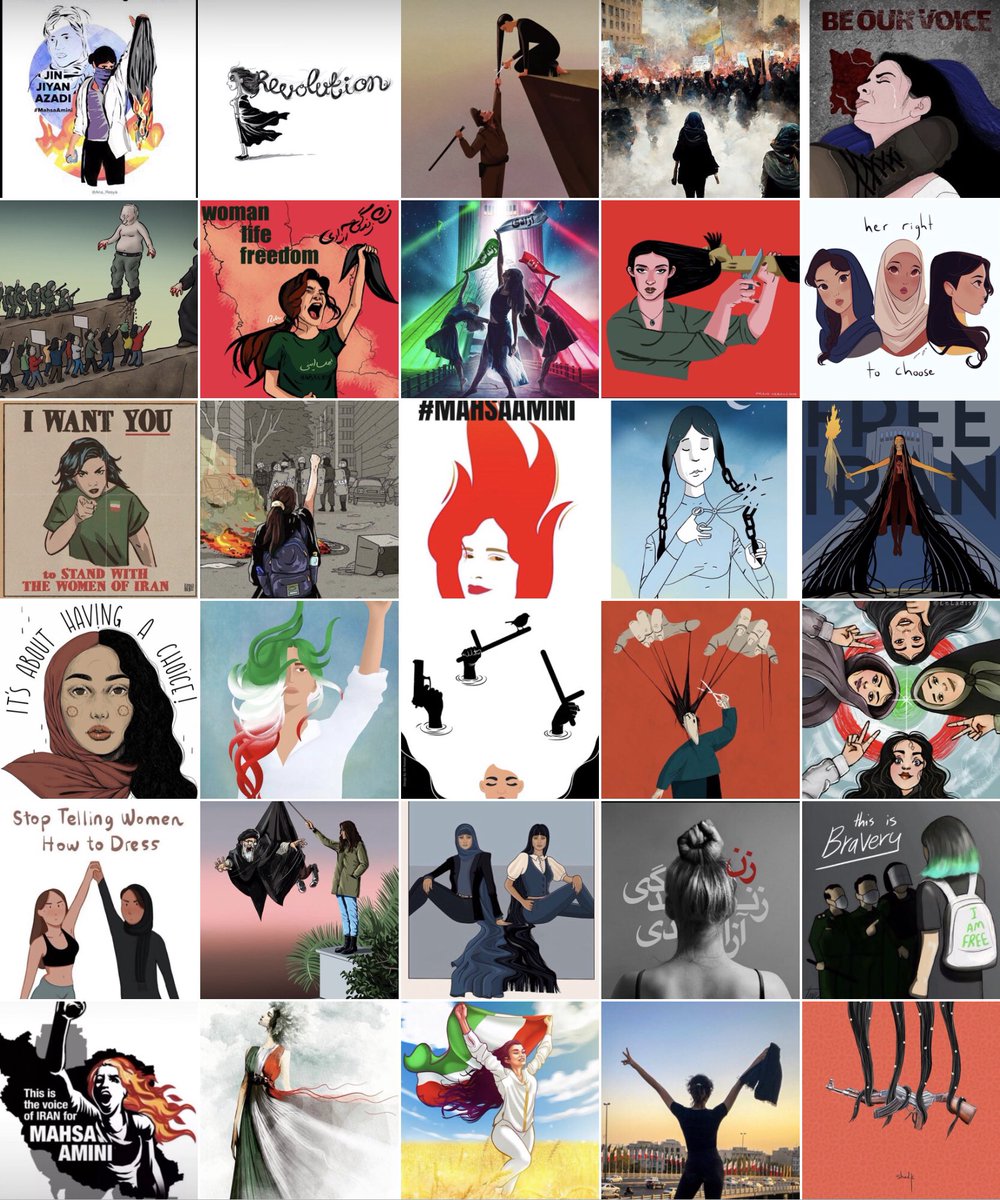
"We Shall Overcome" (with some lyrics in Farsi) for the unbelievably courageous women - and men - who are undaunted in spirit, song, and action, creating a new Iran. (video originally recorded in 2009)
Coauthor here. Any feedback appreciated! We think that at the very least its important to document and detail how the flagship Haskell system grew into such an anti-modular design and arguable recreated problems pure fp should have made hard.
Very excited to be releasing this paper. @hsyl20 has been collecting the evidence for *years* on these issues, @do_you_gnu and helped push over the finish line.
@naz_andalibi you only pay for the subscription, the marketing is the band and the hardware is free once you subscribe. I'm not a big fan of this model but I do like its data so I've been using it for almost two years. I'd say it helped me a lot in learning about my body in terms of metrics.
@naz_andalibi So if you have a variable lifestyle (like grad school) it could be really useful. ow, I'd opt to have it for 6 months or so and then decide to continue. Also, it takes about a month to really give you accurate metrics so you need to give it some time to adjust to your body
@naz_andalibi eg, I know when I eat later at night it messes up with my recovery. how different drinks and their timing affect my recovery. how pausing my workouts for my defense or sth lowers my HRV. Or when I need to take more rest bc my recovery hasn't caught up. small things like these
@naz_andalibi I also wear an Apple Watch that I use mainly as a watch and quick notifications. Also, whoop doesn’t have a screen which is a plus for doing functional fitness and in my experience it’s more accurate than Apple Watch wrt burnt calories and strain of workouts.
@naz_andalibi I like my whoop for fitness and sleep tracking. It has good data analysis based on your nutrition, stress, mental health. And it taught me a lot about the effect of different foods/drugs, stress level, and workout on my health.
I am strongly opposed to the so-called "quick guide" that has been circulating around to judge Iranian students' grad school eligibility. If you are applying from *any* school in Iran and need feedback on your application, email me at [email protected]. RTs appreciated!