🧵1/ A thread on the standardisation policies for university admissions implemented by the government of Sri Lanka in the 1970s. Always relevant for current discussions about access to education in #lka, and about the ethnic conflict more broadly.
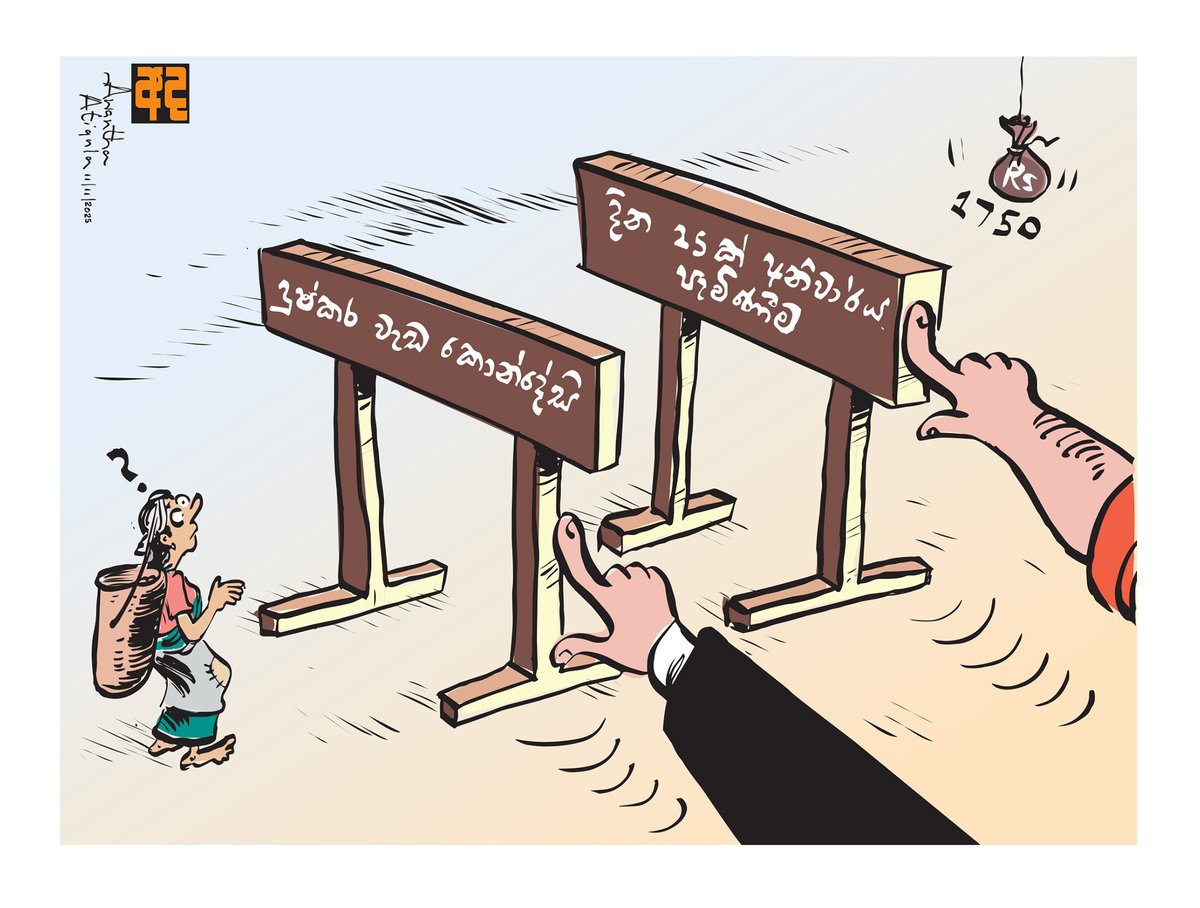
Sri Lanka: A new Amnesty International report finds that Malaiyaha Tamil workers on private tea estates in Southern Sri Lanka are facing labour abuses that may amount to forced labour under International Labour Organization (ILO) standards.
The findings expose not only exploitative labour practices, but systematic failures of enforcement, accountability, and worker protection. Read our report here: https://t.co/19sRsMk2W6
Workers described to Amnesty International a consistent pattern of abuse, including:
- Intimidation and threats
- Physical violence and harassment
- Debt bondage
- Withheld or reduced wages
- Restrictions on movement
- Degrading housing and working conditions
Taken together, these are recognised indicators of forced labour under international law: https://t.co/TOktSHiqer
These abuses unfortunately are part of a long history of structural discrimination. Malaiyaha Tamils are descendants of workers brought by British colonial authorities for plantation labour and they remain among the most marginalised communities in Sri Lanka. Many workers continue to depend on estate owners for housing, income, and access to basic welfare, creating conditions of extreme vulnerability and limited bargaining power.
The economic coercion documented in the report is particularly alarming. Workers on many estates reported being subjected to excessive daily tea-picking targets, with wages reduced or withheld for failing to meet them. Workers described surviving debt, wage advances, and loans to meet basic needs. These practices risk trapping workers in cycles of dependency, even across generations, that may amount to debt bondage, one of the clearest indicators of forced labour.
The report also identifies serious gaps in labour governance. Workers reported barriers to unionization, discriminatory treatment by authorities, lack of access to remedies, and weak labour inspection systems. Many were reportedly misclassified as "casual workers", excluding them from core legal protections such as pensions, maternity benefits, paid leave, and other statutory entitlements guaranteed under Sri Lankan labour law.
Sri Lanka's obligations are not ambiguous. As a member of the ILO and party to international human rights treaties, the state has a duty to prevent forced labour, enforce labour protections, and ensure access to justice without discrimination. That requires urgent action:
- Independent inspections of private estates
- Effective prosecutions
- Protection of union rights
- Enforcement of labour standards
- Meaningful remedies for workers
Sign our global petition demanding the Government of Sri Lanka to protect Malaiyaha Tamil tea workers from forced labour and ensure access to justice and socio-economic rights now: https://t.co/bmCGTOZyC1
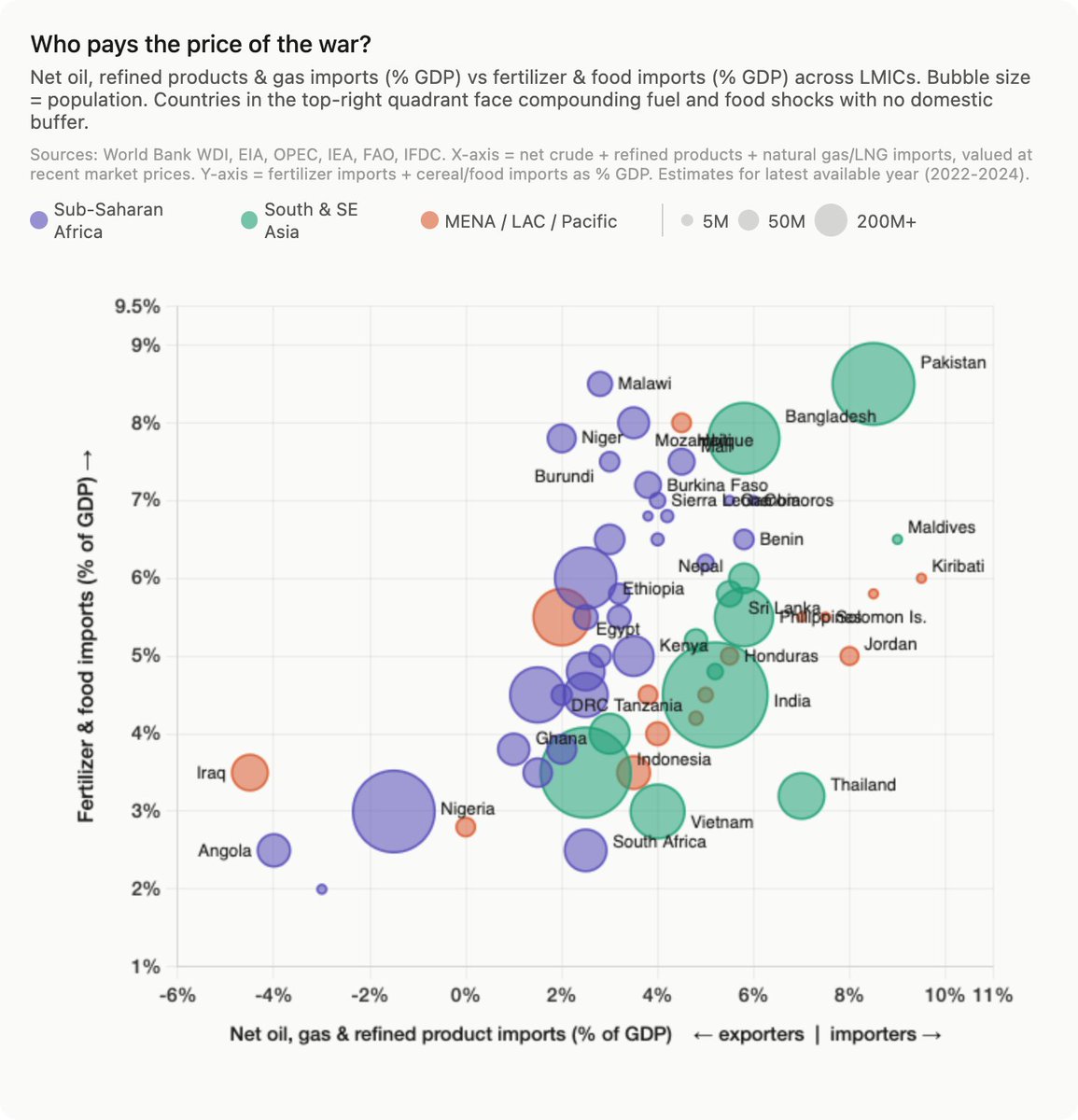
if you care about the human costs of the war, you should care about people in developing countries most exposed to the economic shocks. Who are those? 1/
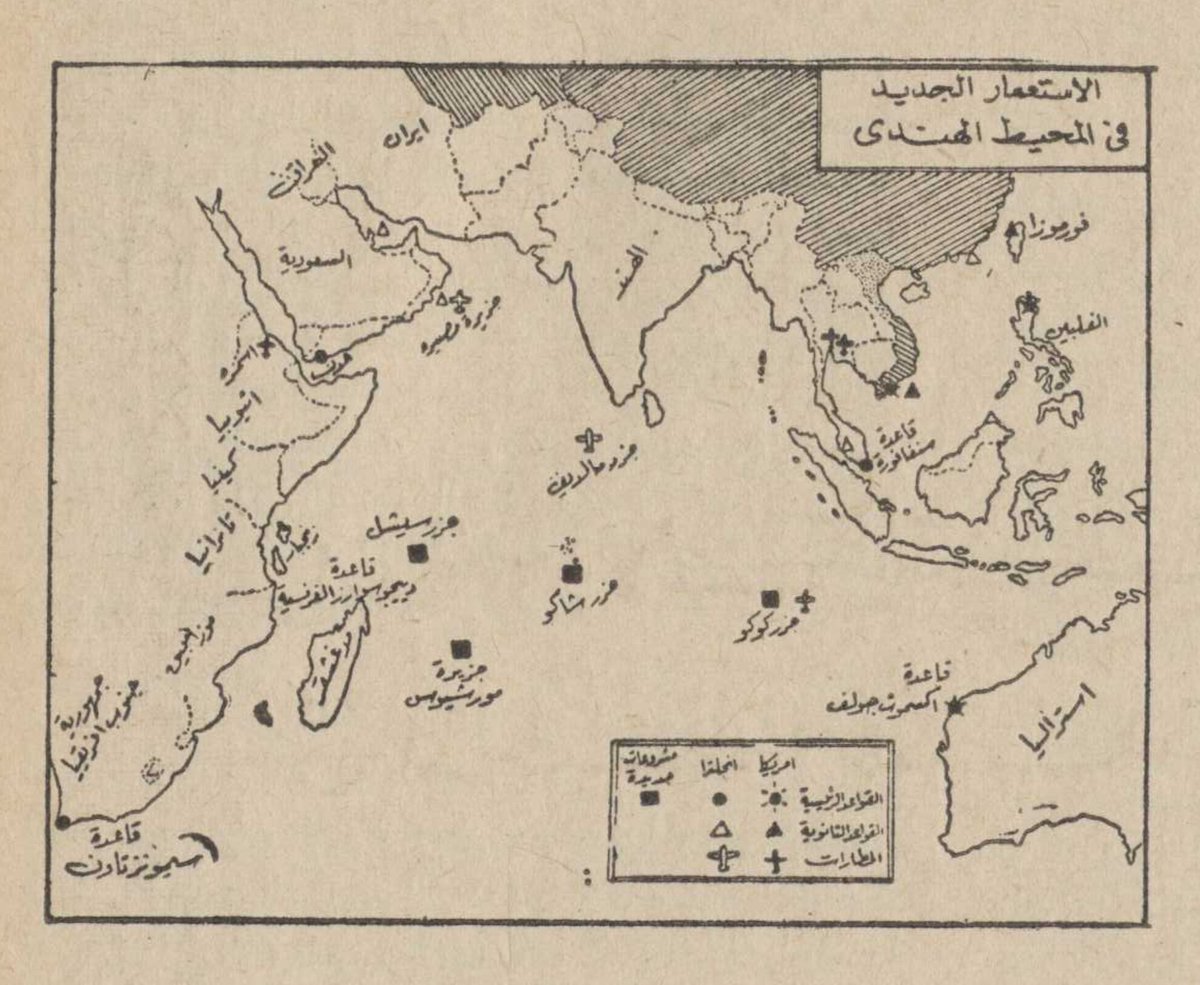
The continued urgency of envisioning a zone of peace, an Afro-Asian sea, and a Third World Sea, against American imperialism. Pictured: OSPAAAL poster by Alberto Blanco (1980); Boutros Boutros-Ghali, "Al-siyasa wal-istratijiyya fi al-muhit al-hindi," Al-Siyasa al-Dawliyya (1966).
BREAKING: "Total victory" for Palestine Action as the first six defendants in the Filton 24 trial are acquitted of Aggravated Burglary –– the most serious charge, which could have resulted in life sentences.
I understand the six will appeal for their release later today.
Our special issue of Labor and Society on the ecomodernist features of imperialism is now online in full. The issue makes a stronger contribution to theorising contemporary imperialism than I could ever have hoped. Here's a thread introducing each contribution. 🧵
Sharing this list of cyclone relief efforts compiled by @Amaliniii. Anything you can give or any reshares of this link would go a long way, thank you! 🙏🏾
https://t.co/0wByy1m1Kg
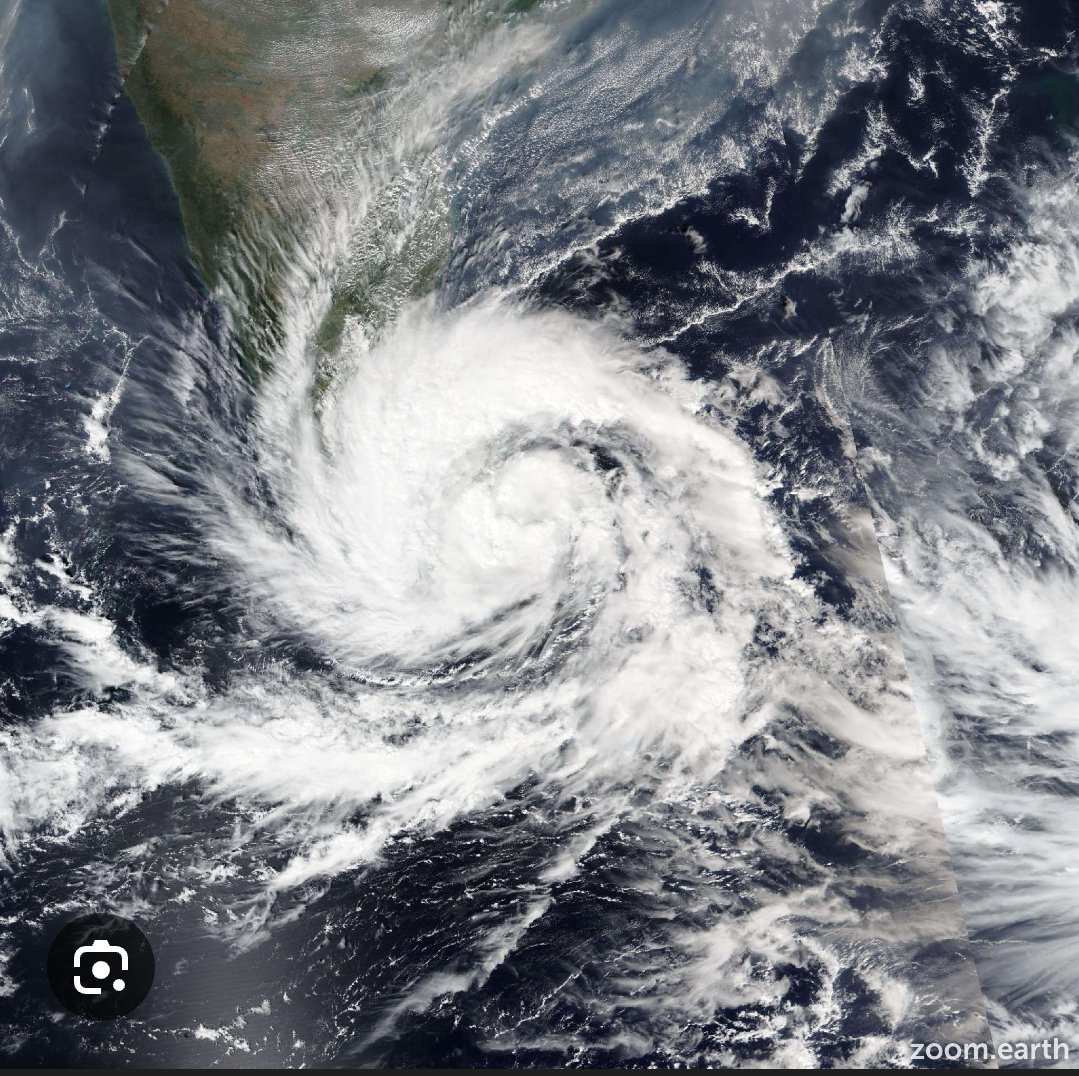
All of Sri Lanka is being battered by a cyclone right now. Small scale relief efforts are happening all over the country.
@Amaliniii has compliled a list of these here: https://t.co/WzxB8X3FfB
Please donate if you can. And stay safe!
Bashair Ahmed shared: "In Sudan, local responders reach 85-95% of the population, compared to 16-65% for international organisations. Yet only 1.5% of funding reaches local groups and organisations directly." Donate directly to mutual aid organizing:
https://t.co/gMxBQlgnm2
my book (!) ‘A Volatile Picture: War and the Political Work of Photography in Sri Lanka’ encompassing a decade of research on Tamil photographic practices set against a backdrop of ethno/nationalist conflict & the island’s turbulent post/war out Spring 26 https://t.co/lEhCVqDvGm
Preliminary statistics collected by Euro-Med Monitor following the ceasefire reveal shocking figures about #Israel’s genocide in the #Gaza Strip, documenting that more than 270,000 people, around 12% of the total population, have been killed, injured, or detained since 7 October 2023.
Infographic ⤵️
Like most survivors in Gaza, I’ve been living with a strange, hard-to-name feeling since the ceasefire was declared, something between disbelief and disorientation. It’s as if we’re all stuck in a quiet limbo, asking ourselves: What Next? We wait for something unknown, uncertain. On one hand, we are overwhelmed by the sheer scale of what has happened. On the other, we are unable to trust that it has truly ended. There’s a lingering fog, chronic doubt, fading memories of what normal once felt like, scattered focus, and a daily weight of depression that clings to every soul still breathing on this land.
Yes, we keep working. Yes, we endure. Yes, we try to live. But the dominant feeling is not survival. It’s the haunting sense that survival hasn’t yet come. There are no clear answers to the questions we carry in our bones: Will the loved ones we lost ever return? Will our homes ever be rebuilt? Will Gaza ever be ours again?
They are short questions, but they shape the entire landscape of our thoughts, about life and about survival.
We don’t know if we’ve truly survived. But we do know that since the ceasefire was announced, we have not been the same.
🇱🇰Sri Lanka Document Datasets: A Large-Scale, Multilingual Resource for Law, News, and Policy
🆕 v2025-10-16-0818 is out.
230,091 documents (57.7 GB) across 24 datasets in සිංහල, தமிழ் & English.
@GITHUB: https://t.co/IDwevuGcqX
@ARXIV: https://t.co/ZYzOxCbAU3
🤖Will be automatically updated whenever the datasets are added/updated.
#SriLanka
Day of shame for #NZ. In late timeslot towards end of high-level segment of UN General Assembly, Foreign Minister reveals what Cabinet decided 11 days ago: that unlike many others with whom #NZ normally is likeminded, Govt will not recognise #Palestine. Incomprehensible.
https://t.co/9KmG6KT4Ca
How the NPP govt in #lka is shamelessly supporting Israel materially while offering empty platitudes to Palestinians and debasing Lankans in the process, and how all that comes with its capitulation to the US imperialist world order – from @swasarul and I
https://t.co/xUIs1JYIOP
Sri Lanka has undergone one of the sharpest and fastest episodes of austerity in history, driven by a massive retrenchment in public investment and the suppression of real wages, according to a World Bank report.
📲 Full article by @shiranperuma ⬇
https://t.co/zQ4LAGcumR
Recognising Palestine at the same time as participating in a genocide against its people & demanding who can/can't be part of its governance is worse than symbolic, it's a depraved, cynical tactic to maintain & even reinforce the status quo while making pr PR-friendly headlines.
Tomorrow, the bail appeals of nine activists in the 2020 Delhi Riots cases are listed before the SC.
This is the fourth occasion - in five years - that a court will consider these bail applications. The previous three have resulted in gross miscarriage of justice. A thread. 👇