🧵 1/11 Half of U.S. adults already use AI for financial advice: what advice are they getting?
New paper: we ask people to write prompts seeking financial advice from LLMs & simulate the lifetime impact of following that advice (w/ @timdesilva, @wdwlin &
@AkuzawaMatthew)
A lot of my research works with big data and long pipelines. I wasn't able to find examples of a skill for unit tests on such environments (I'm sure it's out there though!) so my lab put one together. It has multiple modes depending on data complexity.
https://t.co/pp7mLsI3nb
@rebeccardiamond@JohnHCochrane My understanding is that grade disclosure is always up to students (I don't think schools can share grades unless students request it). Booth students often agree among themselves not to share grades but my understanding is that top employers routinely ask for and receive grades.
The Booth B+ GPA cap in each class also cuts down on grade complaints. You tell a student their ranking in the class point distribution and it is very hard for them to argue for a higher grade when there is a hard cap. @JohnHCochrane 's proposed refinement would be even better.
It’s pretty easy. Impose grade average. Chicago booth has done it for decades. Computer won’t take grades otherwise. Refinement: average out =average in so hard classes that attract good students not penalized.
💯 Here's the thing: the current UI system is very poorly designed to help white collar workers.
For starters, the weekly benefit caps in many states make the replacement rates very low for middle class workers (e.g., $235 in MS).
So yes, it would be great to fix UI.
🚨New predoc positions!🚨
Join @AlexBartik and me to work on developing LLM tools to analyze zoning regulations and their impacts on housing affordability.
One position starting at the "normal" cycle next year, and another ASAP.
Apply here: https://t.co/4ipNLuQ8zi
Time to tweet about a great new-ish paper from Christina Patterson (disclosure: my wife!), @p_ganong, @pascaljnoel, @JoeVavra, and @AlexWeinberg_ that I think is in a sweet spot of “things economists don’t think about enough” and “true and important” – earnings fluctuations! 1/n
🚨 New insights from #JPMorganChaseInstitute: "Earnings Instability – The Hidden Volatility of American Workers’ Paychecks." Steady jobs don’t always mean steady income. Here’s what we found 👇
Aspiring researchers: come work at Chicago Booth! I'm hiring pre-doctoral fellows along with a group of Booth colleagues and our co-authors at other institutions. Positions start summer 2026.
Application: https://t.co/s2VKyRrI1H
First deadline: September 8
It is nearly impossible to fine tune fiscal policy as the situation becomes clear. But monetary policy can do this. Jason notes that the Fed was indeed too slow. So then is this obviously a failure of Biden, or of the Fed?
One thing that confuses me in the debate between @jasonfurman and @econJaredB over the Biden econ policy record, and in particular culpability for inflation, is that the Fed is hardly mentioned.
But another reason to potentially favor going too big over going too small is asymmetry in the Fed’s toolkit. If fiscal policy does too little and the Fed is already at its constraint it is hard to fix. But if fiscal policy ends up being too expansionary the Fed can counteract.
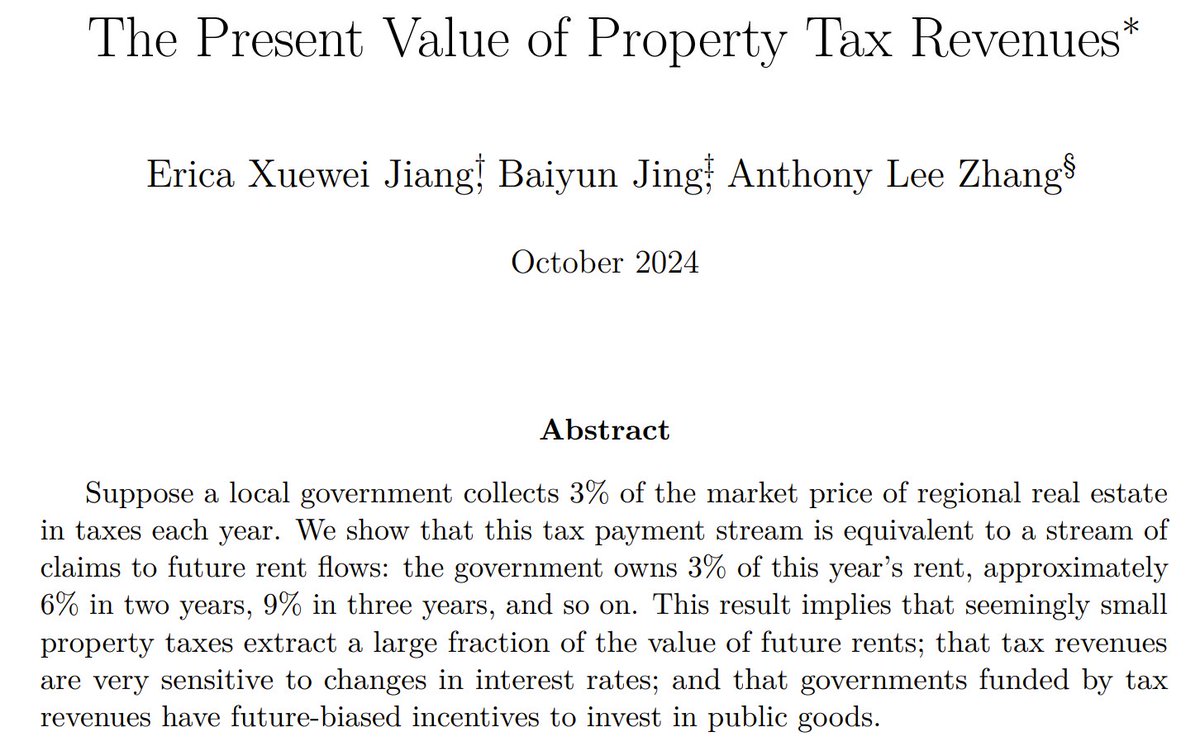
I wrote a short paper with @BaiyunJ and @EXjiang about property taxes! Some takeaways:
1. Property taxes are big: if r=5%, a 2.5% property tax extracts 33% of the value of a house!
2. Taxes are long-duration: they have interest rate sensitivities equal to 30+ year bonds!
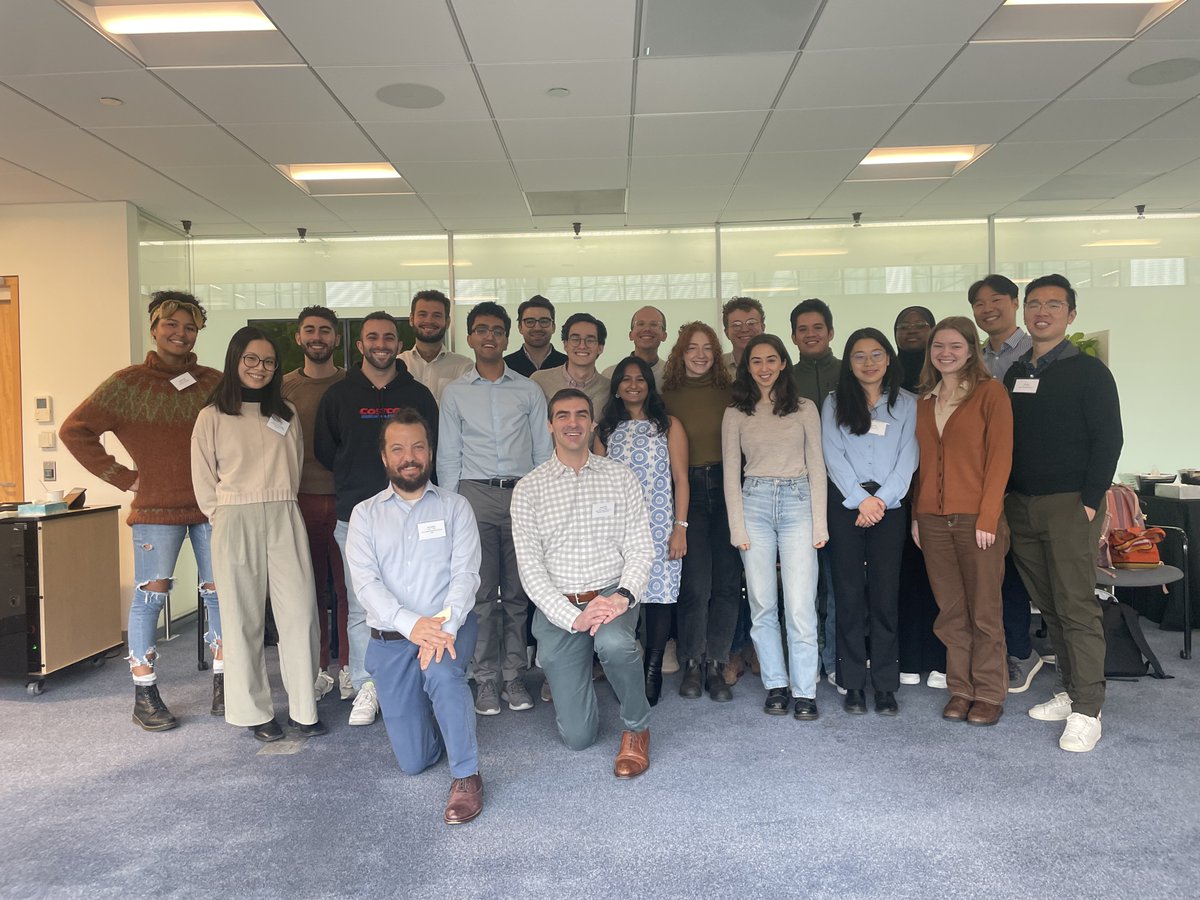
Was great to see alums from my lab with @pascaljnoel last week and to hear many of them present on topics in development, hh finance, education, behavioral, intl trade, and public!