. . . The bright sun was extinguish'd, and the stars
Did wander darkling in the eternal space,
Rayless, and pathless, and the icy earth
Swung blind and blackening in the moonless air;
Morn came and went—and came, and brought no day
— DARKNESS, Lord Byron.
The end, again.
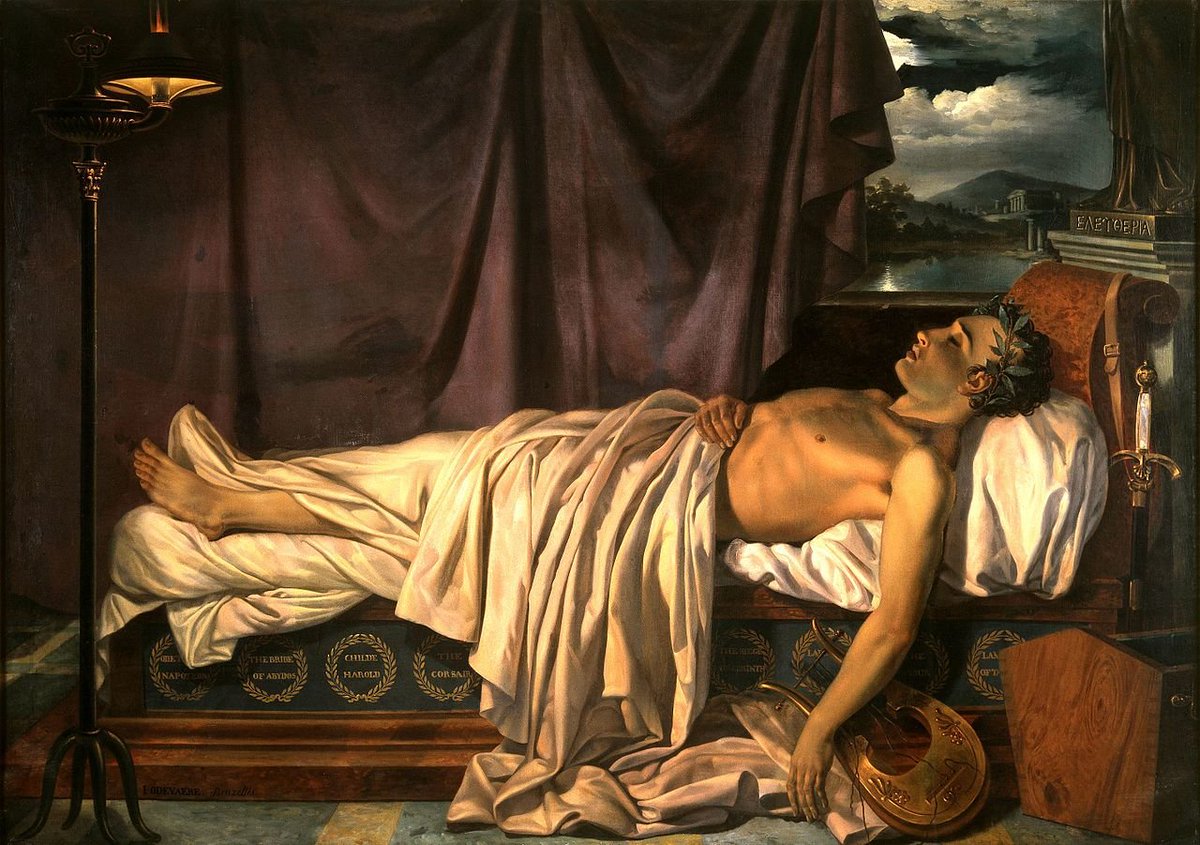
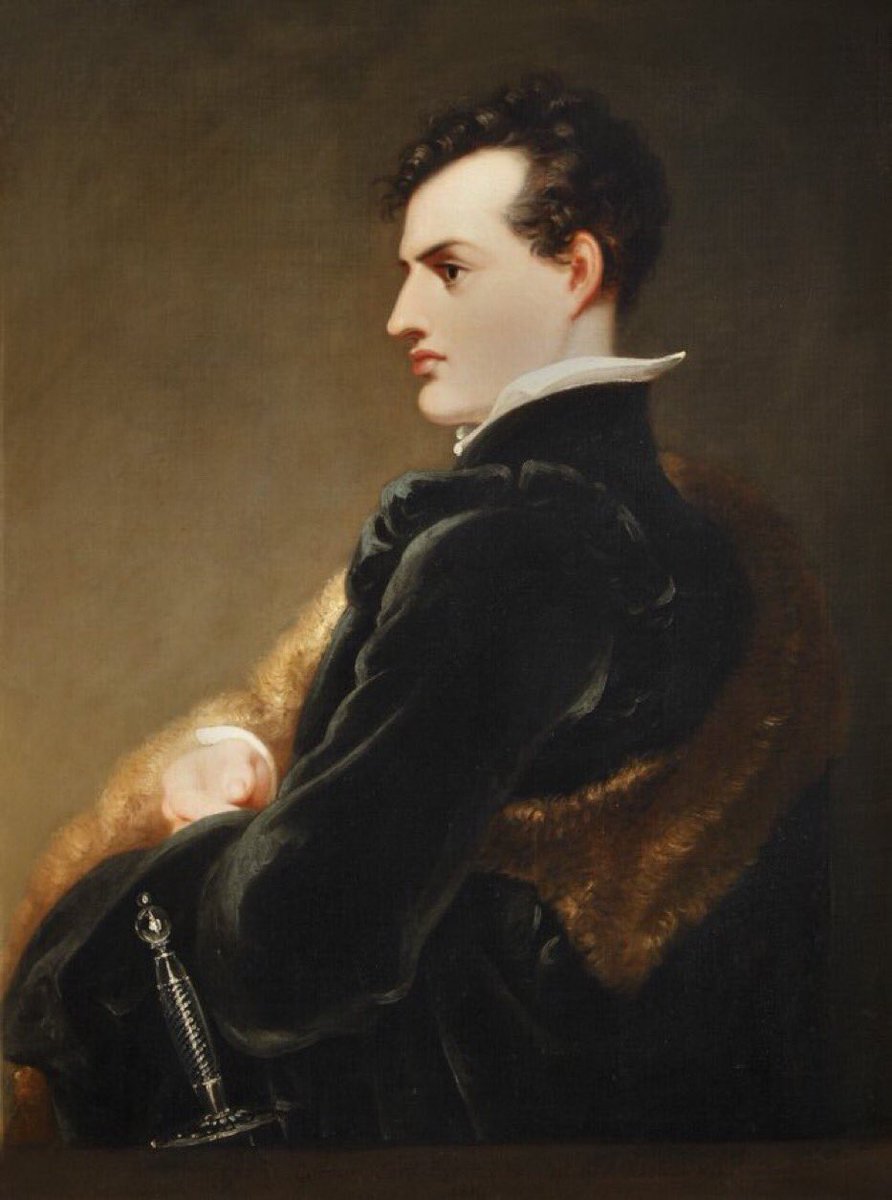
In the town of Missolonghi, on the western coast of Greece, suffering a violent fever and the fatal treatments of his doctors,
— leeches, enemas, blisterings, bloodlettings, laudanum, ether —
Lord Byron opens and shuts his eyes one last time, and dies.
— April 19 1824.
When Spring arrives, leaves you never saw will shadow the ground, and flowers you never beheld will star it; the grass will be of another growth, and the birds sing a new song—the aged earth dates with a new number.
— Mary Shelley, December 31 1822.
THE END.
So this year comes to an end.
— Mary Shelley, December 31 1822.
After ten years, 1822 will be the last year.
Thank you for having travelled with me these many years into the past.
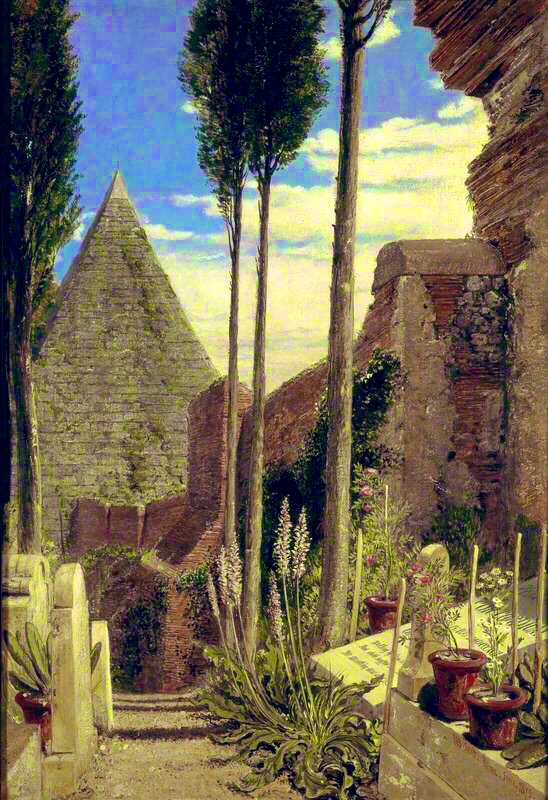
Time, with unwearied but slow feet, guides her to the goal that thou hast reached, and I, her unhappy child, am advanced still nearer the hour when my earthly dress shall repose near thine, beneath the tomb of Cestius.
— Mary Shelley, December 31 1822.
I will not be bullied – and I would rather come home to be calumniated & persecuted than receive the adulations of a dastard and slavish people.
— Lord Byron, December 30 1822.
All this outcry is merely temporary – its’ very violence will defeat itself – and shows the alarm & weakness of those who use it – but be this as it may – I will not be bullied –
— Lord Byron, December 30 1822.
I am willing to retain Counsel (at my expence) and the best going – for Mr. J. Hunt. – – I am also willing to be both ostensible and responsible for the poem – and to come home and face the consequences on the Author –
— Lord Byron, December 30 1822.
Had a ticket for the Chapel Royal, and went with my sister Matilda to see the King, but was turned back on account of pantaloons.
— John Cam Hobhouse, December 29 1822.
Lady Mountcashell, who had been a student of Mary Wollstonecraft, asks Lord Byron to provide the money he would have given to his daughter Allegra to Claire Clairemont, who had lost her accommodation in Vienna.
— December 28 1822.
Billy was found guilty of stabbing & was sentenced to be burnt in the hand and whipped—The other two were acquitted, there being no positive proof of conspiracy
— William Radford to Thomas Jefferson, December 26 1822.
Billy and two other slaves had stabbed Jefferson’s overseer.
– no – no – she will go to Little’s poems – & Rousseau’s romans – for that – or even to the immaculate De Stael – – they will encourage her – & not the Don – who laughs at that – and – and – most other things. – But never mind – “Cà irà!” –
— Lord Byron, December 25 1822.
Don Juan will be known by and bye for what it is intended a satire on abuses of the present states of Society – and not an eulogy of vice; – it may be now and then voluptuous – I can’t help that –
— Lord Byron, December 25 1822.
Ariosto is worse – Smollett (see Lord Strutwell in vol 2d. of R. R) ten times worse – and Fielding no better. –
– No Girl will ever be seduced by reading Don Juan
— Lord Byron, December 25 1822.
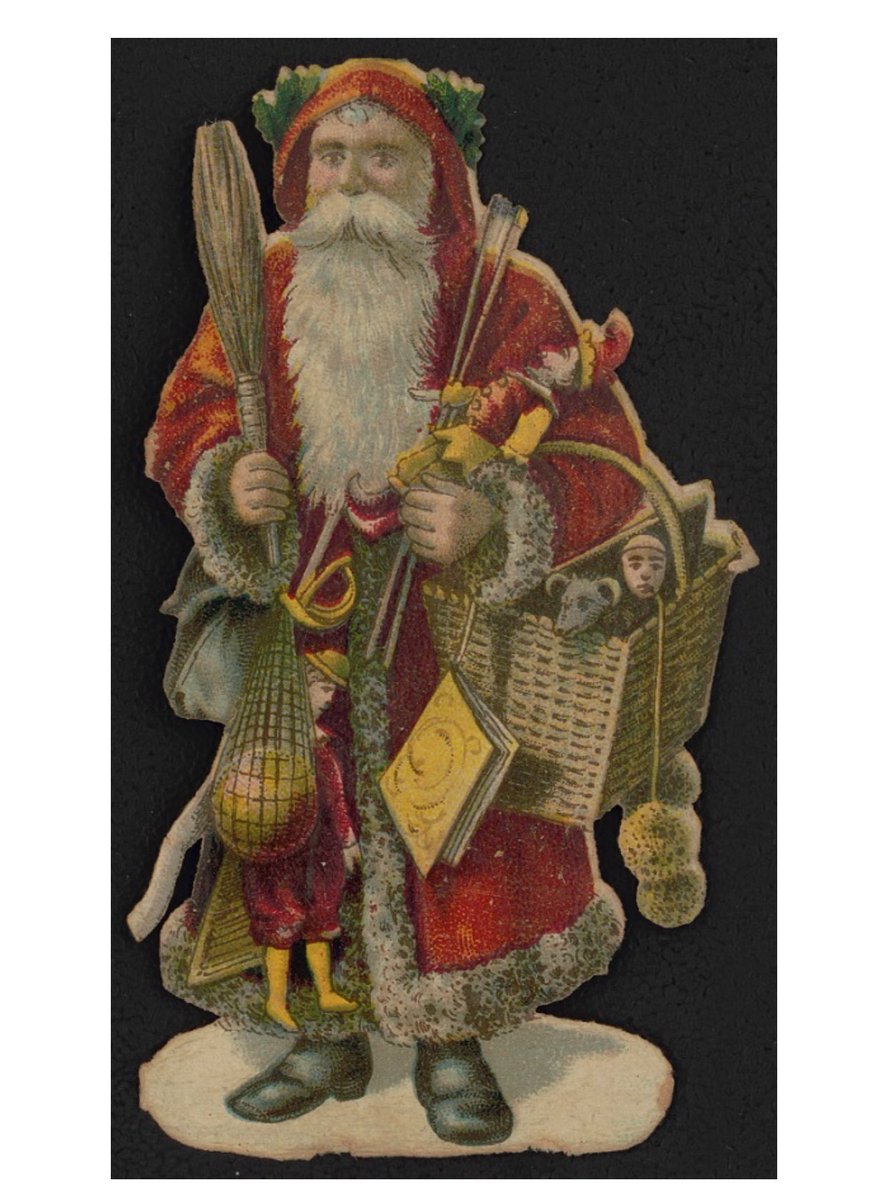
Clement C. Moore composes a tale for his children “while traveling home from Greenwich Village, where he had bought a turkey.”
“Twas the night before Christmas, when all through the house Not a creature was stirring, not even a mouse . . .”
— December 24 1822.
Clement C. Moore composes a tale for his children “while traveling home from Greenwich Village, where he had bought a turkey.”
“Twas the night before Christmas, when all through the house Not a creature was stirring, not even a mouse . . .”
— December 24 1822.
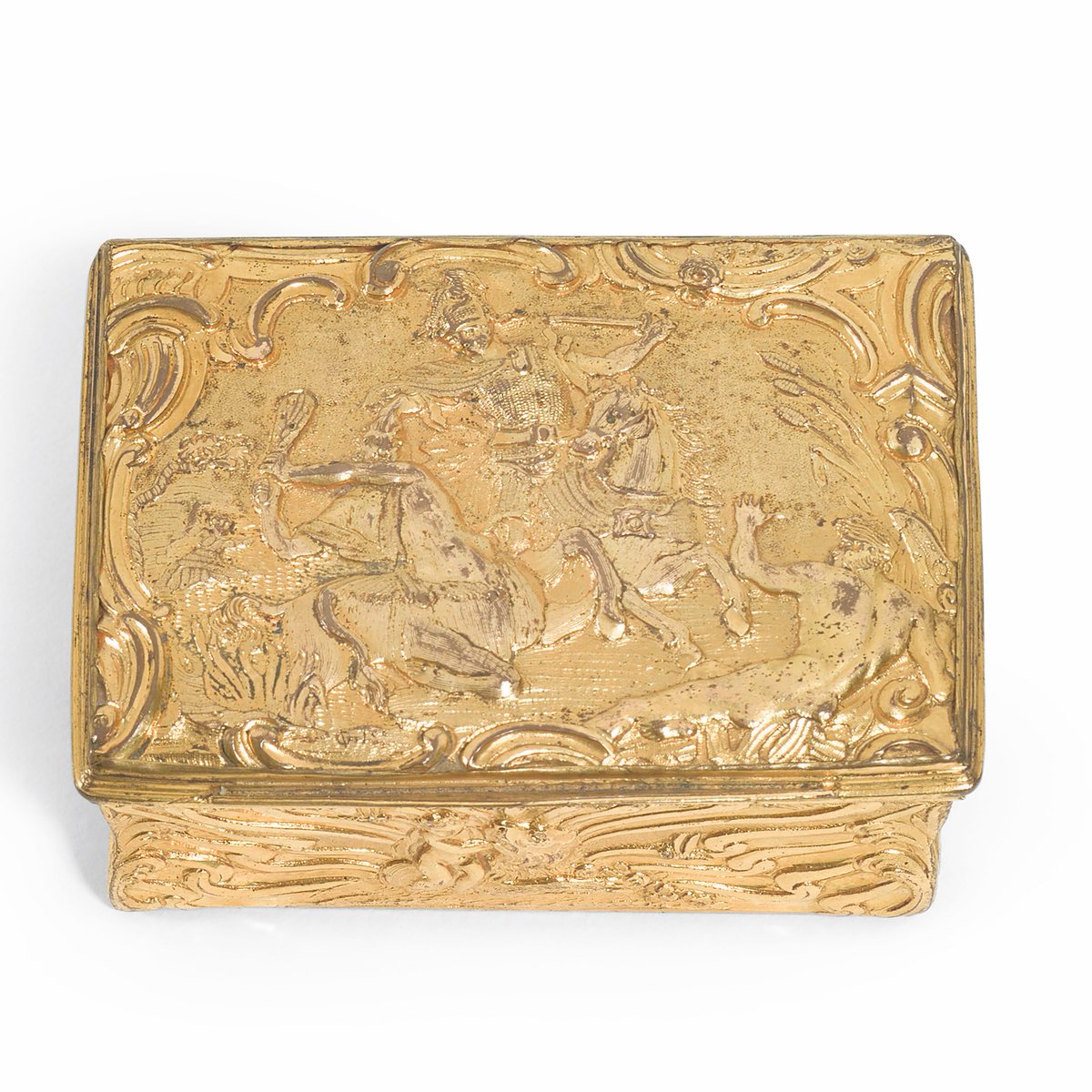
With regard to me – I am reducing my establishment – have sent away for sale two more horses – and am about to dispose of a superfluous carriage or two – and various other useless books and furniture – such as Snuffboxes – trinkets &c. &
— Lord Byron, December 23 1822.