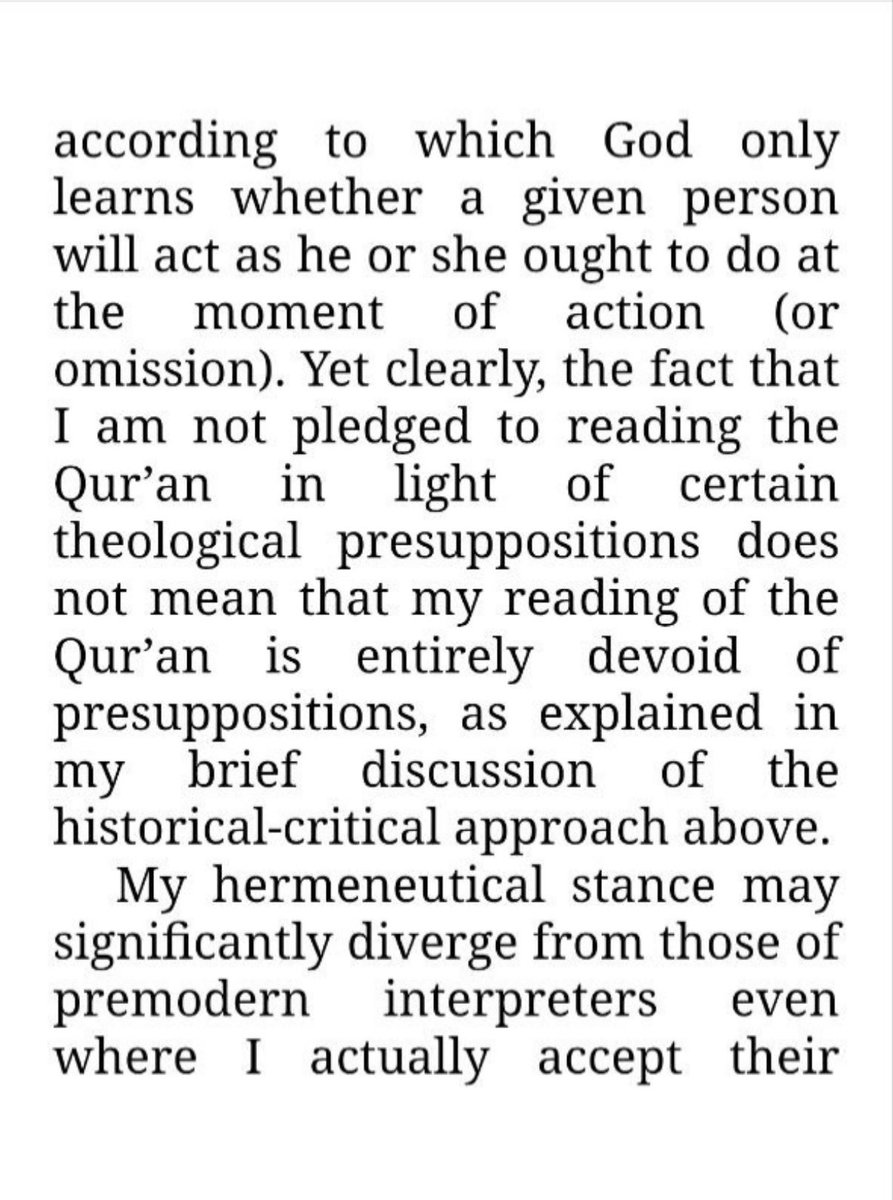
In the preview of his upcoming book, Nicolai Sinai reflects on the position of a non-Muslim scholar of the Qur’an, acknowledging that the historical-critical approach carries its own presuppositions, similar to how premodern muffasirun had their own theological assumptions.
I previously argued that much of modern online apologetics has begun to resemble wrestling. Modern apologetics also is become a stage where geopolitical anxieties are acted out. We are watching symbolic battles over identity.
Video will be out today. (Subscribe below!)
@KItreal512 And to be specific, yes many of the terminology and other technical aspects linked to that have in modern scholarship taken from Juynboll, but the overall level of skepticism has been largely left out.
Hope this clarifies.
@KItreal512 Well, I wouldn't say that Juynboll's work really depicts the ICMA in it's current formulation. On the contrary: much of what has been articulated by scholars such as Motzki, for example, has been stemming from critiques of Juynboll. But yes, many of his works are rather wacky...
How has the field of Islamic origins changed over the last decade?
Dr. Dost reflects on the growing role of epigraphy, archaeology, and material evidence in reconstructing the emergence of Islam, and ask whether the study of Islamic origins has entered a new evidentiary age.
New study by Joshua Little on methods for reaching beyond the common link in hadith.
Case study on a cluster of hadith surrounding Q 5:3. The CL died c. 738, but his was already a heavily elaborated version of a hadith that emerged in the early 8th century.
FINALLY (!) I have found a contemporary source that discusses the theme of Pharaoh's divinity in the Qur'an and other late-antique texts. Though a little lacking in it's coverage of source's (dating most prominently), I will probably be making a thread on this soon.
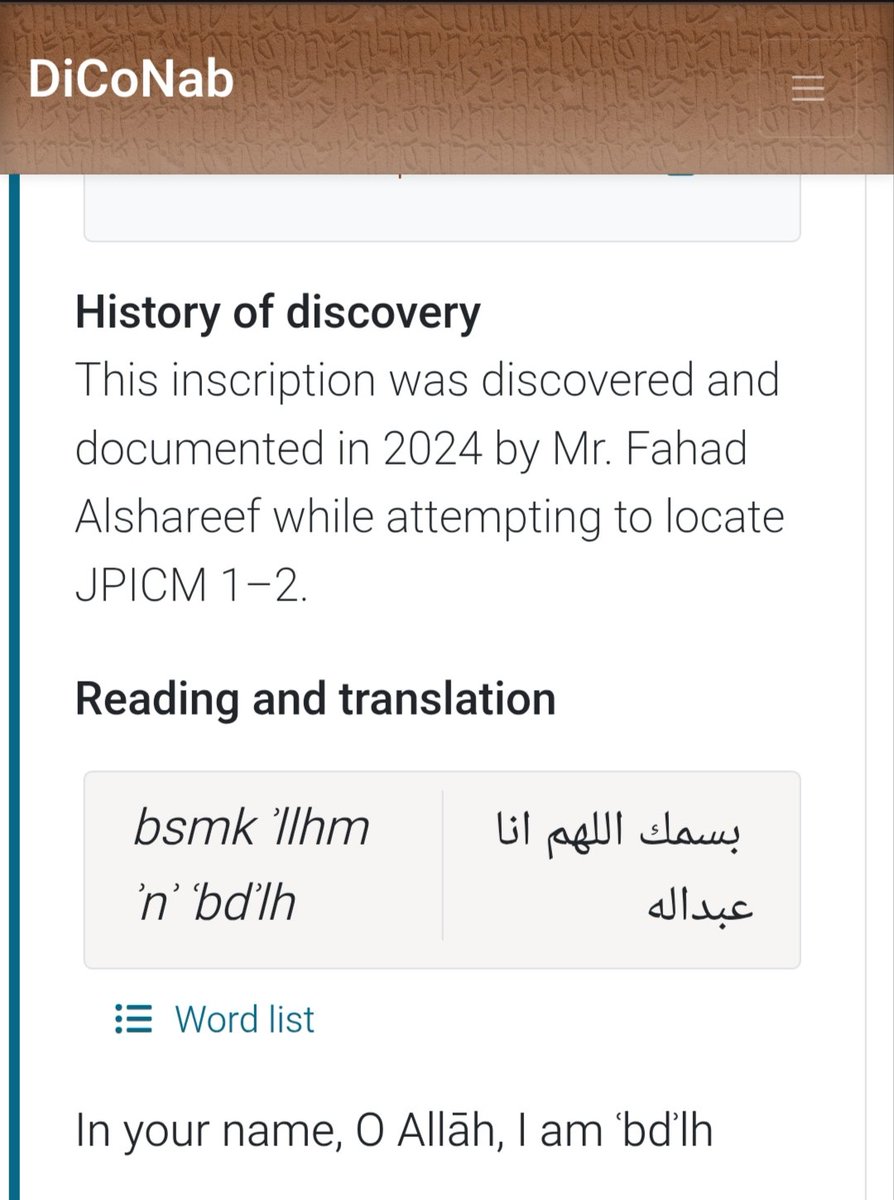
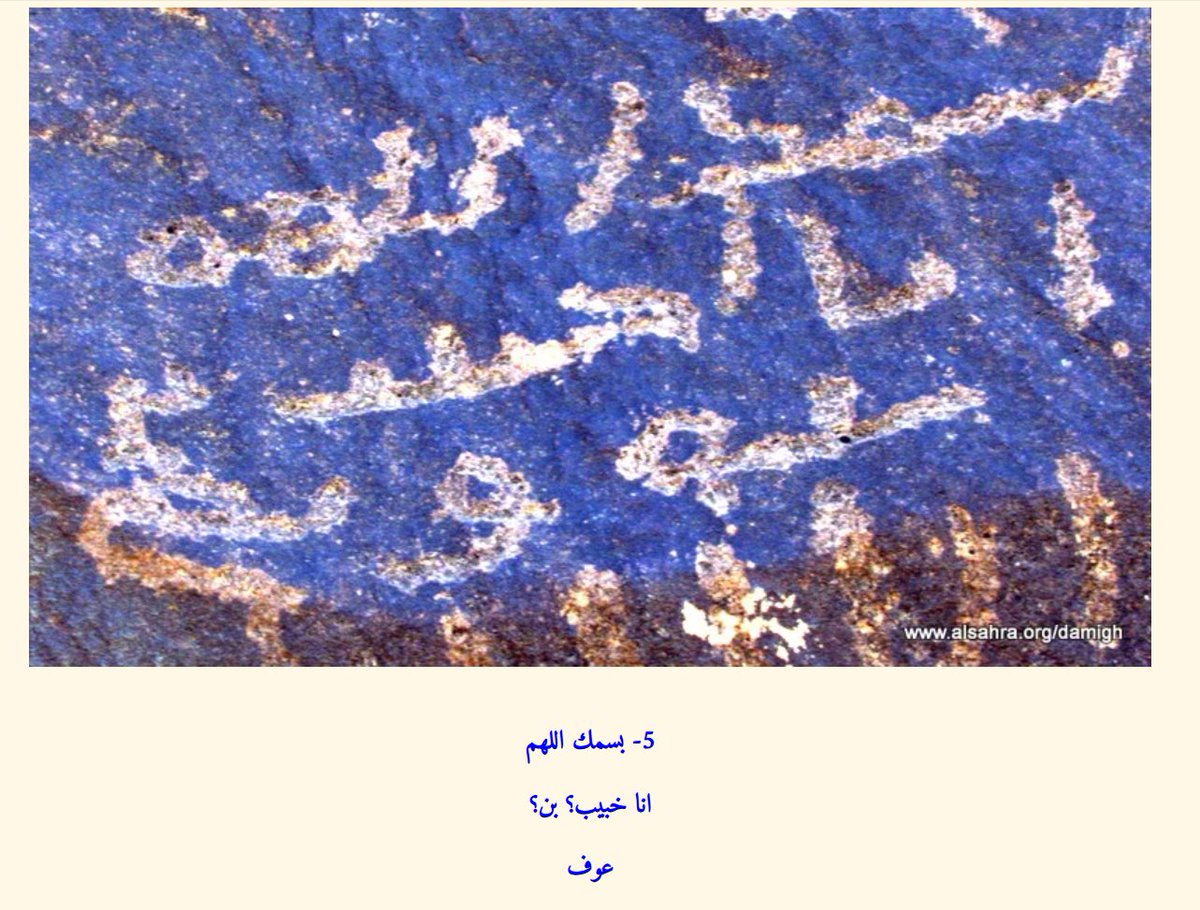
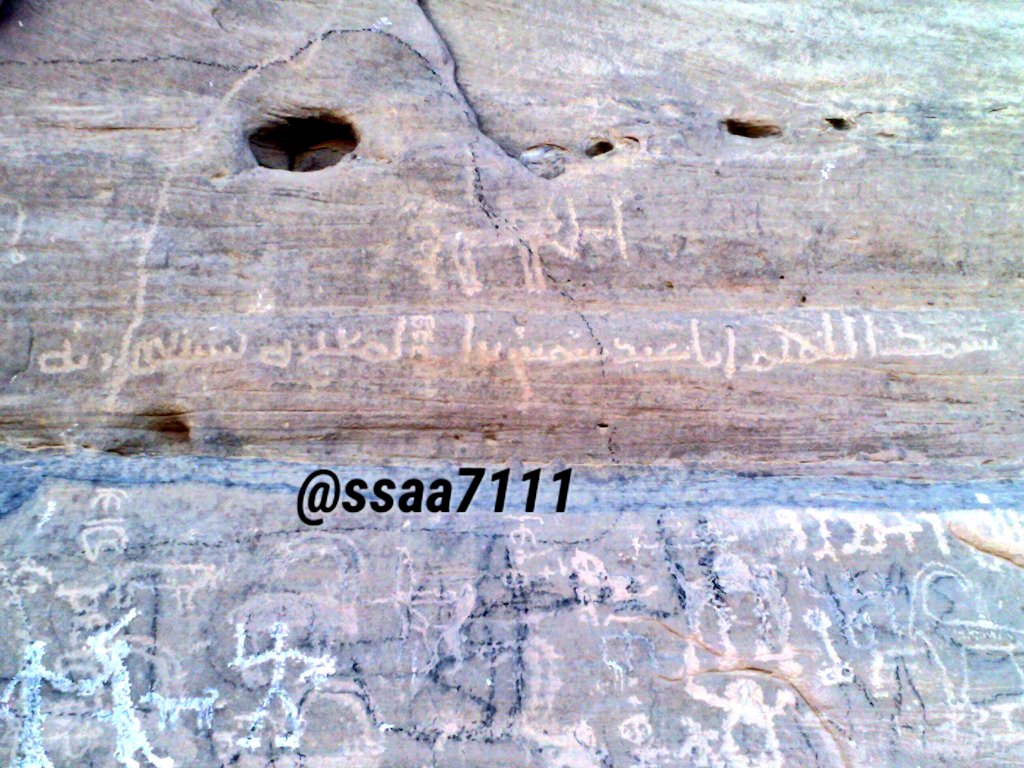
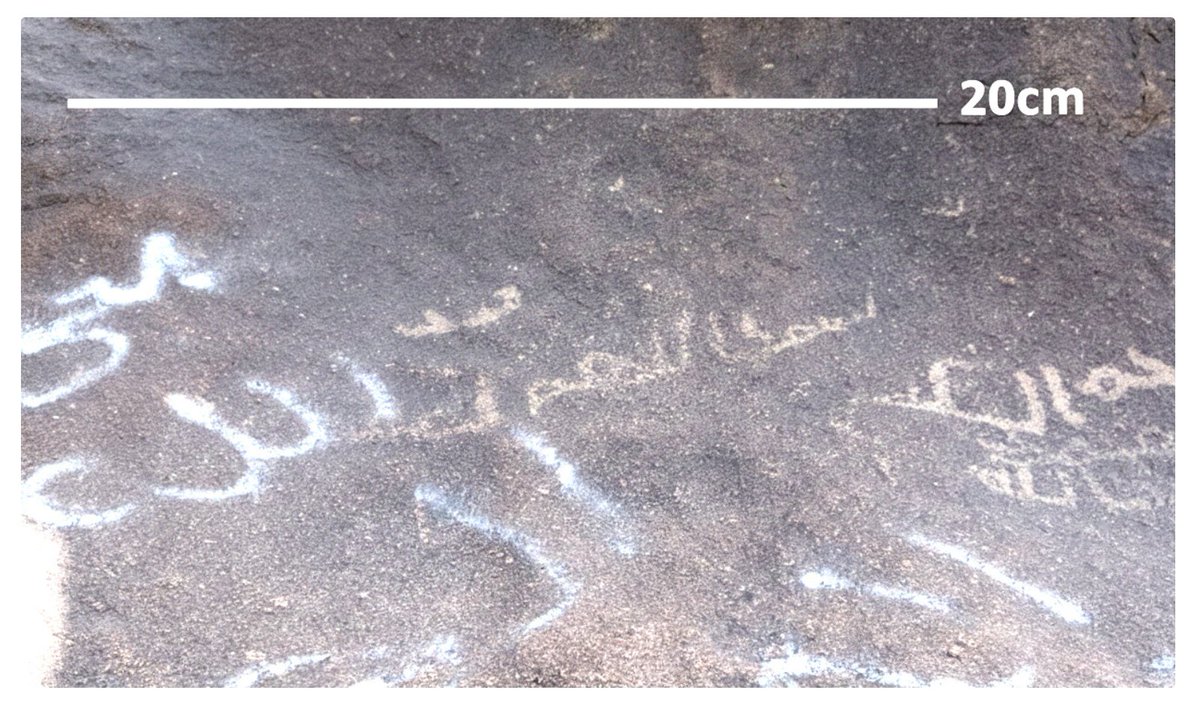
We now have at least 6 inscriptions attesting forms of the basmala which were used before Islam.
4 of them use بسمك اللهم (In Your Name, O Allah), which matches the form of the basmala reportedly used by the Quraysh prior to Islam.
FINALLY (!) I have found a contemporary source that discusses the theme of Pharaoh's divinity in the Qur'an and other late-antique texts. Though a little lacking in it's coverage of source's (dating most prominently), I will probably be making a thread on this soon.
FINALLY (!) I have found a contemporary source that discusses the theme of Pharaoh's divinity in the Qur'an and other late-antique texts. Though a little lacking in it's coverage of source's (dating most prominently), I will probably be making a thread on this soon.
And for anybody who is interested in what I'm talking about: it is Kate Tinson's (2021) PhD-thesis "The Development of Mosaic Narratives in the Hebrew Bible, Jewish Sources and the Qur’an: Research Question and Argument" pp. 117-145. (Link below)
I'm glad to see Dost's Before the Qur'an and @KaraSeyfeddin's The Integrity of the Qur'an, as titles in Edinburgh Studies in Islamic Scripture and Theology, provoking responses and debate in the field. Whether one sides with authors or critics, this is how scholarship progresses.