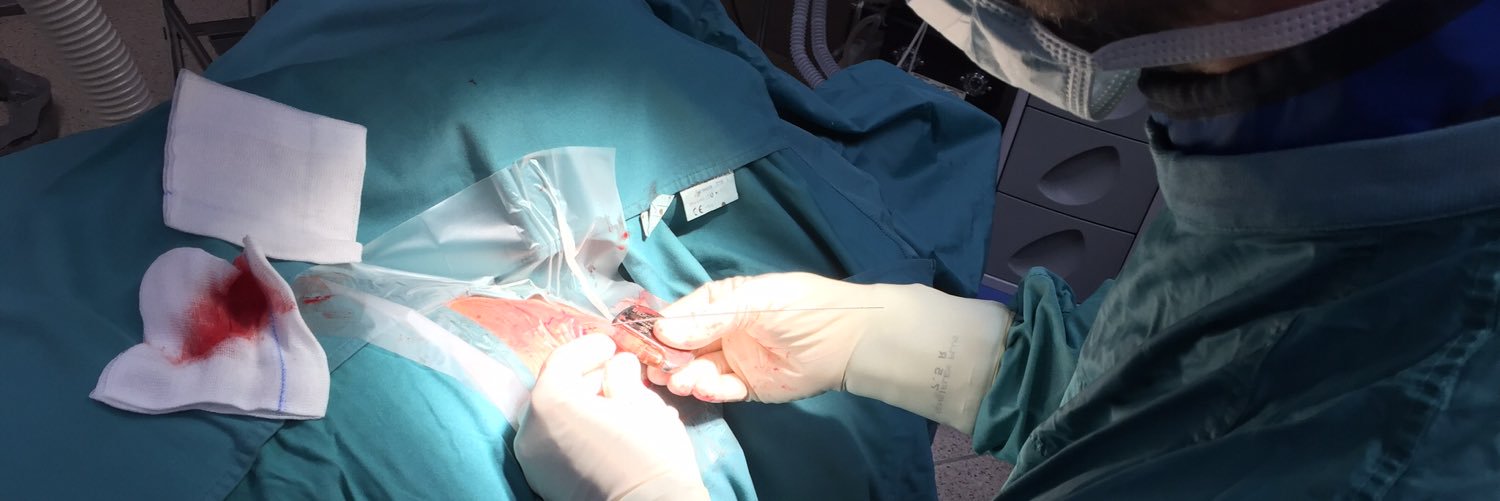
The sheath in sheath method introduced for HBP by @Hisdoc1 is also very useful in LBBAP. Proctoring in many centres I have observed that it is still underused. Here is a video how to prepare & slit the Attain CSP combo #dontdisthehis#EPeeps@drpmoskal@OCanoPerez@curilakarol
Kolejny dowód, że dla zdrowego życia nie trzeba się "męczyć" bieganiem, maratonem, itd. Wystarczy spacerować i tylko 5500 kroków dziennie - to godzinny spacer. Jedna z najlepszych publikacji ostatnich lat promująca zdrowy styl życia. Polscy naukowcy cytowani przez najlepszych.
Worsening Tricuspid Regurgitation Associated with Permanent Pacemaker and Implantable Cardioverter-Defibrillator Implantation: A Systematic Review and Meta-Analysis of over 66,000 Subjects, by @DrSaedNuaimat et al https://t.co/LuZGtNJoDz
Check out the 2023 Chronic Coronary Disease Guideline-at-a-Glance!
3 of the Top 10 Take-Home Messages from the AHA/ACC Multisociety Chronic Coronary Disease Guideline are presented here to provide a framework for initial dissemination. Read more in #JACC: https://t.co/Iv2wvV7jgA
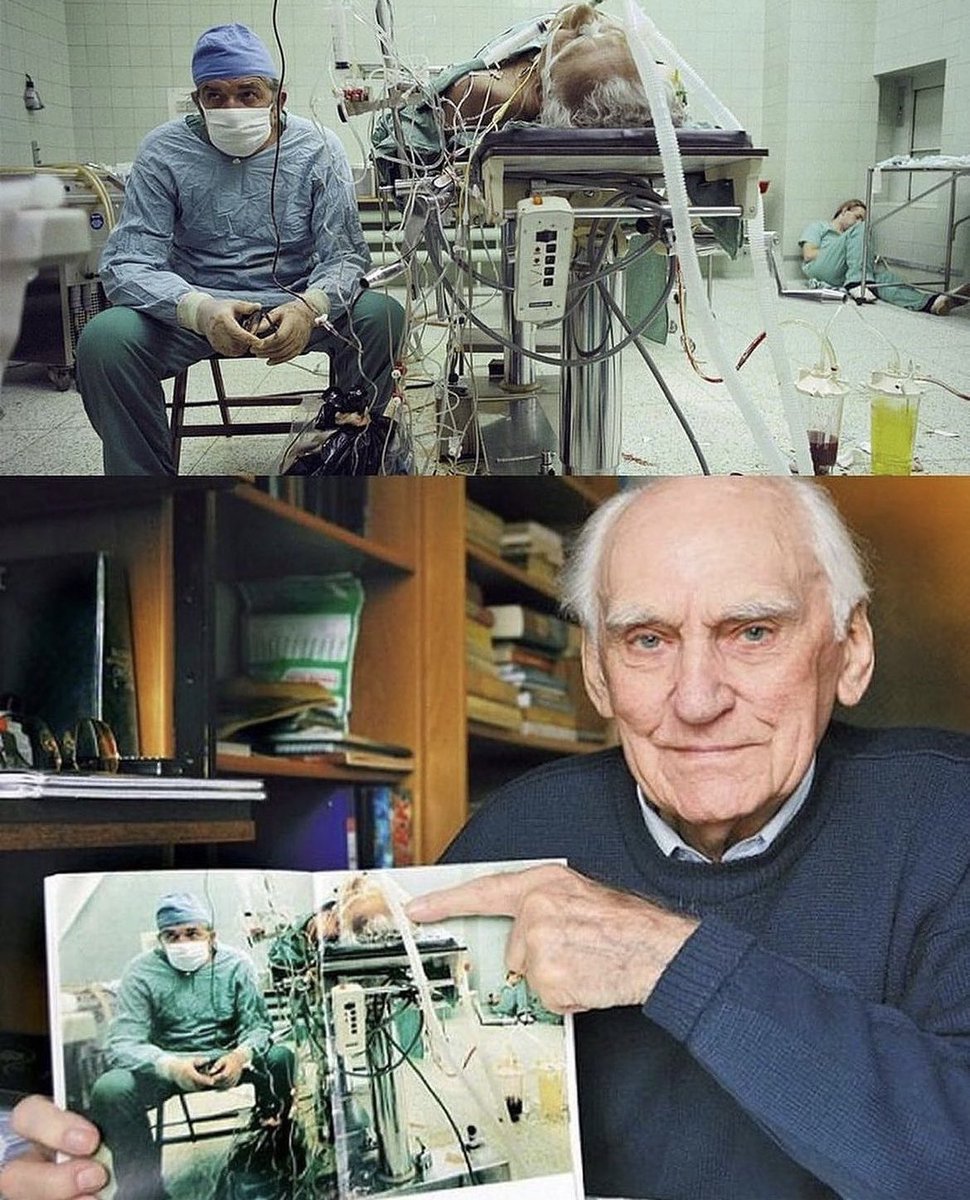
The top photo holds great historical significance as it captures a pivotal moment in medical history. Dr. Zbigniew Religa, a renowned heart surgeon, is seen resting in the photo after completing the first successful heart transplant in Poland in 1987. This groundbreaking surgery lasted a staggering 23 hours, pushing the boundaries of medical expertise and technology at the time. Despite the immense physical and mental strain of the procedure, Dr. Religa's dedication to saving lives is evident.
Interestingly, the photo also captures a glimpse of his assistant, who can be seen sleeping in the corner. This seemingly mundane detail highlights the exhaustion and demanding nature of such a complex operation, as both the surgeon and the entire surgical team worked tirelessly to achieve this medical milestone.
The bottom photo, taken 25 years later, features Tadeusz Zitkevits, the recipient of the heart transplant. It is a testament to the success of the surgery, showing that he lived a remarkable 30 years after the procedure. Tragically, Tadeusz Zitkevits passed away in 2017, outliving Dr. Religa, who had given him a new lease on life, but succumbed to his own mortality in 2009.
Together, these photos capture the triumphs and limitations of medical science, reminding us of the dedication and sacrifice required to advance the field of transplantation and improve the lives of countless individuals facing life-threatening conditions.
W leczeniu arytmii nadal dominuje leczenie zabiegowe. Niezmiennie trwa poszukiwanie coraz bardziej skutecznych i bezpiecznych metod ablacji – mówi dr Marcin Witkowski z Kliniki Kardiologii UM w Białymstoku #arytmia@UMB_Bialystok @srs_ptk @EHRAssociation
https://t.co/rP8B2JbT0e
Nowe technologie medyczne poprawiają rokowania, zmniejszają konieczność kontaktu z systemem ochrony zdrowia, zmniejszają ryzyko zgonu, hospitalizacji, wydłużają życie w dobrej kondycji - prof. Przemysław Mitkowski, prezes #PTK@medexpresspl
https://t.co/3xbU1qjyLg
Rząd odwołał powikłania po COVID. Pacjenci nie mogą korzystać z leczenia rehabilitacyjnego po COVID. Ponad 80% chorych podaje istotną poprawę po rehabilitacji. Likwidowana jest najskuteczniejsza metoda terapii po COVID (LONG-Covid) https://t.co/4NTJPbxDQG