'Donna travolta sulle strisce' da un veicolo guidato da nessuno. Era un'auto, una moto, un'astronave? Non si sa [*Come i giornali e i giornalisti raccontano gli scontri stradali*]
https://t.co/4PAYs1an2J
#giornalisti#giornali#cronaca#incidente#scontri#violenzastradale
"Questi disgraziati sugli scooter hanno spinto a terra un povero ciclista anziano stamattina a Pompei". Chiedo di aiutarmi a individuare i farabutti e il ciclista per denunciare i primi ed esprimere solidarietà al secondo.
FTP: LAPD killed her dog. He was wearing his Knicks jersey.
His name was Jameson. A golden doodle. One of the sweetest, most gentle breeds alive.
A neighbor called a noise complaint. That's it.
20+ officers showed up. Then a helicopter. For a noise complaint in an apartment complex.
And they shot Jameson dead. In front of his owner. In front of her child.
No warning. No de-escalation. Nothing.
The media is barely covering this. No headlines. No outrage.
Like it never happened.
If this was your dog... your child watching... how would you feel?
Jameson deserved better. That little boy deserved better. His mama deserved better.
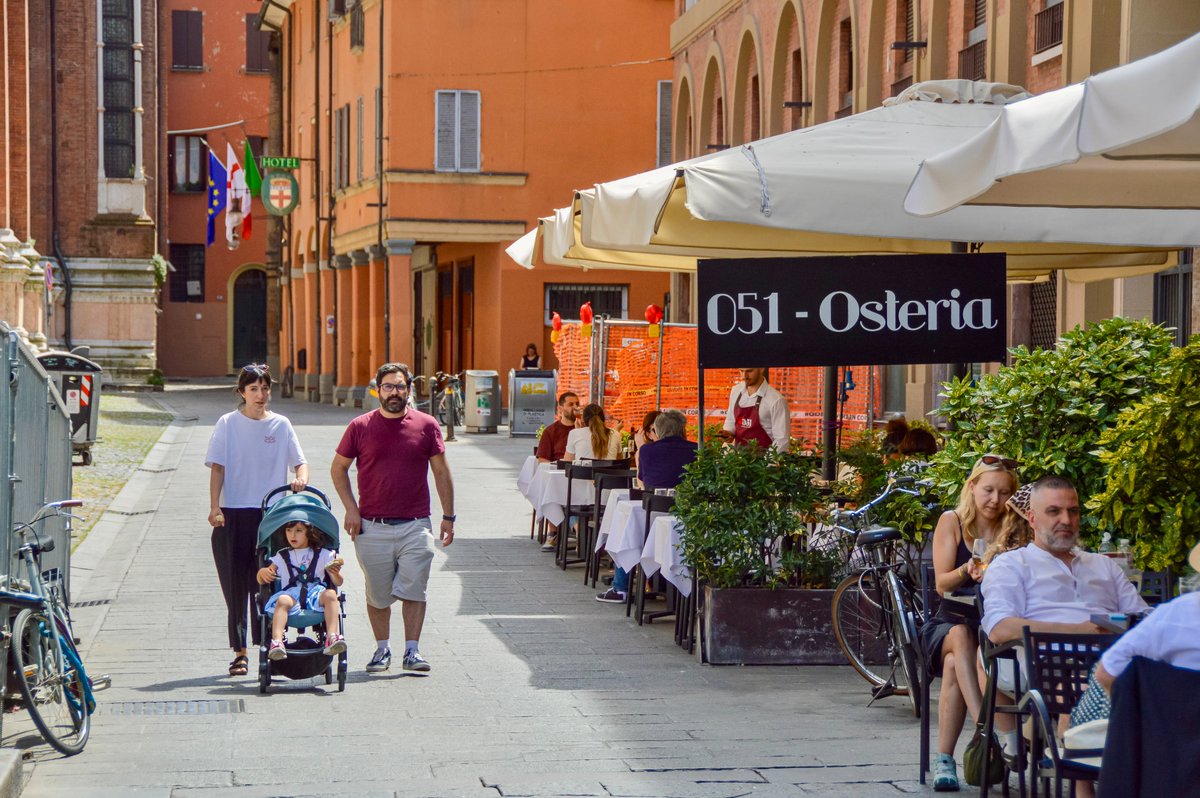
In a debate dominated by speculation, Bologna brought something more powerful: evidence. As cities search for ways to create safer, healthier, liveable streets, this lesson is increasingly hard to ignore: sometimes the fastest route to a better city starts with slowing down.🔚
Average speeds did decline—especially at peak hours—but any increase in travel time was negligible. They concluded traffic flow remained largely unaffected; mirroring findings from numerous cities where lower limits have improved safety without creating increase in journey times.
One of the most significant outcomes has been a change in travel behaviour. The number of bicycle trips increased 10% during the first year, while bike-sharing use surged 69%. Car-sharing trips increased 44%, and urban journeys on Bologna’s metropolitan rail network rose 31%.
According to the first-year assessment, traffic pollution fell 29%, while overall traffic counts declined 5%. These reductions contributed not just to cleaner air but also to lower noise levels and improved public health outcomes, particularly for residents along busy corridors.
In year one, fatalities fell 49%, dropping to just 10 deaths citywide. Most notably, for the first time since 1991, not a single pedestrian was killed. Crashes declined 13%, injuries fell 11%, and the most severe collisions requiring emergency “code red” responses dropped 31%.
When first announced, the reaction was fierce. Taxi drivers warned of gridlock. Motorists staged protests. Politicians denounced it as a war on cars. Critics predicted longer journeys, economic disruption and widespread backlash. Two years later, the data tells a different story.
In 2024, Bologna was the first Italian city to implement a 30 km/h speed limit. Despite initial pushback, the Città 30 initiative has brought measurable improvements in road safety, public health, air/noise quality and travel behaviour—with no measurable impact on travel times.🧵