GPT IMAGE 2 on Chatgpt
Prompt:
Single Prompt:
Create a nostalgic editorial photo-to-sketch artbook page based on the reference image. Preserve the same subjects, pose, facial expressions, clothing, composition, and emotional atmosphere from the original photograph. Divide the page vertically into two connected sections: the upper section is a cinematic, ultra-realistic photograph with soft natural lighting, subtle film grain, shallow depth of field, authentic colors, and an intimate candid feeling; the lower section transforms the exact same scene and characters into a loose black-and-white hand-drawn ink illustration on warm off-white textured paper, with expressive imperfect lines, rough cross-hatching, minimal shading, and a handmade sketchbook aesthetic. Add tasteful editorial typography around the illustration, including a small numbered title, short poetic handwritten-style caption, and tiny documentary-style notes, creating the feeling of a premium contemporary photography journal or Japanese-inspired visual diary. Keep generous cream-colored negative space, subtle paper texture, slightly imperfect ink printing, understated vintage layout, sophisticated minimalist graphic design, emotionally warm and cinematic, cohesive transition between photograph and drawing, high detail, natural proportions, authentic human anatomy, no watermark, no logos.
this is what 300 agents looks like when they stop behaving like 300 separate chats.
Grok handles the decision.
Kimi turns that decision into a swarm.
1 trigger
→ up to 300 agents
→ 5 live data feeds
→ 1M-token context
→ up to 4,000 steps
→ verified artifact
different agents research, build, check, reroute and merge the work while the system keeps moving.
no one giant prompt trying to do everything.
no 300 disconnected outputs to read afterward.
just one job spreading across the network and collapsing back into one result.
that’s the part people miss with multi-agent systems:
the agents are not the architecture.
the coordination between them is.
full setup in the article below ↓
This guy built an HFT algorithm on Polymarket with an average trade size of $53
Result: +$129,923
His bot trades short-term BTC/ETH Up/Down markets using a hybrid of two-sided market making, complete-set accumulation, and inventory rebalancing:
1. It accumulates Up and Down at different points during the market
It keeps BUY orders on both sides and uses intramarket volatility to get fills at different prices
For example:
> Up = 47c -> some time later Down = 52c
> Up + Down = 99c -> 1c gross edge
2. It leaves a small directional residual
After forming complete sets, it keeps some directional exposure when its own fair probability model sees an edge based on:
> Underlying asset data from external sources
> Order book depth
> Momentum, acceleration, and volatility
His Polymarket nickname: Polkadot-Frog
Follow this account and trade on Polymarket through this bot:
https://t.co/cnd7nrxGXR
The main edge of his HFT algorithm comes from repeating the same cycle over and over again
That’s how he captures a consistent edge and steadily grows his capital
RAG vs. CAG, clearly explained!
In a standard RAG setup, every query hits the vector DB, including queries about a product manual or policy documents that haven't changed in months.
The retrieval adds latency, and then the model prefills those same retrieved chunks again on every subsequent query.
CAG is a technique that drops the vector search and moves the prefill off the query path.
The preprocessing step runs those documents through the model once, before any query arrives, and keeps the key and value tensors it produces for every token at every layer.
At query time, the model loads that state and starts decoding, with no vector search or prefill on the knowledge.
The amount of context you can store as cache isn't limited by the context length of the model but rather the GPU memory.
For instance, in a 70B model at BF16, the cache takes around 300 KB/token, so even a small corpus can produce tens of GBs of cache to manage.
That's why production setups run both RAG and CAG together.
↳ Static, high-value knowledge that nearly every query reads gets cached once, like policies, product docs, and standing instructions.
↳ Everything else stays in the vector DB, since a document that surfaces in one query out of a thousand doesn't justify holding its tensors on the GPU all day.
The diagram below depicts this.
To use this in practice, you don't need to build a custom serving stack.
The transformers library already implements the cache as an object of KV vectors that you can preserve, so you can prefill a corpus once, retain the returned tensors, and reuse them across queries in about ten lines.
And this KV cache is only one of four separate caching layers in an LLM stack.
The other three are prefix caching on the server, prompt caching billed by a provider, and a semantic cache that skips the model entirely.
I wrote a full breakdown of all four caches in LLM serving that you should know as an AI engineer, with code for each.
Read it below.
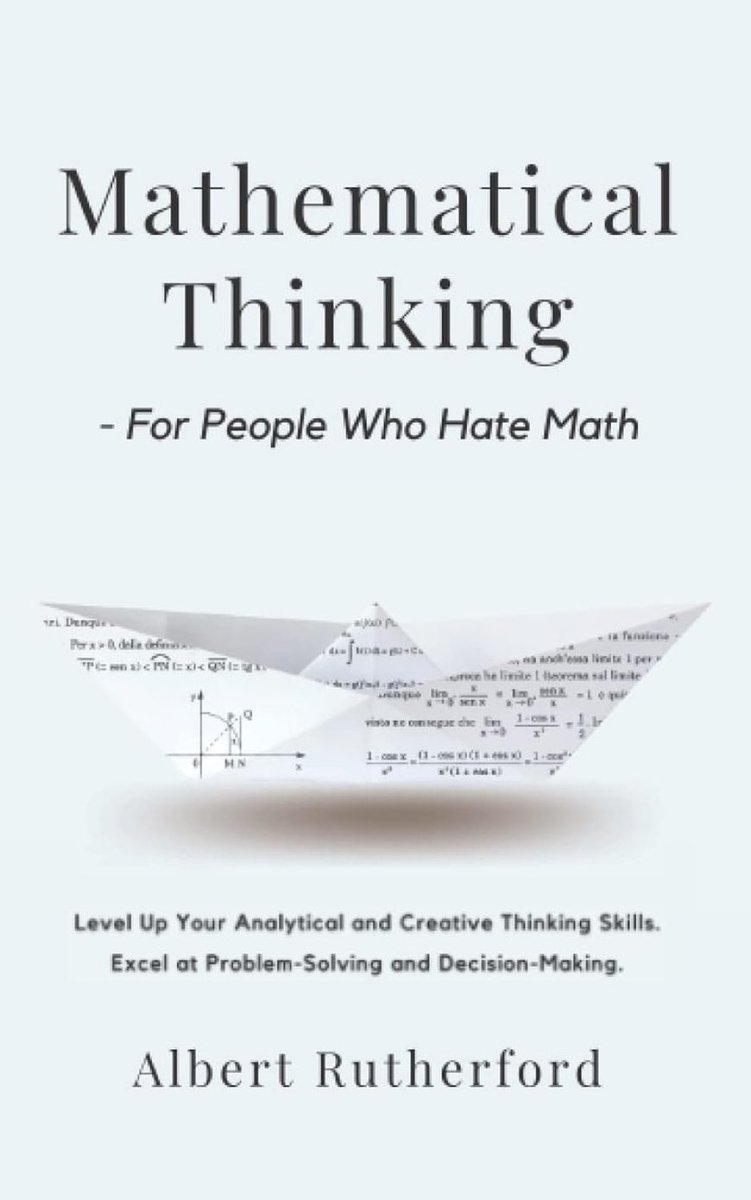
"Mathematical Thinking - For People Who Hate Math: Level Up Your Analytical and Creative Thinking Skills. Excel at Problem-Solving and Decision-Making"
Get started at https://t.co/V0PWpN4xgO
#Database can be classified by how they organize, store, retrieve, and distribute data, as well as how they handle performance and scalability. Here are the main types of databases👇
Find pdf ebooks with all my #DevOps related infographics at https://t.co/3t6LHw8TIY
#backend
a polymath is not someone who knows a little about everything. it is someone who can learn anything
the advantage is not knowledge. it is adaptability.
polymath is about building the habits behind broad expertise:
• learn fast
• connect ideas
• switch domains
• build mental models
• practice deliberately
• stay curious
every new field gives you another way to solve problems.
• physics teaches constraints.
• biology teaches adaptation.
• computer science teaches abstraction.
• economics teaches incentives.
• design teaches human behavior.
innovation rarely comes from knowing one field better than everyone else.
it often comes from carrying ideas across fields that were never supposed to meet.
The book that made computers feel less like magic to me:
Computer Systems: A Programmer’s Perspective.
If you want to understand what happens between writing C and your program actually running, this is the one.
Retweet & Save for later.
i. PDF to JPG: https://t.co/pUFtlDLswD
ii. JPG to PDF: https://t.co/v3P0PKmsMS
iii. PDF to DOC: https://t.co/J4K4usGvlU
iv. PDF to Excel: https://t.co/Xmw4pgckLf
v. PDF to PowerPoint: https://t.co/LrDrv6SJHL
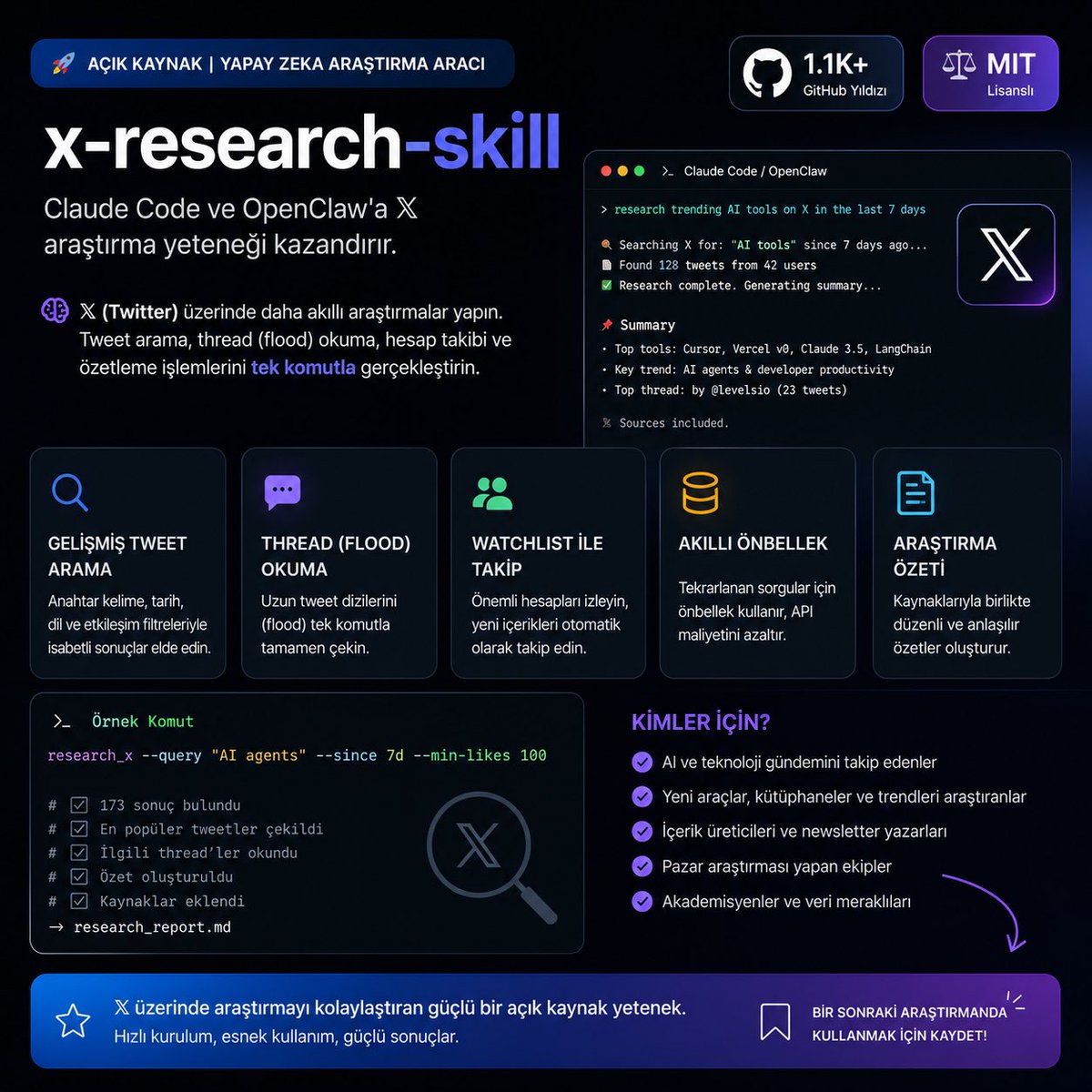
🛠️ 𝕏 üzerinde araştırma yapmak için artık API çağrılarıyla uğraşmanız gerekmiyor.
`x-research-skill`, Claude Code ve OpenClaw'a 𝕏 araştırma yeteneği ekleyen açık kaynak bir araç.
✅ Anahtar kelime, tarih ve etkileşime göre tweet arama
✅ Uzun flood'ları tek komutla çekme
✅ Hesapları watchlist ile takip etme
✅ Tekrarlanan sorgular için önbellek kullanarak API maliyetini azaltma
✅ Kaynaklarıyla birlikte araştırma özeti oluşturma
Özellikle yeni AI araçları, kütüphaneler veya sektör gündemini takip ediyorsan ciddi zaman kazandırıyor.
Repo TypeScript ile geliştiriliyor, MIT lisanslı ve 1.1K+ GitHub yıldızına ulaştı.
Bir sonraki araştırmanda kullanmak için kaydet.
Everyone recommends K&R. almost nobody tells beginners about this.
Modern C by Jens Gustedt is one of the best books for learning modern C.
The free edition is worth keeping in your library.
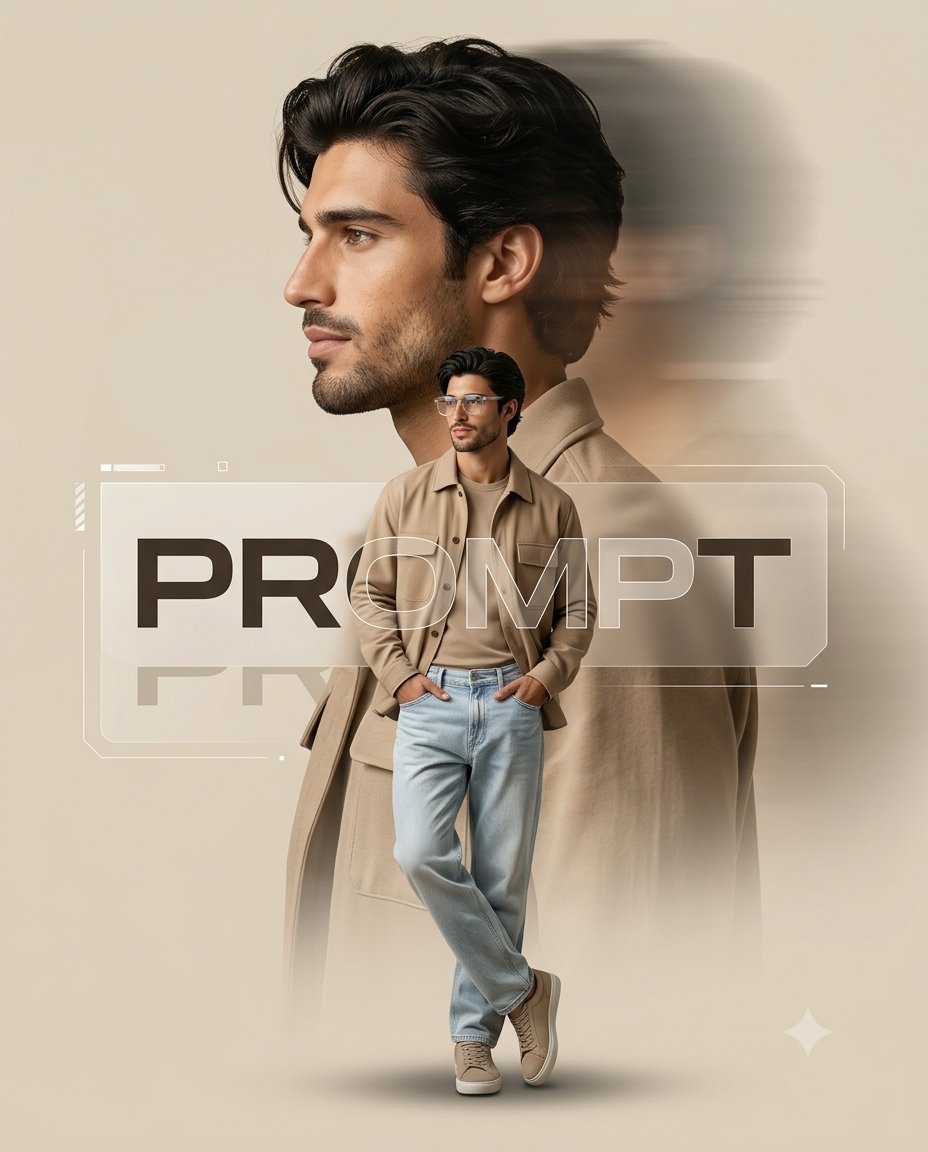
Image was generated on gemini flash
Prompt:-
Create a premium cinematic poster-style portrait of the uploaded person in a clean beige studio environment, aspect ratio 4:5. The composition closely follows the reference design. A large side-profile portrait of the uploaded person dominates the background, occupying approximately 70-75% of the frame height, facing left with a calm, confident expression. Behind the large portrait, add strong horizontal motion blur streaks extending toward the right side, creating a dynamic sense of movement. In the foreground, place a smaller full-body version of the uploaded person standing in front of the larger portrait, occupying approximately 30-35% of the frame height. He is wearing stylish beige-tan casual clothing matching the reference aesthetic: a relaxed overshirt/jacket, light-wash loose-fit jeans, and casual sneakers. Add modern transparent eyeglasses. Both hands are casually tucked into his trouser pockets. His stance matches the reference exactly: one leg crossed naturally in front of the other, leaning slightly with a relaxed, confident posture. He is looking slightly toward the brand text area rather than directly at the camera. Place a large modern branding text element behind the foreground figure, partially obscured by his body, using the word "PROMPT" in bold futuristic typography. The text should feel integrated into the design, with subtle transparency and layered depth effects. Add minimal geometric UI-style design elements and soft translucent panels around the text area for a contemporary creative-director look. Soft editorial lighting, luxury fashion campaign aesthetic, high-end digital poster design, ultra-detailed facial features, sharp focus on the subject, subtle shadows beneath the standing figure, clean background, premium color grading, realistic textures, professional photography, modern creative branding artwork. No logos, no watermarks, no extra text except "PROMPT".