#DYK? 48% of people with the medical condition of #hyperhidrosis or excessive sweating, report “poor” or “very poor” quality of life.
This #HyperhidrosisAwarenessMonth, learn more from @WeKnowSweat about the condition and patient access to treatment options: https://t.co/BWS0KDG28O
For people living with chronic skin conditions, prescription medications can be an important part of managing their health, but high costs can make it difficult to afford treatment. Medicare Part D offers a payment option that can help patients manage these expenses.
Learn more: https://t.co/CLuXRhPpOM
Choosing the right Medicare Part D plan can help patients avoid unexpected costs and maintain access to necessary medications.
In a new @AJMC_Journal article, AfPA's Public Policy Director Gavin Clingham highlights why it's important to review prescription drug coverage during Open Enrollment rather than automatically renewing an existing plan.
Read the full article for more: https://t.co/ejWqbkFsSn
Out-of-pocket costs for dermatological treatments can create significant financial barriers, making it difficult for patients to access the care they need.
Medicare Part D offers a tool to help ease that burden. The Medicare Prescription Payment Plan allows patients to spread their out-of-pocket prescription drug costs across monthly payments throughout the year.
Explore AfPA’s resources on the Medicare Prescription Payment Plan to learn more: https://t.co/33zW00qAOe
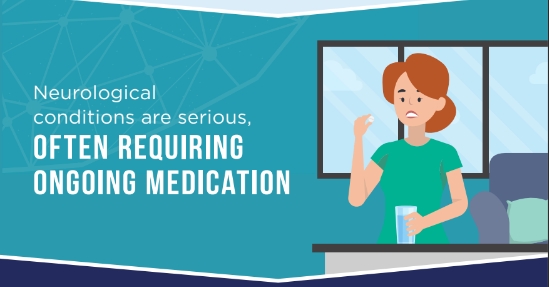
Neurological conditions often require ongoing medication, yet insurers require clinicians to repeatedly justify patients' need for the same medication.
Learn more about the burden of insurance reauthorization and its impact on patient access to care: https://t.co/eqp6sUchrC
The recently introduced Allergy and Asthma Patient Protection Act aims to address insurance barriers that limit access to medically necessary allergy and asthma testing and treatment.
Thank you to @RepBobOnder for championing this legislation and helping advance efforts to reduce delays in diagnosis, out-of-pocket costs and disruptions in patient care.
Read the press release to learn more: https://t.co/6kwXJ3tIXw
#DYK? Long-acting injectables gradually release into a patient's body over a period of time and can:
🔷Improve adherence
🔷Minimize side effects
🔷Reduce the risk of hospitalization & overdose
Learn more: https://t.co/DU6Qt1GeGn
Type 2 diabetes and heart disease often go hand in hand. This #NationalDiabetesMonth, learn how patient-centered care can simplify treatment for people managing both: https://t.co/XaxbU4PQK2
Excessive sweating and disruptive body odor can affect quality of life, yet they're often hard to discuss.
During #HyperhidrosisAwarenessMonth, break the stigma and raise awareness that various different treatment options are available.
Learn more this November from @WeKnowSweat: https://t.co/EQuRFsXP0f
IgG4-RD is a rare immune disorder that was only formally recognized as a distinct disease about 20 years ago and can cause dibilitating symptoms.
Learn more: https://t.co/ZsXHJd2tlA
The Medicare Prescription Payment Plan helps make prescription drug costs more manageable by allowing patients to spread out-of-pocket payments throughout the year. There is no cost to participate, and patients can enroll at any time.
Learn more about the Medicare Prescription Payment Plan and Medicare Part D through AfPA’s resources: https://t.co/pCTx5se2Gr
#DYK? Up to 40% of heart disease patients have major depressive disorder. Comprehensive treatment must account for the overlap between cardiovascular disease and mental health conditions.
Learn more: https://t.co/GhsCjU37vg
November is #AlzheimersAwarenessMonth, a time to raise awareness about the importance of early Alzheimer’s detection and the role of emerging screening tools.
The Alzheimer’s Screening and Prevention Act, or #ASAPAct, would modernize Medicare coverage to expand access to innovative detection tools, ensuring patients can access earlier and more accurate diagnoses.
Learn more about the legislation and its potential impact: https://t.co/Feg3z8RMOH
Getting the right care is critical to a patient's health. But unlike traditional medications, biologics can be more challenging to access.
Learn more: https://t.co/9cU0VxLeCY
Children with obstructive HCM now have a new treatment option. The FDA's expanded approval of mavacamten marks an important step forward for pediatric heart care.
Learn more: https://t.co/torVy9YcRb
Communication between pathologists and treating clinicians is essential, particularly for diseases like IgG4-RD that can be difficult to diagnose. Lynn Cornell, MD, explains the critical role pathologists play in accurately identifying this complex condition.
Learn more: https://t.co/uslImtGMBe
People with cancer deserve timely, uninterrupted access to the care they need. However, alternative funding programs are increasingly creating barriers to accessing essential cancer treatments.
Learn more: https://t.co/xwYsd7p5ZJ