EU Kids Act Bulletin 3️⃣
In this edition: the EU pauses national social media initiatives, NGOs call for a tech-neutral approach to the KIDS ACT, and the EU’s parallel Digital Fitness Act is imminent.
https://t.co/E3j6m3nfhB
Two years ago, Harari shrilled that the 2028 election would be run by AI. That prediction now looks even more ridiculous than it did back then, so he's back with another.
This time, alien invasion by 2031 🤷♂️
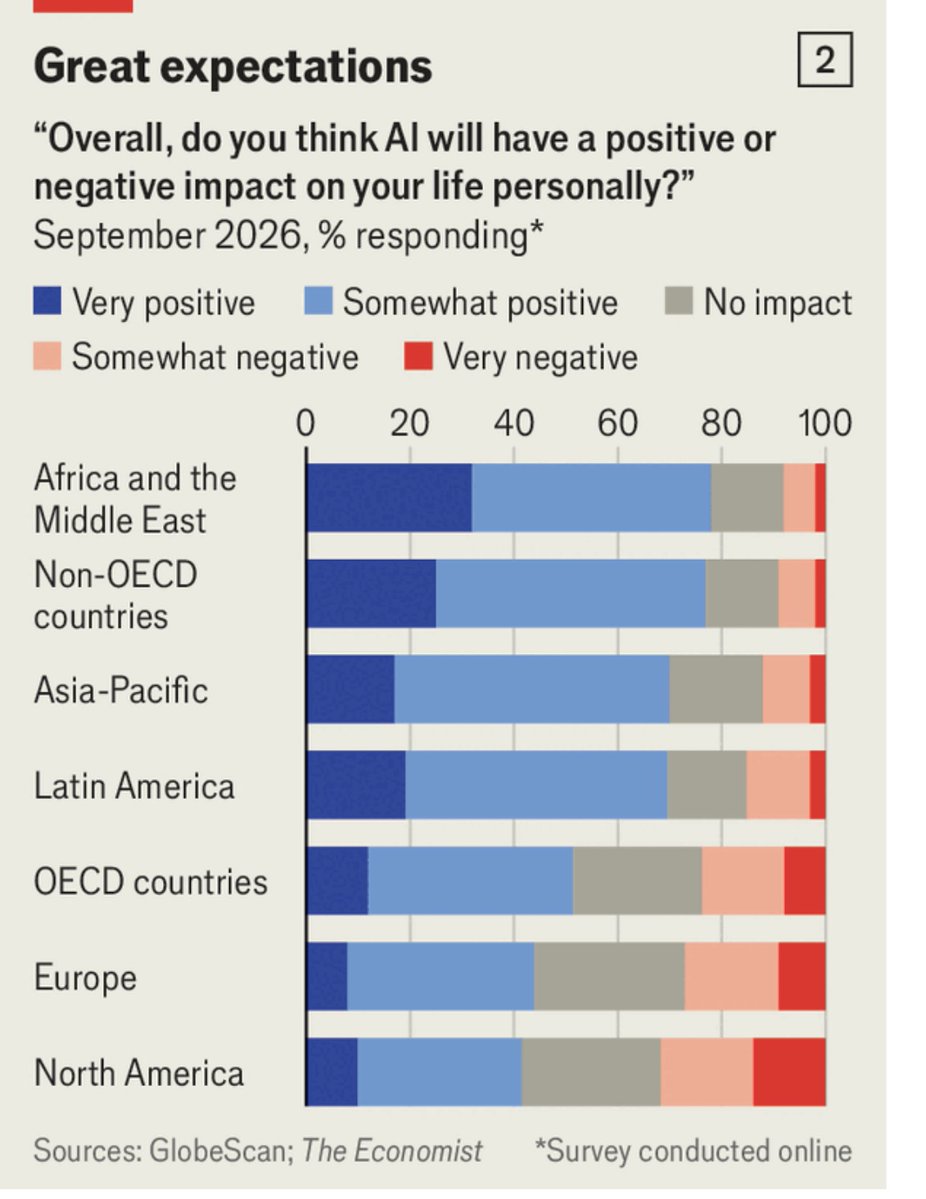
@TheEconomist – how about some sober voices?
https://t.co/SKprsDsfF8
Yuval Noah Harari: We are witnessing the end of human history. The end of human-dominated history. History will continue, but AI could be the one in control.
“In five years, there will be a technology that can make decisions and create new ideas independently.”
“Maybe they'll solve cancer and climate change. But we are not sure.”
“I'm tending to think of it more in terms of an alien invasion.”
“The aliens are not coming in spaceships. They're coming from the laboratory.”
“If humans are divided and in an arms race, it becomes almost impossible to contain this alien intelligence.”
Super Intelligence is just the latest makeover for 'AI.'
Like a wearisome Marvel franchise, we'd best prepare for the future rebrands of 'super' and 'ultra' AI.
https://t.co/vLPTFY68Xq
EU–Canada digital trade talks concluded. Unlikely to cover core provisions like data localization bans and source code protection. The final text will matter. @ITIFdc@lawrencezed@patrickgrady_
https://t.co/VWx7DKuuC0
Europe has just 5% of global AI compute capacity, compared with roughly 75% in the United States.
Competing to build the largest closed AI models may be unrealistic. Open models offer Europe another path.
@patrickgrady_ explains ⤵️
https://t.co/sy1qtwZsgM
EU Kids Act Bulletin 2️⃣
In this edition: confirmation that IMCO will lead the European Parliament's legislative work. Stakeholders welcome the proposal, but concerns remain over its breadth and impact on users' privacy.
Also—events to sign up to ✍️
https://t.co/qXsZQMmcyp
Whether it's fixing security flaws, filtering spam, or taking down harmful content, AI continues to make the internet a safer place.
https://t.co/OSKBvx6zox
Great new blog by my @ITIFdc colleague @patrickgrady_ on the EU Kids Act, arguing the regulation risks pushing children off the online communities they depend on without giving them viable alternatives.
It’s weird that the CEO of Hugging Face continues to be an “AI is normal technology” guy despite being the victim of an autonomous cyberattack by a swarm of rogue agents, arguably the least normal thing AI has done so far.
It's okay to be concerned about new technology, but repeatedly shouting "fire!" in a crowded theatre is irresponsible. It leads to deadly panic, confusion, and bad choices.
Worse, we will no longer recognise genuine dangers.
https://t.co/mVc5FF4lFq
As negotiations over the KIDS ACT get underway, we'll be publishing a fortnightly round-up of regulatory developments and policy analyses.
Subscribe below – and give us a heads-up if you have analyses we should feature in the next edition!
https://t.co/LHAIxcSesK
Berlin-based search engine Ecosia, used by government services, is dropping its French AI partner, Mistral, its CEO told POLITICO.
The company will now bet on open-source models, including those from China.
https://t.co/Ks0nbpSoEH
It may be convenient to pretend that agents are dressed up and walk around on their own. But it is an illusion. Like the emperor in Hans Christian Andersen’s fable, AI agents have no clothes.
https://t.co/nYp0NefXUU
The scale of Manchester City’s alleged cheating means serious punishment is the only way for the Premier League, one of Britain’s biggest global brands, to save its reputation https://t.co/dnOuFb75iv