Growing up these photos were black & white. They were hard to imagine in color. I studied these eyeing every square inch of the photo. Looking at faces, uniforms and equipment.
This morning at the World War II Memorial, we pause to honor the courage and sacrifice of those who stormed the beaches of Normandy 82 years ago today. 🇺🇸
Photo by Chris Johnson
Tausende Soldaten der NVA und der DDR-Grenztruppen begingen Fahnenflucht. In der DDR galt Desertion nicht nur als militärisches Vergehen, sondern als politischer Verrat am System.
#PointAlpha@maxxxweber
#OTD in 1942, pilot LCDR Wade McClusky from USS Enterprise followed a Japanese destroyer to find the enemy carriers near Midway. He ordered the attack that led to the sinking of Kaga and Akagi. McClusky died in 1976 and is buried in front of the Naval Institute's HQ at Beach Hall.
On the night of April 28, 1944, more American soldiers were killed rehearsing for D-Day than were killed storming Utah Beach on D-Day itself. It happened in secret, and the survivors were ordered to take it to their graves. Most did.
Six weeks before the real invasion, the US Army staged a full dress rehearsal at Slapton Sands in Devon, a beach chosen because it looked almost exactly like the Normandy shore codenamed Utah. Eisenhower wanted it realistic, so they used live ammunition. That decision killed men before the enemy even arrived, when timing went wrong and incoming troops were shelled by their own naval guns on the sand. But the worst was still hours away.
Just after midnight, a convoy of eight tank landing ships, packed with men, trucks and fuel, was crawling across Lyme Bay in a long slow line. Out in the dark, nine German E-boats had slipped in from Cherbourg, and they could not believe what they were seeing. The convoy was nearly defenseless. One escort ship had been damaged in a collision and sent to port, never replaced. Worse, a typo had put the landing ships and their lone escort on different radio frequencies, so the warnings that could have saved them were broadcast to no one.
The E-boats opened fire. One ship burst into flames, another was hit and went under in about six minutes, taking hundreds down with her. Men poured into water barely above freezing. Then the cruelest detail: they had been issued life belts but never trained to wear them, so many strapped them around the waist instead of under the arms. When they jumped, the weight of their packs flipped them face-down, and the belts held them there. Hundreds drowned upside down in their own life jackets.
By dawn, around 749 Americans were dead, more than would die taking the actual beach on June 6. And the generals had a problem bigger than the bodies. Ten of the officers aboard held BIGOT clearance and knew the time and place of the entire invasion. If even one had been pulled alive from the sea by the Germans, D-Day would have had to be cancelled. Frantic teams searched the water for all ten. Every body was recovered. The secret held.
So the whole thing was buried. Bodies quietly interred, paperwork sealed, survivors warned that talking meant court martial. The records were not declassified until 1974. For decades these men had no monument and no mention. They died twice, once in the water and once in the silence that followed.
It was called Exercise Tiger. Now you know.
WWI service members receive new headstones honoring their religious heritage
ABMC in coordination with @OperBenjamin and in the presence of @USAmbFrance changed out five Latin cross headstones to Stars of David at Meuse-Argonne American Cemetery.
Headstone changes were done at the request of the service members’ families who, along with Operation Benjamin, presented the required research to ABMC to warrant the change.
The ceremony honored Pvt. Samuel Tamkin, Pfc. Barney Bardman, Pvt. Samuel A. Backer, Pvt. Hyman Aronoff, and Pfc. Maurice W. Akabas.
🌐 Learn more: https://t.co/XU9UeEwEyM
“Today we gather to witness a solemn and meaningful act: the replacement of headstones so that the faith and identity of these fallen American soldiers are properly honored” — ABMC Chairman Michael X. Garrett.
The American Battle Monuments Commission in coordination with @OperBenjamin and in the presence of @USAmbFrance exchanged five Latin cross headstones for Stars of David June 2 at Meuse-Argonne American Cemetery.
Read more: https://t.co/XU9UeEwEyM
From neighborhood parks to remote wilderness, America is full of places to relax, explore, and make lasting memories. Whether you're hiking a trail, paddling a river, or watching a sunset, everyone can celebrate Great Outdoors Month and enjoy the natural splendor of our country.
🏙️Well, it's not everyday that we get to share that one of our authors was featured in New York Times Square!
👉Check out Racquel Ramsey and @TriciaJeanA coauthored book Taking Flight: The Nadine Ramsey Story https://t.co/X3qrYdDEEw
#NewYorkTimesSquare#NadineRamsey#UPKansas
@JayJosephVet Patton brought the tank to the forefront in WWI but logistics denied his Tank Corps the glory. In WWII he mastered large scale logistics to match the tanks ability. But we still choose to think of him as a tactical genius. Amateurs talk tactics, professionals talk logistics.
Some aircraft are remembered for the large number produced, others for their length of time in service, and others for their ability to perform their mission. It’s rare for one to lead in all three, but the McDonnell Phantom II does exactly that. #AirSpacePhoto
This family members travelled from the United States to England to pay tribute to her great great uncle who died on D-Day and is laid to rest at Cambridge American Cemetery.
She left a note that read:
"You will never be forgotten. I bring fond wishes and love from the family in Pennsylvania and the coursins here in England. You fought for us in a foreign land. Then God took you by the hand. We're proud of you, Wit."
Tech. Sgt. William R. Benn Jr. fought in North Africa, Sicily and returned to Britain to prepare for D-Day. His unit faced crushing fire as part of the first assault wave at Omaha Beach. When his platoon leader fell, William took command, leading men through a minefield and up a steep slope. He soon fell wounded, too. With no hospitals on the beaches to provide immediate care, he died while being evacuated to Britain.
We remember his service and sacrifice. 🙏
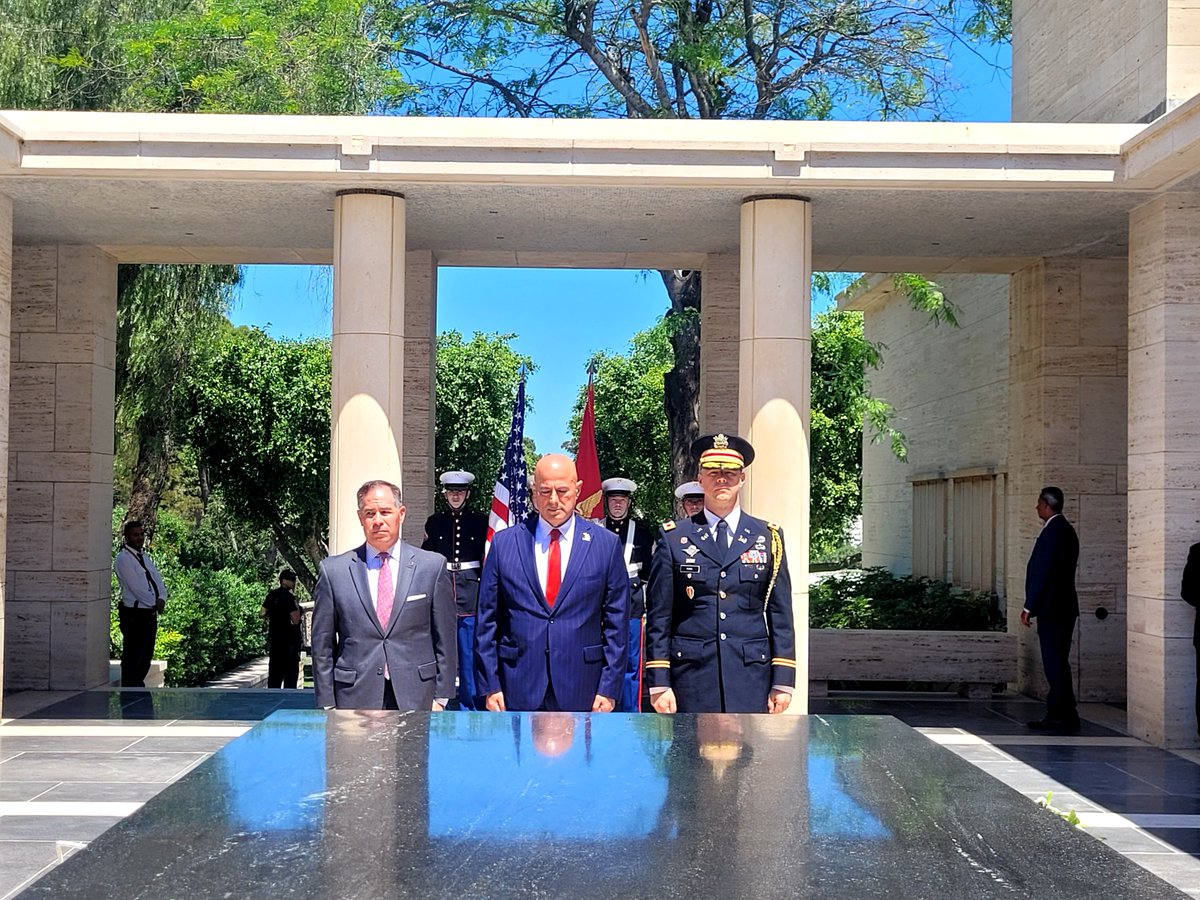
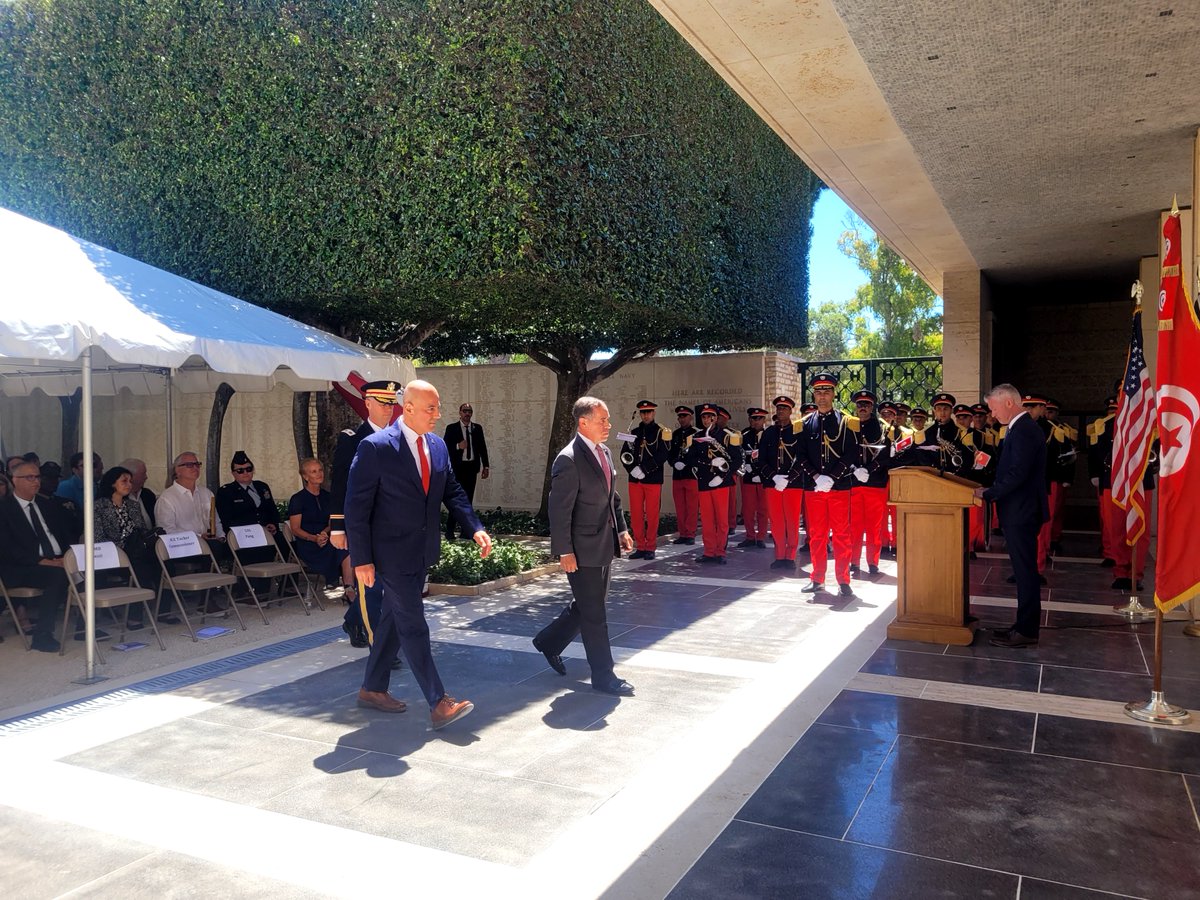
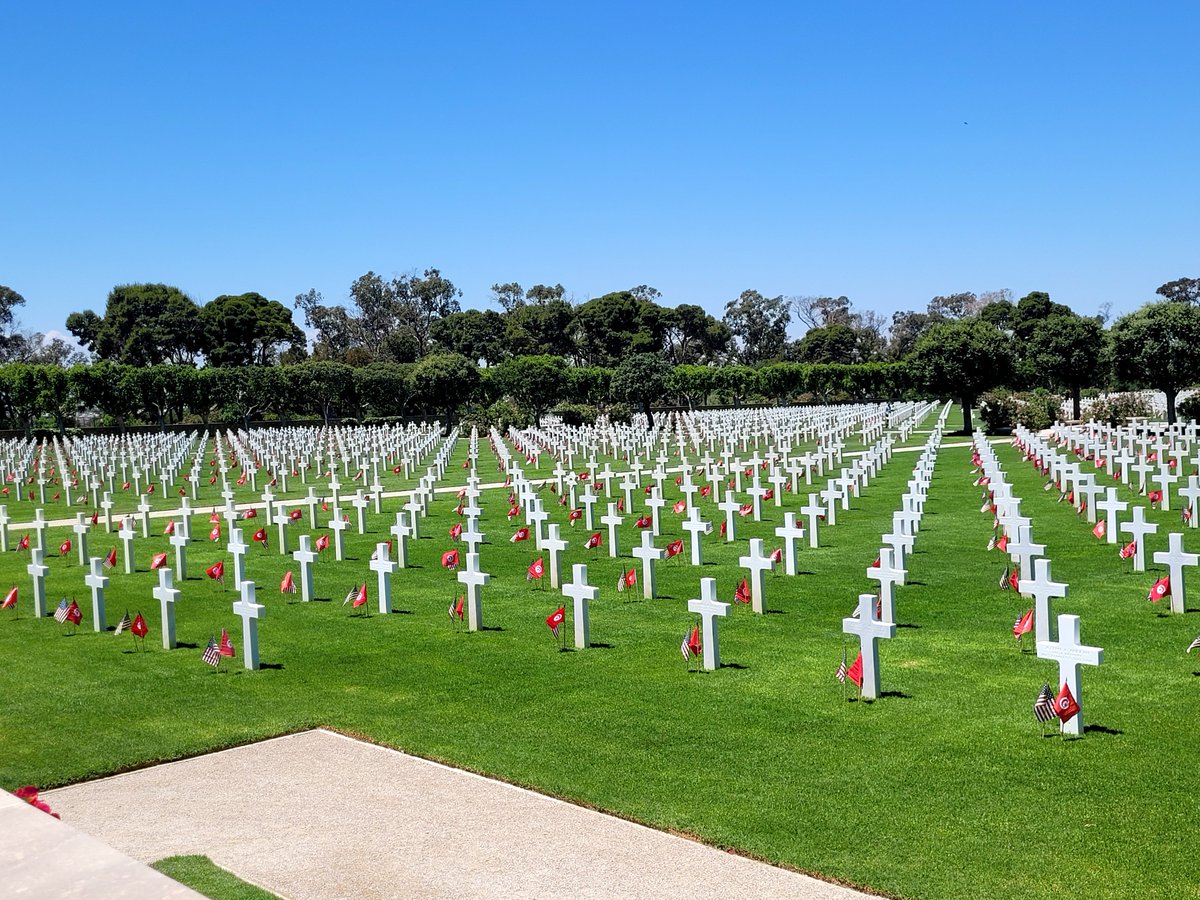
ABMC Commissioner Tucker delivered remarks at the Memorial Day Ceremony at North Africa American Cemetery and paid tribute to seven service members from the 515th Bomber Squadron, 376th Bomber Group (Heavy), U.S. Army Air Forces, memorialized on the Tablets of the Missing.
“They gave their lives, far from home, in answer to freedom’s call across the world. We are forever tied to their sacrifice and bound in common duty to remember them with gratitude,” said Tucker.
Nearly 3,000 American military dead are buried at North Africa American Cemetery, and over 3,700 Missing are memorialized by name on the Tablets of the Missing. Most of them lost their lives in military activities ranging from North Africa to the Persian Gulf.
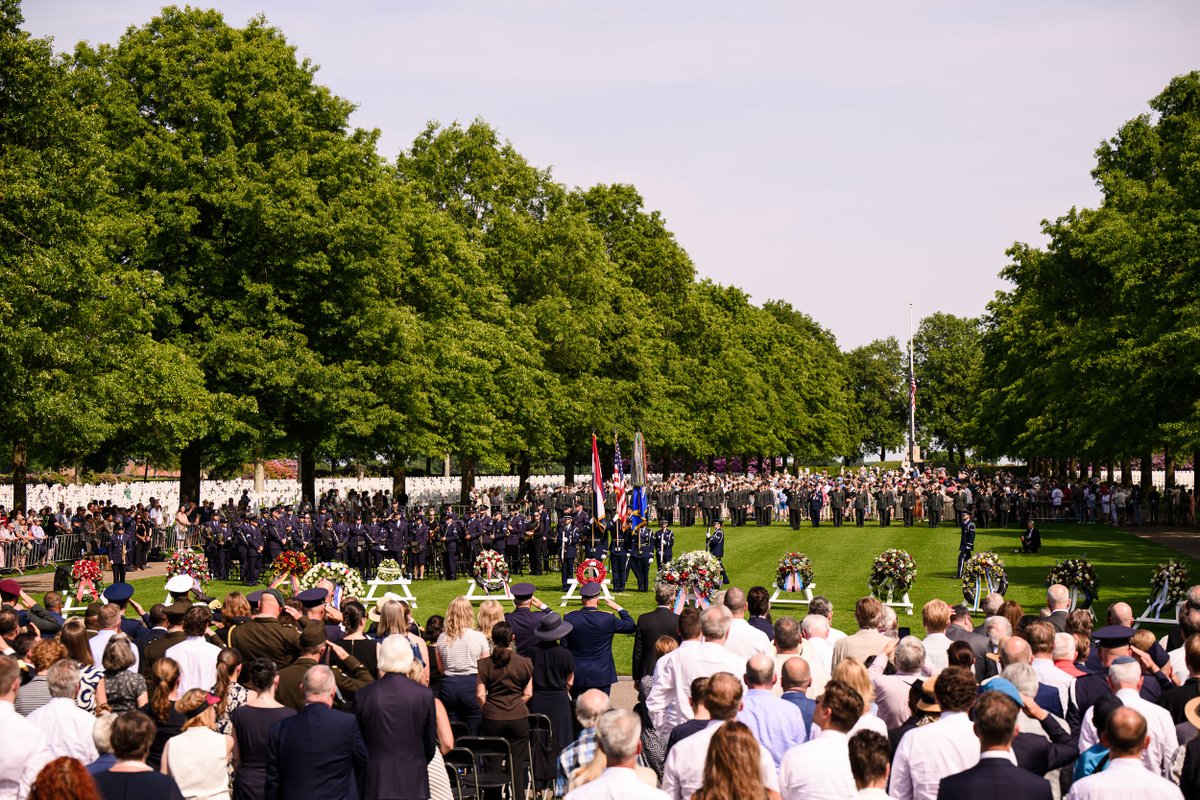
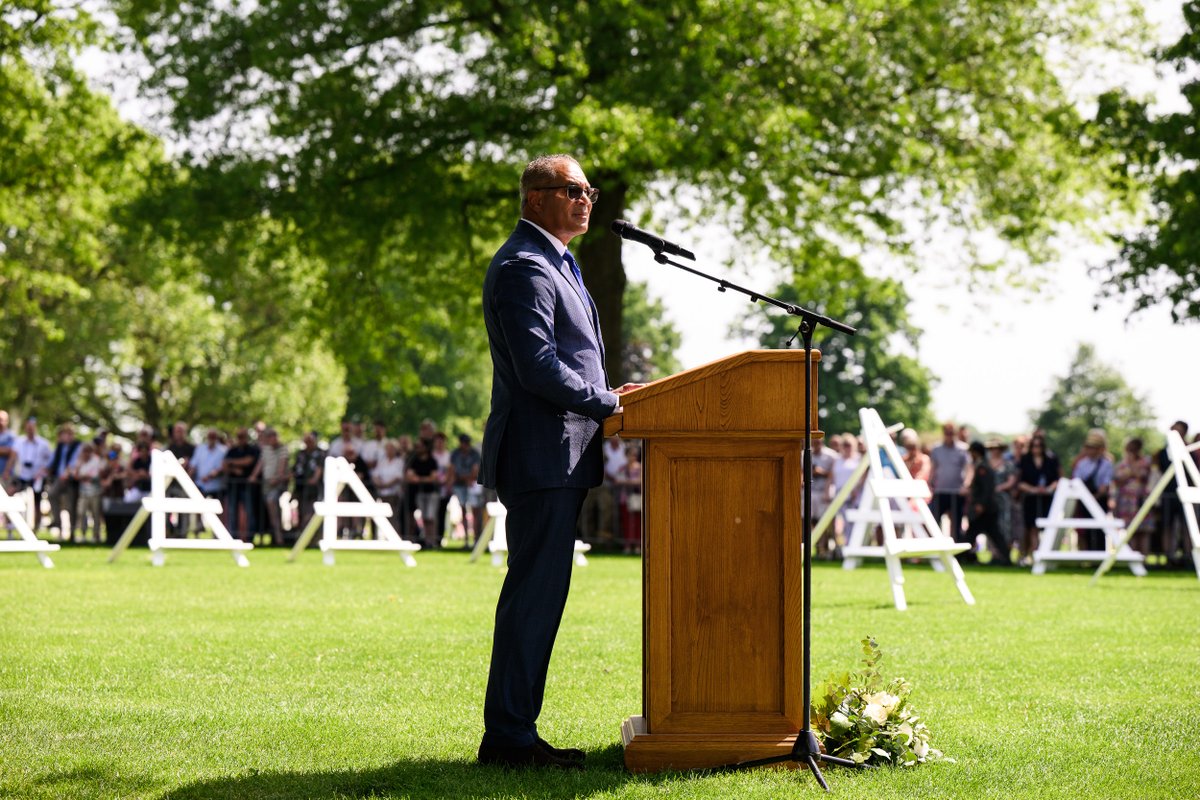
This Memorial Day, ABMC Chairman Michael X. Garrett delivered remarks at Netherlands American Cemetery, honoring more than 10,000 American service members from World War II.
“In one of the world’s greatest times of need, each one of these individuals answered a call greater than themselves. Each one carried forward the enduring ideals that would help to change the course of history,” said Garrett.
At each site, ABMC staff were joined by local dignitaries, U.S. and local military, family members of those buried at the sites, community members and others who came to pay their respects to U.S. service members who died in military conflicts.
Learn more: https://t.co/If9SsYw21H
This Memorial Day, we honor the Service members who gave their lives in service to our nation and remember the families who carry their legacy forward. Read @tapsorg 's “From Grief to Growth: Healing After a Suicide Loss Guidebook” to help navigate grief. https://t.co/rRQqLnNaLW
This Memorial Day, and always, we remember and honor the service members who made the ultimate sacrifice for our Nation’s freedom. Their courage, dedication, and sacrifice will never be forgotten.
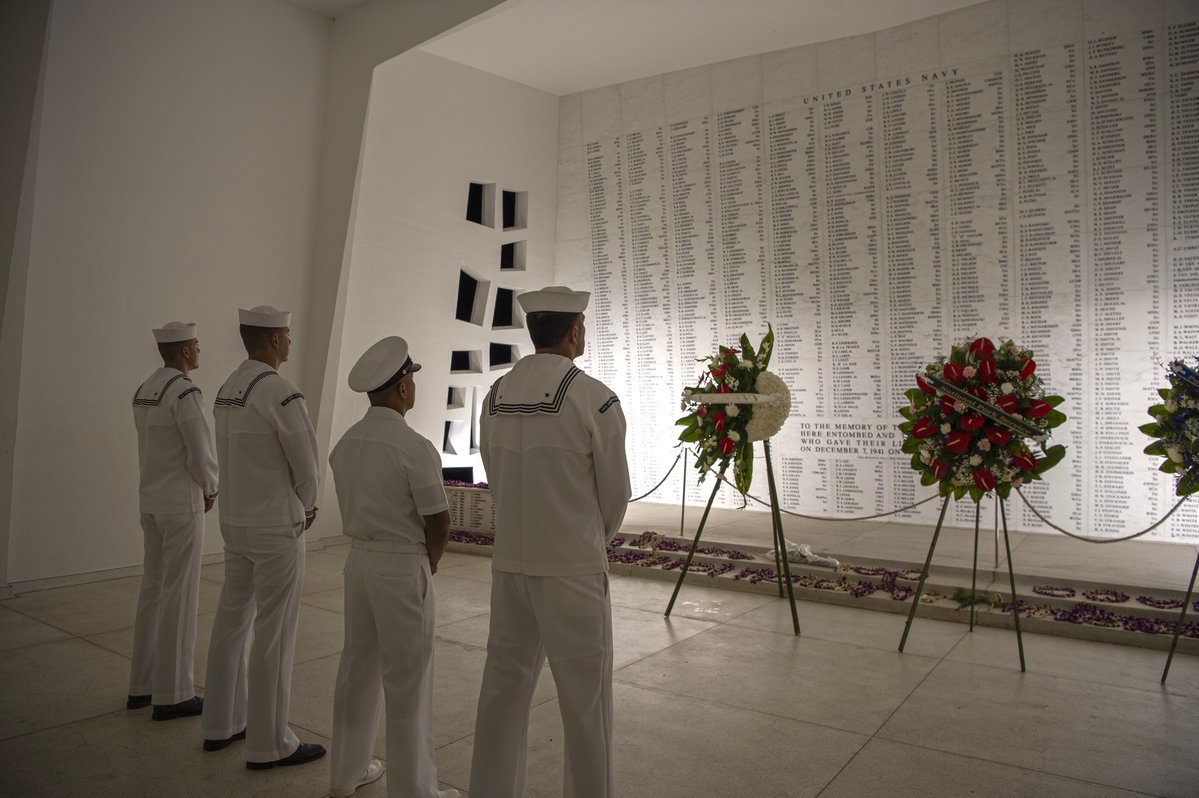
Photo of U.S. Navy Sailors at Pearl Harbor National Memorial