#OTD in 1940, the first production Martin B-26 Marauder flew for the first time.
Our B-26 “Flak-Bait” flew in over 200 missions over Europe during #WorldWarII, more than any other American aircraft. Learn more about its fascinating history: https://t.co/BgMumjtMM8
On #TDIH in 1970, the rebuilt M2-F3 made its first powered flight. It was one of multiple experimental bodies that were used to validate the concept of flying a wingless vehicle back to Earth from space and landing it like an aircraft at a predetermined site.
The Curtiss JN-4D “Jenny” is almost synonymous with American aviation in the 1920s. Its affordability, ease of operation, and versatility made it the signature airplane of the barnstorming era.
#OTD in 1918, the Smithsonian acquired the Museum's Jenny. #AirSpacePhoto
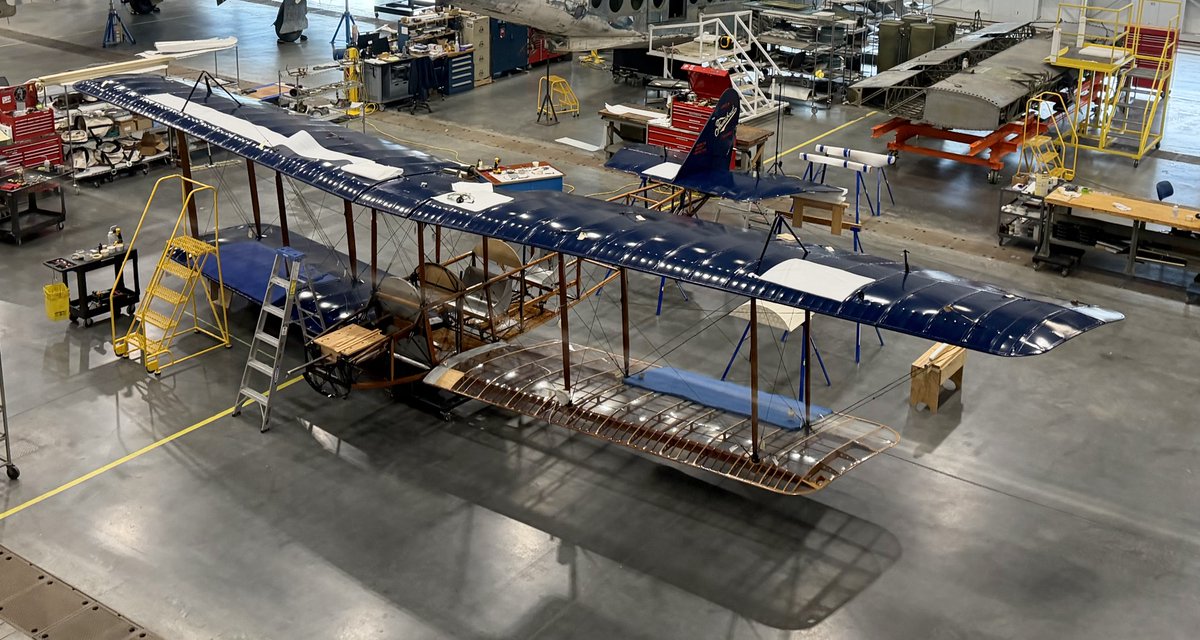
What can layers of paint reveal about an artifact's history? Learn how paint samples from the Lincoln-Standard Tourabout helped the the Museum team investigate the aircraft's appearance over time and make informed decisions about its restoration: https://t.co/sebNAi8e4s
Joseph "Woody" Cochran of the Cherokee Nation flew B-17s in the 43rd Bombardment Group in the Pacific Theater during World War II. He earned a Silver Star, Purple Heart, Distinguished Flying Cross, three Presidential Unit Citations and an Air Medal. #NativeAmericanHeritageMonth
On #TDIH in 2015, pioneering NASA mathematician Katherine Johnson received the Presidential Medal of Freedom, the United States' highest civilian honor. More on Johnson's legacy and impact: https://t.co/pNkhd90WKe
#OTD in 1969, the Apollo 12 command module “Yankee Clipper” splashed down in the Pacific Ocean, completing the second-ever crewed mission to land on the Moon. More on the mission: https://t.co/SNy5ccyc56
In November 1954, The Convair XFY-1 Pogo was flown on its first transition from vertical to horizontal flight. The airplane was too fast and had no speed brakes or spoilers to help control airspeed. More on the VTOL combat aircraft prototype: https://t.co/8J4w53VgOf
On this day in 1960, the TIROS 2 meteorological satellite launched to test infrared equipment and experimental TV techniques. There were a total of 10 satellites in the experimental TIROS series. This TIROS backup is on display in our "One World Connected" gallery. #AirSpacePhoto
Lincoln Ellsworth and Herbert Hollick-Kenyon became the first people to visit western Antarctica during their attempt to cross the continent by air in Northrop Gamma "Polar Star.” Their journey began on this day in 1935: https://t.co/HYL7jw9QEH #AirSpacePhoto
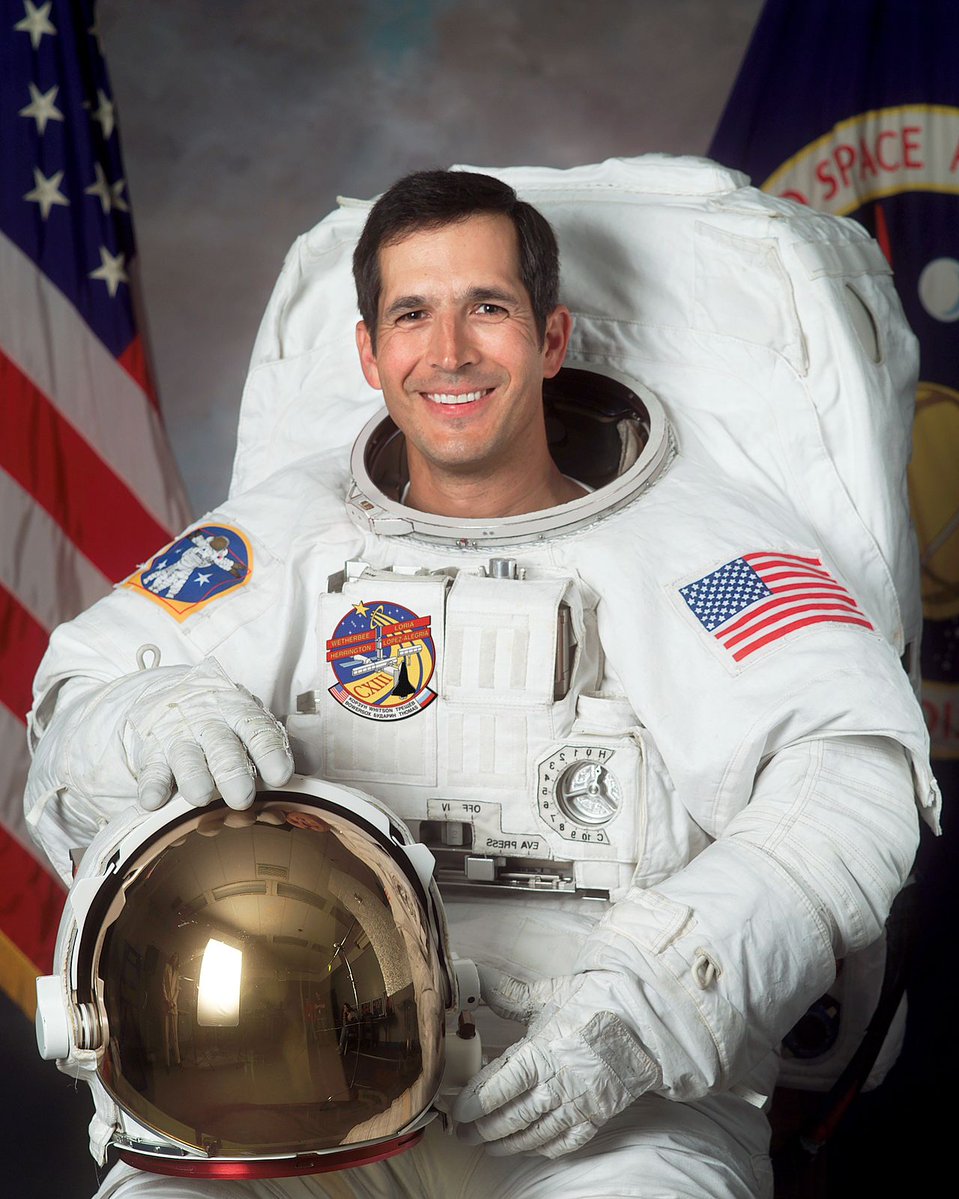
On this day in 2002, John Herrington launched on STS-113 aboard Space Shuttle Endeavour. A member of Chickasaw Nation, he was the first enrolled member of a Native American tribe to fly in space. #NativeAmericanHeritageMonth
The call for human exploration of the Moon set us on our path to Apollo and the first crewed lunar landing.
Remembering President John F. Kennedy on the anniversary of his death. Learn more: https://t.co/pzCf3rMiAX
On #TDIH in 1989, Frederick D. Gregory became the first African American shuttle commander. He was on the STS-33 mission aboard Space Shuttle Discovery.
This picture is from a later spaceflight (STS-44, which he also commanded)
Happy birthday to Guy Bluford!
Born today in 1942, Bluford became the first African American in space on STS-8. He holds a doctorate in aerospace engineering and flew F-4C fighters for the Air Force in Vietnam.
More about Bluford: https://t.co/Rmxo0tvcN1
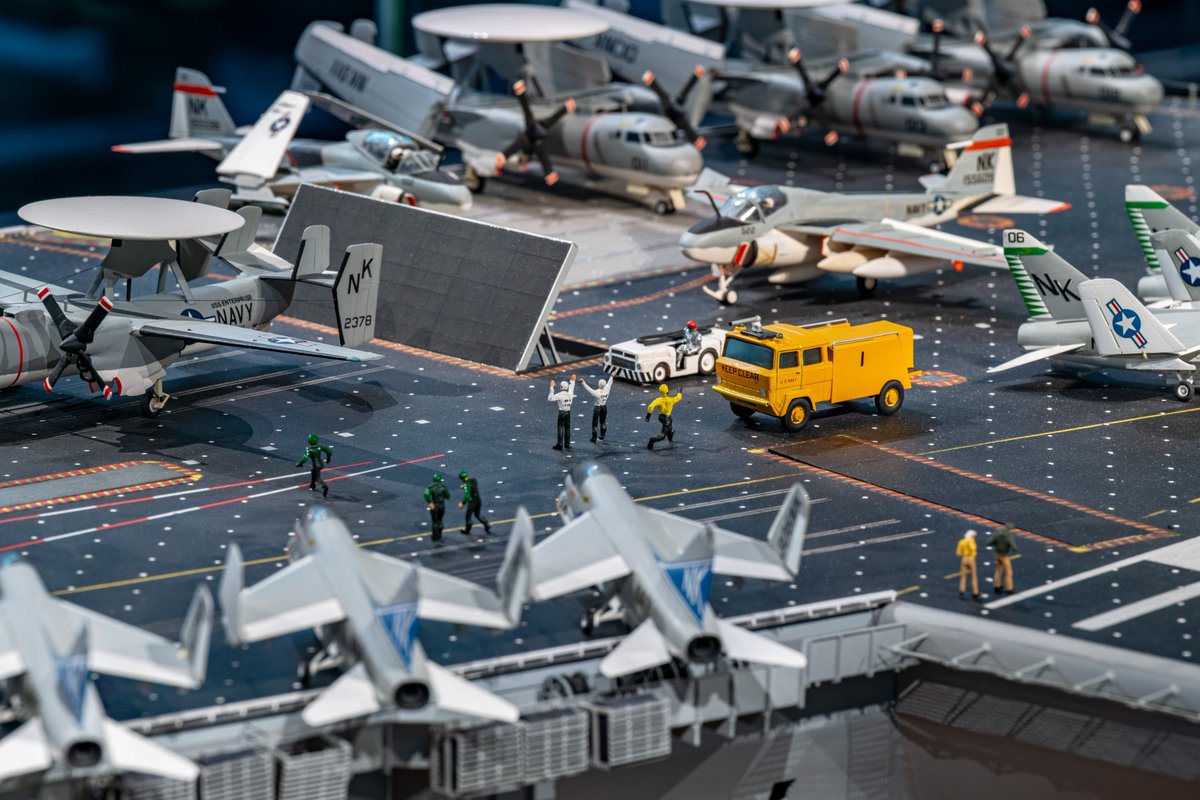
Built over 12 years and requiring 12,000+ hours of work, this 1:100 scale USS Enterprise (CVN-65) model features 83 miniature aircraft. The real carrier served from 1961–2012. Donated by Stephen Henninger, it is now on display in our new “Modern Military Aviation” gallery.
Episode three of "At Home in Space: From Concept to Display" takes a look at developing the gallery's interactive exhibits, digital media, and immersive environments.
In this exclusive video series, we're taking you behind the scenes of how our new gallery came to be: https://t.co/hW7C71Av1v
On #TDIH in 1783, the first human beings to take to the air in free flight did so aboard a Montgolfier balloon from the garden of the Chateau de la Muette.
The F-86F Sabre was a dominant U.S. air-to-air fighter during the Korean War, known for engaging Soviet-built MiG-15s in dogfights over MiG Alley. See the aircraft in its 334th Fighting Eagles Squadron markings in the new “Modern Military Aviation” gallery.
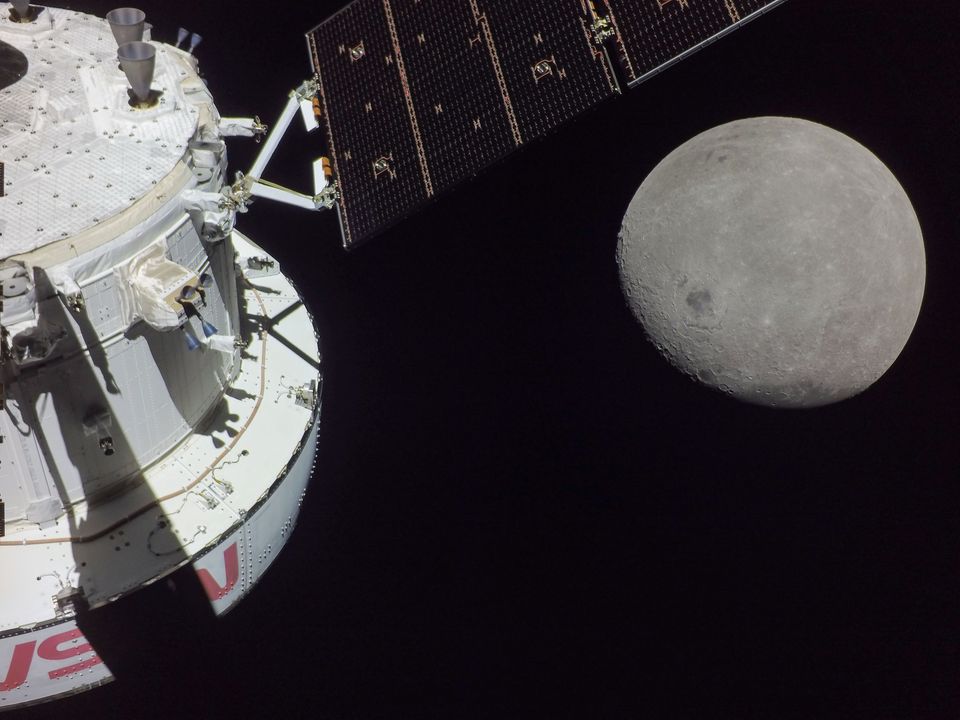
#OTD in 2022, the Artemis I Orion spacecraft performed its first powered lunar flyby, making its closest lunar approach about 81 miles above the lunar surface. This photo of the far side of the Moon was taken from a camera on one of Orion's solar arrays as it approached.
Edwin Hubble was born on this day in 1889. His career changed the way we view the universe and our place in it and the Hubble Space Telescope is named in his honor. More on the "man that discovered the universe": https://t.co/I54wsfWZNA