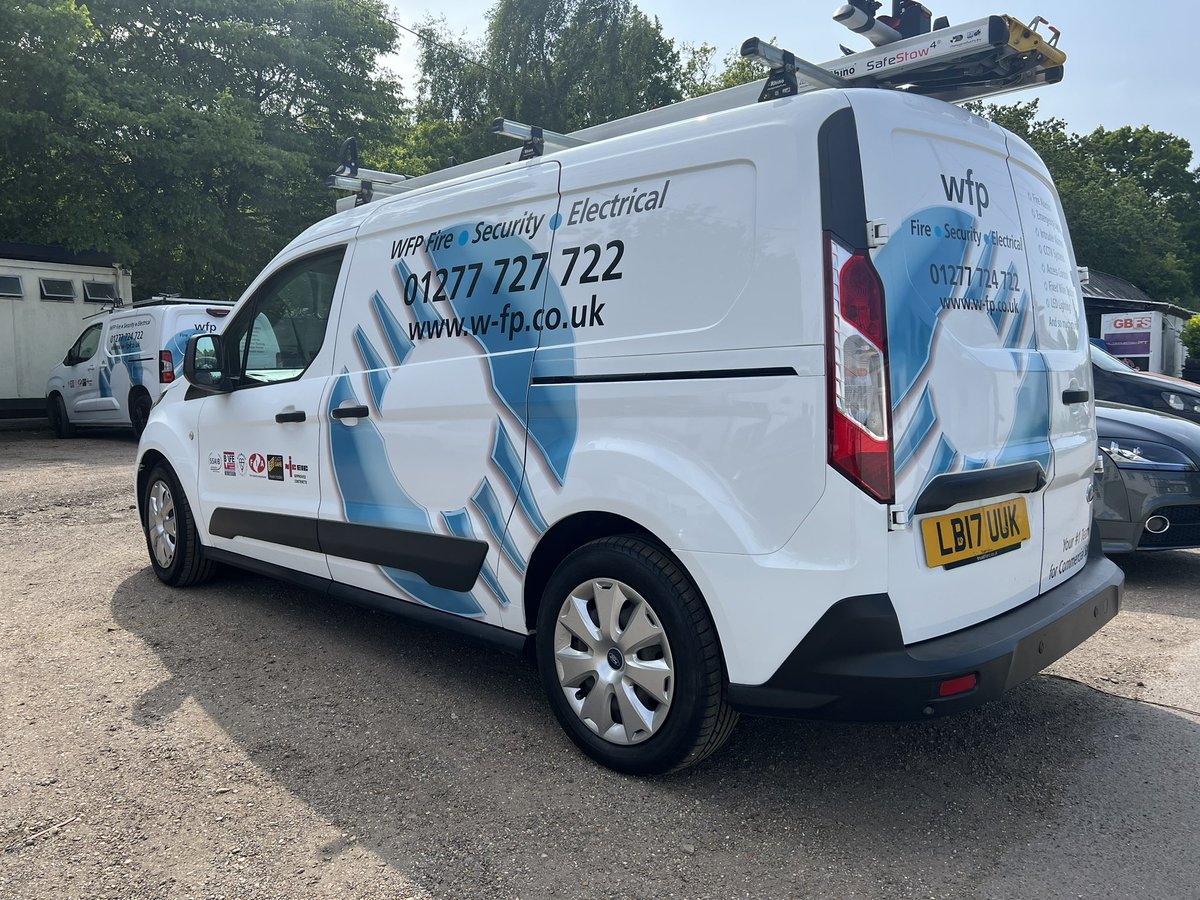
Monopolising convenient parking spaces since 2012. Other than that, staying fit and healthy to be there for my wife, family and businesses. #fireandsecurity
It’s official – Electrical Solutions UK is now part of the WFP Group, and we can’t wait for what the future holds!
We’re looking forward to continuing Stuart and Barbara’s legacy as we work with existing Electrical Solutions customers...
https://t.co/N0faALu9vm
@jonnyweldon@netflix Great show, when I spotted you I said to my wife, “it’s him”, I know him off twitter, brilliant bloke, great actor and funny… You play it very well fine sir, great job!
I just entered @AutoTrader_UK’s monthly️ #ElectricCarGiveaway & you can too! This month’s prize is a Peugeot e-208 ! It’s free to enter & you have until 31st July. All information (including Ts&Cs) can be found here: https://t.co/Mbuq9hrFoV
Having read Rowan Atkinson’s article and its “fact check counter” in the Guardian attacking and supporting electric vehicles, I came away feeling particularly bemused by the EV lobby's hatred of alternative forms of propulsion and visa-versa - and I say so as someone who has been dubbed by the media as the ‘Godfather of Electric Cars’.
No solution is perfect and all solutions have side effects. After all, each technology is at a different stage of maturity. When I started development of the Nissan LEAF, arguably the world's first mass EV, the vast majority of public commentary was negative. With that in mind, let us remember that ‘green legislation’ is trying to solve the blight of Co2 emissions and not particulates; the more critical of which are now brake and tyre dust.
It is an inescapable truth that EV’s produce Co2 in their manufacturing. The only reliable reference data we have is the Volvo analysis that suggests an EV produces about 70% more than an equivalent ICE. The Co2 use in running an EV depends on the source of charging electricity, but is cleaner than running an ICE. Over life, an EV’s total footprint will be less than that of a conventional ICE.
But there are alternatives, notably and importantly, now validated by the EU in their interpretation of “zero carbon”. Today there are three major alternatives:
1) Fuel Cell
2) Combustion of hydrogen
3) Combustion of synthetic fuels or E-fuels
Each have advantages and disadvantages; all are an improvement over current state.
Combustion of hydrogen or hot hydrogen is interesting for, heavy goods vehicles, as an example. It uses about 80% carry-over ICE parts and the resultant tail pipe emission is water. The advantage verses EV is lower manufacturing Co2 and virtually no Co2 in operation. The disadvantage is the sourcing and cost of green hydrogen and a small amount of NoX produced.
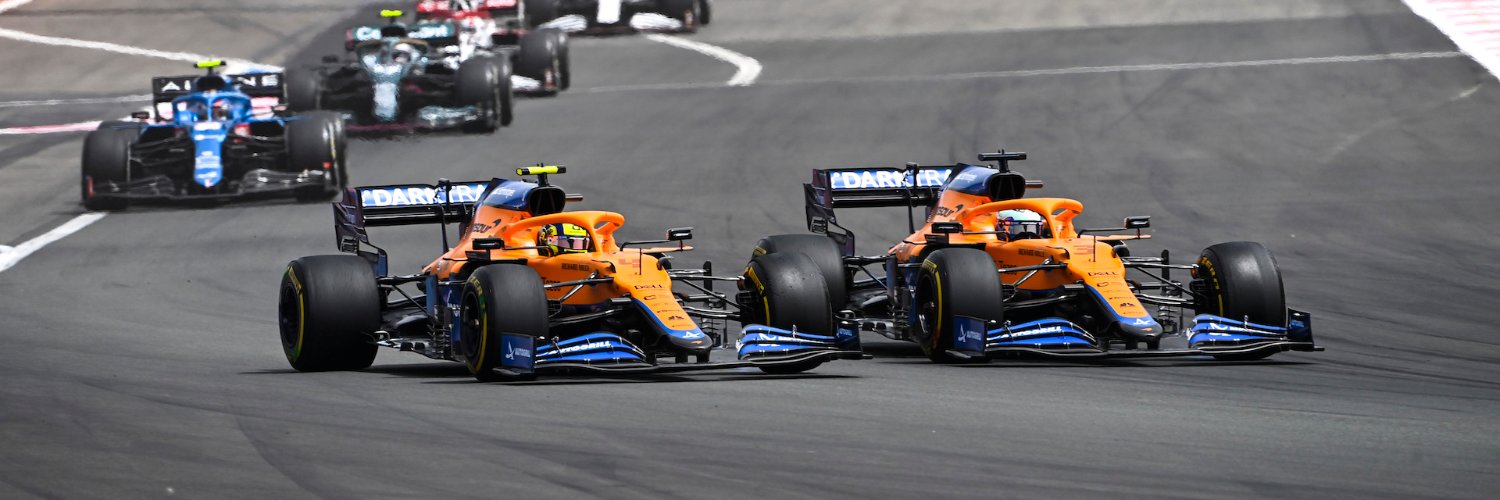
Combustion of synthetic fuel will become better understood from 2026 as it powers F1. Synthetic fuel takes Co2 from the atmosphere, converts it to gasoline and then burns it in a combustion process - resulting in net zero carbon use. The disadvantage is the maturity and sustainability of the fuels' manufacturing process and the fact that you have tail-pipe emissions, albeit at the level of Euro7.
The EV haters, hydrogen haters, e-fuel haters need to acknowledge that no one solution is the final solution. When government pick winners they always fail. Best solutions come from running and allowing many solutions; allowing them to compete and letting the end consumer pick the winner or winners. Darwinism, if you will.
What I’d like to make clear is that any significant improvement in Co2 consumption is a good improvement. We do not have the technology to produce totally net zero carbon cars today or in the foreseeable future, but we can see ways of significantly reducing the carbon consumption in multiple technologies. Rather than dismissing one technology verses another, I advocate “the engineer's” approach of acknowledging the imperfection of every solution and continuing the improvement/ kaizen of each over time.
There are more alternative solutions ahead of us, that are unknown today; that is the nature of engineering. Let’s not dismiss any of the alternatives which accelerate the journey to net zero carbon travel.
When #selling or #renting a property with an #automatedgate, careful consideration is needed when sharing information and #agents need to make sure they know the full facts.
Discover the risks, legislation, maintenance and legal responsibilities 👉https://t.co/k5n9lrrb65