Do we need a Department of Government Efficiency?
Probably not. But we do need a complete bottom up reinvention of many of our institutions.
Latest post.
https://t.co/GnZfp0MJ7j
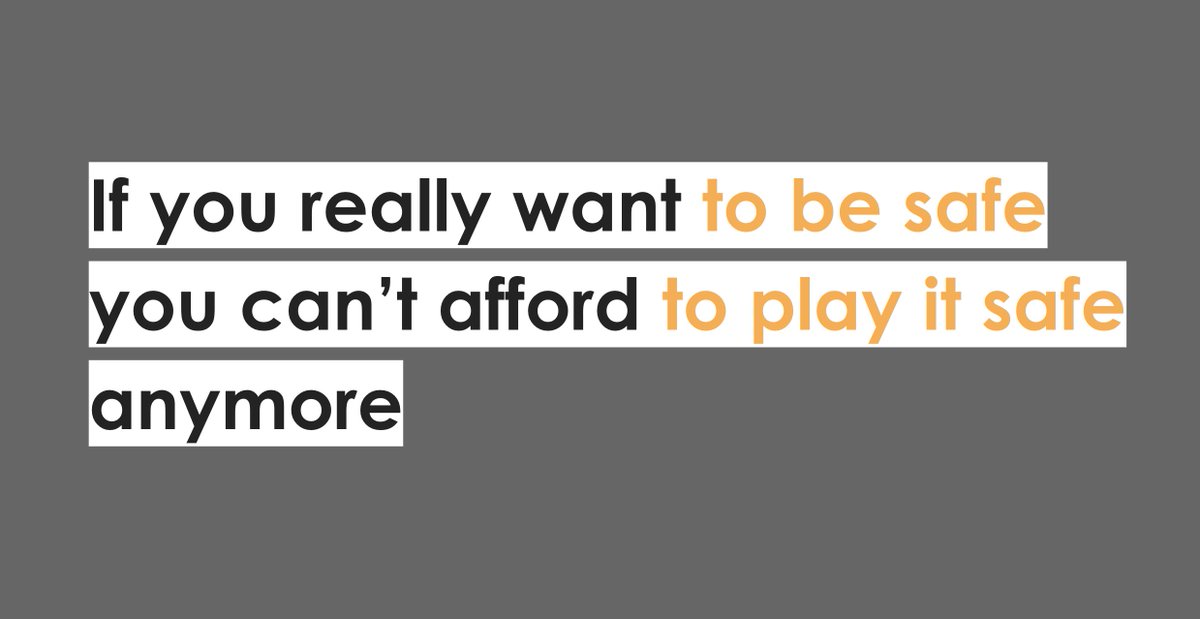
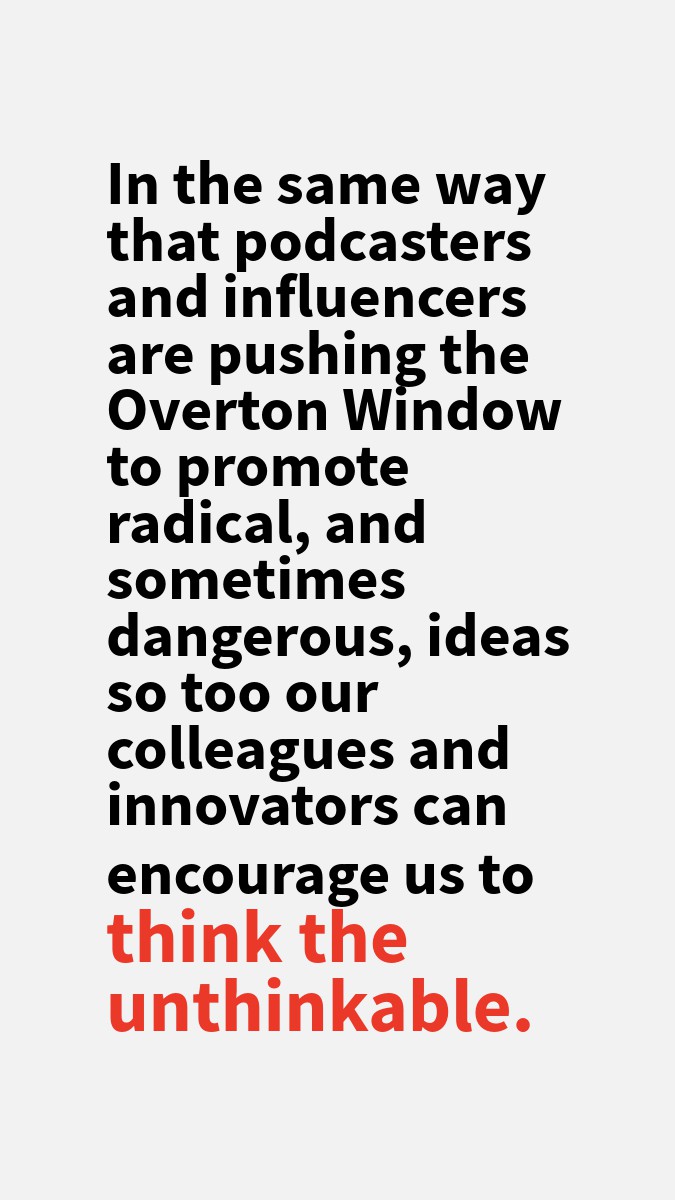
Innovators generally have two choices: play it safe with incremental innovation inside the current Overton Window, or intentionally step outside the window to force radical innovation.
Read more 👉 https://t.co/wgsTJ7BHj4
New Post:
When leaders are constantly pressed by targets and lagging indicators (such as quarterly income, complaints or past safety incidents), their cognitive bandwidth for long-term strategic scanning is depleted.
Read more 👉 https://t.co/PuF32AyafQ
Reducing a complex institution to a single, easily digestible number is a task fraught with statistical and ethical challenges.
Read more 👉 https://t.co/V6oUMa7JPE
Long term thinking is compromised as our attention is crowded by short term issues (e.g social media bans)
Human attention is finite and needs active management
New post https://t.co/4PSyds9p0f
BBC: “What was your screen time?”
Student: “Nine hours.”
BBC: “You’re gong to have a lot more time to fill. What will you do?”
Student: “Stare at a wall.”
This means:
Significant microprocessor and lithium ion battery production in the UK
A lot more engineers (we’d need to scrap student fees I suspect)
Re-industrialisation
Much greater energy & food sovereignty
All completely incompatible with model of last 45 years.
This is, perversely, good news for Britain, Australia, Japan, Europe, and other countries being cut off that would once have seen themselves as close allies of the United States.
It shows us what the future may hold if AI is the strategically and economically decisive technology of the 21st century and is controlled by the US and China. It is good news because *it may be happening early enough to give us time to act.*
I think this will be rescinded pretty soon, but it’s a sign of things to come. In a future where frontier models cannot be used outside the US, our industries and economies will fall behind and American businesses may not be able to operate overseas. We won’t be able to defend ourselves militarily with defence systems built on obsolete software. Europe 2031 is a good scenario of what a future like this could mean: https://t.co/AMc5LrFJeS
Some of the things we need to do are ‘no regrets’ measures we should do anyway. But some are genuinely costly and risky.
We need cheap electricity – powered by gas, coal (this is costly, coal is very bad), deregulated nuclear fission – whatever can provide *cheap, reliable, 24/7* power. This almost certainly excludes wind power, which is enormously expensive and unreliable. We need projects to be able to connect to the grid in days rather than years by paying for fast-track connections.
We need to make it incredibly easy to build data centres, with the property taxes retained locally and hypothecated for local tax cuts so there is some direct benefit for locals. This doesn’t need to be nationwide.
We need to create new regulatory regimes for innovative businesses that give them the right to hire and fire staff with ease. The difficulty and cost of firing staff is one of the main reasons Europe has fallen behind so badly. We need to create a parallel employment regime that companies and workers can opt in to: https://t.co/YaNOXK1Po2
Even though I think it will probably fail, I think we should probably try to create a good, non-American frontier AI lab. I am quite pessimistic about this – even extremely well-resourced, innovative software companies are struggling to do this. But the stakes are so high that not trying seems foolish.
One thing that might work in our favour is the number of brilliant AI engineers who are not US citizens, who under the current export controls do not have access to Mythos/Fable even if they live and work in the US. What happens to Demis Hassabis, Ilya Sutskever, Andrej Karpathy, and the many other Europeans, Canadians, etc who are working on AI models in Britain and America who are affected by this?
I do not think we should force our own companies to use model, because this would exacerbate their economic weakness – this lab should have to compete on an even playing field. I am deeply sceptical that this can work, but we cannot rule it out. If we do it, it has to be able to pay US salaries, operate without political constraints. https://t.co/Um05rUF4Vq
It is cope to tell yourself that Trump is an aberration or that these export controls are a one-off. To repeat, I think these specific controls will be lifted quickly and it will be easy to move on and forget it happened. But this is a look into a potential future. Every one of us that is not a US citizen is at risk. The standard political divides do not apply here; the question is whether you grasp the enormity of AI as a technology. We have to act!
Don't bring disruption; bring solutions to specific pain points.
Read the full article: How To Build A Bridge To A ‘Rogue Silo’ Team
▸ https://t.co/lC0L1rUbhA
Working in semi-secrecy and with immense autonomy, Skunk Works operated with a small, hand-picked team, minimal paperwork, and a direct line to leadership.
Read more 👉 https://t.co/d7mP0BJZh0
The tomatoes Scott McTominay experienced in the UK weren't mediocre by accident; they were bad by design.
Read the full article: The Watery Tomato: Why Most Innovative Practice Doesn’t Scale
▸ https://t.co/Tl2QJfVQlp
When the state or institution ignores metis, it creates systems that might look beautifully logical on a spreadsheet, but can fail disastrously in practice.
Read the full article: The Paradox of Standardisation
▸ https://t.co/hVYbhpCEkH
Whilst there is nothing wrong with looking to the private sector for inspiration, the problem arose when this became blind imitation.
Read more 👉 https://t.co/GHvYvtg4I8
Radical Back Office Reform: The back office must be stripped of its control functions and repurposed as a service provider to the (place-based) teams.
Read more 👉 https://t.co/aPPXKiNfIQ
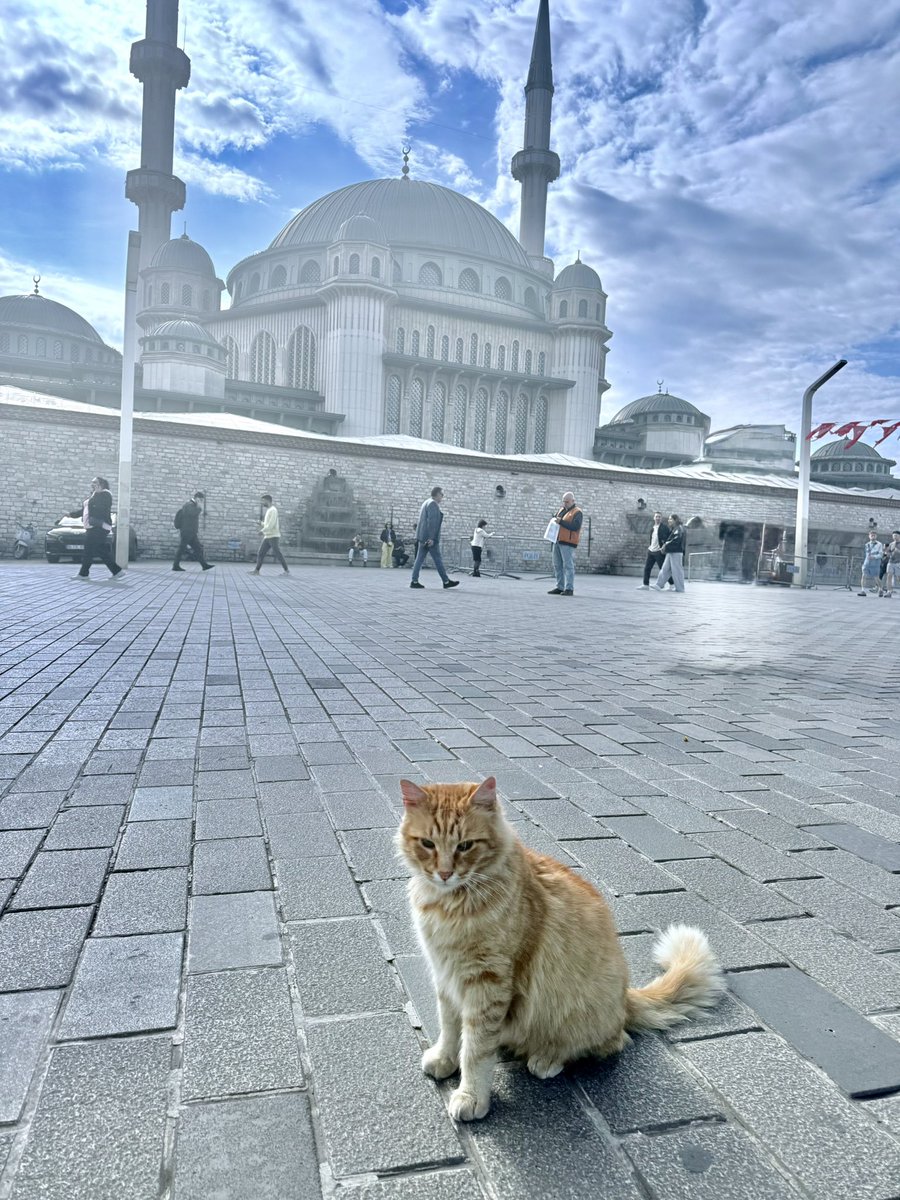
The past few days in #Istanbul have been a blast - and also restored my faith in humanity.
An unbelievable #avfc experience in a city where we've not only been welcomed but embraced.
Also: cats are idolised to the point they build statues to the little fuckers