@dexrp_io@DappRadar Because this token claims to be from XRP but was created on the BSC network, something is very strange. We were deceived; investors need to file a complaint for financial fraud.
@DeXRPOfficgd I've already contacted you, but you're just shameless scammers. You deceived those who believed in the project. Those who bought in the pre-sale are suffering huge losses. You cheated the investors.
Respeitamos a @Uniswap, mas escolhemos a @Ethervista porque pensamos além da simples listagem.
Infraestrutura inteligente, eficiência e visão de longo prazo.
Estamos construindo algo maior.
Grandes coisas estão por vir. #BullRun#ETH $Vista #BullMarket
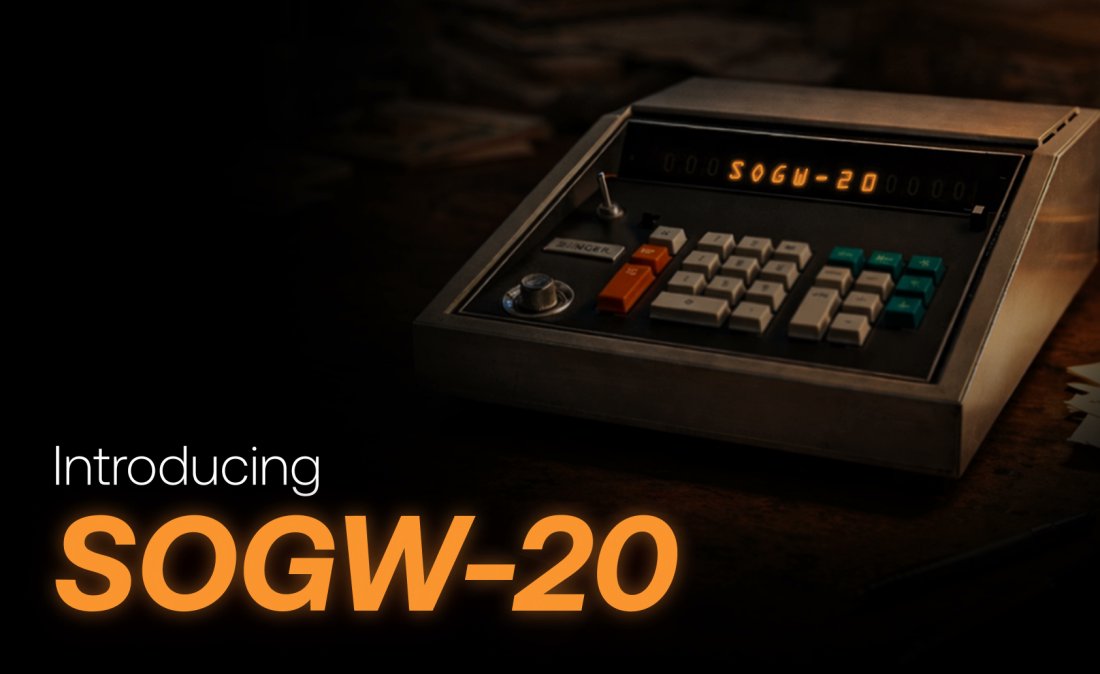
Standard 2/3 SOGW-20, Stake Or Get Wrecked.
⚡️ Today we’re introducing a new Euler-native token standard coming to the Euler Foundry:
Most tokens have a weak incentive loop: markets generate volatility, but long-term participants capture no systematic cashflow from that volatility. SOGW-20 makes cashflow the default outcome of volume and assigns it to stakers.
Here is the mechanism, stated precisely:
When a user buys, the swap executes and tokens are received. The output is split: ~50% to the buyer, ~50% to stakers (distributed in proportion to stake). Buys therefore create a continuous token stream to stakers.
When a user sells, the swap executes and ETH is received. The ETH output is split: ~50% to the seller, ~50% to stakers (distributed in proportion to stake). Sells therefore create a continuous ETH stream to stakers.
This creates a very strong advantage for staking: if you do not stake, every round-trip trade pays a large, systematic toll into the staking pool. If you do stake, you own a share of that toll. Over time, market churn transfers value from short-horizon traders to long-horizon stakers.
Edge cases make the dynamics obvious:
- If the market becomes sell-heavy, the system routes large ETH rewards to stakers. Downside volatility becomes ETH yield for the committed base.
- If the market becomes buy-heavy, the system routes large token rewards to stakers. Upward momentum becomes token accumulation for the committed base.
In other words: stakers win in both directions. The more trading intensity, whether fear or euphoria, the more the system redistributes value from traders to stakers.
This kind of redistribution machine is practical because the Euler model enables continuous, stake-weighted reward accounting without per-user loops or manual distributions.
And crucially: there’s no way to “skip the toll.” Buys and sells are properly gated, the main market route is enforced at the token level, so trades must pass through the SOGW flow where the split is applied.
SOGW-20 will be deployable directly from the Euler Foundry with parameterized launch settings, no custom code required.
ETA: Everything is finalized on our side. Over the next few days we’ll run final tests so everything behaves exactly as intended when the new Ethervista app goes live, along with a large, unannounced surprise for the @Ethereum community we’re not revealing yet.
We’re targeting a launch around January 10. @Cloudflare is currently reviewing the issue on their end, and we expect it to be resolved in time for that date.