Josh Shapiro: "In America, we do not kill people in cold blood to resolve policy differences or express a viewpoint ... I have no tolerance, nor should anyone, for one man using an illegal ghost gun to murder someone because he thinks his opinion matters most ... he is no hero."
Something a lot of women ask me about is what signs there are of testosterone deficiency. Current UK NHS guidelines recommend testosterone if you have severely reduced libido or hypoactive sexual desire disorder, but in my clinical experience (any many others too), women can also experience other symptoms as a result of their falling testosterone levels. Some of these include dysphoric mood (anxiety, irritability, depression), lack of wellbeing, physical fatigue, bone loss, muscle loss, changes in cognition, memory loss, insomnia, hot flashes, joint pains and urinary complaints including incontinence.
If you are experiencing any of these symptoms despite taking HRT, then it may be worth exploring if testosterone would be beneficial for you. It is really important that you speak to a menopause specialist who has experience in testosterone prescribing about this though so your symptoms can be assessed properly.
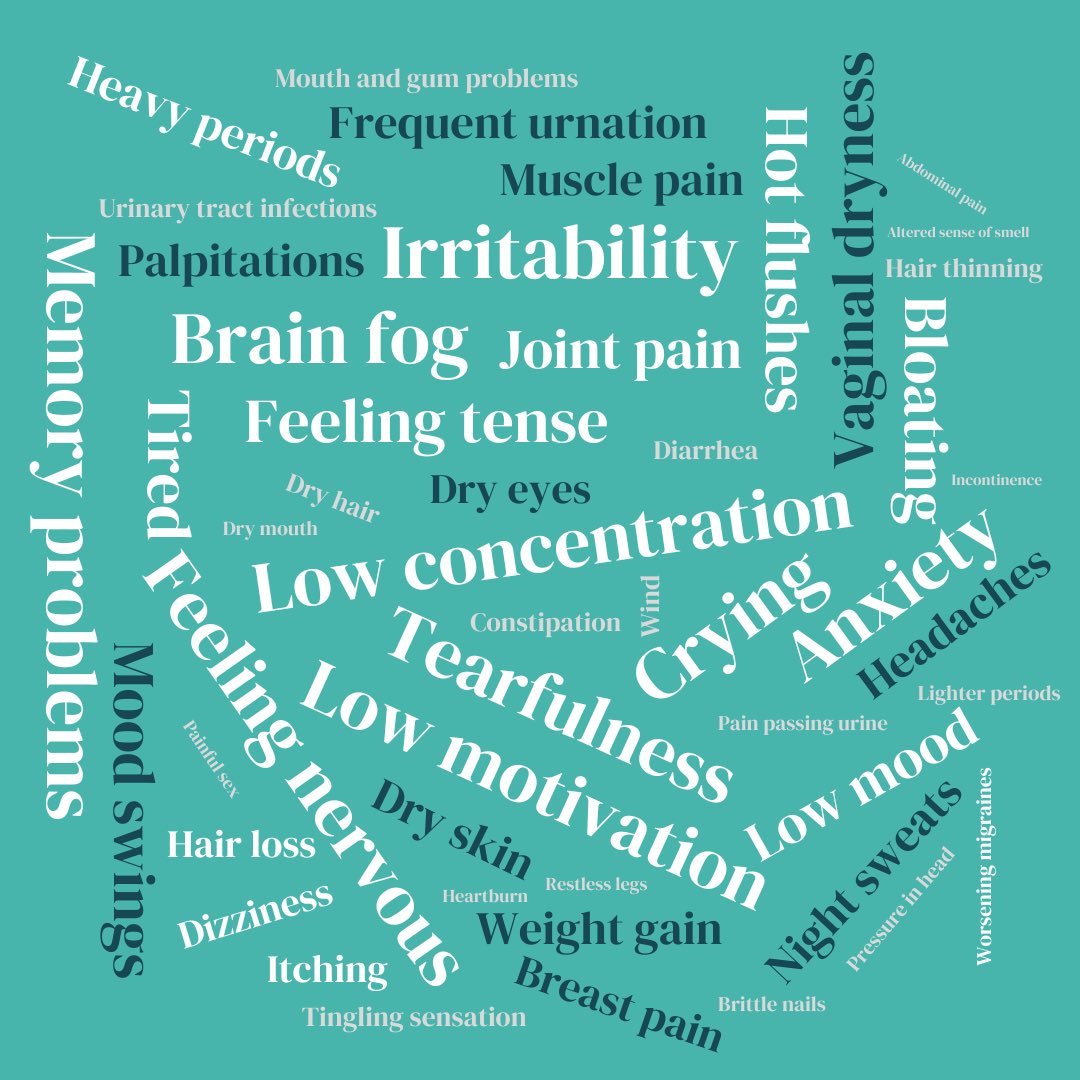
I have generated a word cloud of menopause symptoms based on a large survey of nearly 6,000 women we did recently - the larger words are the more common symptoms.
Notice how many of the most common symptoms are related to the brain!
270 clinicians globally (including me) have signed this.
“We will continue to prioritize patient empowerment, based on up-to-date science and further work to elevate standards of care for women entering the menopause. They deserve nothing less.”
https://t.co/wF8E7dvbB1
Dr. Judith Joseph, a board certified Psychiatrist at the forefront of research in anxiety, depression, and mental health joins Stacy London to talk about what happens to women's mental and emotional health during menopause.
https://t.co/0i9YJkMpQ7
Great response by @Stanford to the recent Lancet articles about menopause - these quotes are especially relevant:
“Menopause is repeatedly referred to as “overmedicalized” when in reality, the vast majority of women are left to navigate their perimenopausal and menopausal years with no medical guidance whatsoever. Women struggle to find providers who can partner with them to assess and treat their symptoms and accurately individualize treatment risks and benefits to maximize their long-term health.
Menopause has for too long gone underrecognized, underemphasized, under researched, undertreated, and undertaught, to the detriment of the women we serve.”
https://t.co/RP7PCmCIQ5
@drlouisenewson AND 1/2 of women ( FIFTY %) on SSRI/ antidepressants have anorgasmia/ aquires female orgasmic dysfunction!!! We are missing out on ALOT of orgasms!!
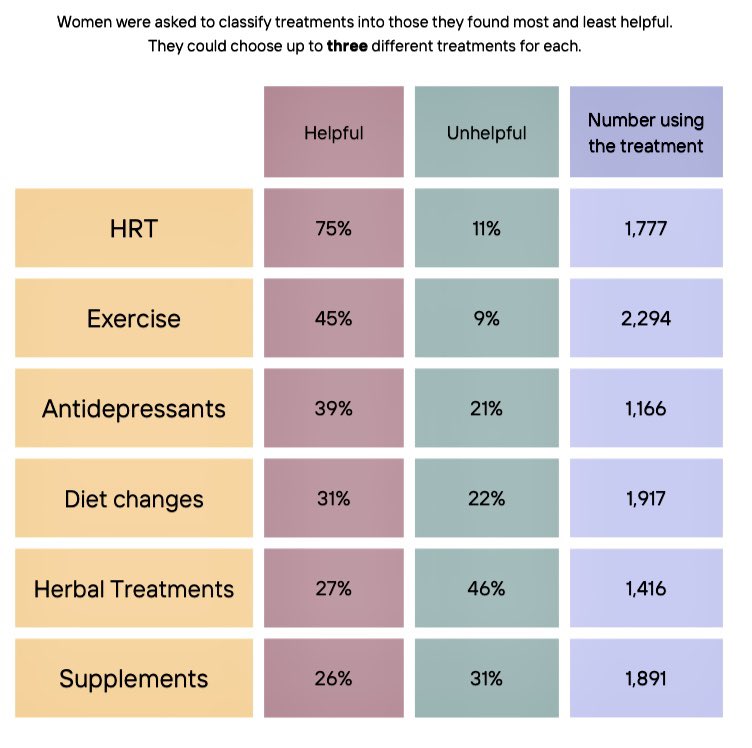
75% of women found HRT helpful, but 46% found herbal treatments unhelpful in menopause, and exercise is a top choice for everyone. Great data in a new Australian survey of 5,000 women from Menodoctor here: https://t.co/y5DjMrKDU8
Peri menopausal/ menopausal orgasmic dysfunction.
WHEN ASKED, my patients report the inability to achieve, a “muted” or “it takes longer” orgasm
#2 on the list of MOST common peri menopausal symptoms!
Let’s talk about it!
#menopause
Dr. Lauren Streicher discusses postmenopause orgasmic dysfunction as the second most common sexual complaint for postmenopausal women and how understanding the neurological science is important to helping patients. Access the presentation OnDemand: https://t.co/vFRR2Bme7o