“Cercano está el momento en que veremos si el pueblo manda, si el pueblo ordena, si el pueblo es pueblo y no una multitud anónima de siervos”
Jorge Eliecer Gaitán
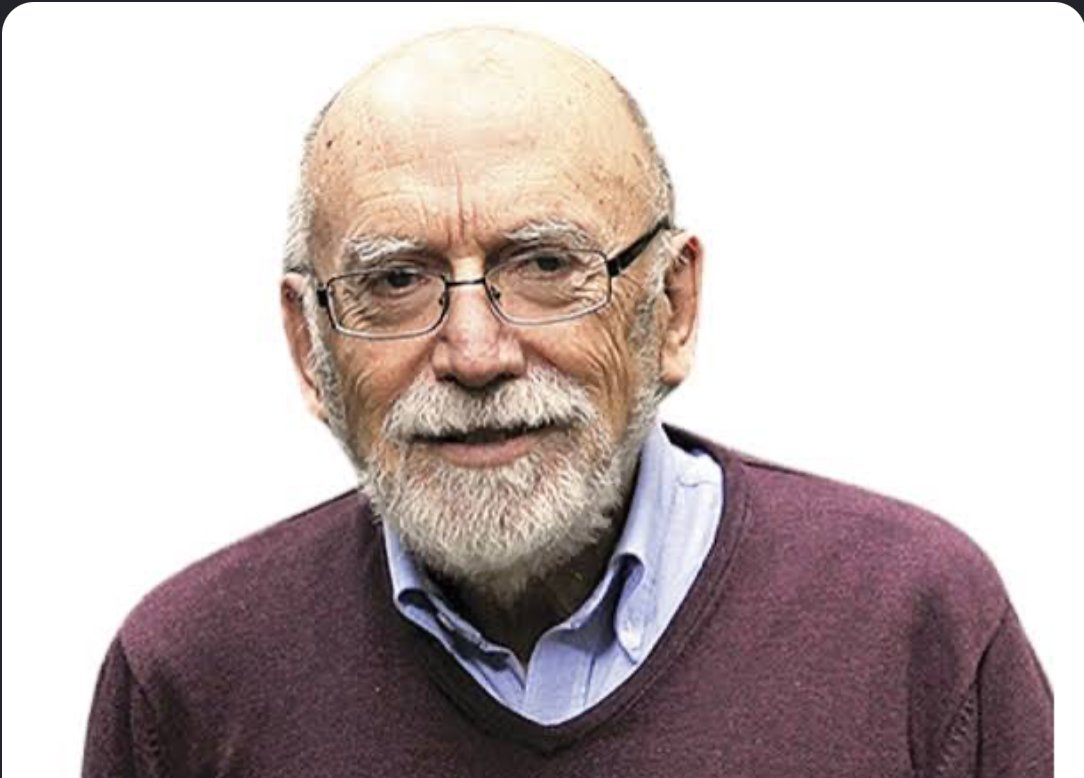
Esta mañana murió el maestro Julio Carrizosa Umaña, uno de los grandes pioneros del ambientalismo colombiano. Tenía 92 años
Ayudó a crear 17 parques nacionales, el Código de Recursos Naturales de 1974 y fue director del Instituto Geográfico Agustín Codazzi
Paz en su tumba
“Vamos a enterrar a Carlos pacíficamente. Nadie tiene más dolor y más ira que nosotros los del M-19, pero tenemos que ser capaces de conducirla y manejarla”. Una lección de liderazgo democrático de Antonio Navarro que deberían oír los dirigentes y los ciudadanos cuyas decisiones y conductas solo se guían por el odio y la ira.
El reconocimiento de @cifrasyconcepto en su Panel de Opinión para @AnaBejaranoRG en top 3 de columnistas del país , @anacrisrestrepo número 1 en Antioquia y @Laura_Ardila_A de las más leídas en la Costa Caribe; me llena de alegría como su lector permanente.
Tres mujeres a las que ningún ataque amilana.
Le ruego a la @UNPColombia reforzar las medidas de protección del periodista Manolesco @jhonjacome en Cúcuta. En una investigación que adelanto encontré que este reportero pueda estar en la mira de quienes ya mataron a Cristian Herrera. Mil gracias
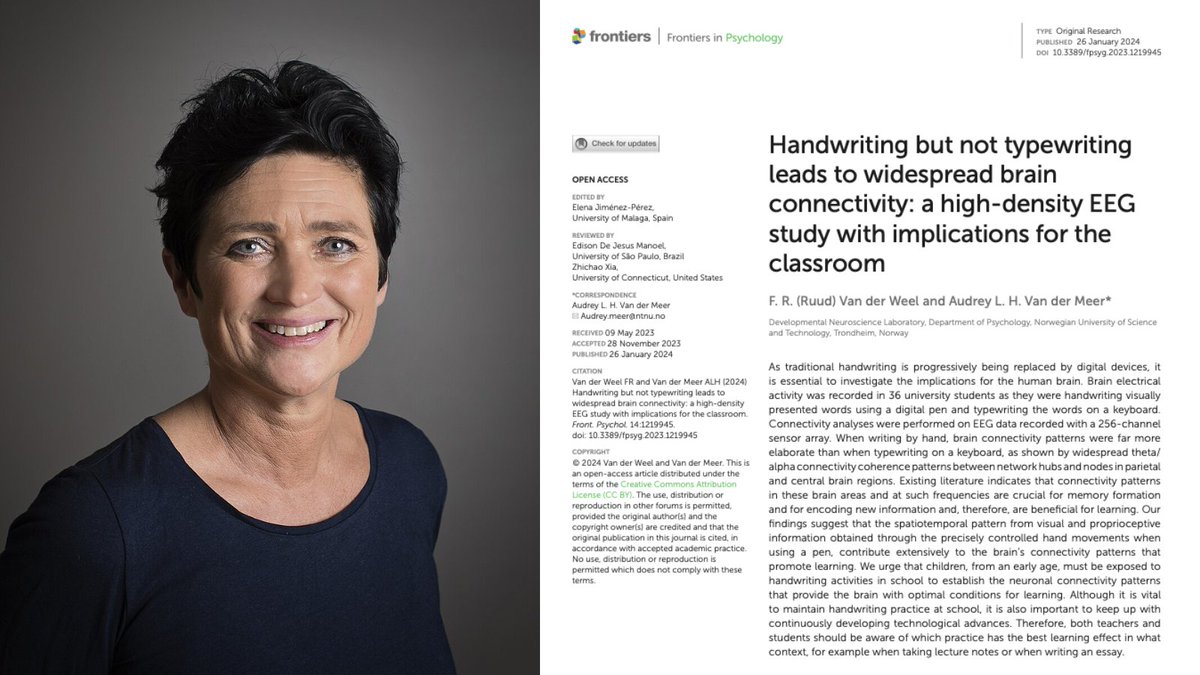
A Norwegian neuroscientist spent 20 years proving that the act of writing by hand changes the human brain in ways typing physically cannot, and almost nobody outside her field has read the paper.
Her name is Audrey van der Meer.
She runs a brain research lab in Trondheim, and the paper that closed the argument was published in 2024 in a journal called Frontiers in Psychology. The finding is brutal enough that it should have changed every classroom on Earth.
The experiment was simple. She recruited 36 university students and put each one in a cap with 256 sensors pressed against their scalp to record brain activity. Words flashed on a screen one at a time.
Sometimes the students wrote the word by hand on a touchscreen using a digital pen, and sometimes they typed the same word on a keyboard. Every neural response was recorded for the full five seconds the word stayed on screen.
Then her team looked at the part of the data most researchers had ignored for years, which is how different parts of the brain were communicating with each other during the task.
When the students wrote by hand, the brain lit up everywhere at once.
The regions responsible for memory, sensory integration, and the encoding of new information were all firing together in a coordinated pattern that spread across the entire cortex. The whole network was awake and connected.
When the same students typed the same word, that pattern collapsed almost completely.
Most of the brain went quiet, and the connections between regions that had been alive seconds earlier were nowhere to be found on the EEG.
Same word, same brain, same person, and two completely different neurological events.
The reason turned out to be something nobody had really paid attention to before her work. Writing by hand is not one motion but a sequence of thousands of tiny micro-movements coordinated with your eyes in real time, where each letter is a different shape that requires the brain to solve a slightly different spatial problem.
Your fingers, wrist, vision, and the parts of your brain that track position in space are all working together to produce one letter, then the next, then the next.
Typing throws all of that away. Every key on a keyboard requires the exact same finger motion regardless of which letter you are pressing, which means the brain has almost nothing to integrate and almost no problem to solve.
Van der Meer said it plainly in her interviews.
Pressing the same key with the same finger over and over does not stimulate the brain in any meaningful way, and she pointed out something that should scare every parent who handed their kid an iPad.
Children who learn to read and write on tablets often cannot tell letters like b and d apart, because they have never physically felt with their bodies what it takes to actually produce those letters on a page.
A decade before her, two researchers at Princeton ran the same fight using a completely different method and ended up at the same answer. Pam Mueller and Daniel Oppenheimer tested 327 students across three experiments, where half took notes on laptops with the internet disabled and half took notes by hand, before testing everyone on what they actually understood from the lectures they had watched.
The handwriting group won by a wide margin on every question that required real understanding rather than surface recall.
The reason was hiding in the transcripts of what the two groups had actually written down.
The laptop students typed almost word for word, capturing more total content but processing almost none of it as they went, while the handwriting students physically could not write fast enough to transcribe a lecture in real time, which forced them to listen carefully, decide what actually mattered, and put it in their own words on the page.
That single act of choosing what to keep was the learning itself, and the keyboard had quietly skipped the choosing and skipped the learning along with it.
Two studies. Two countries. Same answer.
Handwriting makes the brain work. Typing lets it coast.
Every note you have ever typed instead of written went into your brain through a thinner pipe. Every meeting, every book highlight, every idea you captured on your phone instead of on paper was processed at half depth.
You did not forget those things because your memory is bad. You forgot them because typing never woke the part of the brain that would have made them stick.
The fix is the thing your grandmother already knew.
Pick up a pen. Write the thing down. The slower road is the faster one.
La Audiencia Nacional de España le dio la razón a @shakira en su pleito con Hacienda de ese país. No era residente fiscal en 2011. Le hicieron pagar indebidamente 55 millones de euros.
¡Tu conocimiento protege la biodiversidad de Caldas!.Si realizas seguimiento a nuestra fauna y flora, perteneces a un colectivo ambiental o te apasiona la conservación del territorio, este espacio es para ti. Te invitamos a participar en nuestro taller de formación y articulación
Seguro que todos esos 5.000 humanos que ya han visto "Un poeta" no se arrepienten y pueden recomendar la maravillosa película de Simón Mesa Soto. #UnPoeta
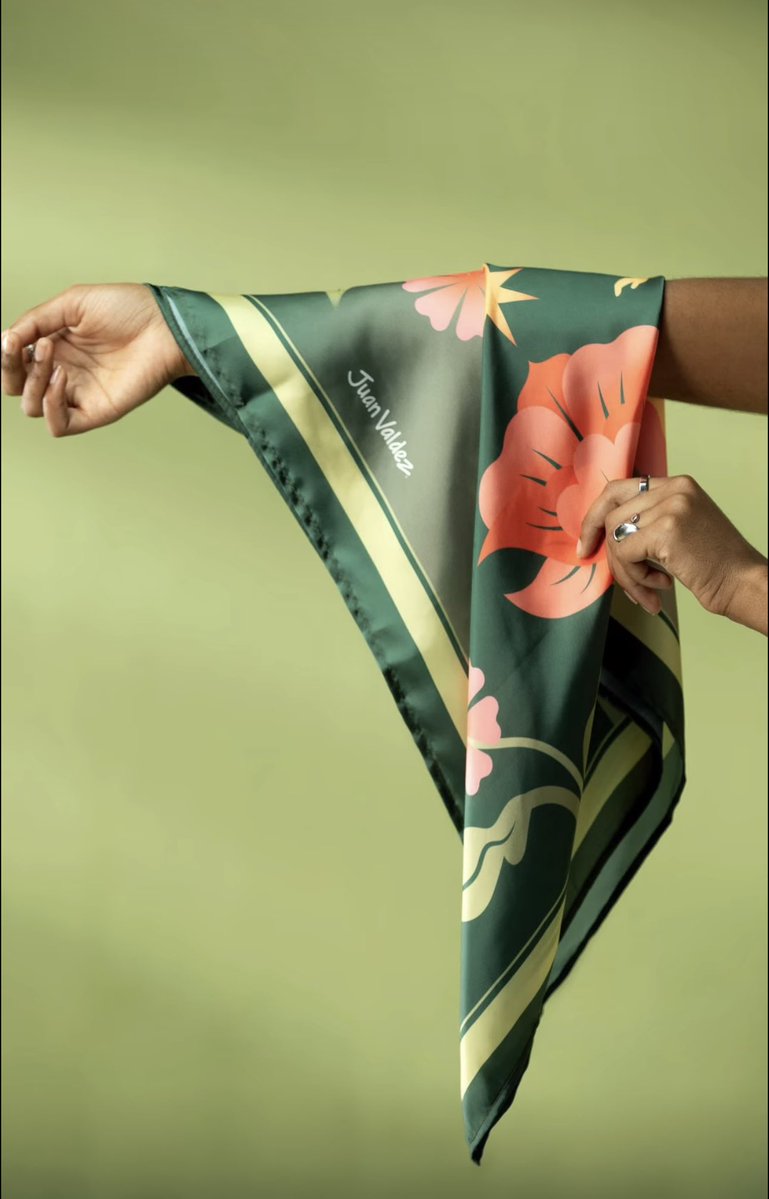
Amigooooos celebren con nosotras este nuevo logro para la paz 🇨🇴 HOY LLEGAMOS A LAS TIENDAS JUAN VALDEZ de todo el país.
Nos han dicho que estos procesos pequeños son difíciles de sostener o poco “escalables”, pero miren acá estamos trabajando desde el sur del país ❤️ creciendo!
Necesitamos con urgencia donantes de sangre tipo RH O- (hasta las 4:00 p.m.) y de plaquetas no importa tipo de RH (hasta las 7:00 p.m.) en Bogotá.
Por favor, quienes puedan donar, acérquense lo antes posible a la Cruz Roja, ubicada en la Avenida 68 #68B-31, y donen a nombre de Anyul Molina, C.C. 51.686.785, internada en la Fundación Santa Fe de Bogotá
¡Su ayuda es vital!
La pobreza léxica suele degenerar en pobreza cognitiva." El empobrecimiento del lenguaje no solo afecta al pensamiento, sino que también amplía la brecha social https://t.co/tmtok562iX
"Me desperté conduciendo por una autopista en Arizona sin saber cómo había llegado allí.
Tenía 37 años. No era "Sir Anthony". No era una leyenda del cine. Era un borracho desagradable, enojado y peligroso que creía que el alcohol era el combustible de mi talento. Bebía porque me sentía un fraude. Un hijo de panadero de Gales que no encajaba en los escenarios de Londres. Ese día en el desierto, el miedo me golpeó más fuerte que cualquier resaca.
Podría haber matado a alguien. Podría haberme matado a mí mismo. Entré en una reunión de Alcohólicos Anónimos y una mujer me preguntó:
- ¿Por qué no confías en Dios? Yo no creía en Dios.
Pero ese día, creí en la necesidad desesperada de no morir. Llevo 48 años sobrio. Cambié la botella por la vida. A mis 86 años, subí un video bailando rumba en mi cocina con una camisa de flores, haciendo el ridículo y riéndome como un niño.
La gente dice: "Está loco". Yo digo: "Estoy vivo".
No te creas la mentira de que necesitas destruir tu vida para crear arte. No necesitas sufrir para ser interesante. La verdadera obra maestra es llegar a viejo y seguir teniendo ganas de bailar un martes por la mañana."
Anthony Hopkins🇬🇧
La entrevista a Gisèle Pelicot en El País Semanal es mucho más que el relato de un caso judicial: es la irrupción de una voz que desarma la complicidad social frente a la violencia sexual. Gisèle, una mujer de 73 años, sobreviviente de un crimen sistemático perpetrado por su esposo y más de cincuenta hombres, decide hablar sin anonimato. Esa decisión es política: desplaza la vergüenza hacia donde debe estar, en los agresores y en la sociedad que permitió el silencio.
Su frase central —“la sociedad no estaba preparada para un caso como el mío”— desnuda la incapacidad institucional y cultural de enfrentar la magnitud del horror. No se trata solo de un proceso judicial, sino de la evidencia de que la violencia contra las mujeres sigue siendo un terreno donde la incredulidad y la banalización pesan más que la justicia. Gisèle muestra cómo la rutina doméstica convivía con la violencia extrema, revelando que el patriarcado se camufla en lo cotidiano.
Desde una lectura feminista y educativa, su testimonio nos obliga a pensar en tres claves:
1. Ruptura del silencio: renunciar al anonimato es un acto de resistencia que convierte la experiencia privada en denuncia pública. Gisèle enseña que la voz de las sobrevivientes no debe ser borrada ni reducida a expediente judicial.
2. Reubicación de la vergüenza: la pedagogía feminista que emerge de su relato es clara: la vergüenza no pertenece a las mujeres abusadas, sino a los agresores y a las instituciones que fallan en protegerlas.
3. Reconstrucción de la vida: Gisèle insiste en que no quiere ser definida únicamente como víctima. Vive con una nueva pareja, escribe sus memorias y reivindica su derecho a la felicidad. Esa afirmación es educativa porque rompe con la narrativa que condena a las sobrevivientes a cargar eternamente con el dolor.
Su voz es también un llamado a la sociedad: necesitamos un marco cultural y jurídico capaz de reconocer la violencia sexual como crimen estructural, no como anomalía. La entrevista se convierte en un texto pedagógico sobre la urgencia de transformar la mirada colectiva, para que ninguna mujer tenga que enfrentar sola el peso de la incredulidad.
#MarCandela #FeminismoArtesanal #Educomunicación #InterculturalidadCrítica https://t.co/099fNuC8md
“Mentir constantemente no tiene como objetivo hacer que la gente crea una mentira, sino garantizar que ya nadie crea en nada. Un pueblo que ya no puede distinguir entre la verdad y la mentira no puede distinguir entre el bien y el mal”.
Hannah Arendt.
#LoDijimos Como se esperaba,la @CConstitucional suspendió el Decreto de Emergencia Económica.
Se ha puesto a salvo el Estado Democrático de Derecho y se ha conjurado el intento del Gobierno de violentar el mandato constitucional según el cual no hay impuestos sin representación
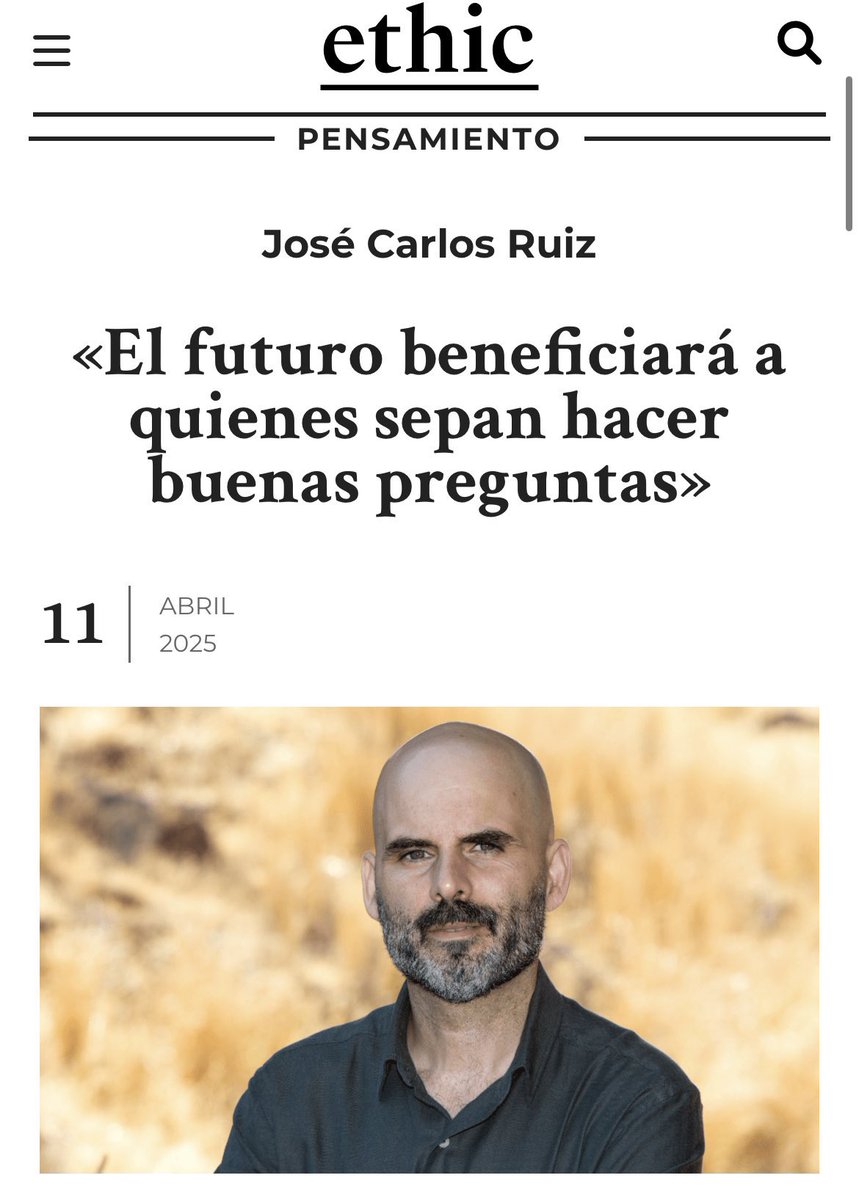
📚 La lectura, un antídoto contra la IA. Frente a la docilidad cognitiva y el declive de la atención, hay un antídoto sencillo y radical: leer libros.
La lectura fortalece el pensamiento crítico, la concentración y la democracia.
Defender los libros hoy es un acto político. https://t.co/xwMGZkaAfc https://t.co/AK8IUHeYor https://t.co/vgxFdrZuz6