Mais um dia normal de trabalho em Direito Bancário.
É com isso que lidamos todo santo dia, abusos e mais abusos das instituições financeiras contra pessoas de baixa renda, de idade avançada de pouca instrução e muitas vezes analfabetos.
Não consigo me curvar diante disso. Não vou parar.
Torço para que esse caso não seja tratado como mero dissabor pelo Judiciário. Porque para a Dona Nilda, com certeza, não foi.
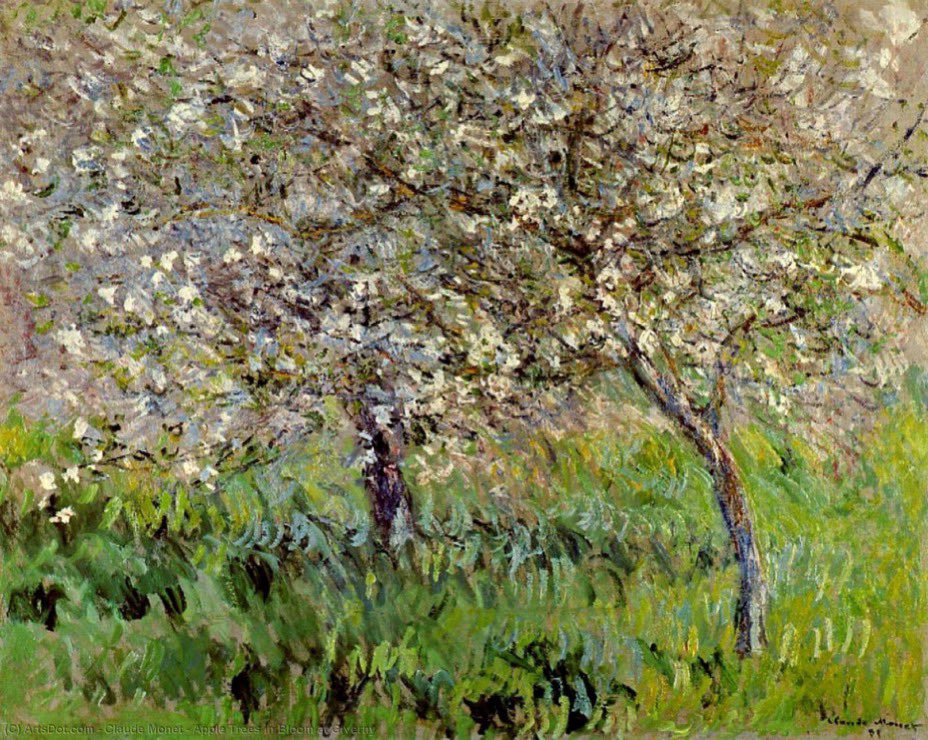
The "Saffron Gatherer" Reimagined: Bringing a Minoan Masterpiece to Life
This modern reconstruction brings to life the famous Minoan fresco known as The Saffron Gatherer (or The Crocus Gatherer), transforming the ancient wall painting into a realistic vision of how the woman may have appeared over 3,500 years ago.
Discovered at the prehistoric settlement of Akrotiri on the island of Thera (Santorini), the fresco dates to the 17th century BC and depicts a young woman gathering crocus flowers, prized in the Bronze Age for producing saffron. The artwork is one of the finest surviving examples of Aegean prehistoric painting.
Minoan frescoes adorned the walls of palaces and elite buildings across Crete and the wider Aegean, particularly at Knossos, Phaistos, Malia, and Akrotiri. Painted with vibrant mineral pigments on wet plaster, they captured scenes of nature, rituals, ceremonies, and everyday life with remarkable elegance and movement.
The frescoes reveal a society that valued beauty, harmony, and the natural world. Men and women are often portrayed with equal prominence, suggesting a culture where both genders played significant roles in religious and social life. Their elaborate hairstyles, colorful garments, and jewelry reflect the sophistication of one of Europe's earliest advanced civilizations.
Today, digital reconstructions like this one bridge the gap between ancient art and reality, allowing us to imagine the people behind these iconic frescoes and offering a vivid glimpse into the vibrant world of the Minoans.
#archaeohistories
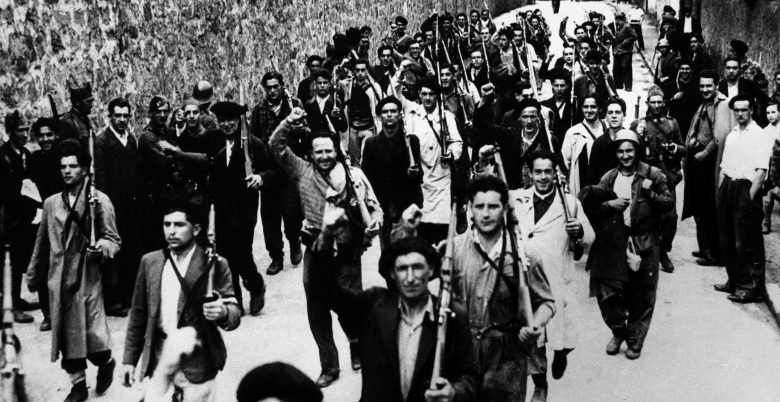
On July 30, 1937, the Soviet Politburo—acting under the direction of Joseph Stalin—issued NKVD Order No. 00447, an administrative document so dry, so bureaucratic in tone, it might have passed unnoticed on a desk stacked with papers. But within its pages lay the blueprint for mass repression. It called for the systematic “repression of former kulaks, criminals, and other anti-Soviet elements.” It was the order that transformed Stalin’s terror into an industrial enterprise.
By the letter of the order, 269,100 people were to be arrested. Of these, 76,000 were to be executed—with no trial, no defense, no appeal. The rest were shipped to the gulags of Siberia, where hunger, exposure, disease, and forced labor often accomplished what the firing squads did not. Within the next sixteen months, the actual numbers would soar far beyond the original quotas. In The Gulag Archipelago, Aleksandr Solzhenitsyn described it as “a time when every knock at the door was death.”
No one was safe—not peasants, not teachers, not even loyal Communists. Innocence offered no protection. The quotas had to be filled.
This was no spontaneous outburst of violence. It was methodical, deliberate, and cold. Local officials compiled lists of supposed enemies, often competing with one another to demonstrate revolutionary zeal. A district might be ordered to arrest 400 “enemies of the people.” If only 150 could be identified, the remaining names would simply be fabricated. The quotas had to be met. Coworkers informed on coworkers. Children denounced parents. Entire families disappeared into the night.
Yet for decades, much of the world failed to grasp—or refused to acknowledge—the full scale of what had happened. The Soviet Union concealed its crimes behind promises of equality, progress, and industrial achievement. But historians who later opened the archives found something very different: a government systematically turning its own citizens into targets. In his landmark study The Great Terror, Robert Conquest observed, “Not even Hitler began with so large a proportion of executions in relation to arrests.” This was not the chaos of war. It was mass murder organized by the state that claimed to be the “worker’s paradise.”
Nearly nine decades later, there are still voices willing to romanticize communism or speak nostalgically of the supposed warmth of collectivism. They remember the promises and forget the graves.
History remembers both.
The twentieth century left millions of reasons to be wary whenever a government insists that the individual exists only for the collective. The warmth of collectivism has a long track record. More often than not, it ends in hellfire.
#archaeohistories
🎥 Aos fãs de papeizinhos, vocês se lembram de como era votar antes da urna eletrônica?
De coronelismo, fraudes e falta de acessibilidade.
Veja o vídeo do nosso diretor jurídico, Humberto Ribeiro, e saiba o quanto a urna eletrônica mudou, para melhor, a forma como o brasileiro vota. 👇🏽
King Philip VI made a fatal error when he ordered the public execution of Olivier de Clisson in 1343. He intended to crush a traitor but instead created an unstoppable enemy in Olivier’s widow.
Jeanne de Clisson was a noblewoman who refused to accept the crown’s judgment. She took her young sons to see their father's severed head displayed on a pike at Nantes.
She liquidated her inheritance to purchase three warships painted black with blood-red sails. She named her flagship My Revenge.
For thirteen years she hunted French vessels across the English Channel with methodical precision. She executed entire crews but spared a few survivors to deliver her message to the king.
Jeanne operated with English support during the chaotic Breton War of Succession. She eventually retired and outlived the king who had destroyed her family.
This noblewoman turned pirate to defy a monarch who overstepped his authority. Her campaign proved that grief could be forged into a weapon capable of humbling an empire.
#archaeohistories
[São tantos casos que esqueci desse] Contador de Flávio preso no caso do INSS foi fiscalizado por conselho. Alexandre Caetano dos Reis, contador ligado ao escritório do senador Flávio Bolsonaro, foi fiscalizado pelo CRC-DF e está preso desde dezembro por decisão de André Mendonça no caso de descontos irregulares do INSS. A decisão do STF cita papel central dele na ocultação patrimonial do “Careca do INSS”; Caetano disse à PF que só fazia contabilidade e não acessava transações financeiras. Sua irmã, Letícia Caetano, administra a banca de advocacia de Flávio Bolsonaro (uol)
📢 Vício em apostas afeta empregos e faz disparar afastamentos no INSS
Afastamentos por ludopatia reconhecidos pelo INSS tiveram alta enquanto demissões por condutas ligadas às apostas chegam à Justiça do Trabalho, aponta levantamento.
Com o aumento dos diagnósticos e dos afastamentos, cresce também a possibilidade de trabalhadores alegarem que condutas relacionadas às apostas decorreram de um transtorno, e não apenas de indisciplina ou desonestidade.
No Rio Grande do Sul uma assistente de vendas foi dispensada após se apropriar de R$53,6 mil da empresa e perder em plataformas de jogos. Ela entrou na Justiça do Trabalho contra a justa causa alegando discriminação por sua ludopatia, mas o juiz manteve a punição.
📰 Fonte: Migalhas
Doctor here
Worked in a hospital in the UK during Covid
No TikTok dances at ours
Or YouTube for that matter
Just a very full intensive care unit packed with people dying from Covid
Wasn't a hoax
I was there
You weren't
Glad I could clear that up for you










![BlogdoNoblat's tweet photo. [São tantos casos que esqueci desse] Contador de Flávio preso no caso do INSS foi fiscalizado por conselho. Alexandre Caetano dos Reis, contador ligado ao escritório do senador Flávio Bolsonaro, foi fiscalizado pelo CRC-DF e está preso desde dezembro por decisão de André Mendonça no caso de descontos irregulares do INSS. A decisão do STF cita papel central dele na ocultação patrimonial do “Careca do INSS”; Caetano disse à PF que só fazia contabilidade e não acessava transações financeiras. Sua irmã, Letícia Caetano, administra a banca de advocacia de Flávio Bolsonaro (uol)](https://pbs.twimg.com/media/HOe8r_UXcAAg3Hr.jpg)