#PayString is built to be a simple and flexible extension of existing payment networks, making it best-in-class in compliance messaging — such as Travel Rule and AML. Learn more about Travel Rule in #crypto https://t.co/zFloUTslez
Reaching over 100 million consumers worldwide, #PayString is a simple, open and universal #payment identifier that makes it easier to move money across payment networks. https://t.co/otyPfDxDrv
Reaching over 100 million consumers worldwide, @pay_string is a simple, open and universal payment identifier that makes it easier to move money across payment networks. #payments https://t.co/otyPfDxDrv
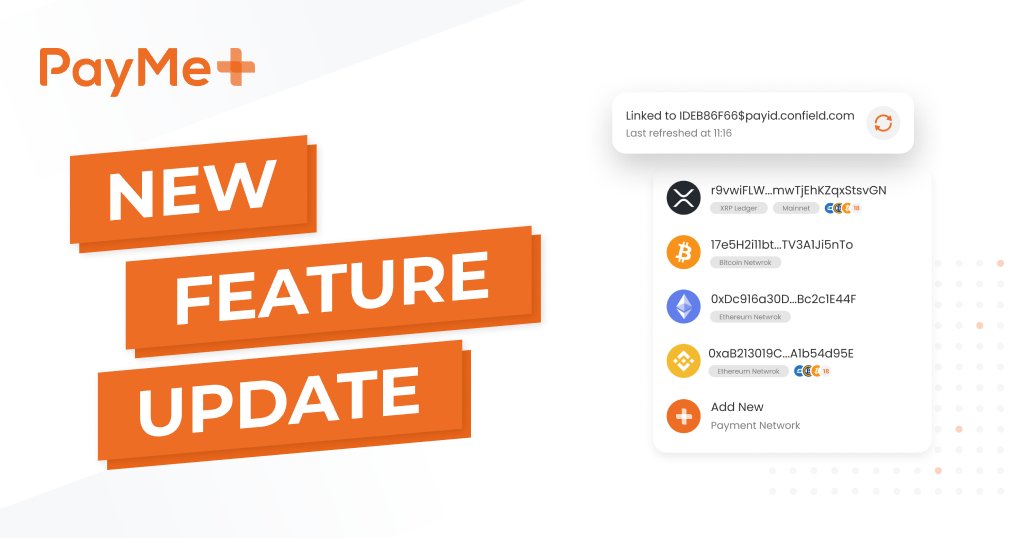
Use your https://t.co/AWFM4LTttD account at supported providers with the new PayString Forwarding feature!
For example: bob$payme.plus => bob$exchange.com
Other additions include:
👉 Session management
👉 Bug fixes & improvements
To avoid potential confusion and trademark concerns, PayID is being rebranded to PayString. Like a string of connections, PayString continues to make the world of payments more connected and interoperable. Join us at https://t.co/NAXkCoCawj.
@lukestokes Sounds like we have a similar agenda. Although we're not here to attack other projects. We think FIO is great. We just took a different approach.
@lukestokes Crypto addresses on any centralized exchange, where majority of people store their crypto, are not self sovereign (like email).
Happy to talk more, but you clearly have an agenda here, and provoked this discussion (and blog post), out of fear.
@lukestokes Blockchains are definitely vendors. Yes, they are decentralized. But they are still vendors. In order to send, receive, or build on Bitcoin or Ethereum, I have to have BTC or ETH. That's a classic vendor requirement.