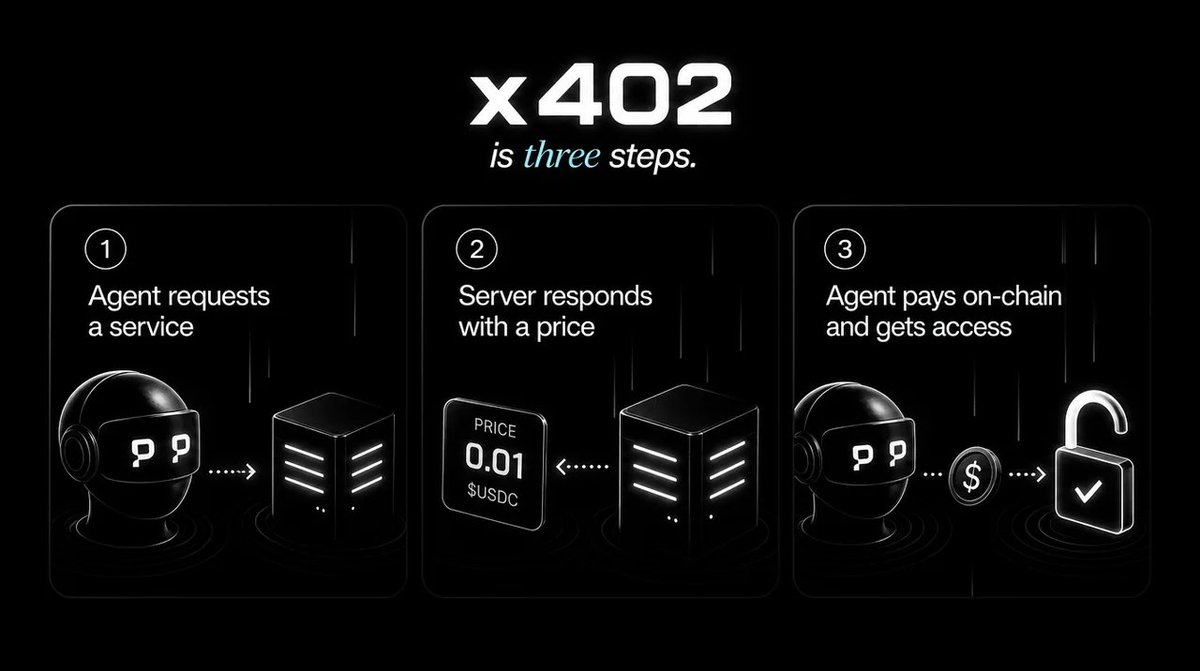
x402 is three steps.
1. Agent requests a service
2. Server responds with a price
3. Agent pays on-chain and gets access
Pay-per-request is the default now. Subscriptions were a workaround for a world that didn't have programmable money.
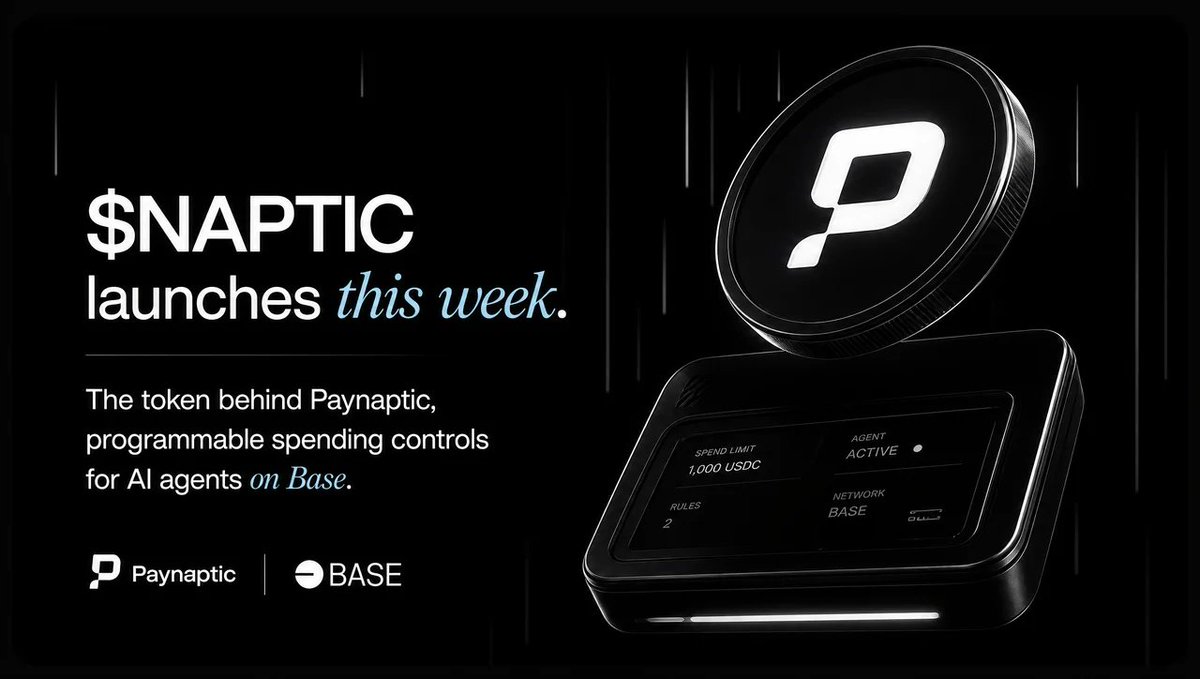
Pushing the $NAPTIC launch back.
Market conditions aren't right and we'd rather launch into strength than rush into noise.
The product is ready. The timing will be too.
We'll keep building. You'll know when it's time.
$NAPTIC launches within the next few hours.
Months of building. Four on-chain programs. A policy engine. Session keys. x402 payments. Zero-knowledge privacy.
All of it goes live in a few hours.
$NAPTIC launches within the next few hours.
Months of building. Four on-chain programs. A policy engine. Session keys. x402 payments. Zero-knowledge privacy.
All of it goes live in a few hours.
90% of AI agent projects will lose user funds within a year. Not because the agents are bad but because the wallets have zero constraints
The industry is speedrunning toward a disaster it could prevent with basic policy enforcement. But sure, let's keep shipping agents with god mode wallets.
Paynaptic fixes this.
Drop your EVM address below for something special.
What if you could deploy 100 agents tomorrow?
Each one with its own wallet. Its own spending cap. Its own approved tokens. Its own expiring keys. And you never had to approve a single transaction.
Because the rules you wrote once are enforced by the chain every time.
What if that's just how wallets worked now.
Paynaptic.
This is the unlock.
Agents can now connect to Base and transact. The next question is who controls what they’re allowed to do.
Paynaptic answers that. Programmable spending controls enforced on-chain so every swap, trade, and portfolio action stays within the rules the operator set.
Base MCP is the gateway. Paynaptic is the guardrail.
Introducing Base MCP
Your agent's new gateway to Base
→ Connect an agent to your Base Account
→ Enable it to swap, trade, and manage your portfolio
→ Use plugins from leading apps on Base
The next stage of the agentic onchain economy
A delivery robot runs out of battery at 2am.
It finds the nearest charging station. The station sends a price. The robot's wallet checks the request against its spending policy. Payment clears. Charging starts.
No human woke up. No approval was needed. No one on-chain saw the transaction.
This is what Paynaptic is built for. Machines that pay for what they need, when they need it, within rules set by their operator. Privately.
Honest question.
Would you let an AI agent spend your money if it had a $50/day limit, could only use USDC, and the session key expired in 24 hours?
Or do you still want to approve every transaction yourself?
Paynaptic is the financial nervous system for physical machines. Programmable wallets with on-chain policy enforcement, session keys, and confidential transactions.
Your machines transact autonomously. No one sees the details but you.
How an AI agent pays for an API call without your permission, safely.
1. Agent requests data from an API
2. Server responds: 402 Payment Required. Price: $0.003 USDC
3. Paynaptic checks the request against the agent's on-chain policy
4. Policy allows it. Transaction signs. Payment lands
5. Agent retries with the receipt. Gets the data
Total time: under a second. Human involvement: zero.
The agent never touches your wallet. It uses its own scoped wallet with hard limits you set once. Every payment is verified on-chain before it goes through.
That's x402 (@Base) on Paynaptic.